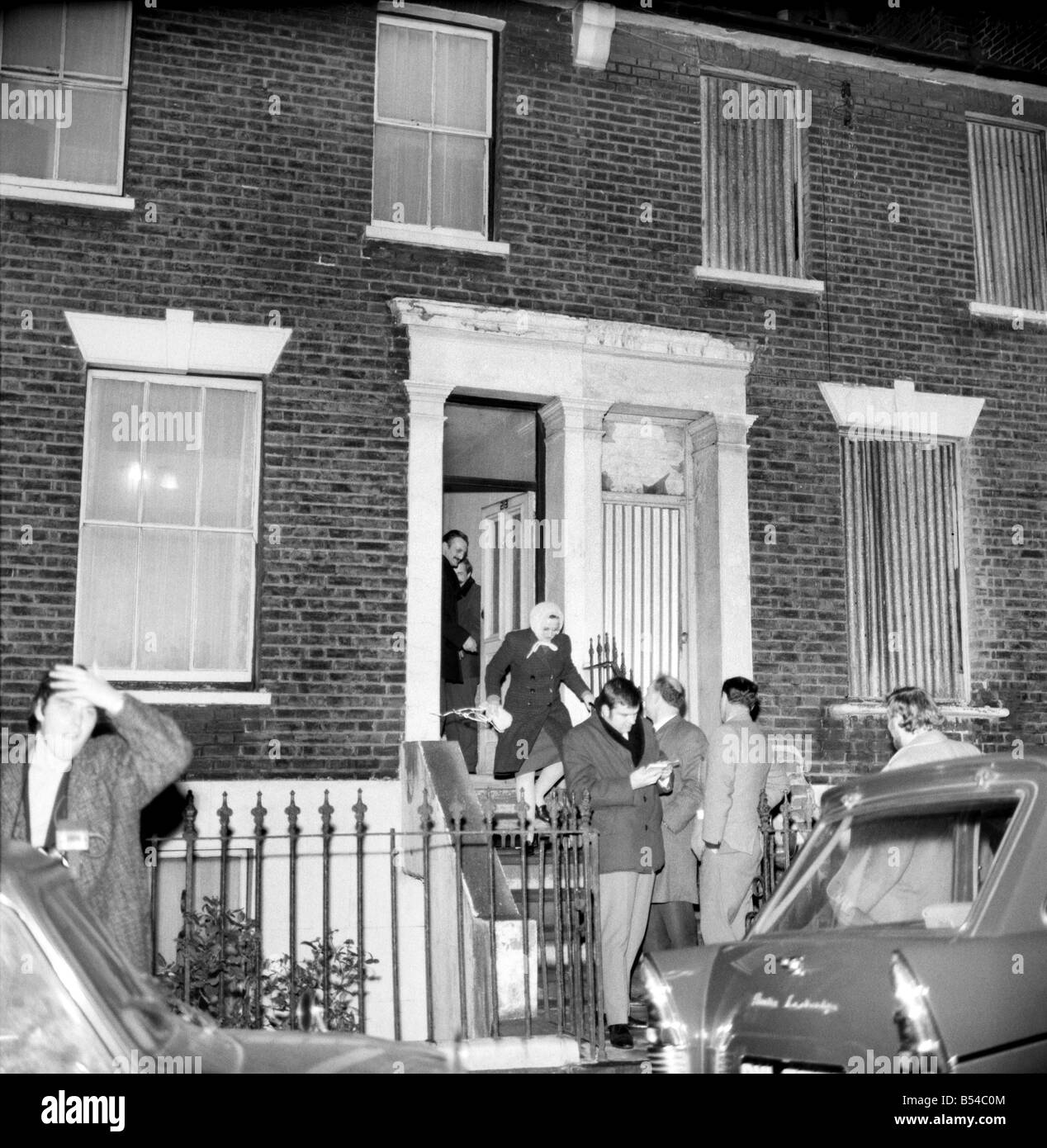
The year 1969 marked a profound cultural and sociological turning point in modern history, characterized by intense social upheaval, civil rights movements, the culmination of the Vietnam War protests, and a distinct wave of high-profile criminal activity. Examining 1969 crime requires looking past sensationalized media narratives to understand how law enforcement agencies, forensic methodologies, and urban dynamics evolved during a uniquely volatile era.
Understanding the Sociological and Historical Backdrop of 1969 Crime
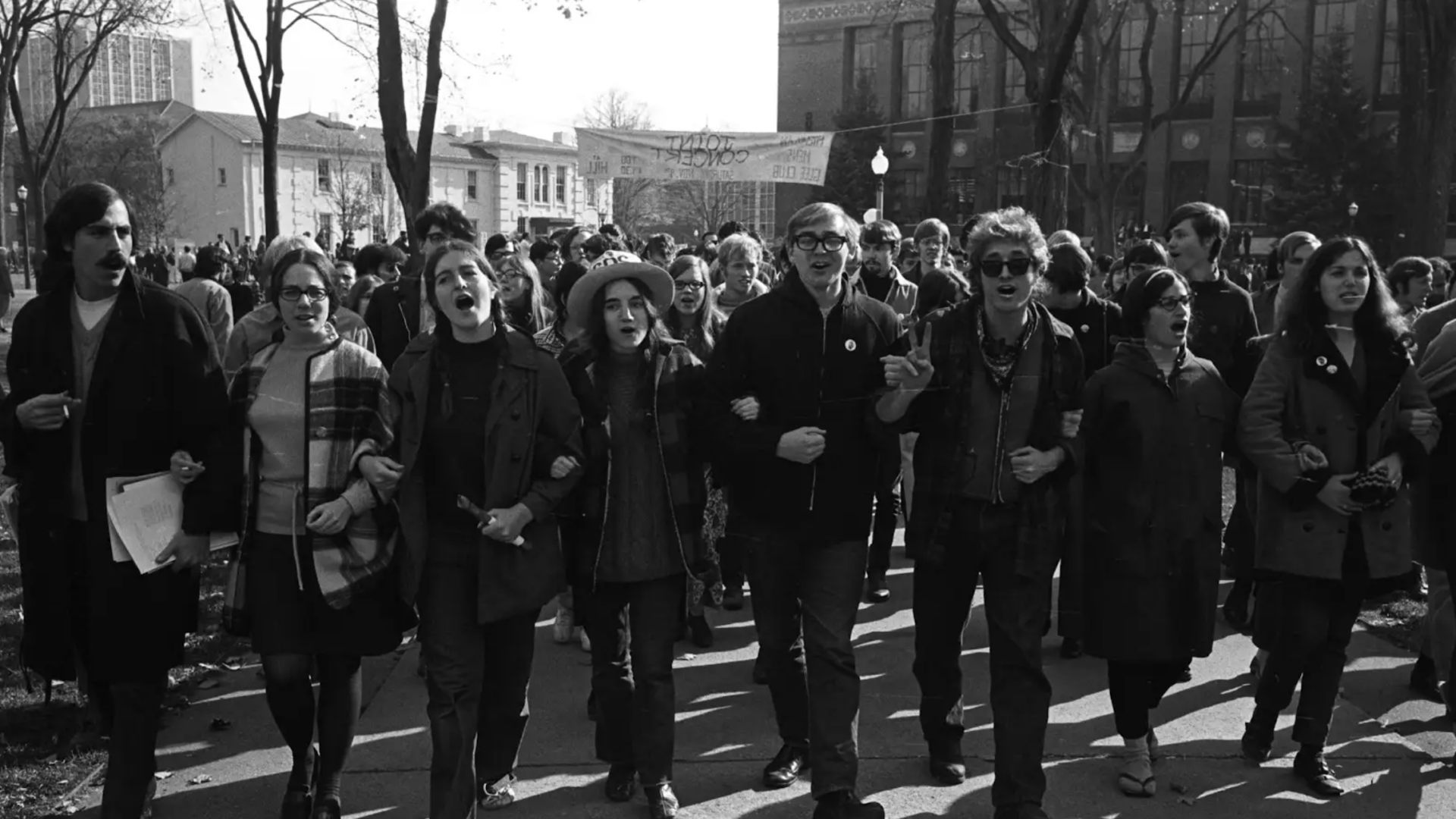
To contextualize criminal activity in 1969, one must examine the broader socio-political landscape of the late 1960s. The United States and various Western nations were experiencing unprecedented generational friction. The counterculture movement, widespread opposition to the Vietnam War, racial tensions, and rapid urbanization created environments where traditional social controls fractured.
Law enforcement agencies during this period operated under vastly different technological and operational constraints than modern departments. Forensic science was in a transitional phase. DNA profiling did not exist, fingerprint databases were largely paper-based and regional rather than national, and ballistic analysis relied heavily on manual microscope comparisons. Consequently, investigations often depended heavily on eyewitness testimony, circumstantial evidence, and traditional interrogation techniques, leading to both significant breakthroughs and systemic vulnerabilities.
The Zodiac Killer and Northern California’s Reign of Terror
Few criminal investigations from this era have captured public imagination and sustained historical scrutiny quite like the Zodiac Killer case. Operating in Northern California throughout 1968 and 1969, the unidentified serial killer terrorized the San Francisco Bay Area through a series of confirmed and suspected homicides, accompanied by taunting letters sent to local newspapers.
The geographic spread of the attacks—ranging from Benicia and Vallejo to Lake Berryessa and San Francisco—challenged the jurisdictional boundaries of multiple police departments. The Killer’s modus operandi, which included cryptic ciphers, demands for publication, and direct communication with the public, transformed ordinary crime reporting into a media spectacle. Despite extensive investigations by the FBI, the San Francisco Police Department, and other agencies, the case remains officially unsolved, serving as a watershed moment in the history of American forensic profiling and media-police relations.
The Tate-LaBianca Murders and the End of the Sixties Dream
In August 1969, the Manson Family cult perpetrated a series of brutal murders in Los Angeles, California, that shattered the illusion of peace and free love associated with the counterculture movement. The killings of actress Sharon Tate and her friends, followed closely by the murders of Leno and Rosemary LaBianca, introduced the public to the chilling concept of directed cult violence.
The subsequent investigation by the Los Angeles Police Department highlighted the difficulties authorities faced when confronting organized, ideological criminal groups operating outside conventional criminal motives like financial gain or personal disputes. The trial of Charles Manson and his followers established critical precedents regarding conspiracy law, prosecutorial strategy, and the management of high-profile courtroom security. It also fundamentally altered public perceptions of security, leading to the rapid growth of private residential security and gated communities in Southern California.
Organized Crime and the Evolution of Federal Prosecution
Beyond high-profile serial and cult murders, 1969 was a pivotal year for combating organized crime. Traditional syndicates, often referred to as the Mafia or La Cosa Nostra, maintained entrenched influence over labor unions, waterfronts, and urban gambling rings.
Federal authorities, operating under the legislative framework of the Wire Act and preparing for the sweeping expansion of anti-racketeering laws, began systematically targeting the upper echelons of organized crime networks. The intersection of local municipal corruption and federal oversight defined much of the investigative work during this period. Law enforcement agencies recognized that localized policing alone could not dismantle syndicated enterprises that operated across state lines, paving the way for integrated task forces and modern federal-local investigative cooperation.
Key Criminal Justice Characteristics of 1969
| Investigative Element | 1969 Methodology | Modern Standard (2026) |
|---|---|---|
| Forensic Evidence | Fingerprints, blood typing (ABO), manual ballistics | DNA profiling, touch DNA, automated database matching (CODIS) |
| Information Sharing | Paper records, regional teletype, telephone | Nationwide digital databases, real-time intelligence sharing |
| Media Integration | Print newspapers, evening television broadcasts | Instantaneous digital reporting, social media crowdsourcing |
| Jurisdictional Coordination | Fragmented inter-agency communication | Multijurisdictional task forces and federal oversight |
Technological and Forensic Limitations in 1969 Investigations
Examining historical criminal cases requires acknowledging the severe technological limitations investigators faced. Without modern computerized databases, cross-jurisdictional matching of serial crimes was remarkably difficult. If a suspect committed a homicide in one county and another offense three hundred miles away, detectives relied on manual bulletins and postal correspondence to connect the files.
Furthermore, crime scene preservation standards were less rigorous than they are today. Contamination issues frequently compromised physical evidence before forensic technicians could analyze it. The absence of comprehensive offender registries meant that repeat offenders could often evade identification simply by crossing state lines or altering their aliases. Understanding these limitations is essential for evaluating both the successes and the unresolved mysteries of 1969 criminal investigations.
Frequently Asked Questions
What made 1969 a significant year in criminal history?
1969 is historically significant due to a combination of high-profile cultural crimes, such as the Manson Family murders and the Zodiac Killer attacks, alongside systemic shifts in how law enforcement approached organized crime and multijurisdictional investigations during a period of intense social unrest.
Was the Zodiac Killer ever identified?
No official identification has ever been definitively established or accepted by law enforcement. While numerous amateur sleuths, journalists, and investigators have proposed various suspects over the decades, the case remains an active, unsolved investigation.
How did the Manson Family murders impact American culture?
The Tate-LaBianca murders shocked the public consciousness, effectively signaling a psychological end to the utopian counterculture movement of the late 1960s. The crimes led to increased public anxiety regarding cults, heightened security measures, and substantial changes in residential security habits.
What forensic tools were available to investigators in 1969?
Investigators relied primarily on conventional fingerprint analysis, basic blood typing, eyewitness accounts, ballistics comparisons using comparison microscopes, and traditional interrogation methods. Advanced molecular biology, such as DNA profiling, did not exist at the time.
How did law enforcement handle cross-jurisdictional crimes in the late 1960s?
Cross-jurisdictional investigations were frequently hindered by fragmented communication channels between local, state, and federal agencies. Information sharing relied on manual teletype systems, telephone calls, and physical mail, which often delayed the connection of related crimes across different states.
Historical Preservation and Ongoing Research
For researchers, historians, and true-crime analysts examining 1969 criminal records, the primary objective is maintaining historical accuracy while utilizing modern analytical techniques where applicable. Cold case units across various jurisdictions continue to re-examine physical evidence from 1969 homicides using contemporary DNA testing methods, hoping to bring closure to decades-old investigations. When evaluating these historical events, scholars must balance the dramatic cultural narrative of the era with the precise, methodical documentation found in original police reports and court transcripts.