The year 1964 witnessed several high-profile and historically significant homicides that reshaped American criminal law, civil rights protection, and forensic investigation techniques. These landmark cases, including the murders of civil rights workers in Mississippi and high-profile urban homicides, forced federal intervention, changed the scope of the Federal Bureau of Investigation, and altered public consciousness surrounding violent crime and institutional justice.
Historical Context and Societal Landscape of 1964
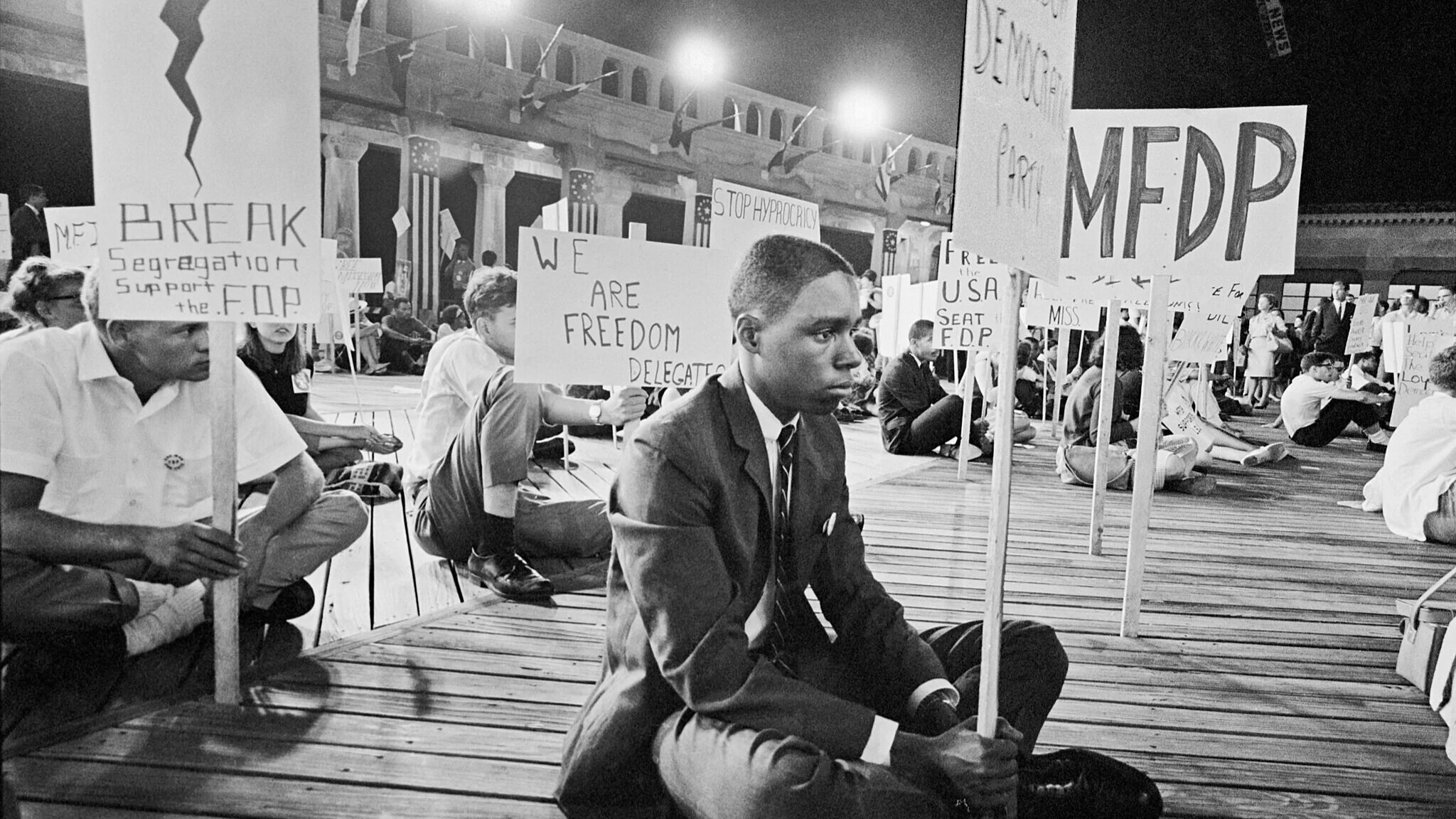
The mid-1960s represented a period of intense social transformation, political agitation, and cultural friction across the United States. While the civil rights movement gained legislative momentum with the passing of major federal acts, deeply entrenched racial hostility persisted, particularly in the American South. At the same time, urban centers across the country experienced shifting demographic patterns, economic pressures, and rising crime rates that challenged local law enforcement agencies unequipped for large-scale investigative operations.
During this era, forensic science was in a markedly different stage of development. DNA profiling did not exist, fingerprint databases were maintained through labor-intensive manual filing systems, and cross-jurisdictional cooperation between local police departments, county sheriffs, and federal authorities was frequently hindered by institutional rivalry and lack of standardized communication protocols. Consequently, when major violent crimes occurred, solving them often relied heavily on eyewitness testimony, physical informants, and physical confessions rather than sophisticated laboratory analysis. The high-profile homicides of 1964 exposed these systemic vulnerabilities, triggering national demands for modernizing investigative infrastructure and ensuring federal protection for vulnerable populations exercising their constitutional rights.
The Mississippi Civil Rights Workers Murders
The most politically resonant homicides of the era occurred in Neshoba County, Mississippi, in June 1964. James Chaney, Andrew Goodman, and Michael Schwerner—three civil rights workers participating in the Freedom Summer voter registration initiative—were abducted and murdered by members of the Ku Klux Klan, with the active collusion of local law enforcement officers. The disappearance of the three young men catalyzed a massive federal search operation known as MIBERN (Mississippi Burning), which brought hundreds of Federal Bureau of Investigation agents into the state.
The discovery of the bodies beneath an earthen dam after a multi-week search outraged the nation and highlighted the pervasive corruption within local Jim Crow judicial systems. Because federal civil rights legislation at the time was limited, the initial federal prosecution under the Enforcement Act of 1870 focused on conspiracy to violate civil rights rather than murder, since murder was strictly a state-level offense. The subsequent federal trial in 1967 resulted in convictions for several conspirators, though many served relatively short prison sentences. Decades later, persistent investigative journalism and renewed state-level legal efforts led by the Mississippi Attorney General resulted in the 2005 manslaughter conviction of Edgar Ray Killen, one of the primary organizers of the conspiracy, demonstrating the long shadow cast by the 1964 murders on American jurisprudence.
| Case / Event | Location | Primary Significance | Legal Outcome |
|---|---|---|---|
| Chaney, Goodman, Schwerner Murders | Neshoba County, Mississippi | Catalyst for federal civil rights intervention and national investigative mobilization. | 1967 federal conspiracy convictions; 2005 state manslaughter conviction of Edgar Ray Killen. |
| Urban Homicides and Media-Scrutinized Cases | Various Major U.S. Cities | Highlighted the growing strain on municipal police departments and forensic limitations. | Varied local prosecutions; shaped modern investigative protocols. |
| Rural and Cross-State Violent Crimes | Various Jurisdictions | Exposed jurisdictional gaps between local, state, and federal law enforcement agencies. | Accelerated the integration of centralized criminal databases and communication networks. |
Evolution of Forensic Investigation and Law Enforcement Response
The investigative failures and breakthroughs surrounding the major homicides of 1964 permanently altered how American law enforcement agencies approached complex violent crime. Prior to these events, local police departments operated largely as autonomous units with minimal inter-agency intelligence sharing. The extensive FBI involvement in the Mississippi civil rights worker case established a precedent for federal intervention when local authorities were either unwilling or structurally incapable of conducting impartial investigations.
Furthermore, the public scrutiny placed upon evidence collection during these high-profile cases accelerated the professionalization of forensic science. Investigators recognized that relying solely on confessions or compromised local witness testimony was insufficient to secure convictions in racially charged or politically sensitive environments. This realization contributed to increased investments in forensic laboratories, ballistic analysis, and standardized evidence-handling procedures. The establishment of these methodologies laid the technical groundwork for modern criminal investigations, ensuring that future systemic failures by local officials could be bypassed through independent federal oversight and advanced forensic verification.
Long-Term Legal and Societal Repercussions
The legacy of the 1964 murders extends far beyond the immediate courtroom verdicts, directly influencing federal statutory law and constitutional protections. The inability of the federal government to prosecute the initial murders as capital federal offenses at the time underscored a dangerous gap in the legal framework, prompting lawmakers to draft stronger federal hate crime statutes and civil rights protections in subsequent decades.
| Dimension | Pre-1964 Landscape | Post-1964 Transformation |
|---|---|---|
| Jurisdictional Authority | Fragmented local and state control with minimal federal oversight. | Expanded federal intervention capabilities in civil rights violations. |
| Forensic Standards | Reliance on manual filing, eyewitnesses, and basic interrogation. | Gradual modernization toward centralized databases and laboratory analysis. |
| Public Awareness | Regional reporting with limited national consolidation of violent crime trends. | Heightened national media scrutiny and investigative journalism focus. |
These legal shifts ensured that local law enforcement could no longer rely on jurisdictional boundaries to shield perpetrators of racially motivated violence. The societal trauma experienced during this pivotal year also forced a broader cultural reckoning regarding institutional accountability, civil rights enforcement, and the fundamental obligation of the state to protect all citizens regardless of race or political affiliation.
Frequently Asked Questions
What were the most significant murders of 1964?
The murders of civil rights workers James Chaney, Andrew Goodman, and Michael Schwerner in Mississippi are historically the most significant homicides of 1964 due to their profound impact on federal civil rights legislation and national law enforcement practices.
Why did the federal government intervene in the Mississippi civil rights case?
The federal government intervened because local law enforcement officers in Neshoba County were implicated in the conspiracy, creating a complete breakdown of local justice that necessitated a direct investigation by the Federal Bureau of Investigation.
Were the perpetrators of the 1964 civil rights murders convicted?
Yes, though justice was delayed. Several conspirators were convicted in a landmark 1967 federal civil rights trial, and decades later, organizer Edgar Ray Killen was convicted of manslaughter in a 2005 state prosecution.
How did the events of 1964 change American law enforcement?
The high-profile failures and subsequent investigations of 1964 exposed severe jurisdictional gaps, leading to closer cooperation between local and federal agencies, enhanced civil rights statutes, and the professionalization of forensic evidence collection.
What legal statutes were used in the initial federal trials?
Because murder was classified as a state crime at the time, federal prosecutors relied on the Enforcement Act of 1870 to prosecute the conspirators for conspiring to deprive the victims of their civil rights under the Fourteenth Amendment.
Ensuring Historical Accuracy and Investigative Integrity
Examining the events of 1964 requires rigorous adherence to documented archival records, trial transcripts, and official federal reports rather than popularized accounts or unverified folklore. Researchers, historians, and legal scholars investigating this era must prioritize primary sources from the National Archives, Department of Justice records, and contemporaneous court documents to maintain factual integrity. When analyzing historical homicides, distinguishing between verified judicial outcomes and speculative reporting prevents historical distortion and honors the true complexity of the civil rights era and its ongoing legal evolution.