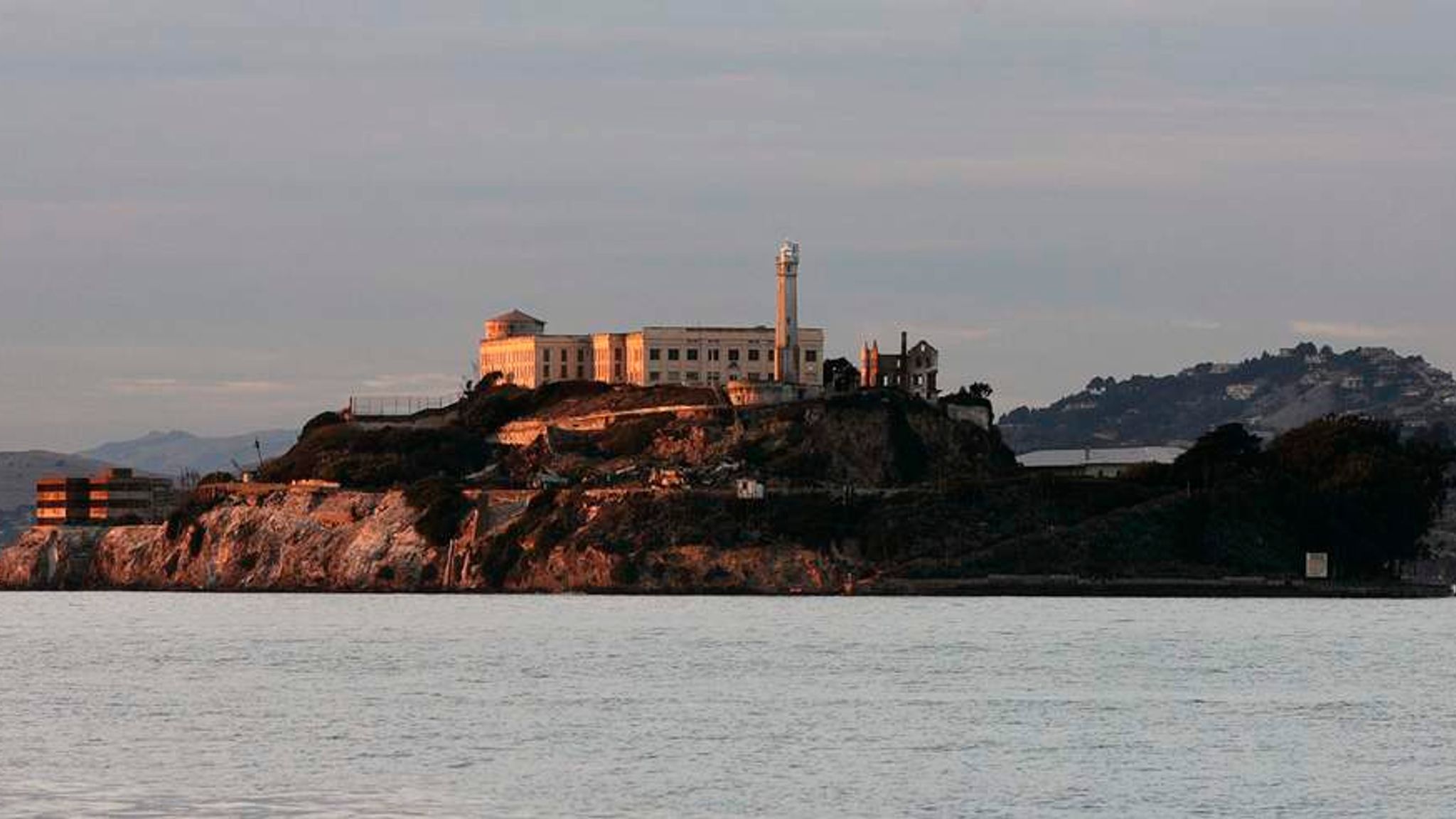
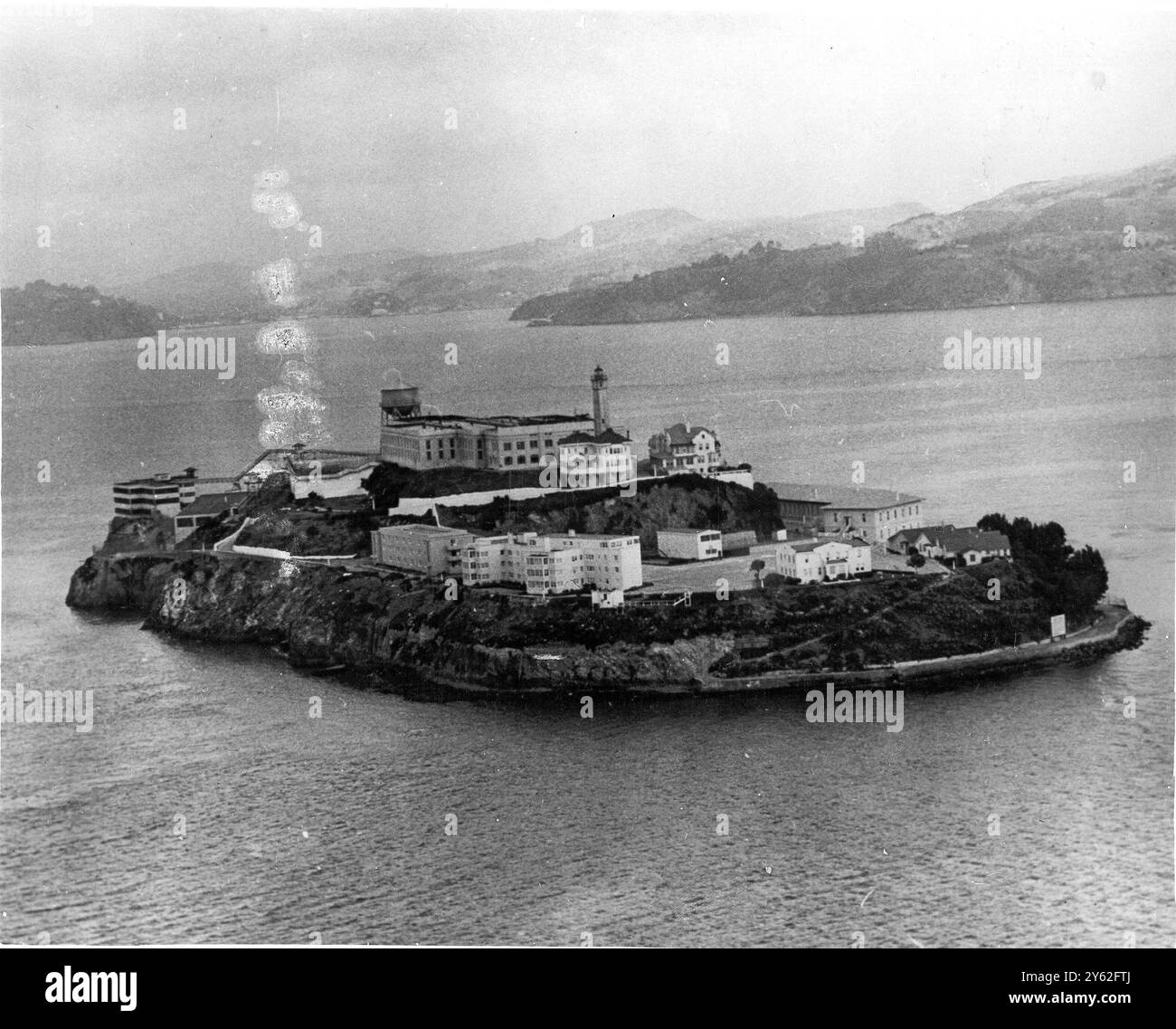
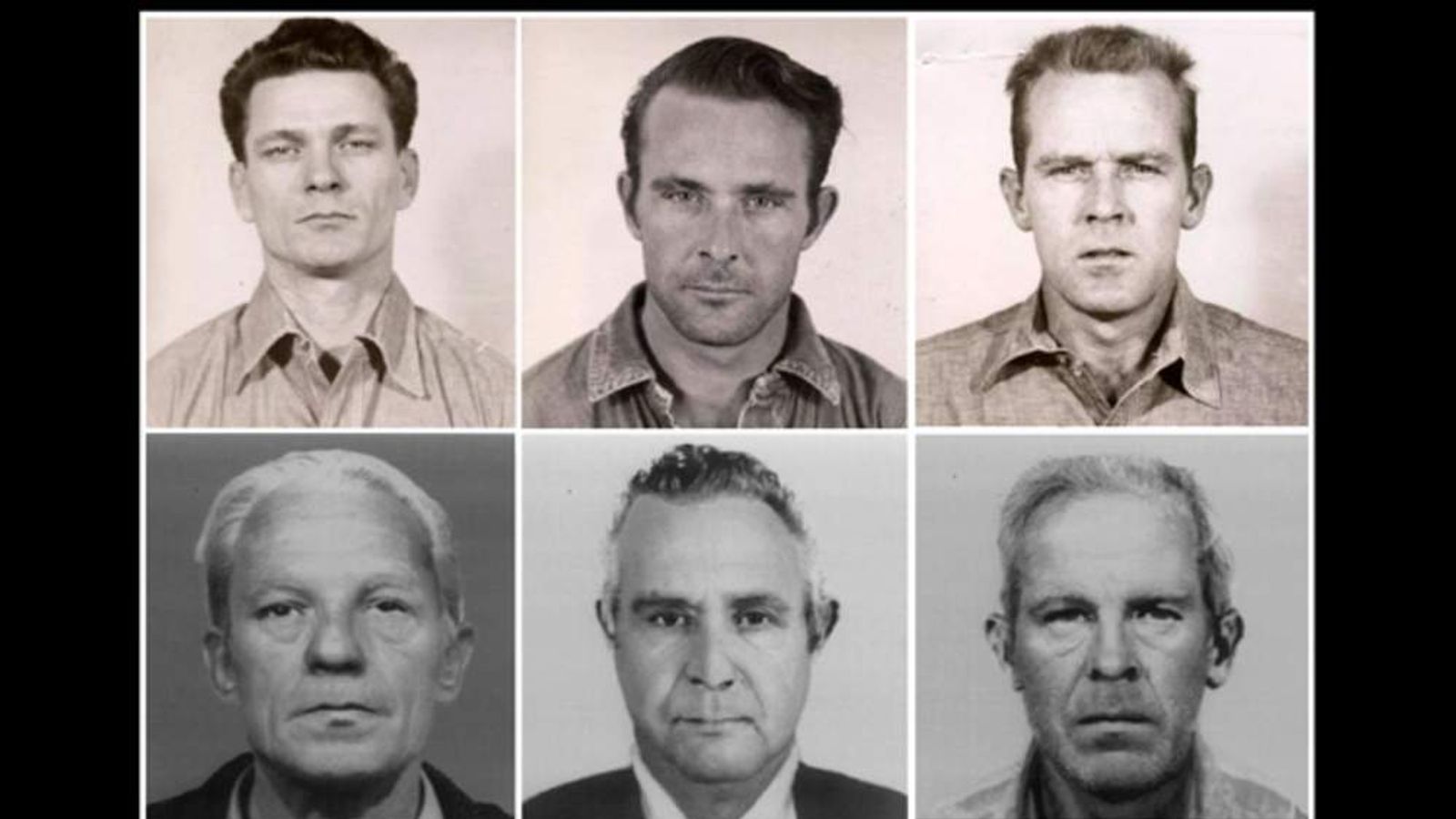
On the night of June 11, 1962, three inmates executed the only known successful prison break from the maximum-security federal penitentiary on Alcatraz Island. Inmates Frank Morris and brothers John and Clarence Anglin vanished into the cold waters of San Francisco Bay, leaving behind painted papier-mâché heads to deceive guards during the morning headcount. This daring plot triggered one of the largest manhunts in U.S. history, fundamentally altering the operational future of federal corrections and capturing public imagination for decades.
Historical Context and the Alcatraz Penitentiary Environment
Alcatraz Island, situated 1.25 miles off the coast of San Francisco, was designed to house America's most incorrigible and dangerous criminals. Opened as a federal maximum-security prison in 1934, the facility was engineered to prevent escapes through strict routines, heavy staffing, and natural geographical barriers. The frigid, unpredictable currents of San Francisco Bay, combined with relentless winds and hypothermic water temperatures, served as an effective psychological and physical deterrent against swimming to freedom.
By the early 1960s, however, the fortress was beginning to show signs of structural decay. Decades of salt-air exposure had eroded the concrete utility corridors and cellhouse walls, weakening the infrastructure. It was within this deteriorating environment that Frank Morris and the Anglin brothers formulated their plan. Alongside a fourth inmate, Allen West, the men spent months preparing for the breakout, turning a hostile prison environment into a meticulously engineered escape vehicle.
The Mechanics of the 1962 Prison Escape
The execution of the breakout relied on patience, ingenuity, and improvised tools crafted from everyday prison materials. Months before the attempt, the conspirators utilized discarded saw blades found around the prison workshops to widen the ventilation ducts located at the back of their cells. The soft concrete surrounding the utility vents, degraded by moisture and age, allowed the inmates to chisel away the masonry quietly during the daily "music hour" when background noise masked the sound.
To avoid immediate detection during nightly checks, the inmates constructed remarkably convincing dummy heads. Using a mixture of soap, toothpaste, concrete dust, and real human hair collected from the prison barber shop, they sculpted likenesses of their own faces and fitted them with paint. On the night of June 11, 1962, they placed these figures in their bunks, crawled through the widened wall vents into the unguarded utility corridor, and climbed to the roof of the cellhouse.
| Inmate | Role in Plot | Status After Escape |
|---|---|---|
| Frank Morris | Mastermind and organizer | Presumed drowned; remains unconfirmed |
| John Anglin | Co-conspirator and tunnel worker | Presumed drowned; remains unconfirmed |
| Clarence Anglin | Co-conspirator and tunnel worker | Presumed drowned; remains unconfirmed |
| Allen West | Cell excavation assistant | Left behind; failed to remove vent in time |
From the roof, the trio descended to the ground and made their way to the shoreline of the island. They deployed a makeshift raft constructed from over 50 rubber raincoats stolen and stitched together over many months, utilizing a modified musical instrument as a pump to inflate the pontoons. Allen West was left behind in his cell because he could not dislodge his vent cover in time, a delay that ultimately prevented him from joining the launch.
The FBI Investigation and Search Operations
The following morning, the discovery of the papier-mâché heads initiated a massive law enforcement response led by the Federal Bureau of Investigation (FBI), alongside the U.S. Coast Guard and local police departments. Search teams scoured the bay, surrounding shorelines, and regional transit hubs for any sign of the fugitives. Investigators recovered a paddle, personal effects, and remnants of the raincoat raft floating in the waters north of Golden Gate Bridge, but no bodies were ever recovered.
The official FBI investigation concluded that the men drowned in the turbulent, ice-cold waters of the bay shortly after launching their raft. The combination of hypothermia, strong tidal currents, and an unseaworthy vessel supported this hypothesis. However, the lack of physical remains left room for speculation. Over the years, numerous tips, alleged sightings, and purported deathbed confessions have surfaced, keeping the mystery alive among amateur sleuths and federal investigators alike.
| Investigation Milestone | Date | Key Finding or Outcome |
|---|---|---|
| Initial Discovery | June 12, 1962 | Guards discover dummy heads during morning count |
| Raft Recovery | June 14, 1962 | Coast Guard finds raincoat fragments near Alcatraz |
| FBI Case Closure | December 31, 1979 | Bureau concludes inmates drowned; case handed to U.S. Marshals |
| Modern Review | Ongoing | U.S. Marshals maintain active arrest warrants for cold-case tracking |
Theories, Sightings, and Modern Forensic Analysis
Despite the official stance of the FBI, several theories suggest that Morris and the Anglins survived the crossing and built new lives under assumed identities. In the decades following the break, family members of the Anglin brothers reported receiving cryptic holiday cards with no return address, though handwriting analysts could never definitively authenticate them. Other accounts placed the men in South America, specifically Brazil, during the late 1960s and 1970s.
Law enforcement agencies, including the U.S. Marshals Service, have periodically revisited the case using modern forensic technology. In 2003, the television program MythBusters tested the feasibility of the escape by building a replica raincoat raft and attempting the crossing under similar weather and tidal conditions; their experiment demonstrated that surviving the journey to the Marin Headlands was technically possible. Later forensic facial-aging techniques applied to photographs of the Anglin brothers suggested what they might have looked like decades later, fueling ongoing public interest and occasional investigative leads.
Impact on Federal Corrections and the Closure of Alcatraz
The embarrassment of the 1962 prison escape accelerated the decision by the federal government to close the Alcatraz penitentiary permanently. Attorney General Robert F. Kennedy had already been examining the high operational costs of maintaining an isolated island prison, where all food, water, and supplies had to be shipped in daily. The security breach provided undeniable evidence that the facility was no longer cost-effective or secure enough to justify its continued operation.
On March 21, 1963, less than a year after the famous breakout, Alcatraz Federal Penitentiary officially closed its doors, and the remaining inmates were transferred to other federal facilities across the United States. Today, the former prison operates as a major tourist attraction managed by the National Park Service as part of the Golden Gate National Recreation Area, drawing millions of visitors annually who come to examine the enduring mystery of the 1962 escape.
Frequently Asked Questions
Did the men who escaped Alcatraz in 1962 survive?
Official federal investigations concluded that Frank Morris and John and Clarence Anglin drowned in San Francisco Bay. Because their bodies were never recovered, no definitive physical proof of death has ever been established, leaving the question open to ongoing debate and investigation.
How did the inmates manage to break out of their cells?
The inmates used discarded saw blades to slowly widen the utility ventilation ducts located at the back of their cells over several months. They timed their work to coincide with the daily prison music hour to mask the noise of chipping away at the aged, moisture-softened concrete.
What happened to Allen West, the fourth conspirator?
Allen West failed to escape because he was unable to remove his cell's metal vent cover in time to join the others before they launched the raft. He later cooperated fully with investigators, providing critical details about the construction of the dummy heads and the raincoat raft.
Is Alcatraz still operational as a prison today?
No, the federal penitentiary on Alcatraz Island was closed permanently on March 21, 1963, largely due to high operating costs and the security vulnerabilities exposed by the 1962 escape. The site is now preserved as a historic landmark and museum open to the public.
Who currently holds jurisdiction over the 1962 escape case?
The Federal Bureau of Investigation officially closed its active investigation in 1979 and transferred the responsibility to the U.S. Marshals Service. The Marshals maintain active arrest warrants for Frank Morris and the Anglin brothers as part of their cold-case fugitive investigations.
Practical Next Actions for History and True Crime Researchers
For individuals interested in examining the primary source records of the 1962 breakout, official investigative documents are publicly accessible through the National Archives and Records Administration (NARA) and the FBI's online Freedom of Information Act (FOIA) reading room. Researchers should cross-reference federal investigation files with contemporary Coast Guard logs to verify tidal conditions and search radiograms. When visiting the historical site in San Francisco, consult the National Park Service interpretive guides for verified structural diagrams of the cellhouse and utility corridors.