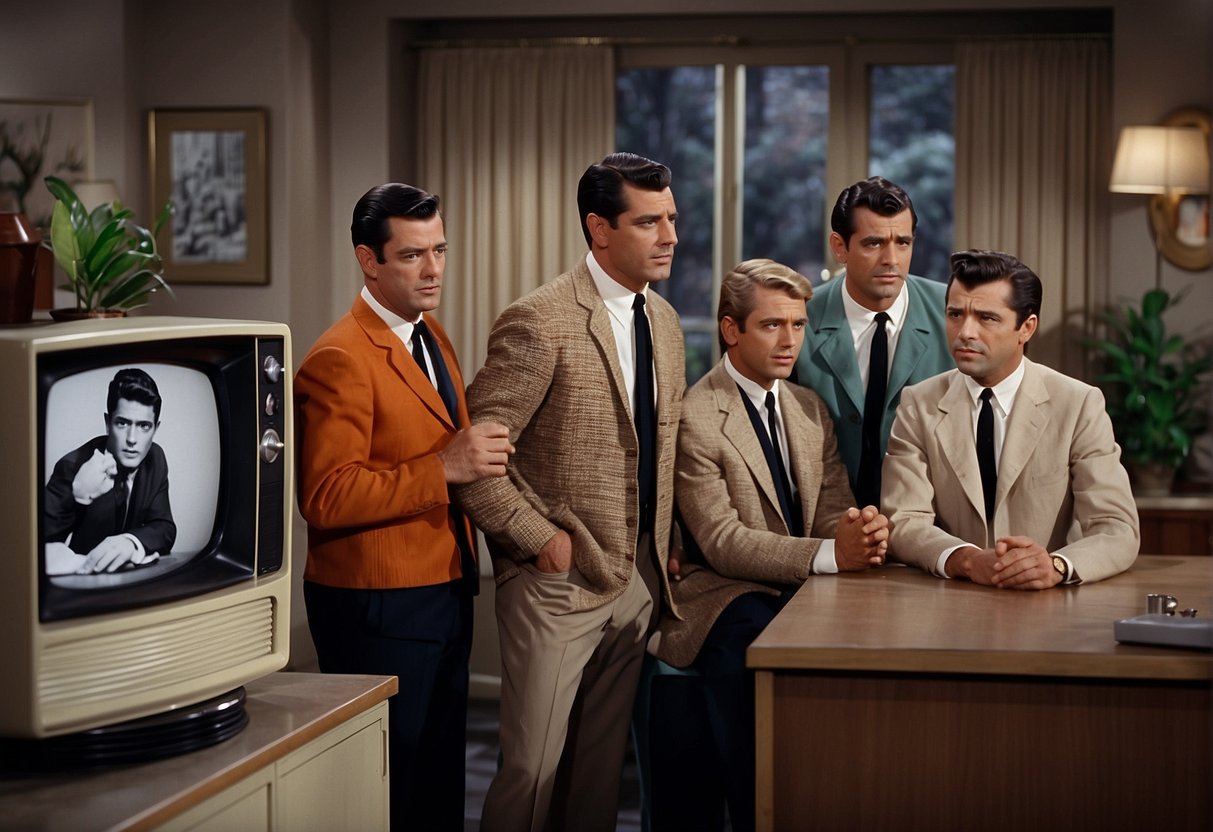
1960s television was a transformative medium that captured the civil rights movement, space exploration, and evolving social mores while transitioning from black-and-white broadcasting to vibrant color. This era established the television set as the dominant cultural hearth of the modern household, laying the technical and narrative foundations for modern media.
The Technological Evolution: From Black-and-White to Color
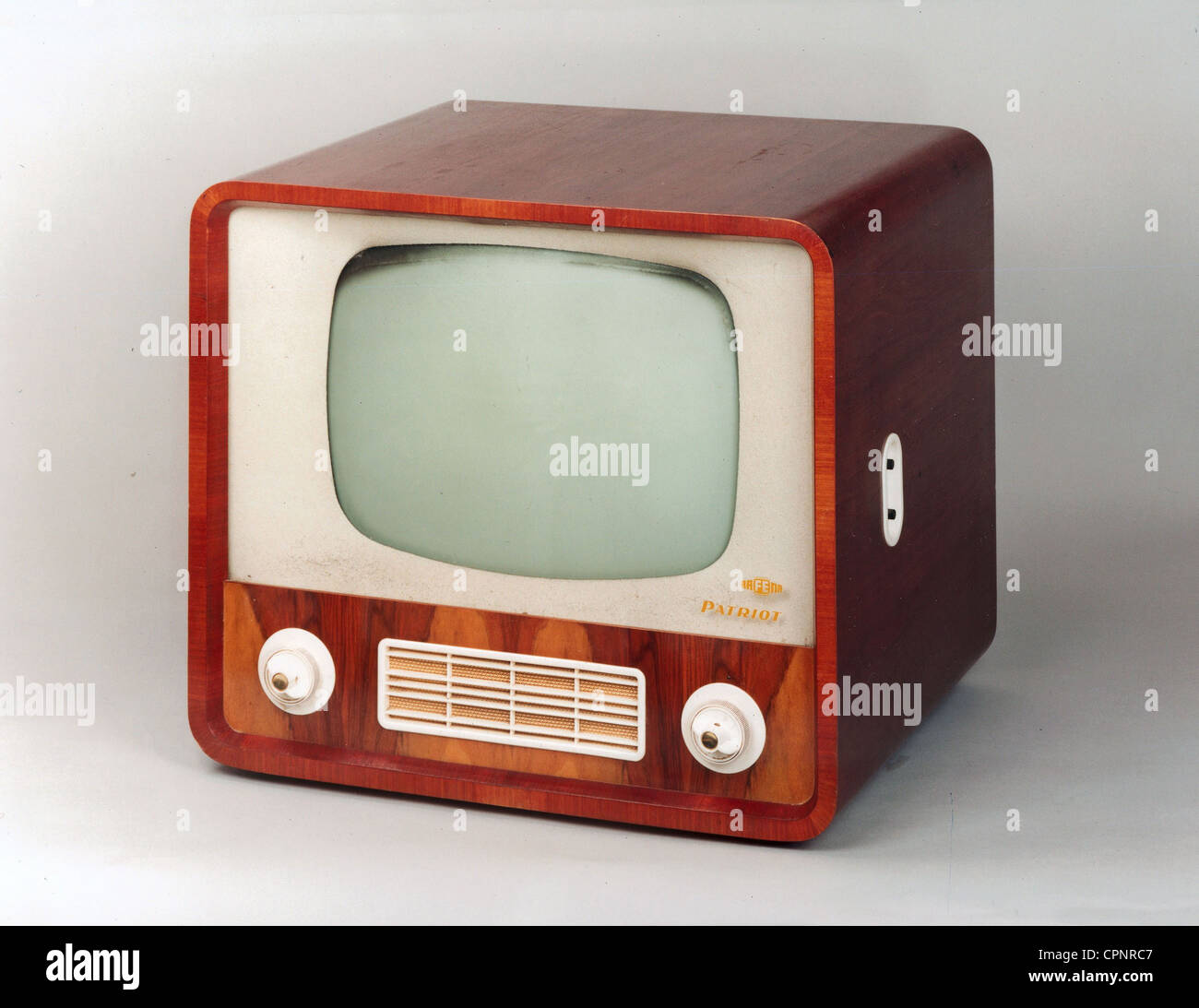
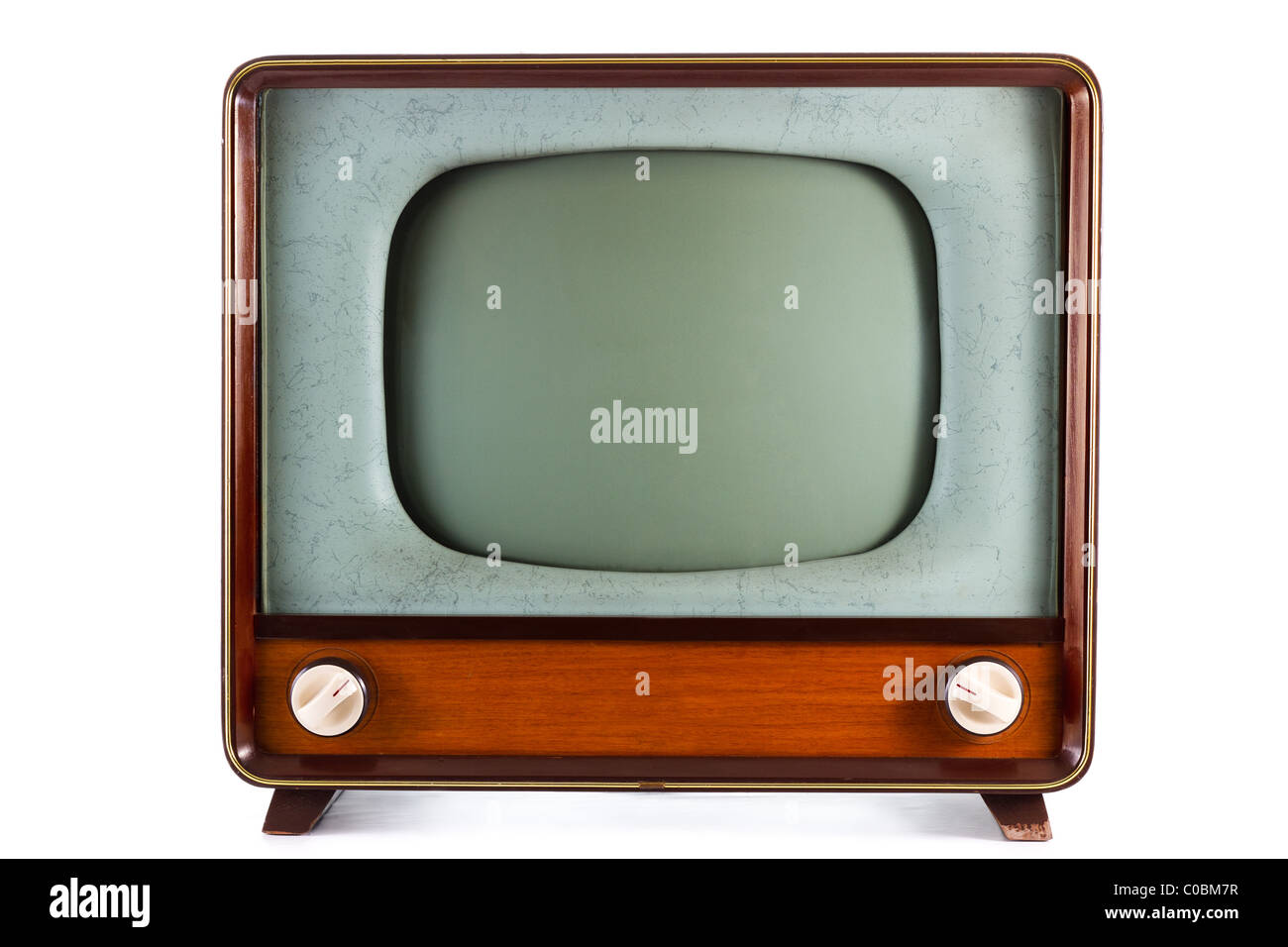
The technological landscape of 1960s television underwent a massive paradigm shift, moving the household experience from monochromatic shades of gray to a vivid spectrum of color. At the start of the decade, the vast majority of American and international households relied on black-and-white cathode-ray tube (CRT) receivers. These early sets required warm-up times, manual fine-tuning for UHF and VHF frequencies, and bulky wooden cabinetry that anchored the living room furniture arrangement.
Color broadcasting, established by the FCC's adoption of the NTSC standard in 1953, finally achieved market saturation during the latter half of the 1960s. Network executives recognized that viewers gravitated toward vibrant programming, prompting a rapid conversion of production studios and home living rooms. By 1965, NBC—owned by parent company RCA, which manufactured color television sets—branded itself as "The Full Color Network," forcing CBS and ABC to accelerate their own color infrastructure investments.
Technically, color receivers were complex mechanical and electronic marvels. They utilized shadow mask picture tubes that fired three distinct electron beams—red, green, and blue—onto a phosphor-dotted screen. These sets were significantly heavier, more expensive, and prone to convergence drift than their monochrome predecessors, requiring specialized technician service calls to adjust color purity. Despite these hurdles, by the end of the decade, color set sales surpassed black-and-white models, permanently altering visual storytelling aesthetics, advertising strategies, and audience expectations.
Programming Genres and Cultural Shifts
Programming during the 1960s reflected a society in rapid transition, balancing escapist entertainment with urgent real-world journalism. Network schedules were meticulously crafted to capture mass audiences during prime time, dividing content into distinct genres that mirrored changing American values.
The early part of the decade was heavily influenced by traditional sitcoms, rustic comedies, and Westerns. However, as the turbulent counterculture, anti-war movements, and civil rights struggles unfolded, television content began to diversify. Spy thrillers and science fiction captured Cold War anxieties and futuristic optimism, while sketch comedy and variety shows pushed boundaries through satire and diverse musical acts.
| Genre | Representative Shows | Defining Characteristics |
|---|---|---|
| Situation Comedy | The Andy Griffith Show, Bewitched, Get Smart | Domestic escapism blended with gentle satire or fantasy elements. |
| Science Fiction / Fantasy | Star Trek, The Twilight Zone, The Outer Limits | Moral allegories exploring Cold War fears, technology, and human nature. |
| Westerns | Bonanza, Gunsmoke, The Big Valley | Expansive landscape dramas emphasizing traditional morality and frontier justice. |
| Variety & Talk | The Ed Sullivan Show, The Tonight Show | Live or multi-camera formats uniting music, comedy, and cultural milestones. |
Scriptwriters increasingly used allegory to address controversial subjects without alienating network censors or conservative sponsors. Science fiction series explored racial integration, xenophobia, and militarism through the lens of distant galaxies, while evening news broadcasts brought the realities of the Vietnam War and urban unrest directly into American living rooms for the first time.
Iconic Broadcasts That Defined a Decade
Certain television events in the 1960s transcended mere entertainment to become shared global experiences, cementing the medium's power as a unifying social force. These landmark broadcasts captured history as it happened, altering how citizens perceived national tragedies and triumphs.
The assassination of President John F. Kennedy in November 1963 marked a watershed moment for broadcast journalism. For four consecutive days, commercial television suspended all regular programming and advertisements to provide continuous, live coverage of the motorcade aftermath, the funeral procession, and the shooting of Lee Harvey Oswald by Jack Ruby. Millions of viewers sat glued to their screens, experiencing collective grief and confirming television's supremacy over print media as the primary source of breaking news.
Conversely, the decade concluded with one of humanity's greatest technological triumphs: the Apollo 11 moon landing in July 1969. Estimated at over 600 million viewers worldwide, the broadcast of Neil Armstrong stepping onto the lunar surface demonstrated the breathtaking global reach of satellite relay systems. These pivotal moments proved that 1960s television was no longer just an appliance for evening amusement, but an active window into history.
The Economics of Mass Media and Advertising
The financial engine driving 1960s television was network advertising, which transformed consumer habits and brand identities on an unprecedented scale. Television networks operated as oligopolies—primarily CBS, NBC, and ABC—commanding massive viewer shares that allowed them to dictate high ad rates to major corporate sponsors.
During this era, single-sponsor programs gradually gave way to the participating sponsorship model, where multiple advertisers purchased 30-second or 60-second spots within a single program. This shift reduced the financial risk for individual companies while increasing network revenues. Commercials became sophisticated mini-films, utilizing catchy jingles, vibrant color cinematography, and psychological marketing techniques targeted directly at the emerging baby boomer demographic and suburban homemakers.
The financial stakes also influenced programming decisions. Because ratings determined advertising revenue, networks relied heavily on audience measurement tools like the Nielsen ratings system. A show's survival depended entirely on capturing a high percentage of households during prime-time slots, leading to intense competition and occasional swift cancellations of critically acclaimed but low-rated series.
Preservation, Restoration, and Collecting Vintage Sets
For modern historians, media scholars, and vintage enthusiasts, engaging with 1960s television presents unique technical and archival challenges. Much of the original broadcast material from this era was lost due to standard industry practices, high costs, and physical degradation.
Networks routinely recycled expensive two-inch quadruplex videotapes or stored kinescopes—filming a monitor directly with a motion picture camera—imperfectly. Consequently, numerous episodes of live variety shows, daytime serials, and early broadcasts exist today only as fragmentary archival finds or degraded private recordings. Dedicated preservation organizations and studio archives work continuously to digitize, clean, and restore surviving reels to maintain broadcast history fidelity.
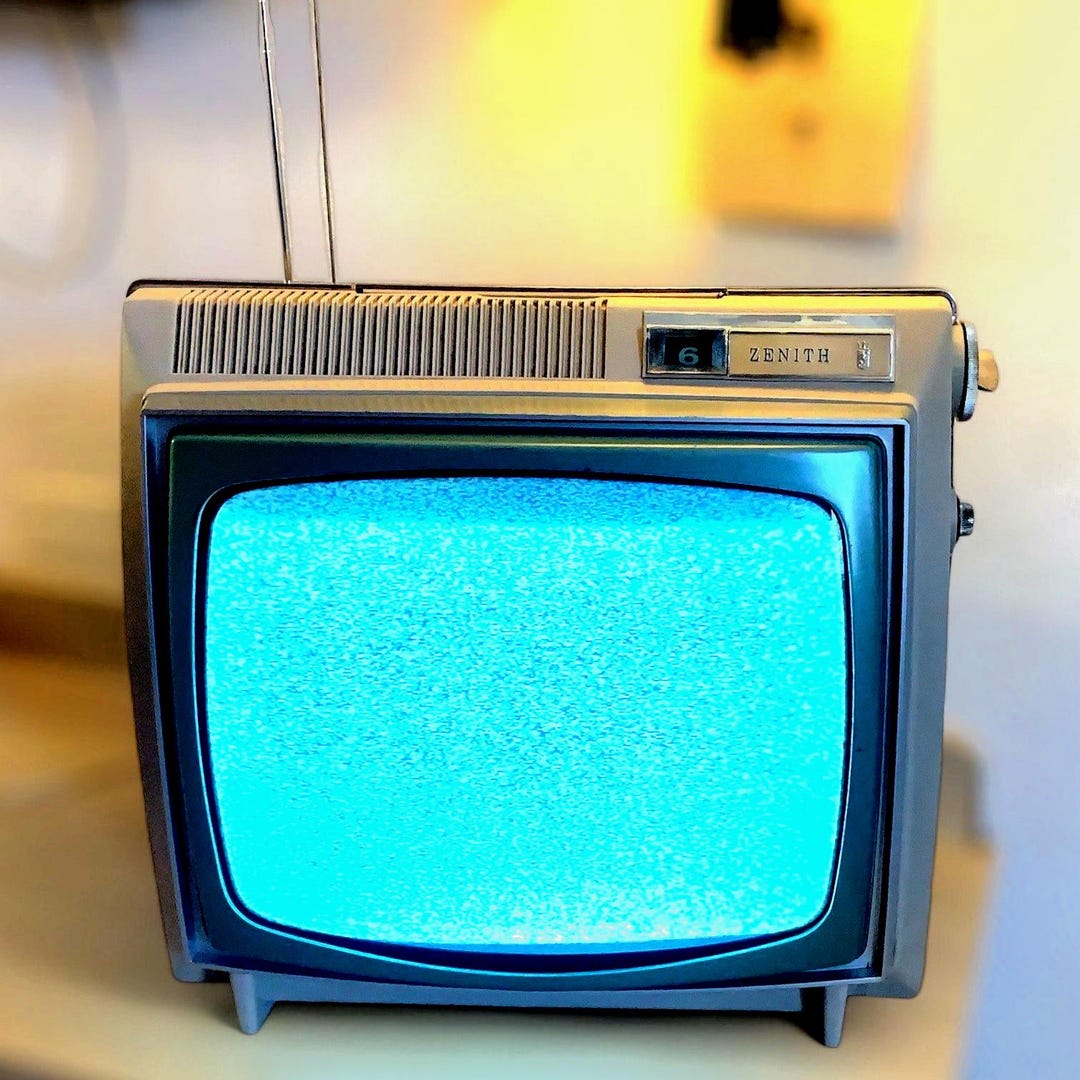
For collectors of vintage hardware, restoring a 1960s television set requires specialized technical knowledge and safety precautions. Unlike modern solid-state electronics, vintage tube-driven televisions utilize high-voltage components, including cathode-ray tubes that can retain dangerous electrical charges long after the unit has been unplugged. Enthusiasts must source rare replacement vacuum tubes, rebuild deteriorating power supplies, and often utilize external radio frequency converters to adapt modern digital signals for analog VHF/UHF tuners. Preserving these physical artifacts ensures that the tangible experience of tuning into mid-century broadcasting remains accessible.
Frequently Asked Questions About 1960s Television
How did the transition from black-and-white to color television happen in the 1960s?
The transition occurred gradually throughout the decade, driven by NBC's aggressive color programming schedule in the mid-1960s and a steady drop in color receiver prices. By the end of the decade, color set sales outpaced black-and-white units, prompting all major networks to broadcast their entire prime-time lineups in full color.
What were the most popular television genres of the 1960s?
The most popular genres included situation comedies, westerns, variety shows, and science fiction. While early-decade schedules favored rustic comedies and traditional law-and-order dramas, the latter half of the decade embraced spy adventures, space exploration, and socially conscious allegory.
How did 1960s television cover major historical events?
Networks deployed live mobile units and preempted normal commercial programming to cover breaking news events continuously. The assassination of John F. Kennedy and the Apollo 11 moon landing demonstrated the medium's capacity for uninterrupted, real-time global journalism.
Why are many television shows from the 1960s considered lost or rare?
Many early broadcasts were transmitted live or recorded on expensive magnetic tape that networks routinely erased and reused to save money. Additionally, poor physical storage conditions caused chemical degradation in surviving kinescope film stock, resulting in incomplete archives for several programs.
Can vintage 1960s television sets receive modern broadcast signals?
Vintage sets cannot receive modern digital broadcast signals without external hardware. Collectors must use a digital-to-analog converter box coupled with an RF modulator to translate contemporary digital transmissions into the analog frequencies that 1960s television tuners can display.
Curating and Experiencing Mid-Century Broadcasting Today
To fully appreciate the cultural and technical legacy of 1960s television, enthusiasts should explore official studio digital archives, specialized physical media releases, and curated streaming collections dedicated to classic broadcasting. When researching or collecting material from this era, prioritize verified archival releases and documented historical sources to distinguish between authentic broadcast history and modern myth-making. Engaging with restored episodes and technical manuals offers an authentic window into the era that defined modern visual media.