The entertainment landscape of the 1960s underwent a profound cultural revolution, driven by the rapid expansion of television, a rebellious new wave of cinema, shifting musical paradigms, and the widespread adoption of transistor technology. This era redefined global media consumption by blending traditional mass-market appeal with countercultural experimentation, leaving a permanent imprint on modern popular culture.
The Television Revolution: Broadcast Media Enters the Living Room
Throughout the 1960s, television cemented its status as the dominant medium for domestic mass communication. The transition from black-and-white broadcasting to widespread color television changed the aesthetic requirements of production almost overnight. By the mid-to-late 1960s, networks like CBS, NBC, and ABC began broadcasting a significant portion of their prime-time lineups in color, driving consumer sales of color television sets and transforming visual storytelling.
Programming during this decade mirrored the shifting social anxieties and aspirations of the public. Situation comedies and variety shows captured massive family audiences, while landmark broadcasts captured history as it happened. The medium proved its unmatched power during national crises and cultural milestones, most notably the live coverage of the Apollo 11 moon landing in July 1969, which was watched by an estimated 650 million people worldwide. At the same time, the regulatory landscape shifted as the Federal Communications Commission (FCC) oversaw the expansion of UHF channels and debated the societal impact of broadcast content.
Cinematic Shifts: The Rise of the New Hollywood and Global Art House
Motion pictures in the 1960s experienced a tense and creatively fertile transition. The traditional studio system, bound by the rigid moral restrictions of the Production Code, began to fracture under the weight of changing social norms and financial pressures. The dismantling of the Hays Code paved the way for the Motion Picture Association of America (MPAA) rating system in 1968, which introduced age-based classifications and liberated filmmakers to explore mature themes, violence, and sexuality with unprecedented candor.
This regulatory evolution coincided with the emergence of the New Hollywood movement and the global influence of international art house cinema. Directors influenced by the French New Wave, Italian neorealism, and Japanese cinema challenged conventional narrative structures.
- The French New Wave Influence: Jump cuts, handheld camera work, and existential themes inspired American and European directors to break traditional editing rules.
- The Death of the Production Code: Landmark films like Bonnie and Clyde (1967) and Easy Rider (1969) directly challenged censorship boards and introduced anti-hero protagonists.
- Technological Innovations in Production: The adoption of lighter 35mm cameras and portable sound equipment allowed filmmakers to move out of soundstages and shoot on location easily.
The Musical Metamorphosis: From Pop Sensibility to Countercultural Anthems
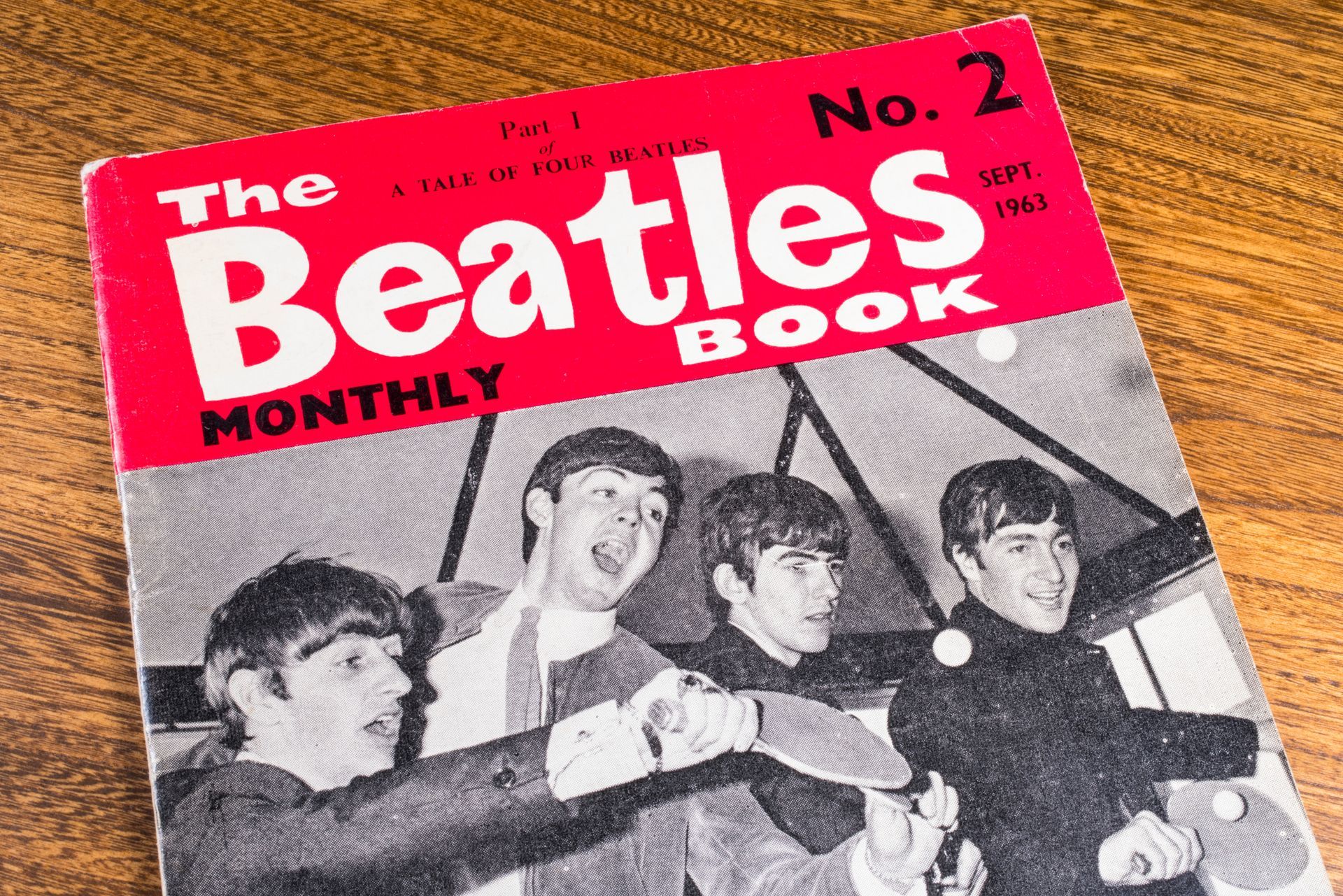
Music in the 1960s served as the soundtrack to a generation in revolt. The decade began with polished pop and surf rock dominating the charts, but it quickly evolved into a complex sonic landscape driven by the British Invasion, folk rock, and psychedelic experimentation. The Beatles transformed popular music from a commercial product for teenagers into high art, culminating in studio masterpieces like Sgt. Pepper's Lonely Hearts Club Band in 1967.
Live performance also evolved dramatically during this era, shifting from brief theater revues to massive open-air music festivals. The Monterey Pop Festival in 1967 and the Woodstock Music & Art Fair in 1969 defined the counterculture movement, establishing the modern blueprint for multi-day rock festivals. These gatherings were not merely concerts; they were sociopolitical statements characterized by communal living, anti-war sentiment, and a rejection of middle-class consumerism.
1960s Entertainment Mediums Compared
| Medium | Dominant Format/Technology | Key Cultural Shift | Iconic Milestone |
|---|---|---|---|
| Television | VHF/UHF broadcast; gradual color transition | Transition from rural/escapist comedy to topical relevance | 1969 Apollo 11 Moon Landing broadcast |
| Cinema | 35mm film; widescreen formats; portable cameras | Collapse of censorship and rise of the anti-hero | Introduction of the MPAA rating system in 1968 |
| Music | Vinyl LPs; 45 RPM singles; 4-track and 8-track tape | Shift from singles-driven pop to cohesive album art | Woodstock Music & Art Fair in 1969 |
| Radio | Transistor AM/FM receivers; portable car stereos | Personalization of media consumption for youth culture | Widespread adoption of portable transistor radios |
The Technological Catalyst: Transistors, Portability, and Mass Production
The rapid advancement of consumer electronics fundamentally altered how audiences interacted with entertainment in the 1960s. The invention of the transistor replaced bulky vacuum tubes, enabling the mass production of lightweight, affordable electronics. Portable transistor radios allowed teenagers to listen to rock and roll away from parental supervision, creating an independent youth culture with its own distinct purchasing power and social identity.
In the home, the reel-to-reel tape recorder and the introduction of the 8-track cartridge in the mid-1960s gave consumers unprecedented control over their audio consumption. For the first time, individuals could curate their own musical experiences in automobiles and living rooms without relying exclusively on scheduled radio broadcasts. These manufacturing breakthroughs democratized media access and laid the structural foundation for the portable entertainment ecosystems of the late 20th century.
Frequently Asked Questions About 1960s Entertainment
What major technological shift impacted television viewing in the 1960s?
The widespread transition from black-and-white broadcasting to color television was the most significant technological change of the decade. By the late 1960s, color programming became the industry standard for major networks, fundamentally altering set design, costuming, and visual direction for broadcast productions.
How did the 1960s change American cinema censorship?
The decade witnessed the collapse of the traditional Hays Production Code, which had strictly censored moral content in films since the 1930s. This culminated in the establishment of the MPAA film rating system in 1968, allowing filmmakers to address mature themes, violence, and social realism openly.
What role did music festivals play in the 1960s counterculture?
Large-scale music festivals such as Monterey Pop (1967) and Woodstock (1969) served as physical gathering spaces for the anti-war movement and the counterculture. They demonstrated the economic and social power of youth culture while serving as platforms for political expression and communal solidarity.
How did transistor technology affect entertainment consumption?
Transistor technology replaced bulky vacuum tubes, making electronics drastically smaller and more affordable. This led to the ubiquity of portable transistor radios, which enabled teenagers to consume music independently and accelerated the commercial success of pop and rock artists.
Why is the British Invasion considered a turning point in entertainment?
The British Invasion, led by bands like The Beatles and The Rolling Stones, reversed the traditional flow of cultural exports by dominating the American music charts. This movement introduced innovative songwriting structures, shaped fashion trends, and permanently globalized the popular music industry.
Navigating and Preserving 1960s Media Archives
Researchers, educators, and enthusiasts looking to study or preserve the entertainment artifacts of this decade must navigate a fragmented landscape of physical media and digital archives. Original master tapes, film reels, and broadcast recordings require specialized archival conditions to prevent chemical degradation, such as vinegar syndrome in early safety film stocks. When seeking authentic recordings or broadcast ephemera, prioritize institutional repositories, university special collections, and officially licensed digital restorations rather than unverified third-party conversions. Engaging with primary sources from this era provides an unvarnished look at the social frictions and artistic breakthroughs that continue to inform contemporary media production.