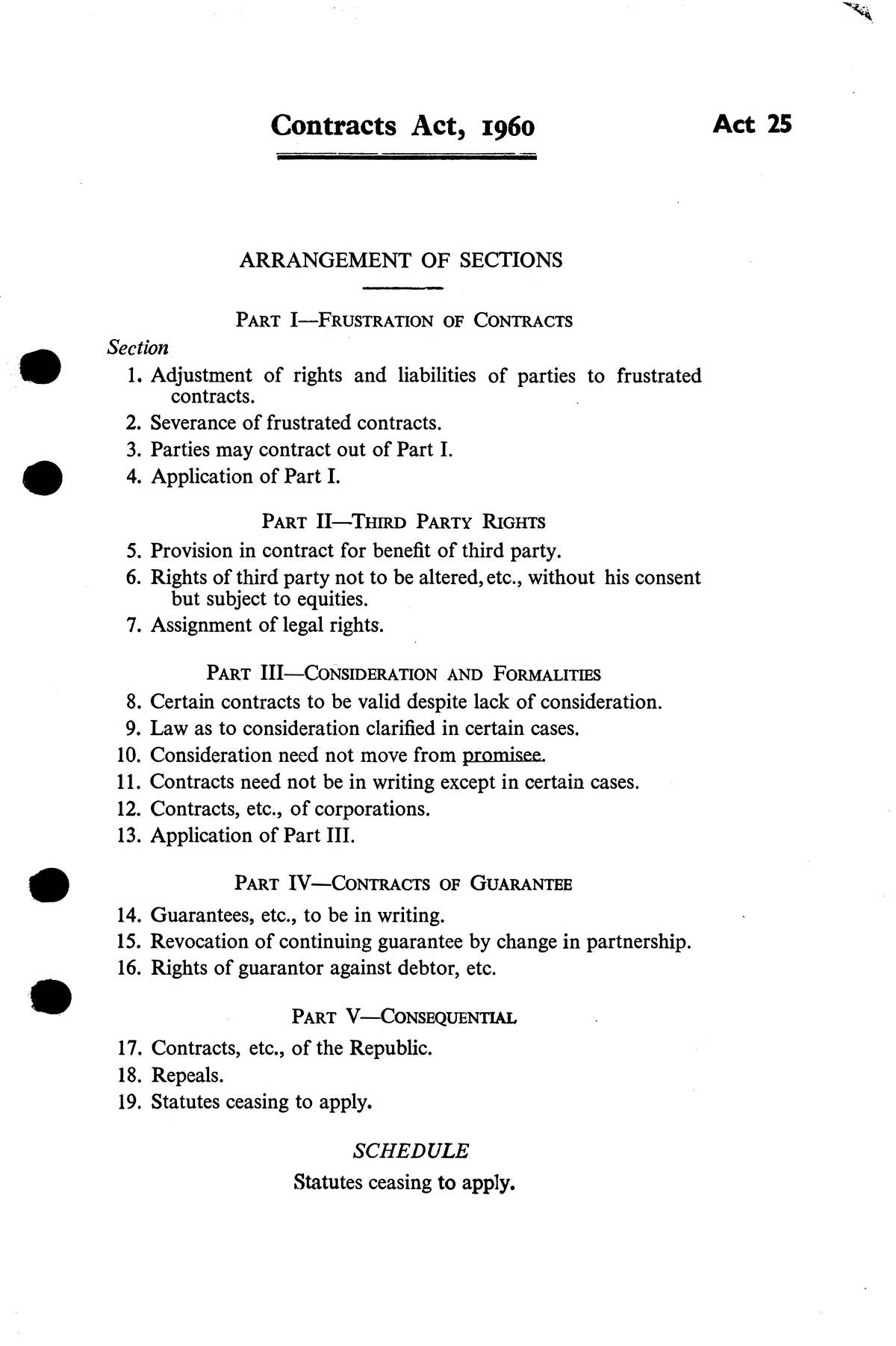
Contracts from the 1960s reflect a fascinating transitional era in commercial law, balancing traditional doctrines of freedom of contract with the rapid expansion of statutory consumer protection, labor standards, and standardized boilerplate agreements. During this decade, foundational shifts in corporate practice, international trade agreements, and domestic civil rights legislation directly reshaped how agreements were drafted, executed, and enforced across common law and civil law jurisdictions.
The Legal and Economic Landscape of 1960s Commercial Agreements
The decade of the 1960s was marked by unprecedented economic growth, corporate expansion, and an increasing reliance on formalized, written instruments to govern complex business relationships. As multinational corporations began to scale operations globally, legal practitioners faced the challenge of drafting cross-border agreements that could withstand differing judicial interpretations. Contracts during this period relied heavily on formalistic language, traditional common law consideration doctrines, and meticulously structured indemnity clauses.
At the same time, the legal environment began to absorb the early shockwaves of modern regulatory oversight. The rise of the modern administrative state meant that private agreements could no longer exist in a legal vacuum. Statutes governing securities, labor relations, and antitrust enforcement began to impose mandatory terms on private contracts, limiting the absolute scope of freedom of contract that had dominated late 19th- and early 20th-century jurisprudence.
Evolution of Standard-Form Contracts and Boilerplate Language
One of the defining structural developments of mid-century contracting was the proliferation of standard-form agreements, often referred to as contracts of adhesion. As mass consumer markets expanded and retail banking, insurance, and real estate industries modernized, businesses required uniform terms to manage high volumes of transactions efficiently.
This operational shift introduced significant power imbalances between commercial drafters and individual consumers or small businesses. In response, courts and legal scholars in the 1960s began developing early judicial doctrines to police unconscionability and unfair surprise. The drafting of Section 2-302 of the Uniform Commercial Code (UCC), which gained widespread adoption across United States jurisdictions during this decade, provided courts with the explicit statutory authority to refuse enforcement of unconscionable clauses in sales contracts.
- Standardization: Creation of uniform terms for high-volume consumer and commercial transactions.
- Power Imbalance: Marked disparity in bargaining power between institutional drafters and individual signatories.
- Judicial Intervention: Early application of unconscionability doctrines to protect vulnerable parties from oppressive terms.
- Statutory Integration: Incorporation of Uniform Commercial Code provisions into state-level commercial practice.
Labor and Employment Agreements in the 1960s
Employment contracts and collective bargaining agreements underwent profound transformations during the 1960s, driven largely by federal labor legislation, anti-discrimination mandates, and the rising power of industrial labor unions. Collective bargaining agreements became increasingly sophisticated documents, detailing complex grievance procedures, seniority rights, and structured wage adjustments.
Concurrently, individual executive compensation packages began to incorporate innovative structures such as stock options, deferred compensation, and non-compete clauses. However, the enforceability of restrictive covenants during this era was subject to intense judicial scrutiny, as courts weighed corporate protection of trade secrets against an individual's right to earn a livelihood. Furthermore, the passage of landmark legislation such as the Equal Pay Act of 1963 and Title VII of the Civil Rights Act of 1964 fundamentally altered the baseline legal requirements for employment agreements, invalidating discriminatory clauses and setting mandatory federal employment standards.
Comparative Overview of 1960s Contract Categories
| Contract Type | Primary Purpose | Key Legal Challenges | Governing Influence |
|---|---|---|---|
| Commercial Sales | Regulating the transfer of goods between merchants and buyers. | Ambiguity in warranties, risk of loss, and delivery terms. | Uniform Commercial Code (UCC) Article 2 |
| Labor & Collective Bargaining | Establishing wages, hours, and workplace conditions for unionized workers. | Enforceability of strikes, grievance arbitration, and management rights. | National Labor Relations Act (NLRA) & Federal Labor Law |
| Real Estate Conveyances | Governing the transfer and leasehold of residential and commercial property. | Strict adherence to property form requirements and title defects. | Real Property Law & State Common Law |
| Corporate Mergers & Acquisitions | Structuring the consolidation or acquisition of corporate entities. | Complex indemnification, tax implications, and antitrust compliance. | Antitrust Statutes & Corporate Code |
Real Estate and Consumer Credit Transactions
Real estate contracts and consumer lending agreements in the 1960s reflected a pre-digital era characterized by manual underwriting, physical title searches, and rigid mortgage structures. Residential real estate contracts typically utilized standard boilerplates provided by local real estate boards, emphasizing clear title, physical inspection contingencies, and traditional mortgage financing clauses.
In consumer credit, the lack of comprehensive federal disclosure requirements prior to the late 1960s meant that finance charges and annual percentage rates were often obscurely stated within complex promissory notes and installment contracts. This opacity prompted legislative reform, culminating in the passage of the Truth in Lending Act (TILA) in 1968. TILA required lenders to provide clear, standardized disclosures of credit terms, marking a decisive shift toward transparency and consumer protection in contractual lending practices.
Boilerplate Clauses and Risk Allocation Mechanics
Drafting practices in 1960s commercial contracts placed heavy emphasis on risk allocation through meticulously crafted boilerplate clauses. Practitioners utilized exhaustive definitions and rigid structural rules to insulate clients from unforeseen liabilities.
- Force Majeure: Often narrowly construed to cover traditional acts of God, strikes, or governmental actions, lacking the expansive pandemic or cyber-disruption language found in modern equivalents.
- Limitation of Liability: Frequently drafted to cap damages at the total value of fees paid under the specific agreement, though subject to judicial pushback regarding gross negligence.
- Merger and Integration Clauses: Strictly enforced by courts to bar parol evidence, ensuring that the written document remained the sole repository of the agreement between sophisticated parties.
- Jurisdiction and Choice of Law: Utilized increasingly in international trade agreements to establish predictable dispute resolution mechanisms across disparate legal systems.
Frequently Asked Questions
What role did the Uniform Commercial Code play in 1960s contracts?
The Uniform Commercial Code, adopted by nearly all U.S. states during the 1960s, modernized commercial law by creating standardized rules for sales of goods, commercial paper, and secured transactions. It reduced archaic formalities and introduced doctrines like unconscionability to protect parties from unfair contract terms.
How were employment agreements structured during the 1960s?
Employment agreements varied significantly between unionized workers and corporate executives. Collective bargaining agreements governed industrial labor with strict seniority and grievance frameworks, while executive contracts began introducing complex compensation structures like stock options alongside traditional restrictive covenants.
Were consumer contracts regulated differently in the 1960s?
Yes, consumer contracts prior to the late 1960s lacked many modern statutory protections. The passage of landmark legislation such as the Truth in Lending Act of 1968 fundamentally changed this by mandating standardized disclosures for credit terms and finance charges.
How did courts handle ambiguous contract terms in the 1960s?
Courts relied heavily on the traditional four-corners rule and the parol evidence rule, strictly limiting the introduction of outside evidence to interpret written agreements unless an ambiguity was evident on the face of the document.
What was the legal status of standard-form boilerplate in the 1960s?
Standard-form contracts were widely used to drive commercial efficiency, but the decade saw the emergence of judicial skepticism regarding take-it-or-leave-it terms, paving the way for modern doctrines protecting consumers from hidden, oppressive clauses.
Archival Verification and Historical Compliance
When examining historical contracts from the 1960s for research, legal auditing, or genealogical property tracing, practitioners must verify the applicable state statutes and common law doctrines in effect at the exact date of execution. Because commercial jurisprudence evolved rapidly throughout the decade—particularly with the nationwide rollout of the UCC and new federal civil rights mandates—assumptions based on modern contract law can lead to inaccurate legal interpretations. Reviewing original contemporaneous treatises, state reporter volumes, and legislative histories provides the most reliable foundation for analyzing mid-century legal instruments.