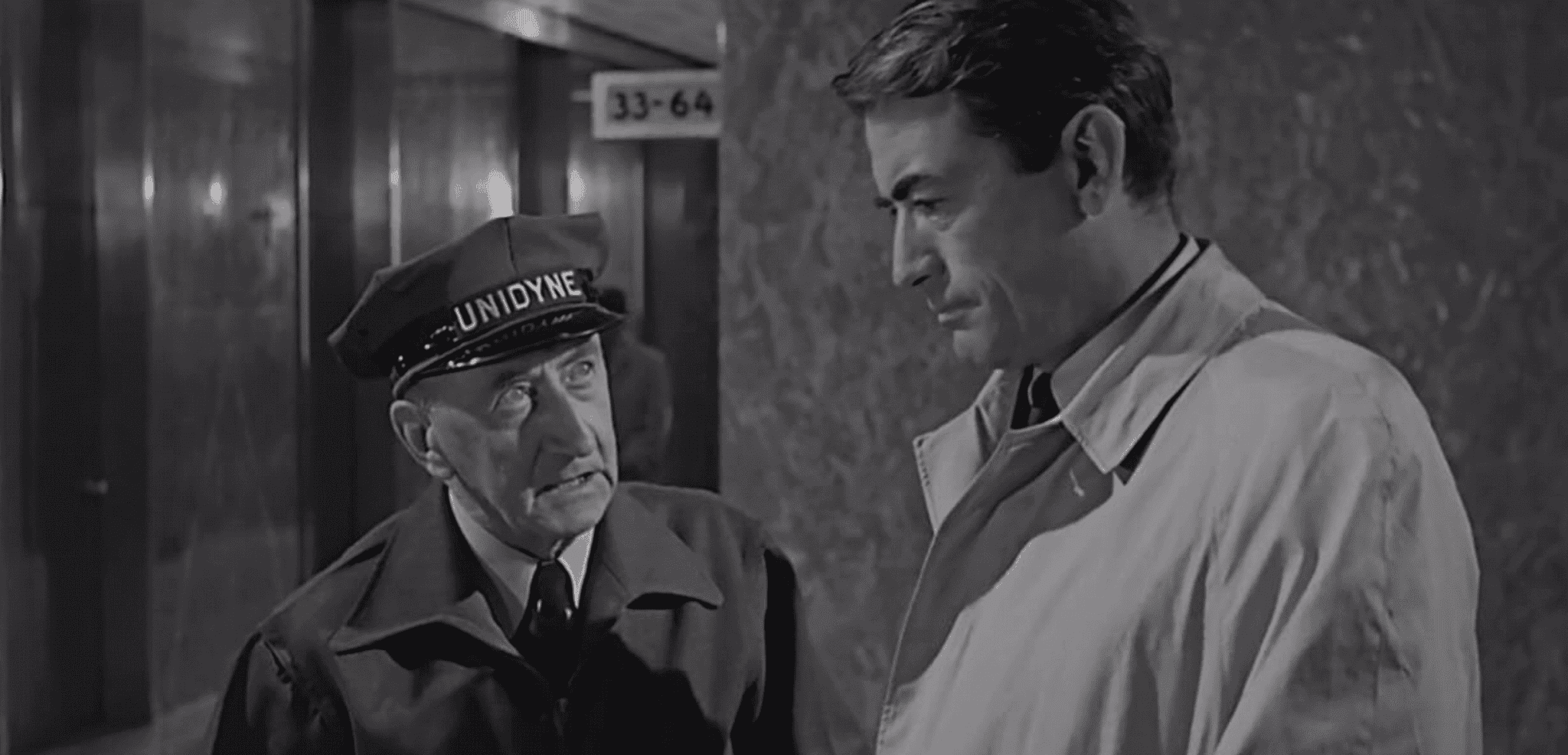
The year 1960 marked a pivotal turning point in film production, bridging the gap between classical studio system era mechanics and the emergence of independent, gritty, and technically liberated filmmaking. During this era, directors and technicians began utilizing faster lenses, portable magnetic sound recorders, and mobile cameras that dismantled rigid Hollywood conventions. This shift allowed productions to move out of soundstages and into real-world locations, fundamentally altering the visual language and economic structure of the global motion picture industry.
The Decline of the Studio System and the Rise of Independence
The structural foundation of 1960 film production was undergoing profound fractures. For decades, major Hollywood studios such as Metro-Goldwyn-Mayer, Warner Bros., and Paramount maintained absolute vertical integration, controlling production, distribution, and exhibition through owned theater chains. The United States v. Paramount Pictures, Inc. antitrust ruling of 1948 had forced studios to divest their theater holdings, and by 1960, the economic consequences of this decree were fully realized. Studios could no longer rely on guaranteed block booking to sustain overhead costs for massive, permanent talent stables.
As studio backlots shrank in profitability, independent production companies gained unprecedented traction. Producers and directors formed individual corporations for single-picture deals, securing financing through banks and independent distributors rather than relying on weekly studio payrolls. This decentralization gave filmmakers greater creative autonomy, though it also introduced higher financial volatility. Independent productions had to negotiate individual union contracts, secure location permits independently, and construct makeshift post-production workflows outside the traditional studio hub in Culver City and Burbank.
Technological Innovations in Cameras and Lenses
Technological advancements in 1960 film production directly enabled the stylistic realism that defined the decade. The heavy, blimped Mitchell camera, which had dominated soundstages for thirty years, began sharing space with lighter, more maneuverable equipment. Cameras like the Arriflex 35 and the Eclair Cameflex allowed operators to lift the camera off the tripod, placing it on the shoulder or mounting it in cramped vehicles. These reflex viewing systems provided an exact through-the-lens image, eliminating parallax errors and allowing precise focus pulling during fluid, unscripted movements.
Simultaneously, lens manufacturing experienced a quiet revolution. High-speed prime lenses with wider maximum apertures, such as f/2 and f/1.4, enabled cinematographers to shoot in available interior light without relying on massive banks of incandescent studio lamps. While the bulky Technicolor three-strip cameras had been entirely phased out by this point in favor of Eastmancolor and monopack color stocks, black-and-white cinematography remained the preferred aesthetic choice for gritty, low-budget realism. The combination of faster film emulsions—such as Kodak Plus-X and Tri-X—and lighter camera bodies meant that a small crew could capture usable footage in dimly lit bars, city streets, and cramped apartments.
Sound Recording Evolution: Sync Sound Goes Mobile
One of the most restrictive elements of 1960 film production was the recording of synchronous dialogue. Throughout the 1930s, 1940s, and 1950s, audio capture required stationary optical recording systems or heavy magnetic film recorders tethered to the camera by physical interlock cables. This tethering restricted camera movement and made location shooting an elaborate, noisy logistical challenge. By 1960, the introduction of portable quarter-inch magnetic tape recorders, most notably the Nagra III developed by Stefan Kudelski, began to liberate audio engineering.
| Equipment Type | Classical Hollywood Era (Pre-1950) | 1960 Transition Era |
|---|---|---|
| Primary Camera | Blimped Mitchell Standard/BNC | Arriflex 35, Eclair Cameflex, Mitchell |
| Sound Recording | Optical/Mag film tethered to camera | Portable Nagra III (crystal sync developed shortly after) |
| Lighting Style | Heavy incandescent arcs and inkies | Available light, lightweight quartz, and arcs |
| Stock Preference | Slow orthochromatic/panchromatic | High-speed Eastmancolor and modern B&W stocks |
| Production Base | Controlled studio backlots and stages | Real-world urban locations and rural sites |
Although crystal-sync technology—which completely severed the physical or electronic cable between camera and sound recorder—was finalized in the early 1960s, the precursors implemented at the start of the decade allowed documentarians and narrative filmmakers to experiment with dual-system sound. Boom operators could track dialogue in tighter spaces, and sound mixers could monitor audio fidelity with unprecedented clarity on location, paving the way for the direct cinema and cinéma vérité movements.
Economic Realities and Budgetary Structures
Financing a feature film in 1960 required navigating a shifting marketplace where television was actively siphoning away regular theater-going audiences. To combat declining ticket sales, studios focused on roadshow theatrical releases, spectacular historical epics filmed in wide-screen formats like Todd-AO and Ultra Panavision 70, and low-budget genre exploitation films designed to capture teenage demographics.
For standard independent productions, budgets were tightly constrained, forcing producers to adopt rigorous cost-saving measures:
- Location Shooting: Utilizing real streets, factories, and domestic interiors instead of expensive set construction minimized carpentry and scenic design expenses.
- Non-Union and Semi-Professional Crews: Lower-tier productions frequently employed smaller, versatile crew members who handled multiple departments (e.g., camera operating and lighting setup simultaneously).
- Deferred Compensation: Key talent, directors, and lead actors often accepted lower upfront salaries in exchange for percentage points of the film's gross or net profits, shifting financial risk away from the primary financiers.
- Shorter Principal Photography Schedules: Independent films were frequently shot in 20 to 30 days, requiring meticulous pre-planning and longer daily shooting hours to maintain momentum.
These economic constraints demanded meticulous adherence to shooting scripts and strict insurance protocols, as a single day of production delays could bankrupt an independent LLC.
Aesthetics and Directorial Methodology
The convergence of mobile technology and independent financing directly shaped the visual and narrative style of 1960 films. Directors were no longer bound to the classical Hollywood style of invisible editing, balanced framing, and orthodox three-point lighting. Instead, European art-house movements and American underground cinema began injecting a sense of authorial presence into the frame. Handheld camerawork ceased to be viewed merely as a technical mistake or a sign of poor planning; it became a deliberate stylistic choice that communicated immediacy, subjectivity, and documentary-like truth.
Editing suites also experienced an evolution. Editors worked with magnetic film workprints, utilizing Guillotine tape splicers for quick, clean cuts that bypassed the slower chemical cement splicing methods. The rhythm of editing accelerated, influenced by French New Wave techniques such as the jump cut, which violated traditional notions of spatial and temporal continuity. This aesthetic freedom allowed 1960 productions to explore complex psychological states, social alienation, and moral ambiguity, permanently shifting the boundary between commercial entertainment and high art.
How did the shift from studio backlots to real locations impact 1960 lighting design?
Moving outdoors and into authentic interiors meant crews could no longer rely on permanent, heavy-duty studio grid power and massive carbon-arc fixtures. Cinematographers turned to bounced light, portable quartz lamps, and fast lenses that utilized available ambient illumination, creating a more naturalistic, unpolished visual style.
What role did portable magnetic tape recorders play in location shooting?
Portable recorders like the Nagra III decoupled sound capture from stationary studio mixing consoles. This mobility enabled audio engineers to follow actors into dynamic real-world environments, greatly improving the fidelity of location dialogue and reducing the necessity for extensive automated dialogue replacement (ADR) during post-production.
Why did the traditional studio system lose its monopoly on film production by 1960?
The 1948 Paramount antitrust decree forced studios to divest their theater chains, removing their guaranteed exhibition markets. Simultaneously, the rise of household television ownership drastically reduced routine box-office attendance, forcing studios to cut overhead, abandon permanent talent contracts, and finance independent projects on a picture-by-picture basis.
What were the primary advantages of reflex viewing camera systems in this era?
Reflex viewing systems utilized a mirror shutter to direct the exact image seen through the taking lens directly to the camera operator's viewfinder. This eliminated framing discrepancies caused by separate viewfinder placement and allowed for precise, real-time focus adjustments during dynamic camera movements.
How did lower budgets influence crew structures on independent productions?
Independent films of this era typically featured streamlined, versatile crews where individual technicians managed multiple responsibilities. This operational efficiency reduced daily labor costs and enabled smaller production units to navigate tight urban locations without drawing excessive public attention or requiring extensive municipal permits.
Operational Discipline and Archival Preservation
Executing a production within the 1960 industrial landscape required strict adherence to chemical and mechanical tolerances. Unlike modern digital workflows where mistakes are instantly reviewable on high-resolution monitors, 1960 practitioners operated in a blind medium. Cinematographers relied on external light meters, exposure mathematics, and physical testing to ensure emulsion layers captured accurate density. Daily rushes had to be shipped to commercial laboratories, developed overnight, and screened the following evening. A processing error, light leak, or synchronization failure could result in the loss of an entire day's work, making meticulous script supervision and camera logging mandatory elements of the production pipeline. Preserving these historical workflows today requires specialized archival handling of unstable nitrate and early acetate film stocks, ensuring that the physical artifacts of this transformative decade remain accessible for study and restoration.