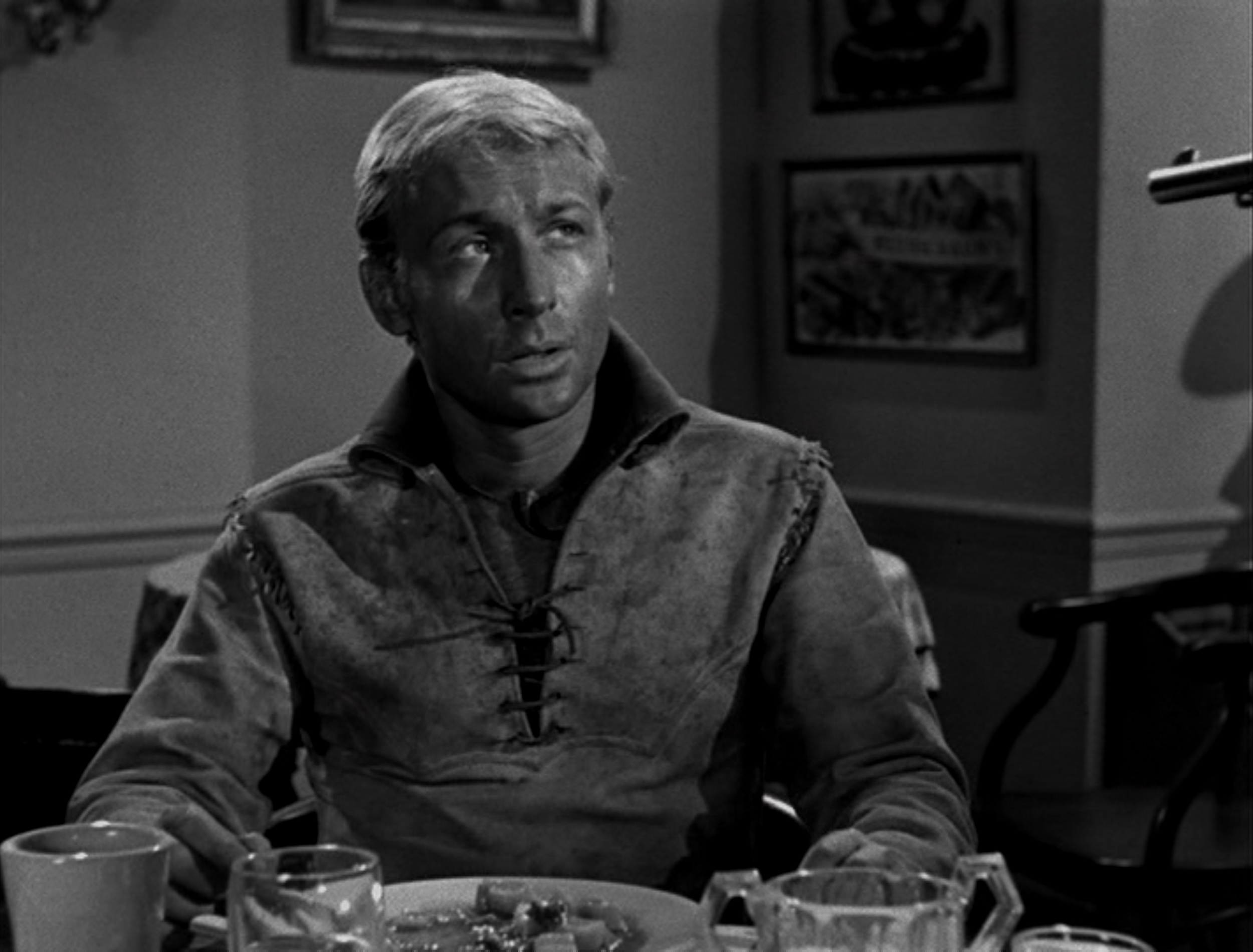
The year 1959 marked a pivotal turning point in television history, yielding a rich landscape of groundbreaking programming that ranged from visionary science fiction and gritty Westerns to innovative sitcoms and timeless anthology formats. These classic broadcasts established production standards, narrative structures, and character archetypes that continue to influence modern media decades later.
The Historical and Technological Landscape of Late 1950s Broadcasting
The television industry stood at a critical crossroads in 1959. The medium had transitioned from a novelty novelty item into a dominant household fixture across North America, with a vast majority of American homes owning at least one television set. This rapid expansion created massive commercial pressure for networks to produce fresh, engaging content on weekly schedules. Broadcasters relied heavily on live studio productions, filmed teleplays, and increasingly sophisticated Hollywood-produced series that utilized celluloid rather than live broadcast methods.
This shift toward filmed television allowed for greater narrative complexity, complex editing, location shooting, and higher production values. The golden age of live anthology dramas was beginning to wane, making room for serialized storytelling, recurring character arcs, and genre-specific formats. Network executives at CBS, NBC, and ABC aggressively sought out creative talent from the collapsing studio film system, merging cinematic techniques with episodic broadcast structures. The resulting 1959 TV series landscape reflected a society experiencing rapid suburbanization, Cold War anxieties, and a growing appetite for sophisticated domestic and fantastic entertainment.
Landmark Anthologies and Revolutionary Sci-Fi
No discussion of television from this era is complete without examining the premiere of programs that permanently altered speculative fiction. The late 1950s welcomed conceptual frameworks that treated viewers as intellectually curious adults capable of processing complex moral allegiances and philosophical puzzles.
The most notable debut of this era redefined speculative storytelling by blending supernatural phenomena, psychological horror, and social commentary into concise, self-contained narratives. This landmark anthology series demonstrated that weekly television could achieve high literary merit while maintaining broad commercial appeal. By utilizing framing devices, memorable twist endings, and allegorical scripts written by prominent literary figures, these broadcasts tackled racism, conformity, militarism, and the perils of technological overreach under the guise of genre entertainment.
Alongside speculative fiction, historical and contemporary anthologies offered intimate character studies that captured the zeitgeist of post-war anxiety. These productions prioritized dialogue, moral dilemmas, and intense emotional conflict over physical action, setting a high benchmark for dramatic writing on the small screen.
Evolution of the Western and Crime Drama Genres
While speculative fiction captured the imaginative zeitgeist, Westerns and crime dramas dominated weekly viewing schedules, commanding massive audience shares and defining the visual vocabulary of American action-adventure programming. The 1959 television season featured a saturated market of horse operas, yet a select few productions managed to elevate the genre through psychological depth and complex antihero protagonists.
Instead of relying purely on clean-cut morality tales, these programs introduced morally ambiguous lawmen, wandering bounty hunters, and complex frontier communities dealing with trauma, prejudice, and economic hardship. The production values mirrored cinematic Westerns, featuring authentic wardrobe, extensive outdoor location shooting, and intricate stunt choreography.
Concurrently, gritty urban crime dramas and private eye series gained immense popularity. These shows traded the polished drawing rooms of earlier detective fiction for gritty, realistic portrayals of metropolitan law enforcement, syndicate corruption, and courtroom procedures. The emphasis shifted toward procedural realism, fast-paced dialogue, and jazz-infused musical scores that captured the nocturnal energy of mid-century American cities.
Production Models, Sponsors, and Scheduling Strategies
The operational mechanics behind a typical 1959 TV series differed drastically from modern streaming and syndicated models. During this period, television production was largely sponsor-driven, with single corporate entities—such as automobile manufacturers, tobacco companies, or household goods conglomerates—financing entire episodes and often exerting direct editorial control over content and casting.
Key Operational Characteristics of 1959 Production
- Single-sponsor backing that minimized mid-show commercial fragmentation but imposed strict corporate guidelines.
- Transition from New York-based live theater production to Los Angeles-based filmed episodic production.
- Heavy reliance on established Hollywood writers, directors, and contract players transitioning from feature films.
- Rigid seasonal orders requiring 30 to 39 episodes per production year, demanding relentless shooting schedules.
This rigorous production pace required streamlined writing rooms and efficient shooting methods, often utilizing multi-camera setups for sitcoms or rapid single-camera blocking for dramas and Westerns. The financial model rewarded syndication potential, prompting studios to retain ownership rights and invest heavily in master film negatives that could be re-broadcast for decades.
Comparative Overview of Prominent 1959 Television Formats
| Genre Category | Primary Narrative Focus | Production Medium | Typical Episode Length | Major Cultural Impact |
|---|---|---|---|---|
| Speculative Anthology | Morality tales, twist endings, sci-fi | Filmed (Single-camera) | 25 minutes (half-hour) | Redefining philosophical storytelling on screen. |
| Frontier Western | Frontier justice, antiheroes, survival | Filmed (Single-camera) | 25 or 50 minutes | Dominating ratings and establishing cinematic action standards. |
| Situation Comedy | Domestic family life, workplace humor | Filmed (Multi-camera / Live audience) | 25 minutes | Standardizing the domestic sitcom blueprint. |
| Crime Procedural | Law enforcement, trials, investigations | Filmed (Single-camera) | 50 minutes | Introducing gritty urban realism and procedural pacing. |
Enduring Cultural Impact and Preservation Challenges
The television output of 1959 occupies a revered status among media historians, archivists, and classic television enthusiasts. The preservation of these materials presents unique technical challenges, as many original nitrate and early acetate film elements have degraded over time. Dedicated archival institutions, copyright holders, and boutique home video distributors have spent decades locating, cleaning, and digitally remastering surviving prints to present these historic broadcasts in their original aspect ratios and high fidelity.
Modern audiences continue to discover these classic series through physical media releases, streaming platforms, and specialized broadcast networks. The enduring appeal lies in the strength of the foundational writing, the economy of storytelling, and the raw talent of performers who mastered their craft under the demanding conditions of early television production. By examining the 1959 television landscape, viewers gain a comprehensive understanding of how contemporary serial drama, genre fiction, and broadcast scheduling evolved into the modern entertainment ecosystem.
Frequently Asked Questions
What made the television landscape of 1959 historically significant?
The year 1959 served as a crucial bridge where early live broadcast traditions fully merged with sophisticated Hollywood film production. It introduced several critically acclaimed series that revolutionized speculative fiction, Westerns, and dramatic anthology formats, establishing narrative standards that persist in modern television.
How were television series funded and produced in 1959?
Most programs during this era relied on single-sponsor financing, where large corporations funded entire episodes and integrated promotional announcements directly into the broadcast. Production was rapidly shifting from New York live studios to Los Angeles film lots to accommodate the demand for 30-plus episode seasons.
Are original episodes from 1959 TV series still accessible today?
Yes, many surviving series have been preserved, restored, and released through physical media formats such as Blu-ray and DVD, as well as various digital streaming services. Archival projects continue to recover rare prints and master negatives for historical preservation.
How did the shift from live broadcast to film change television writing?
Transitioning to film allowed writers and directors to incorporate complex visual editing, outdoor location shooting, and nonlinear storytelling. It eliminated the technical limitations and performance pressures inherent in live television, enabling tighter pacing and more polished dramatic execution.
What genres dominated television ratings in 1959?
Westerns and domestic situation comedies commanded the highest audience shares during this period, supplemented by a rising tide of high-concept anthologies and urban crime dramas that catered to an increasingly suburbanized and television-literate public.
Archival Verification and Media Access Strategy
To properly study or collect programming from the 1959 television season, researchers and enthusiasts should consult recognized media archives, copyright registries, and verified physical media distributors. Confirming the provenance of specific episodes ensures access to uncut, original broadcast cuts rather than syndicated versions that may have been edited for time or commercial insertion. Prioritizing releases sourced directly from original 35mm film negatives or archival videotape transfers guarantees the highest historical accuracy and visual fidelity for ongoing academic study or personal viewing.