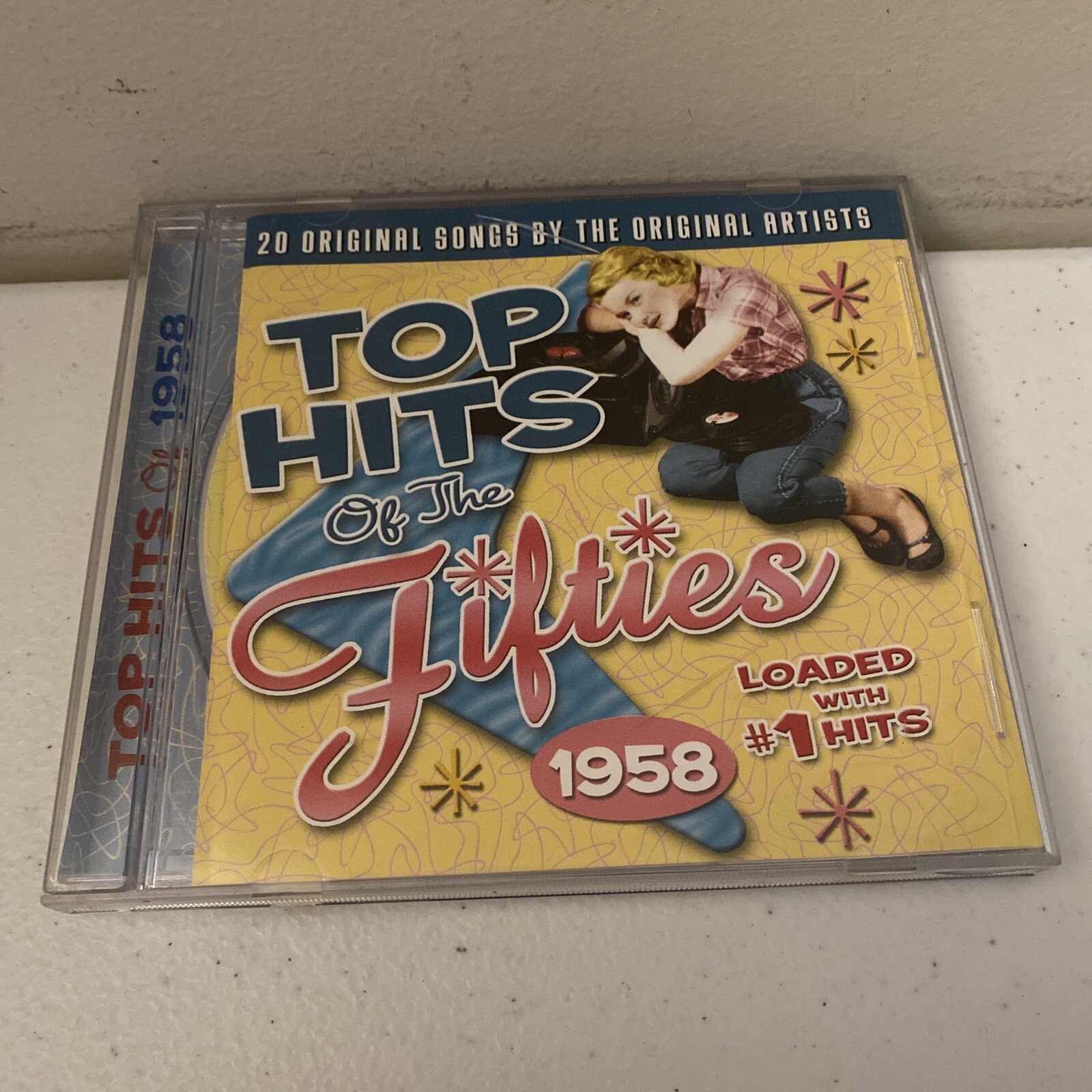
The year 1958 marked a pivotal transitional phase for popular music, characterized by the raw energy of early rock and roll evolving alongside polished vocal group harmonies, traditional pop, and the nascent Nashville country-pop sound. This era captured a unique cultural moment just before the British Invasion and the turbulent socio-political shifts of the 1960s, producing enduring records that continue to define the mid-century American soundscape.
Analyzing the musical landscape of 1958 requires looking beyond simple chart positions to understand how cultural shifts, technological advancements in recording, and demographic changes shaped the hits of the era. The late 1950s bridged the gap between the post-World War II radio era and the youth-driven television culture that would soon dominate entertainment. Examining these recordings provides vital context for the evolution of modern popular music.
The Cultural and Technological Landscape of Late-Fifties Recording
The popular music industry in 1958 operated under a different set of production and distribution standards than modern digital markets. The seven-inch 45 RPM single had firmly established itself as the primary vehicle for youth consumption, replacing the heavier 78 RPM shellac records. This shift allowed teenagers to purchase and transport affordable music easily, fueling the commercial expansion of independent record labels alongside established major publishers like RCA Victor, Columbia Records, and Decca.
At the same time, recording technology was transitioning from mono to early stereo experimentation, though the vast majority of consumers experienced 1958 hits through monaural AM radio broadcasts and home console phonographs. Studios in music hubs like New York, Chicago, Los Angeles, and Nashville relied heavily on elite session musicians—such as Nashville’s famed "A-Team" and Los Angeles's "Wrecking Crew" predecessors—to craft tight, memorable arrangements behind solo artists and vocal groups.
Radio programming was dominated by fast-talking disc jockeys who championed the Top 40 format, creating a fiercely competitive environment where tracks fought for heavy rotation. This hyper-focused broadcast strategy ensured that successful singles achieved massive cultural saturation, embedding themselves deeply into the collective memory of the baby boom generation.
Dominant Genres and Stylistic Diversity on the Charts
The charts of 1958 were far from monolithic, representing a rich cross-section of musical styles competing for consumer attention. While rock and roll had sent shockwaves through the industry beginning in 1955, the year 1958 demonstrated that traditional pop, rhythm and blues, country crossover, and doo-wop could coexist and influence one another.
Rock and Roll and Rockabilly
Rock and roll maintained a powerful commercial presence in 1958, though some of its original pioneers faced career disruptions. Elvis Presley was inducted into the United States Army in March 1958, yet his recorded output—including tracks recorded prior to his departure—ensured his ongoing dominance on the charts. Meanwhile, artists like Buddy Holly and the Crickets, Chuck Berry, and Eddie Cochran refined the guitar-driven, youthful angst that defined the genre, injecting sophisticated songwriting structures and distinct vocal phrasing into upbeat arrangements.
Doo-Wop and Vocal Group Harmony
Urban vocal groups thrived in 1958, utilizing tight, multi-part harmonies, call-and-response patterns, and emotive lead vocals. Groups originating from street-corner singing traditions in New York, Philadelphia, and Chicago found massive success on independent labels. These recordings often featured romantic themes, adolescent longing, and lush instrumentation, appealing directly to the burgeoning teenage demographic attending high school dances and sock hops.
Traditional Pop and Novelty Hits
Mainstream traditional pop vocalists continued to command significant radio airplay, bridging the generational divide between older adults and teenagers. Sophisticated orchestrations, crooning vocal styles, and upbeat novelty tunes regularly challenged rock and roll singles for the number-one spot. This stylistic diversity meant that a single hour of radio programming might feature a driving rockabilly number followed immediately by a lush orchestral pop ballad.
Major Chart-Topping Singles of the Era
Evaluating the commercial success of 1958 hits involves examining data compiled by music industry trade publications of the time, most notably Billboard, which tracked sales, jukebox plays, and radio airplay through various regional and national charts before consolidating them into the Hot 100 chart in August 1958.
| Artist | Song Title | Primary Style | Notable Achievement / Context |
|---|---|---|---|
| Elvis Presley | "Don't / I Beg of You" | Pop / Rock and Roll | Consecrated his immense commercial pull right before entering military service. |
| The Champs | "Tequila" | Latin-flavored Rock | A saxophone-driven instrumental that captured a unique crossover novelty appeal. |
| The Everly Brothers | "All I Have to Do Is Dream" | Country-Pop / Rock | Masterclass in close two-part vocal harmonies and acoustic guitar arrangement. |
| Domenico Modugno | "Nel Blu Dipinto di Blu (Volare)" | Traditional Pop | Won the Grammy Award for Record of the Year and Song of the Year. |
| Connie Francis | "Who's Sorry Now?" | Traditional Pop / Teen Pop | Propelled a young vocalist to international stardom after initial industry hesitation. |
These standout recordings illustrate the breadth of public taste in 1958. For instance, "Volare" demonstrated that foreign-language tracks could achieve unprecedented crossover success in the American market, while tracks like "All I Have to Do Is Dream" highlighted the enduring commercial viability of Nashville-influenced country songwriting structures applied to youth-oriented pop music.
The Emergence of the Nashville Sound
The year 1958 also marked a critical developmental period for the Nashville recording industry. As traditional honky-tonk country music experienced a dip in commercial viability due to the explosion of rock and roll, Nashville producers like Chet Atkins and Owen Bradley pioneered what would become known as the "Nashville Sound."
This production style replaced traditional steel guitars and heavy fiddle arrangements with lush string sections, smooth background vocal choruses (such as the Jordanaires), and sophisticated piano styling. By softening the rough edges of country music, Nashville producers created recordings that appealed to mainstream pop listeners without alienating traditional country fans. This strategic evolution yielded enduring crossover hits and solidified Nashville's status as a premier global recording capital.
Preservation, Archival, and Modern Reception
In the decades following their initial release, 1958 hits have undergone significant critical re-evaluation. While initially dismissed by some cultural critics of the era as ephemeral teenage fads, these recordings are now recognized as vital milestones in the development of modern audio production, songwriting craft, and youth culture.
Archival projects, digital remastering, and the preservation work of institutions like the Library of Congress and the Recording Academy have ensured that the master tapes of 1958 survive in high fidelity. Modern music historians study these tracks to understand the structural roots of contemporary pop, soul, and rock music. Furthermore, the licensing of 1958 recordings in film, television, and advertising continues to introduce these mid-century classics to new generations of listeners, cementing their permanence in the global cultural consciousness.
Frequently Asked Questions About 1958 Music
What was the biggest song of 1958?
While chart methodologies differed during the transitional year before the official launch of the Billboard Hot 100, Domenico Modugno's "Nel Blu Dipinto di Blu (Volare)" stands out as one of the most commercially successful and culturally impactful releases of the year, winning the inaugural Grammy Awards for Record of the Year and Song of the Year.
How did Elvis Presley's military service affect his 1958 music career?
Elvis Presley was inducted into the U.S. Army on March 24, 1958. However, RCA Victor had prudently stockpiled recorded material before his departure, allowing them to release a steady stream of hit singles—such as "Hard Headed Woman" and "One Night"—that kept him at the top of the charts throughout his active military service.
What role did independent record labels play in 1958?
Independent labels were vital in championing regional sounds like doo-wop, rhythm and blues, and early rockabilly that major labels initially overlooked. Companies like Chess, Atlantic, and various indie pop imprints discovered and promoted raw talent, driving much of the stylistic innovation found on the 1958 charts.
Did the Billboard Hot 100 exist in 1958?
Yes, the Billboard Hot 100 chart debuted on August 4, 1958, replacing multiple separate charts that tracked best sellers in stores, plays on jukeboxes, and radio disc jockey picks. This unified metric provided a more accurate and standardized reflection of national song popularity for the latter half of the year.
What musical genres dominated the charts in 1958?
The charts featured a diverse mix of rock and roll, rockabilly, traditional pop, urban vocal group doo-wop, and early Nashville country-pop crossovers. This stylistic variety reflected a transitional era where diverse demographics shared a common radio dial.
Maximizing Your Exploration of Mid-Century Recordings
Listeners and researchers seeking to deepen their understanding of 1958 hits should look beyond greatest-hits compilations and explore original album sequences, regional chart archives, and contemporary radio broadcast recordings. Investigating the B-sides of major 1958 singles often reveals the experimental risks taken by artists and producers working at the dawn of the stereo era. Cross-referencing trade publication archives from Billboard and Cash Box provides a granular, week-by-week look at how public tastes shifted in real time, offering a comprehensive view of a landmark year in recorded music history.