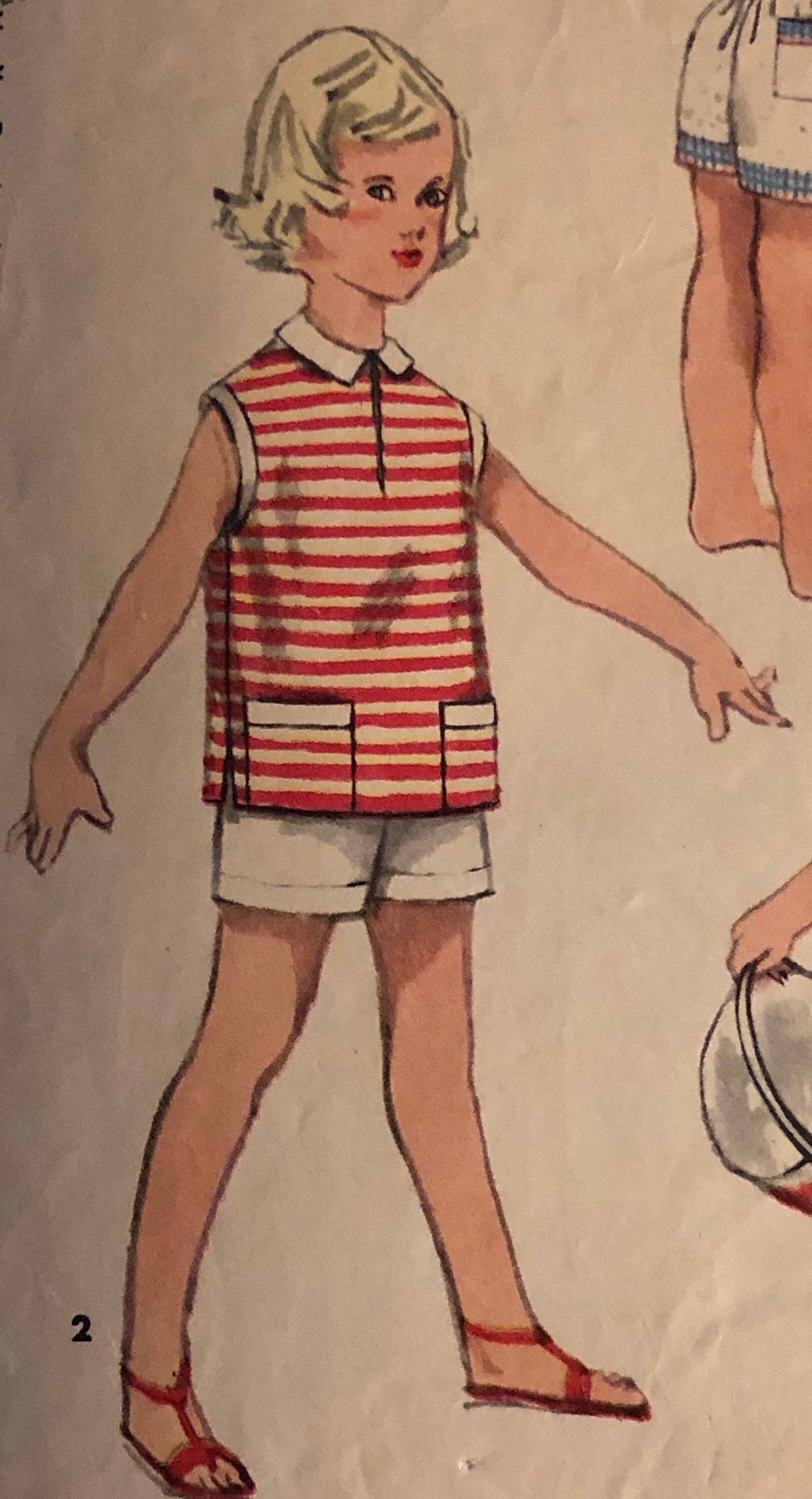
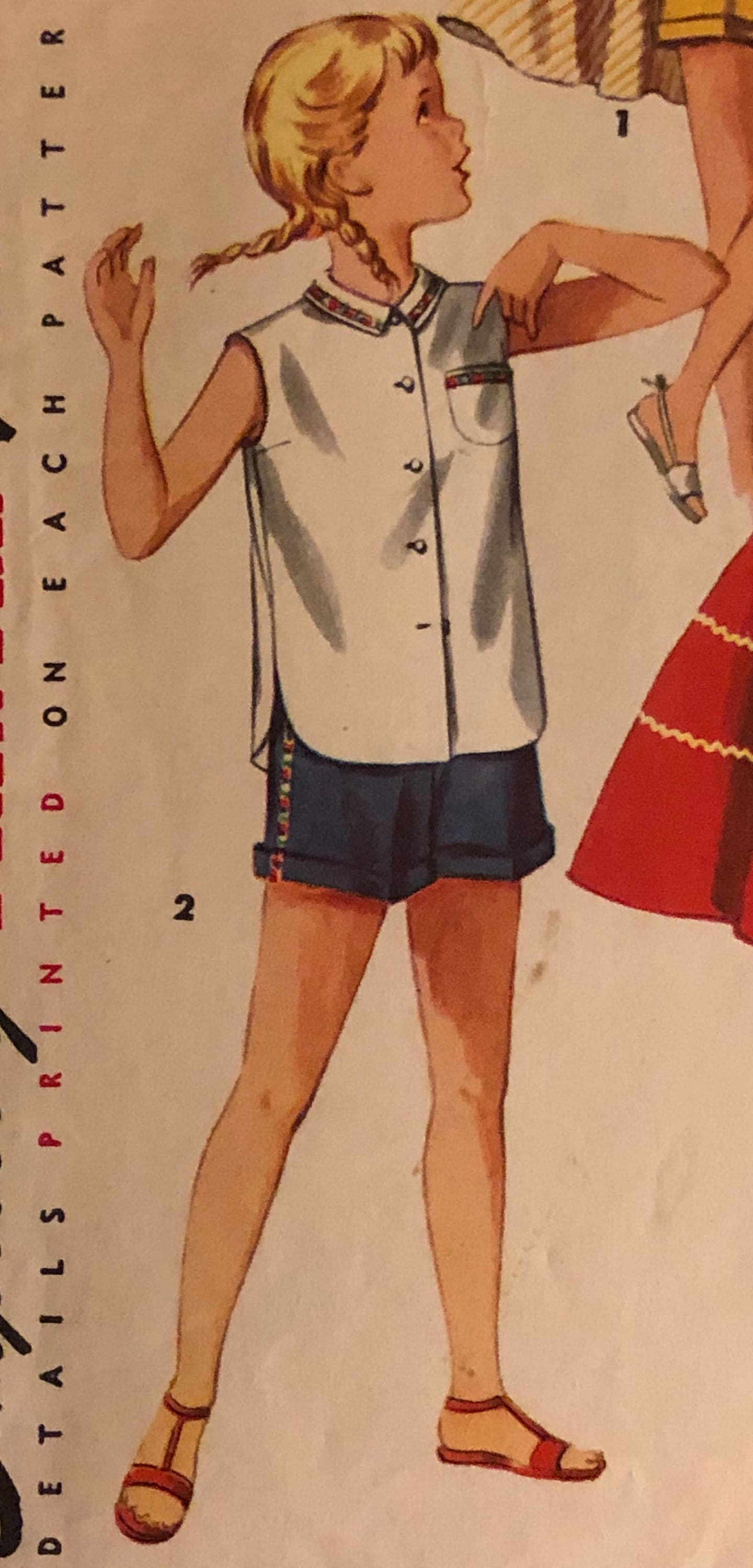
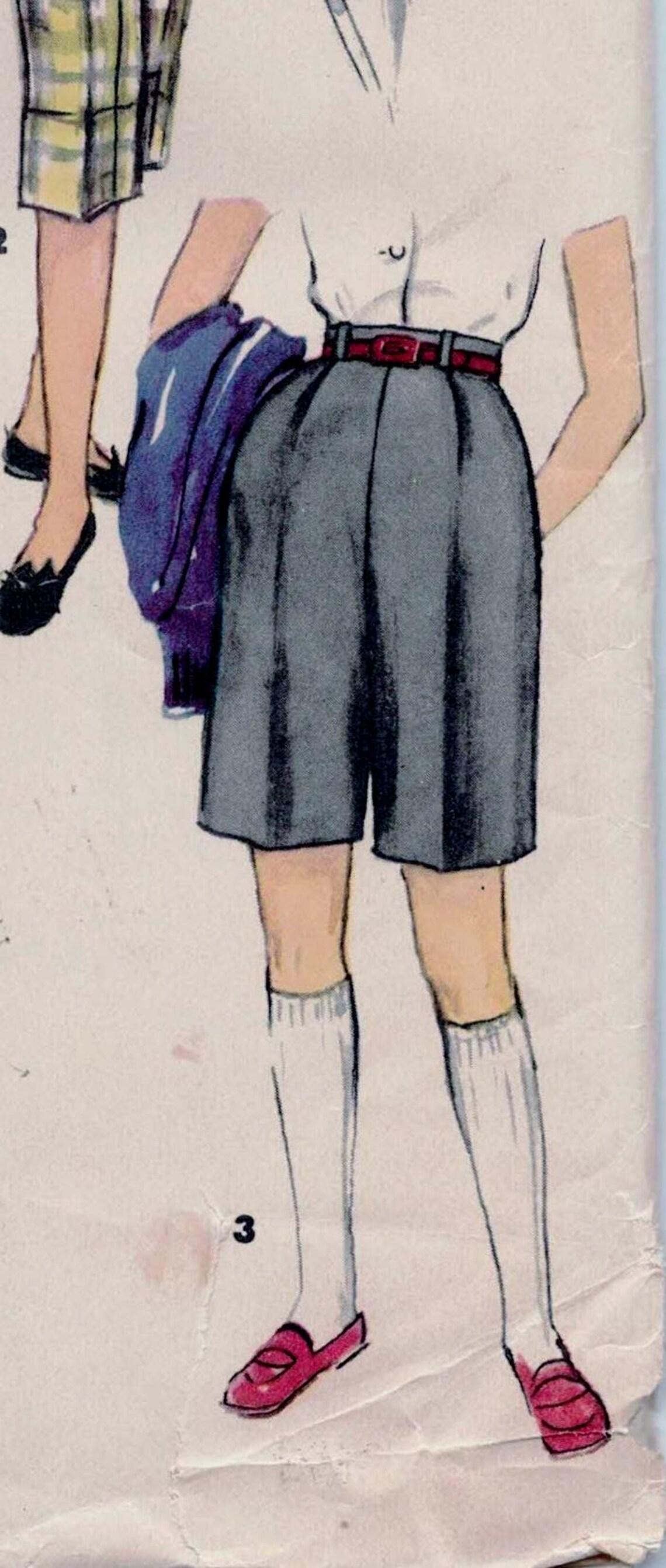
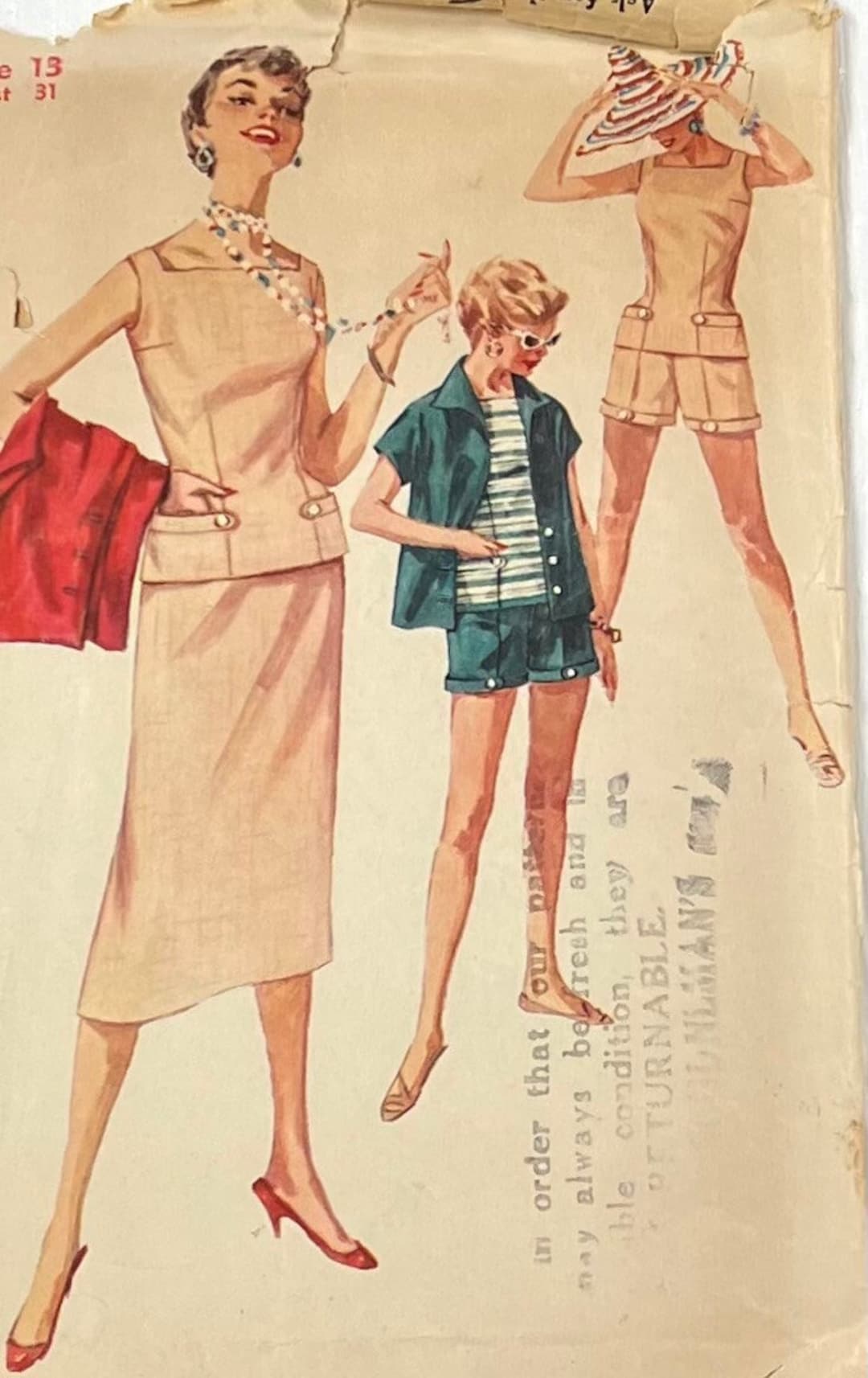
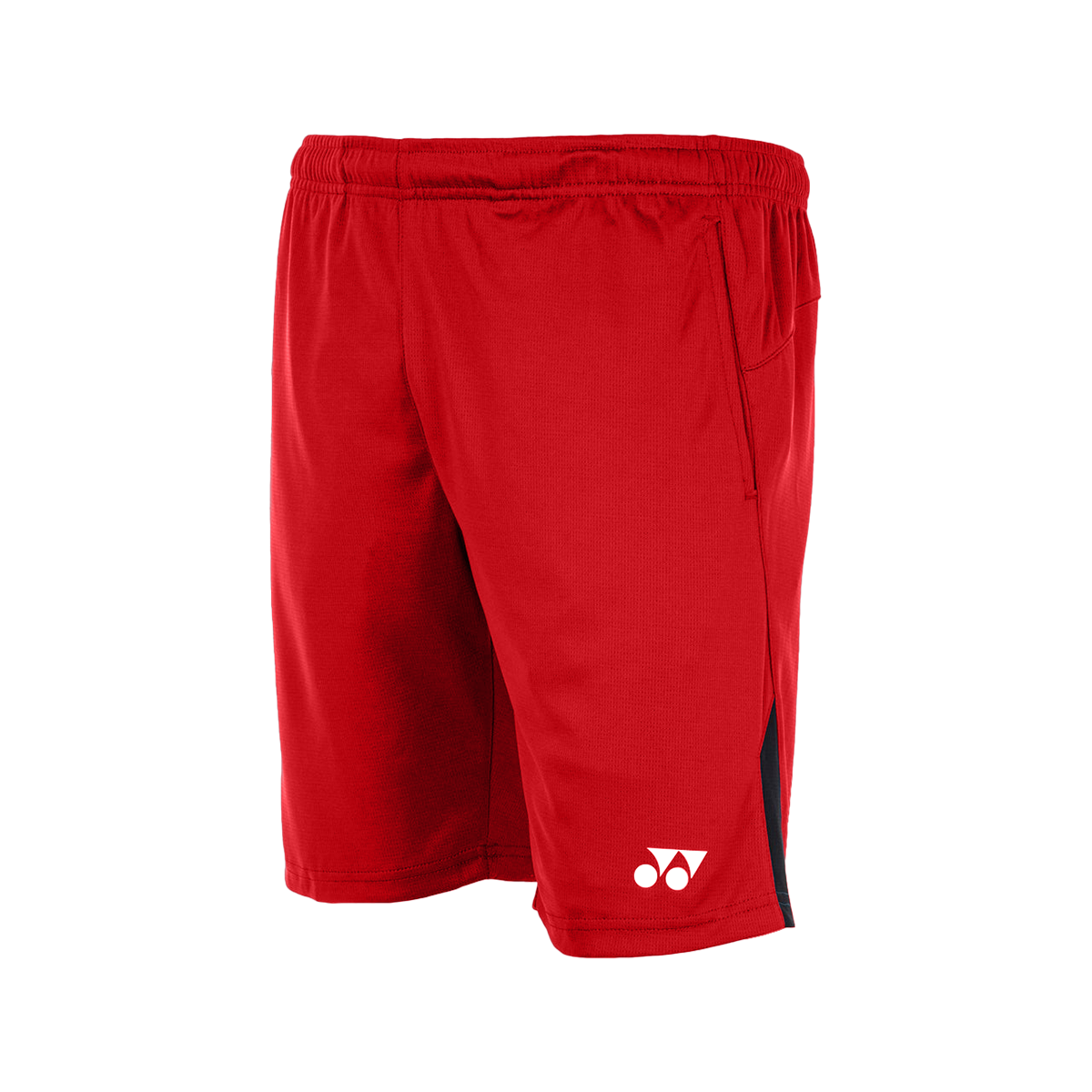
The term "1955 shorts" typically refers to mid-century casual apparel, particularly men's and women's tailored athletic or leisure shorts styled after the design trends of the mid-1950s, characterized by high-waisted cuts, pleated fronts, durable cotton twill fabrics, and shorter inseams compared to modern standards.
Examining vintage-style clothing requires an understanding of how historical tailoring influences contemporary fashion revivals, garment construction standards, and textile choices. Whether you are a vintage clothing collector, a costume designer, or a modern consumer looking to incorporate retro aesthetics into a contemporary wardrobe, understanding the defining characteristics of 1955 shorts ensures accurate styling and garment selection.
Historical Context of Mid-Century Casual Wear
The year 1955 marked a significant turning point in Western fashion. Post-war economic prosperity and an increase in leisure time led to a dramatic shift in wardrobe norms. While previous decades kept shorts strictly restricted to athletic fields, children, or beachside resorts, the mid-1950s normalized casual sportswear for everyday urban and suburban wear.
During this era, sportswear design prioritized structured tailoring over slouchy comfort. Men's shorts transitioned from knee-length khaki styles to shorter, thigh-revealing cuts often worn with knit polo shirts or tucked-in button-downs. Women's styles featured high waistlines defined by structured waistbands, side zippers, and A-line or tapered legs that accentuated the silhouette while allowing freedom of movement for suburban life, driving, and recreational sports.
Defining Structural Characteristics of 1955 Shorts
Authentic mid-1950s shorts and their modern reproductions share specific technical attributes that distinguish them from earlier or later decades. Recognizing these features helps verify the era of vintage garments or evaluate the authenticity of reproduction pieces.
- Rise and Waistband: The rise is notably high, typically sitting at or slightly above the natural waistline. Waistbands were often constructed with rigid inner interfacing to maintain structural integrity without sagging.
- Inseam Length: Inseams were substantially shorter than those popular in the late 20th century, often ranging between 5 and 7 inches, exposing the upper thigh.
- Pocket Construction: Deep front slash pockets or welt pockets were standard. Rear pockets frequently featured button-through flaps to secure personal items during active use.
- Closures: Metal zippers (often utilizing Talon or Crown brands in original vintage pieces) or button-fly configurations were standard, paired with hook-and-eye or button closures at the waistband.
Fabric Selection and Textile Engineering
The materials used in 1955 shorts reflect the textile manufacturing capabilities of the post-war era, prior to the widespread commercial dominance of synthetic polyester blends. Natural fibers dominated the market, offering breathability, durability, and specific drape characteristics.
Cotton twill was the primary fabric for utility and casual shorts, providing a sturdy surface that softened with repeated laundering. Poplin and lightweight canvas were also common for warmer climates. For tailored leisure wear, linen and rayon blends offered a softer drape, though they required careful maintenance to manage wrinkling. Unlike modern stretch fabrics containing elastane or spandex, 1955 shorts relied entirely on cut and tailoring to achieve fit and comfort, making precise sizing critical.
Comparing Mid-Century and Contemporary Short Styles
Evaluating historical garments against modern apparel highlights major shifts in ergonomic design, textile science, and cultural standards of modesty and comfort.
| Feature | 1955 Vintage Style | Modern Contemporary Style |
|---|---|---|
| Typical Rise | High-rise (natural waist or above) | Mid-rise or low-rise (hips) |
| Average Inseam | 5 to 7 inches | 8 to 11 inches (men); variable for women |
| Fabric Composition | 100% cotton, heavy twill, linen, rayon | Cotton-poly blends, elastane/spandex stretch |
| Fit Profile | Tailored, structured, pleated or flat-front | Relaxed, athletic, slim, or oversized |
| Hardware | Brass/nickel zippers, metal shank buttons | Lightweight nylon zippers, plastic buttons |
Sourcing Original Vintage Versus Modern Reproductions
Acquiring 1955 shorts involves choosing between authentic mid-century deadstock (unworn vintage items with original tags) and modern reproduction brands that specialize in mid-century Americana and retro sportswear.
Original vintage pieces offer historical authenticity and unique craftsmanship, but they present specific challenges. Sizing standards have shifted dramatically over the decades; a vintage tag size 32 from 1955 often corresponds to a much smaller modern measurement due to changes in human anthropometry and vanity sizing. Furthermore, natural fibers degrade over decades if stored in unfavorable conditions, leading to brittle threads or weakened fabric integrity.
Modern reproduction brands solve sizing and durability issues by utilizing vintage-spec looms, heavy-duty cotton twill, and period-correct hardware while offering contemporary waist and inseam measurements. When evaluating reproductions, look for manufacturers that prioritize heritage manufacturing techniques, such as chain-stitching and selvedge ID fabrics, to ensure longevity and authentic aesthetic appeal.
Maintenance and Care for Mid-Century Garments
Preserving the structural integrity of vintage or reproduction 1955 shorts requires specific laundering protocols, particularly for garments containing vintage hardware or delicate natural fibers.
Always check fiber content labels on modern reproductions or test vintage fabrics for strength before washing. Machine washing on a gentle cycle with cold water prevents excessive shrinkage in 100% cotton twill. Avoid high-heat tumble drying, which degrades vintage cotton fibers and rusts antique metal zippers or button shanks. Line drying in the shade preserves color vibrancy and prevents fabric degradation. For pleated models, light ironing while the fabric is slightly damp helps maintain the sharp creases characteristic of mid-century tailoring.
Addressing Common Fitting Challenges
Achieving a polished look with high-waisted mid-century shorts requires proper adjustments, as modern body proportions and posture differ slightly due to lifestyle factors.
Because 1955 shorts sit at the natural waist rather than the hips, buyers frequently purchase sizes that are too small if they rely on modern low-rise measurements. Measuring the narrowest part of the torso prior to purchasing ensures an accurate fit. Additionally, individuals with athletic thighs may find traditional slim-cut vintage models restrictive; seeking out pleated variants provides extra room through the hip and thigh while maintaining the sharp, structured silhouette of the era.
Next Actions for Vintage Collectors and Stylists
To successfully integrate 1955 shorts into a wardrobe or collection, begin by accurately measuring your natural waist and desired inseam length. Visit reputable vintage dealers specializing in mid-century Americana or explore specialty heritage reproduction brands that provide exact garment dimensions rather than generic size charts. Inspect hardware and seam construction prior to purchase to ensure the garment can withstand regular wear and proper maintenance.