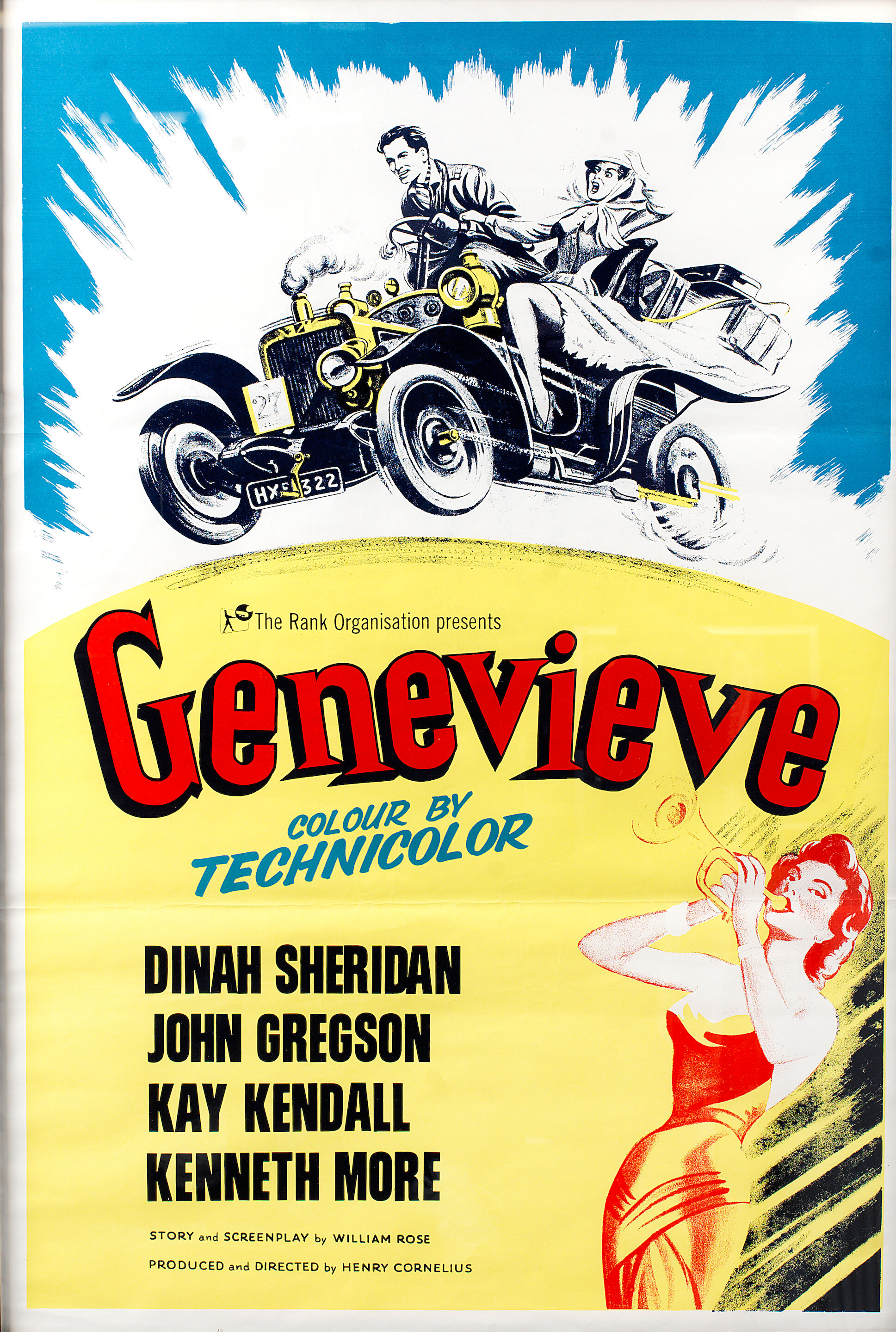
The 1953 film age represents a pivotal transitional epoch in cinematic history, characterized by the introduction of widescreen formats like Cinemascope, the competitive threat of television, and the maturation of post-war studio output. Films released in this specific year reflect a unique intersection of technological modernization, changing social mores, and evolving global distribution models.
Historical and Technological Context of 1953 Cinema
The year 1953 stands as one of the most critical structural turning points in the history of motion pictures. As household television ownership climbed dramatically in the United States and parts of Europe, traditional motion picture studios faced an existential crisis. Audiences increasingly stayed home to watch broadcast entertainment, forcing Hollywood studios and international production houses to seek innovative ways to entice ticket buyers back into brick-and-mortar theaters. This economic pressure catalyzed a technological revolution within the medium, moving the industry away from standard Academy aspect ratios toward immersive, large-screen formats designed to deliver spectacles that television sets of the era simply could not replicate.
At the heart of this technological shift was the commercial birth of anamorphic widescreen cinematography. Twentieth Century-Fox launched the era of modern cinematic spectacle in March 1953 with the premiere of The Robe, directed by Henry Koster. Utilizing the CinemaScope process, which squeezed a wide field of view onto standard 35mm film stock and used a corresponding lens on the projector to expand it, the film proved that audiences craved sensory scale and vivid color. Other studios scrambled to develop proprietary widescreen systems or adopted non-anamorphic widescreen processes like flat widescreen (masked ratios), fundamentally altering composition, set design, and editing pacing across the globe.
Beyond hardware and aspect ratios, the thematic landscape of 1953 cinema mirrored deep cultural anxieties of the early Cold War. Studios balanced escapist musicals and high-budget biblical epics with paranoid science fiction features and gritty film noir. The geopolitical tension between the Western powers and the Soviet bloc, combined with domestic anxieties surrounding McCarthyism, subtly or overtly shaped narratives of infiltration, societal breakdown, and moral ambiguity. Consequently, examining the film age of 1953 requires looking beyond box office tallies to understand how technical innovation and socio-political pressures converged on the silver screen.
Technological Innovations and Widescreen Formats
The technical specifications of motion picture production underwent a radical overhaul during 1953. For decades, the standard 1.37:1 Academy ratio had dictated framing, blocking, and lens selection. The sudden rush to adopt widescreen alternatives disrupted established cinematography standards, requiring camera operators, directors, and projectionists to adapt to entirely new visual geometries.
| Format / System | Introduction Year | Aspect Ratio | Technical Description |
|---|---|---|---|
| Academy Ratio | 1932 (Standard) | 1.37:1 | The traditional square-ish box format used for decades prior to the widescreen boom. |
| CinemaScope | 1953 | 2.55:1 (initially) | Anamorphic process using cylindrical lens attachments to compress and expand images. |
| Natural Vision / 3D | 1952–1953 | Varies | Stereoscopic dual-strip projection requiring polarized glasses for depth illusion. |
| Flat Widescreen | 1953 | 1.66:1 to 1.85:1 | Standard spherical lenses with top and bottom matting in the projector or camera. |
While CinemaScope dominated industry headlines, the stereoscopic 3D craze reached its commercial peak in 1953. Following the surprise success of independent releases, major studios rushed out 3D features such as House of Wax, directed by André de Toth. These productions required complex dual-strip projector synchronization and specialized polarized glasses, creating logistical hurdles for theater owners. Although the 3D fad faded quickly due to eye strain and mechanical syncing errors, it underscored the industry's desperate appetite for gimmicks that could differentiate theatrical exhibition from domestic television broadcasts.
Sound technology also experienced incremental advancements during this period, particularly with the integration of magnetic stereophonic sound alongside early widescreen releases. The Robe, for instance, utilized a four-track magnetic sound system that allowed dialogue, music, and sound effects to pan across different speakers behind the screen. This multidirectional audio design worked in tandem with the sweeping vistas of CinemaScope, establishing the modern blueprint for blockbuster cinematic immersion that persists in contemporary exhibition standards.
Prominent Cinematic Genres and Notable Releases
The film output of 1953 was exceptionally diverse, encompassing prestige historical dramas, gritty crime thrillers, whimsical romantic comedies, and groundbreaking genre cinema. This diversity was largely driven by the operational restructuring of the major Hollywood studios, which were beginning to feel the long-term financial impacts of the Paramount Decree of 1948—a landmark antitrust ruling that forced studios to divest themselves of their theater chains. Without guaranteed exhibition venues for every picture produced, studios focused on fewer, higher-budget event films alongside tightly budgeted genre pictures designed to maximize profit margins.
In the realm of drama and romance, Fred Zinnemann’s From Here to Eternity captured the cultural zeitgeist, sweeping the Academy Awards by portraying the gritty realities of military life in Hawaii just before the attack on Pearl Harbor. The film combined star power with uncompromising narrative grit, demonstrating that serious adult dramas could still command massive box office returns. Simultaneously, William Wyler’s Roman Holiday introduced American audiences to Audrey Hepburn, establishing a template for romantic comedy-dramas filmed on location in international capitals, which capitalized on the post-war boom in international tourism.
Science fiction and thriller genres also matured significantly during this window. Features like The War of the Worlds and It Came from Outer Space utilized state-of-the-art special effects and creature design to externalize atomic-age fears. Meanwhile, film noir continued its cynical exploration of post-war urban corruption, highlighted by masterworks such as Fritz Lang’s The Big Heat and Samuel Fuller’s Pickup on South Street. These pictures avoided comforting resolutions, presenting stark moral landscapes that resonated with audiences navigating rapid industrial and social transformation.
International Cinema and Global Distribution
While Hollywood historically dominated global film discourse, international cinema in 1953 asserted its artistic independence with remarkable force, securing critical acclaim and expanding global art-house distribution networks. Filmmakers in Japan, France, Italy, and the United Kingdom produced works that redefined cinematic grammar and challenged the commercial dominance of Western studio formulas.
Japanese cinema experienced a historic breakthrough on the international stage with the release of Yasujirō Ozu’s Tokyo Story and Kenji Mizoguchi’s Ugetsu. Tokyo Story, examining the generational divide and the quiet alienation of elderly parents visiting their adult children in Tokyo, utilized tatami-shot camera angles and static compositions to articulate universal emotional truths. These masterworks demonstrated that non-Western film industries could achieve profound aesthetic sophistication while engaging deeply with indigenous social realities, paving the way for wider global festival recognition.
In Europe, Italian Neorealism continued to cast a long shadow, though it was beginning to evolve into lighter comedic and melodramatic forms, such as Federico Fellini’s I Vitelloni. British cinema, anchored by Ealing Studios comedies and prestige literary adaptations, maintained a distinct cultural footprint through films like the whimsical comedy The Titfield Thunderbolt. This cross-pollination of international styles laid the groundwork for modern art-house film culture, establishing film festivals in Cannes, Venice, and Berlin as vital arbiters of cinematic prestige.
Preservation, Restoration, and Archival Challenges
Evaluating the 1953 film age from a contemporary perspective requires acknowledging the fragility of the medium and the ongoing efforts of global film archives. Motion pictures from this transitional year were shot on diverse, often experimental stock, including early color processes like Eastman Color, which was prone to severe fading and magenta shifting over time. Furthermore, the simultaneous utilization of multiple aspect ratios—ranging from standard spherical to complex anamorphic and stereoscopic formats—creates significant technical challenges for modern preservationists attempting to present these works in their original theatrical geometry.
Film archives, university collections, and studio restoration departments rely on rigorous photochemical and digital restoration workflows to rescue deteriorating prints from the 1950s. Restorers must source original camera negatives, magnetic sound elements, and safety backup prints from international vaults to reconstruct damaged or altered sequences. This meticulous labor ensures that contemporary viewers can experience these historical artifacts with accurate color timing, correct framing geometry, and pristine acoustic fidelity.
Understanding the preservation status of 1953 cinema is essential for researchers, educators, and cinephiles alike. Many minor genre films and documentary shorts from this era remain trapped in vaults or survive only on degraded 16mm television prints, highlighting the precarious nature of mid-century media history. Supporting institutional preservation initiatives ensures that the technological and artistic milestones of the 1953 film age remain accessible for future academic study and public exhibition.
Frequently Asked Questions
What made the year 1953 unique in film history?
The year 1953 was unique because it marked the collision of major technological innovations—most notably the commercial introduction of widescreen formats like CinemaScope and a massive boom in stereoscopic 3D—driven by the urgent need to compete with the rapid rise of household television.
Which was the first movie released in CinemaScope?
Twentieth Century-Fox’s biblical epic The Robe, directed by Henry Koster and released in September 1953, was the first feature film publicly exhibited in the CinemaScope anamorphic widescreen format, setting a new industry standard for theatrical spectacle.
How did television impact the film industry in 1953?
The rapid proliferation of television sets in homes caused a sharp decline in routine movie theater attendance. In response, Hollywood abandoned standard square aspect ratios and pursued large-scale spectacles, vibrant color processes, and experimental formats that television technology could not reproduce.
Were 3D movies popular in 1953?
Yes, 1953 experienced a massive craze for stereoscopic 3D films, sparked by hits like House of Wax. However, technical projection challenges, eye strain for viewers, and the rapid rise of widescreen alternatives caused the 3D fad to wane quickly by the end of the decade.
How can modern audiences watch films from 1953 today?
Many major studio releases and critically acclaimed international titles from 1953 are available via physical media (such as restored Blu-ray and 4K UHD editions from specialized distributors like The Criterion Collection) as well as curated streaming platforms focusing on classic and art-house cinema.
Assessing Mid-Century Cinematic Heritage
To engage meaningfully with the 1953 film age, viewers and researchers should prioritize verified, restored physical media editions or authorized digital archives that preserve original aspect ratios and color grades. When studying this era, consult specialized film historical databases and institutional retrospectives to cross-reference production credits, camera systems, and regional distribution histories. By approaching mid-century cinema with rigorous attention to technological and cultural context, modern audiences can fully appreciate the foundational shifts that shaped contemporary visual storytelling.