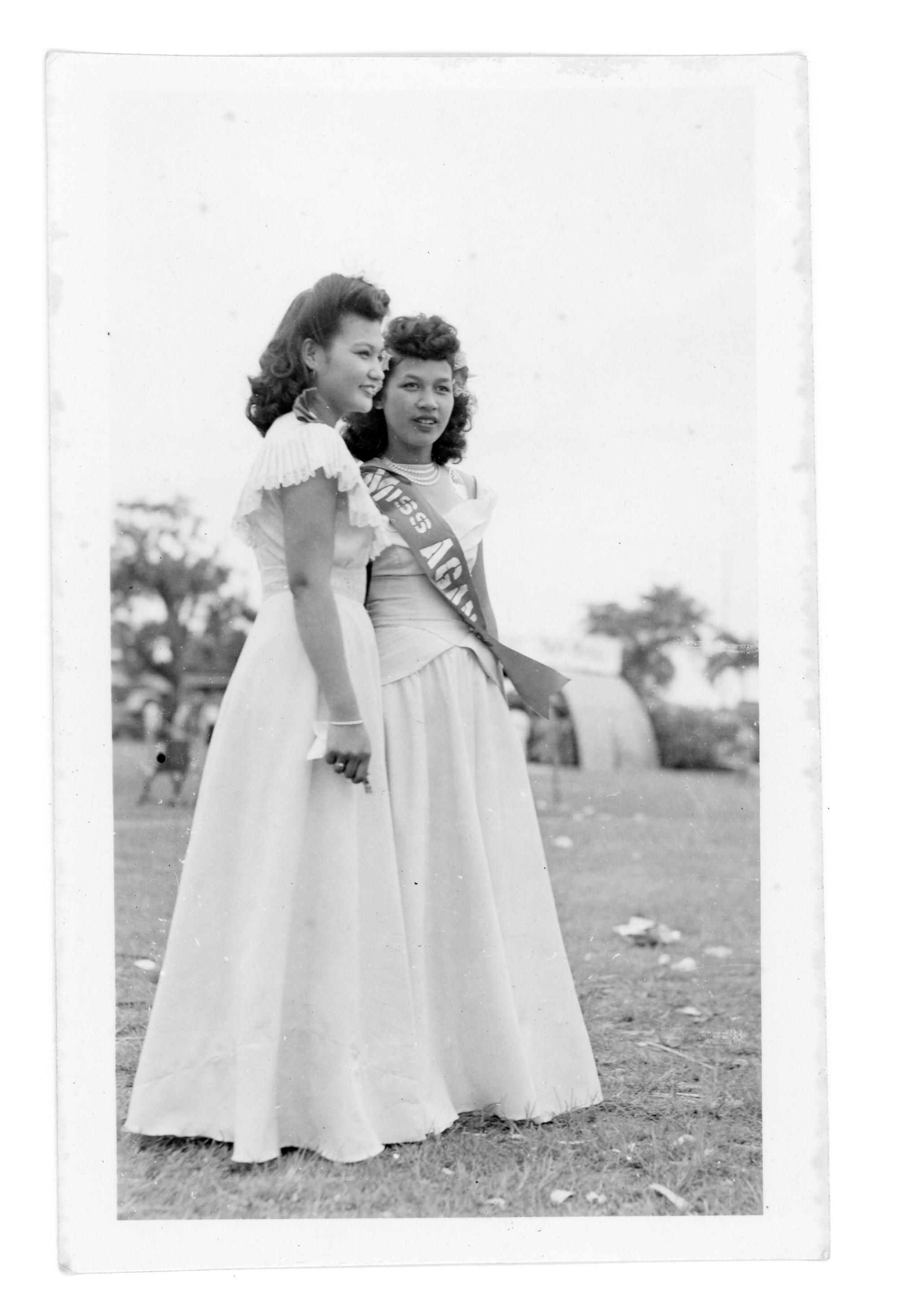
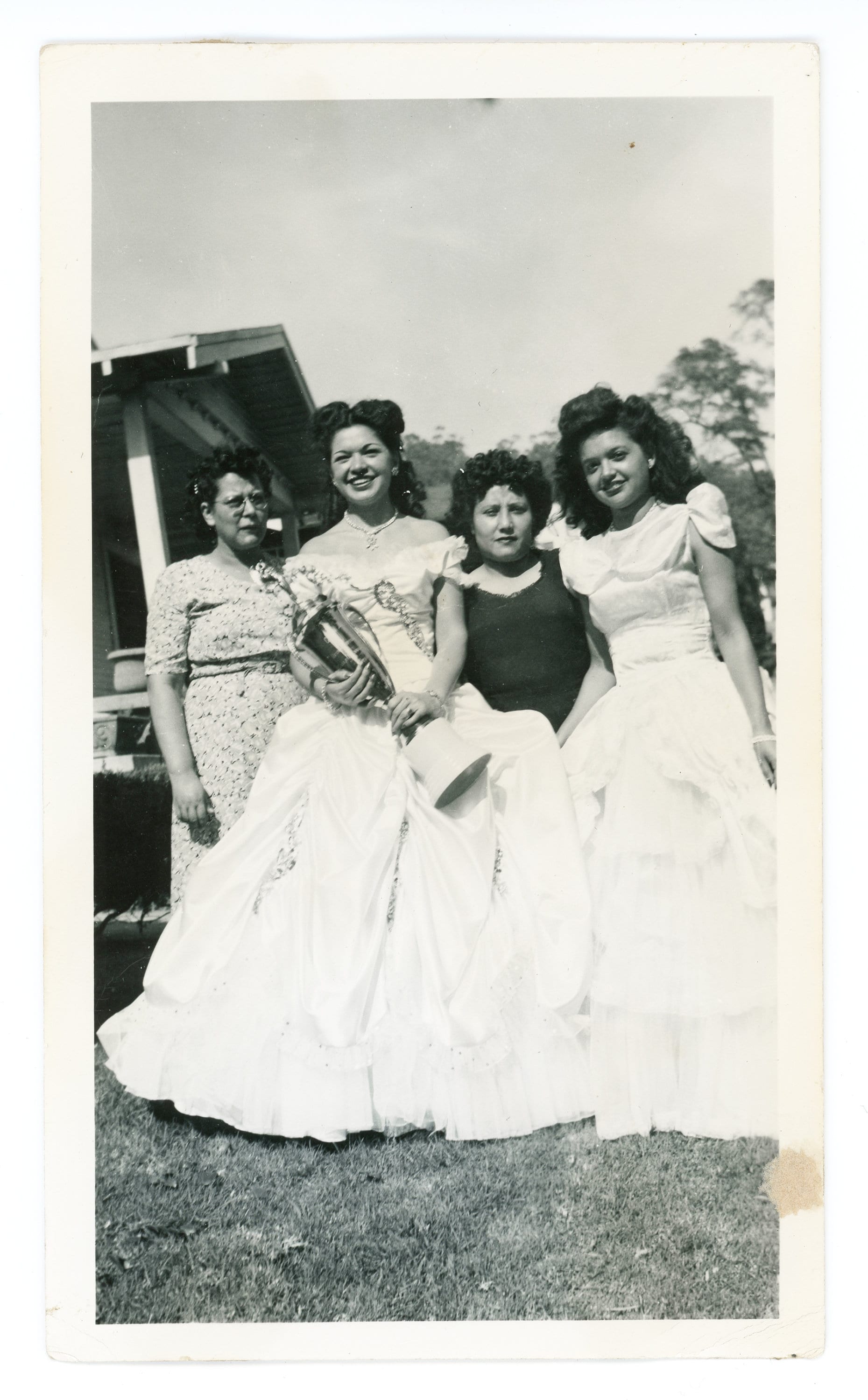
Beauty pageants during the 1950s served as a powerful cultural mirror, reflecting the post-World War II American desire for domestic stability, consumerism, and traditional gender roles while simultaneously launching the modern era of mass-media entertainment.
The post-World War II era transformed beauty pageants from localized seaside amusements into highly organized, televised spectacles that captivated millions of households. During this decade, contests such as Miss America transitioned to national television networks, elevating local winners into household names and establishing rigid aesthetic and social standards. These events were not merely contests of physical appearance; they functioned as elaborate rituals that defined post-war femininity, promoted emerging consumer products, and reinforced the social consensus of the Eisenhower era. Understanding 1950s pageants requires examining how media technology, corporate sponsorships, and strict eligibility rules converged to shape an iconic cultural institution.
The Post-War Cultural Landscape and the Rise of Televised Contests
The 1950s marked a pivotal turning point for pageantry, driven heavily by the rapid adoption of household television sets. Before this decade, contests like the Miss America Pageant—which originated in Atlantic City, New Jersey, in 1921—relied primarily on print journalism, radio broadcasts, and live audiences. The debut of Miss America on television in 1954 changed the medium completely, drawing millions of viewers and turning a regional tourism booster into a national phenomenon.
This mass-media exposure coincided with a broader cultural retreat into domesticity following the disruptions of World War II. Society placed a high premium on social order, and pageants presented an idealized, reassuring vision of womanhood. Contestants were framed as the epitome of wholesome American values—gracious, poised, and family-oriented. At the same time, the pageants functioned as sophisticated marketing platforms. Television executives and corporate sponsors realized that beauty contests offered a captive audience for consumer goods, tightly linking female beauty with household appliances, cosmetics, and fashion brands.
Eligibility Rules, Governance, and Rigid Standards
Participation in 1950s pageants was governed by exceptionally strict eligibility requirements that mirrored the conservative social mores of the era. The most notorious of these regulations was the infamous Rule Seven of the Miss America Organization, which explicitly mandated that contestants must be in good health, of the white race, and—most importantly—single.
These rules were enforced to preserve a specific fantasy for the public. Contestants could not be married, nor could they have ever been pregnant or had children. For many organizations, the rules extended to personal conduct, moral character, and even religious affiliations. A summary of the core constraints and characteristics defining 1950s pageants illustrates the rigid framework governing these competitions:
| Category | 1950s Pageant Standard | Modern Comparison |
|---|---|---|
| Marital Status | Strictly single; marriage or pregnancy resulted in immediate disqualification. | Open to married women, mothers, and divorced individuals in many systems. |
| Racial Inclusion | De facto exclusion of non-white contestants through organizational bylaws. | Diversity, equity, and inclusion are core mandates across major systems. |
| Scoring Weight | Heavy emphasis on physical measurements (e.g., 36-24-36) and swimsuit presentation. | Greater emphasis on interview, social impact initiatives, and personal achievement. |
| Broadcasting | Initial transition to live national television networks (e.g., ABC beginning in 1954). | Multi-platform streaming, social media integration, and digital voting. |
| Sponsorship | Dominated by manufacturers of consumer appliances, textiles, and cosmetics. | Diverse corporate partnerships spanning tech, lifestyle, and philanthropy. |
The Anatomy of the Competition: Talent, Poise, and Swimsuits
The structure of a 1950s pageant typically balanced traditional judgments of physical beauty with displays of talent and intellect, though the physical categories often carried immense weight. The competition was divided into several distinct phases: evening gown, talent, personal interview, and the swimsuit competition.
The swimsuit segment remained a focal point of public and media attention, originating historically from Atlantic City's efforts to extend the tourism season past Labor Day. In the 1950s, as two-piece bathing suits gained popularity culturally, pageant organizers paradoxically enforced conservative modesty guidelines on stage while simultaneously grading contestants on their physical proportions. Judges often looked for specific numerical measurements, reinforcing a standardized ideal of feminine attractiveness.
Simultaneously, the talent portion allowed contestants to showcase individual skills, ranging from classical piano performances and opera singing to ballet and dramatic monologues. This segment provided a vital counterweight to the objectification of the swimsuit round, allowing women to demonstrate agency, discipline, and education. The personal interview, while less prominent than it became in later decades, began to take shape as a method for evaluating a contestant’s conversational ability, quick thinking, and alignment with national values.
Corporate Sponsorship and Consumerism
The economic engine driving 1950s pageants was corporate sponsorship. Companies recognized that aligning their brands with pageant winners translated directly into consumer trust and soaring sales. Major manufacturers of refrigerators, automobiles, cosmetics, and clothing vied for the opportunity to sponsor contestants and provide prizes.
Winning a major title like Miss America or Miss USA in the 1950s came with substantial scholarship assistance, which was a primary draw for many young women seeking higher education funding in an era of limited financial independence. However, winners also signed binding commercial contracts that required them to make promotional appearances across the country. These tours effectively transformed pageant queens into traveling sales representatives for post-war American capitalism, promoting everything from modern kitchen appliances to synthetic fabrics.
Societal Pressures and Contradictions
While pageants were celebrated as wholesome family entertainment, they operated under intense internal contradictions. Contestants were encouraged to pursue higher education and project self-confidence, yet they were simultaneously judged by an uncompromising patriarchal standard that commodified their bodies.
The psychological toll on participants was significant. The pressure to maintain exact physical measurements led many contestants to adopt extreme dietary restrictions. Furthermore, the lack of racial diversity meant that women of color were systematically erased from mainstream definitions of American beauty during this decade. It would take decades of social activism, legal challenges, and cultural shifts—such as the historic crowning of Vanessa Williams as Miss America in 1983—to begin dismantling these exclusionary barriers.
Frequently Asked Questions
What were the strict eligibility requirements for 1950s beauty pageants?
Contestants were required to be unmarried, without children, of good moral character, and within specific age ranges, typically 18 to 28. Additionally, organizational bylaws—most notably in the Miss America system—enforced explicit racial segregation, restricting participation to white women until those rules were eventually challenged and dismantled in subsequent decades.
How did television impact pageants during the 1950s?
The introduction of live national television broadcasts in the mid-1950s transformed regional contests into massive pop-culture events. This exposure exponentially increased viewership, attracted lucrative national corporate sponsorships, and turned pageant winners into prominent national celebrities and consumer icons.
What role did scholarships play in 1950s pageants?
Scholarships served as a primary incentive for contestants, providing crucial financial assistance for college tuition at a time when higher education funding for women was scarce. Organizations marketed these educational grants to emphasize the wholesome, achievement-oriented nature of the competitions.
Were talent competitions a major part of 1950s pageants?
Yes, the talent segment was a core component that allowed contestants to perform music, dance, or dramatic readings. This phase was designed to balance the physical judging categories by demonstrating the intelligence, artistic skill, and personal dedication of the participants.
How did the swimsuit competition function in the 1950s?
The swimsuit competition was a central and highly scrutinized phase of the event, inherited from the early days of Atlantic City tourism promotion. Judges evaluated contestants based on physical proportions, posture, and stage presence, establishing rigid aesthetic standards that dominated the media coverage of the era.