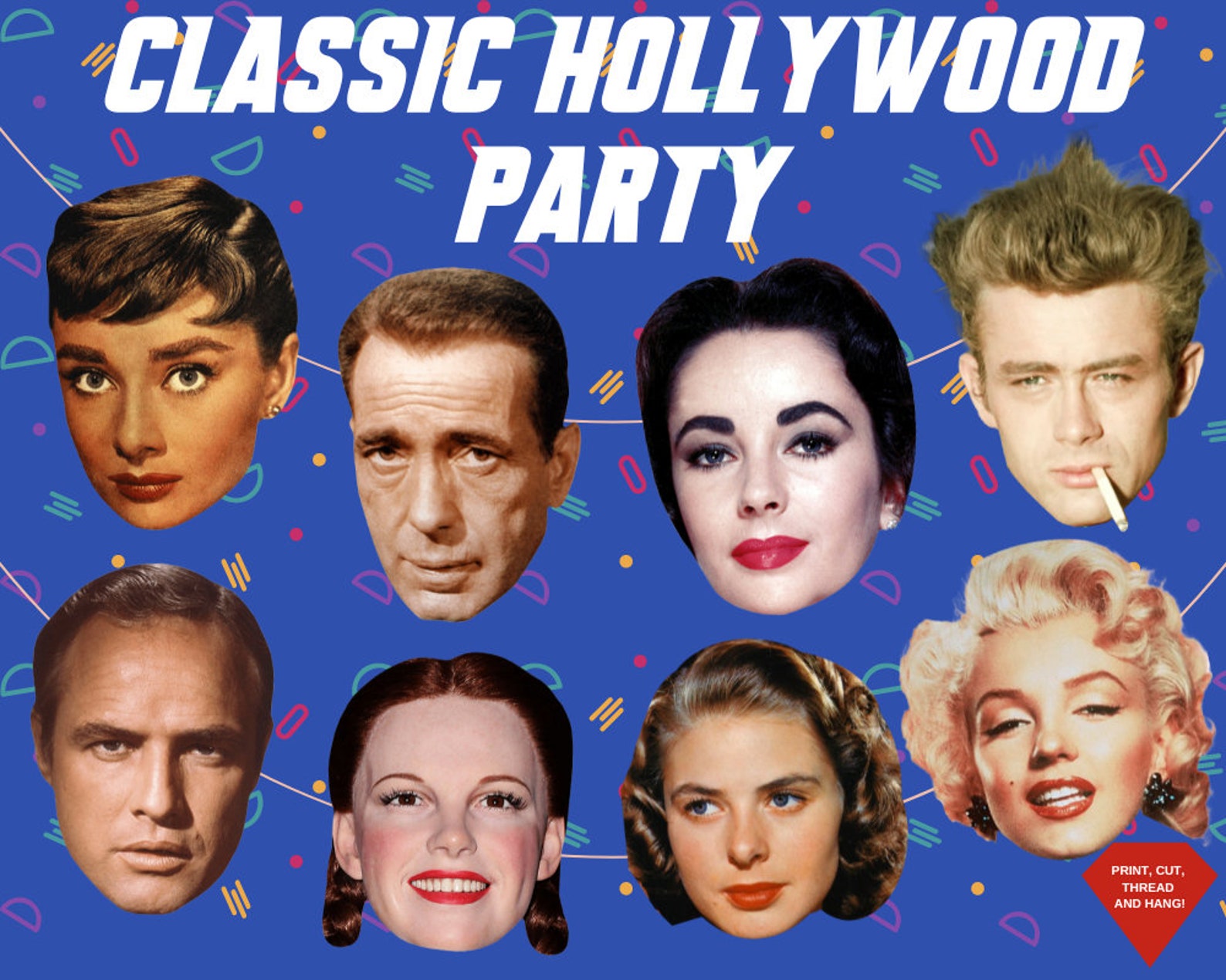
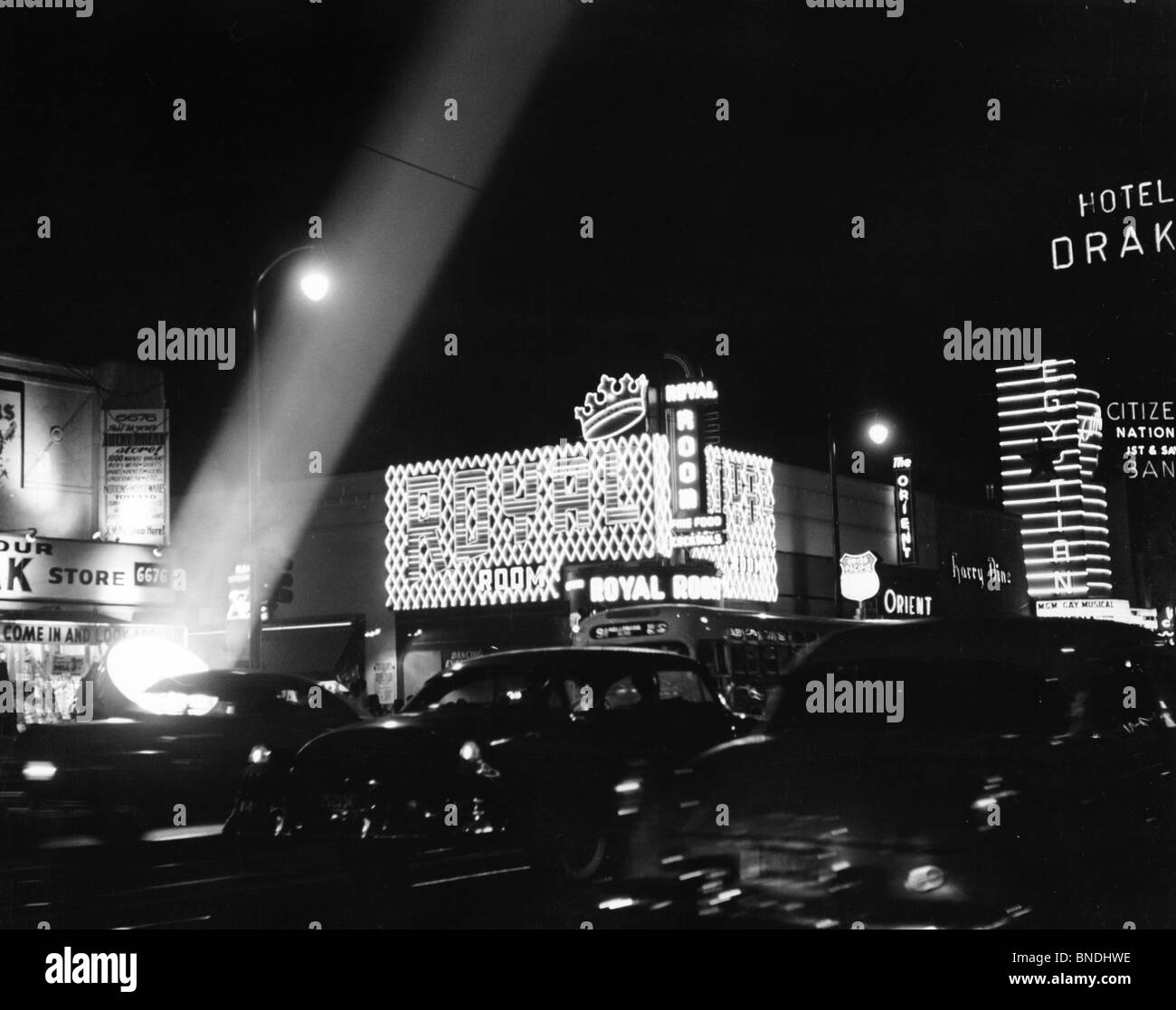
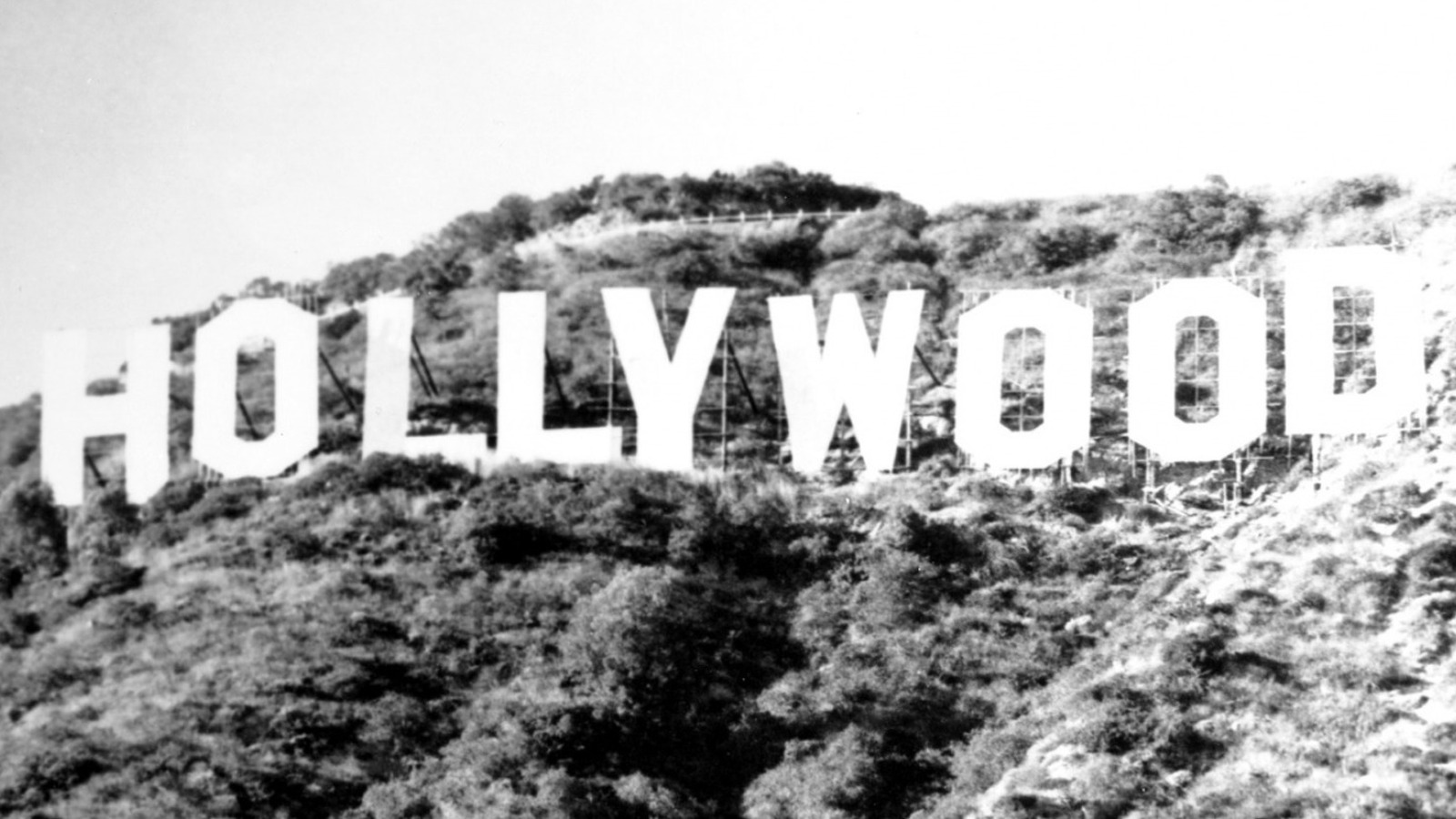
The 1950s in Hollywood represented a transformative era defined by the decline of the traditional studio system, the rise of television as a major competitor, and the introduction of widescreen technologies to lure audiences back to the cinemas. This decade marked a dramatic transition from the glamorous monopoly of the major studios toward independent filmmaking, shifting censorship boundaries, and a more modern, star-driven corporate model.
The Twilight of the Classical Studio System
The 1950s opened with the structural foundations of the classical Hollywood studio system actively eroding. For decades, the "Big Five" studios—MGM, Paramount, Warner Bros., 20th Century-Fox, and RKO—alongside the "Little Three"—Universal, Columbia, and United Artists—maintained a tight oligopoly over the American film industry. This dominance relied heavily on vertical integration, meaning the studios owned the production facilities, the distribution networks, and the movie theaters themselves.
The turning point arrived with the landmark 1948 United States Supreme Court ruling in United States v. Paramount Pictures, Inc.. The court ruled that the major studios' vertical integration violated federal antitrust laws. Studios were ordered to divest their theater chains, severing the guaranteed exhibition pipelines that had sustained them through the Golden Age. Throughout the early and mid-1950s, this divestment forced studios to produce fewer, higher-budget films designed to maximize individual box-office returns rather than churn out a continuous, factory-like stream of B-movies.
Compounding this corporate upheaval was the rapid proliferation of household television sets. As millions of American families purchased televisions, cinema attendance plummeted. Studios could no longer rely on habitual moviegoers who went to the theater multiple times a week simply to see whatever feature was playing. This existential threat forced Hollywood to innovate rapidly, leading to the development of visual and auditory spectacles that television screens of the era could not replicate.
Technological Innovations: Widescreen, Color, and 3D
To combat the domestic television boom, 1950s Hollywood invested heavily in technological spectacles that emphasized the scale and sensory immersion of the theatrical experience. These innovations permanently altered the aesthetics of motion picture production and exhibition.
Cinemascope, introduced by 20th Century-Fox with The Robe in 1953, became the dominant widescreen format of the decade. By using anamorphic lenses to squeeze a wide image onto standard 35mm film during photography and expanding it during projection, studios filled the peripheral vision of the audience. Competitors soon developed rival widescreen systems, such as Todd-AO and VistaVision, forcing theaters to install curved, oversized screens and upgraded stereophonic sound systems.
Simultaneously, the industry experienced a brief craze for 3D cinema, sparked by films like Bwana Devil (1952) and Alfred Hitchcock's Dial M for Murder (1954). While the 3D gimmick faded quickly due to eye strain and projection alignment difficulties, it demonstrated the desperate lengths to which studios went to differentiate theatrical films from broadcast television. Furthermore, color film stock—specifically Eastman Color, which eliminated the expensive and cumbersome three-strip Technicolor camera process—became standard industry practice, making vibrant color photography economically viable for nearly all mainstream productions.
| Technology / Innovation | Introduction Year | Primary Purpose | Impact on Industry |
|---|---|---|---|
| Paramount Decree | 1948 (Enforced through 1950s) | Antitrust divestment of theater chains | Ended the classical studio system and forced independent production models. |
| Cinerama | 1952 | Multi-projector immersive widescreen | Pioneered widescreen spectacles, though technically complex to install. |
| 3D Film Craze | 1952–1954 | Stereoscopic depth illusion | Provided a temporary box-office novelty to combat television adoption. |
| CinemaScope | 1953 | Single-strip anamorphic widescreen | Became the industry standard for widescreen epics and dramas. |
| Eastman Color | 1950 (Adopted widely mid-decade) | Economical single-strip color photography | Replaced cumbersome Technicolor and democratized color filmmaking. |
The Breakdown of the Star System and the Rise of Independents
The dismantling of the studio system profoundly affected the contractual relationship between actors, directors, and the major corporations. During the 1930s and 1940s, stars were locked into rigid, exclusive long-term contracts that gave studios complete control over their public image, loan-outs, and project selections. By the 1950s, prominent talent agents like Lew Wasserman of the Music Corporation of America (MCA) dismantled this framework by negotiating revolutionary deals for their clients.
Wasserman pioneered the "percentage of the gross" deal, most famously for actor James Stewart on the 1950 Western Winchester '73. Instead of accepting a fixed weekly salary, Stewart agreed to a lower upfront fee in exchange for a percentage of the film's box-office earnings. This arrangement created the modern independent producer-actor model, allowing top-tier talent to form their own production companies, select their projects, and pay lower capital gains taxes rather than higher personal income tax rates.
Concurrently, the moral and thematic rigidity of the Production Code—commonly known as the Hays Code—began to fray under economic and cultural pressures. While the Code officially prohibited profanity, explicit sexuality, and sympathetic portrayals of criminality, independent filmmakers and foreign imports increasingly challenged these constraints. Landmark films like Otto Preminger’s The Moon Is Blue (1953) and The Man with the Golden Arm (1955) were released without Production Code seals, signaling that commercial viability could override studio censorship boards.
Ideology, Politics, and the Blacklist in 1950s Cinema
The cultural landscape of 1950s Hollywood was profoundly shaped by Cold War paranoia and domestic anti-communist investigations. The House Un-American Activities Committee (HUAC) launched high-profile hearings into alleged communist infiltration of the motion picture industry, beginning notably in 1947 and intensifying throughout the early 1950s.
When prominent industry figures, including the "Hollywood Ten," refused to testify regarding their political affiliations, major studio executives responded by instituting a formal industry blacklist. Writers, directors, and actors accused of communist sympathies or refusing to cooperate with HUAC were summarily denied employment. Many blacklisted artists were forced to work under pseudonyms or write scripts through uncredited "fronts" to survive financially.
This political climate influenced the content of 1950s cinema. While explicit political subversion was dangerous, studios produced numerous allegorical science fiction and Western films. Masterpieces of science fiction such as The Day the Earth Stood Still (1951) and Invasion of the Body Snatchers (1956) explored themes of paranoia, conformity, and infiltration, reflecting both the anxieties of the atomic age and the social pressures of McCarthyism.
The Evolution of Film Genres: Musicals, Epics, and Gritty Dramas
Film genres in the 1950s underwent significant evolution to reflect changing audience demographics and cultural sensibilities. The decade balanced high-budget historical escapism with gritty, psychologically complex social realism.
Historical epics became a staple for major studios seeking to leverage widescreen technology and color photography. Blockbusters such as The Ten Commandments (1956) and Ben-Hur (1959) drew massive audiences back to theaters by offering sweeping spectacles, thousands of extras, and religious or historical grandeur that dwarfed domestic television screens. These epics required massive financial investments, defining the blockbuster era long before the modern franchise era.
Simultaneously, the musical genre reached its colorful zenith with productions from MGM, such as Singin' in the Rain (1952) and An American in Paris (1951). However, the gritty contemporary drama also gained immense traction, driven by the introduction of Method acting popularized by the Actors Studio in New York. Performers like Marlon Brando and James Dean brought raw, emotionally volatile, and naturalistic acting styles to films like A Streetcar Named Desire (1951) and East of Eden (1955), redefining cinematic masculinity and capturing the angst of post-war youth.
Frequently Asked Questions About 1950s Hollywood
What was the studio system in 1950s Hollywood?
The studio system was a centralized, corporate model where major entertainment conglomerates controlled film production, distribution, and exhibition. In the 1950s, this system declined due to antitrust legislation that forced studios to sell their theater chains, ending guaranteed distribution and giving rise to independent production.
How did television impact Hollywood in the 1950s?
The rapid adoption of household television sets caused a steep decline in box-office attendance. In response, Hollywood introduced widescreen formats like CinemaScope, stereophonic sound, color photography, and 3D films to provide a visual spectacle that television could not replicate.
What was the Hollywood Blacklist?
The Hollywood Blacklist was an industry-wide ban enforced during the Red Scare of the 1950s, preventing writers, actors, and directors suspected of communist ties from finding employment. Initiated by studio executives following HUAC investigations, it forced many talented artists to work in secret or under pseudonyms.
How did actors' contracts change during this decade?
Top-tier actors transitioned from rigid, long-term studio employment to independent status. Represented by aggressive talent agents, stars began securing profit-participation deals, receiving a percentage of a film's box office gross rather than a fixed weekly salary.
What role did Method acting play in 1950s films?
Method acting introduced a raw, psychological, and naturalistic performance style derived from Stanislavski's techniques. Championed by actors like Marlon Brando and James Dean, it challenged classical theatrical delivery and shaped the portrayal of troubled post-war protagonists.
Navigating Historical Film Research and Preservation
For researchers, historians, and film enthusiasts studying 1950s Hollywood, accessing primary source material requires examining studio archives, trade publications like Variety and The Hollywood Reporter, and records from the Academy of Motion Picture Arts and Sciences. When analyzing this era, prioritize original studio production files and verified oral histories over secondary mythologies. Understanding the complex intersection of antitrust law, technological disruption, and Cold War politics provides a clear, comprehensive view of how modern American cinema was forged during its most turbulent decade.