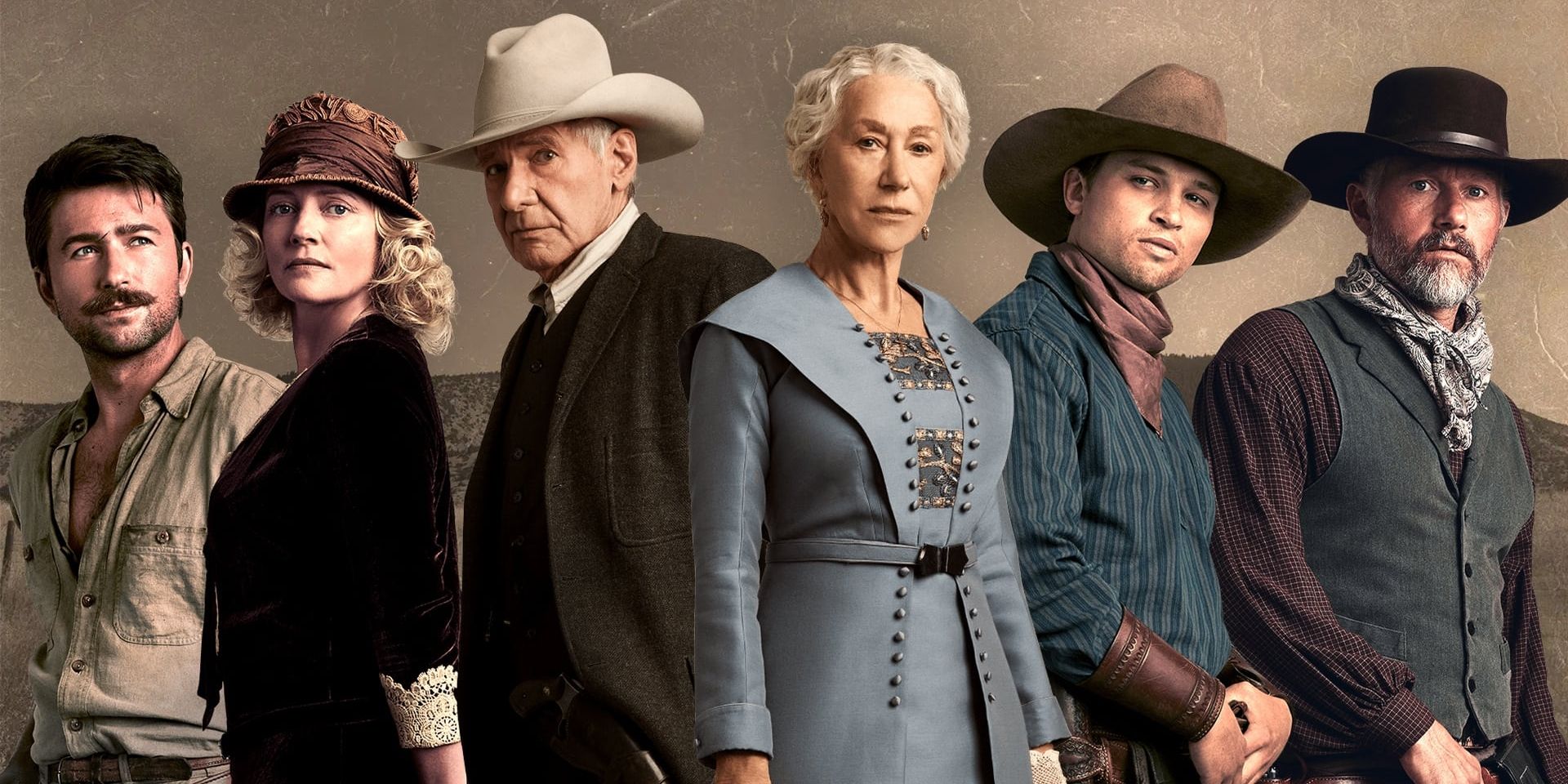
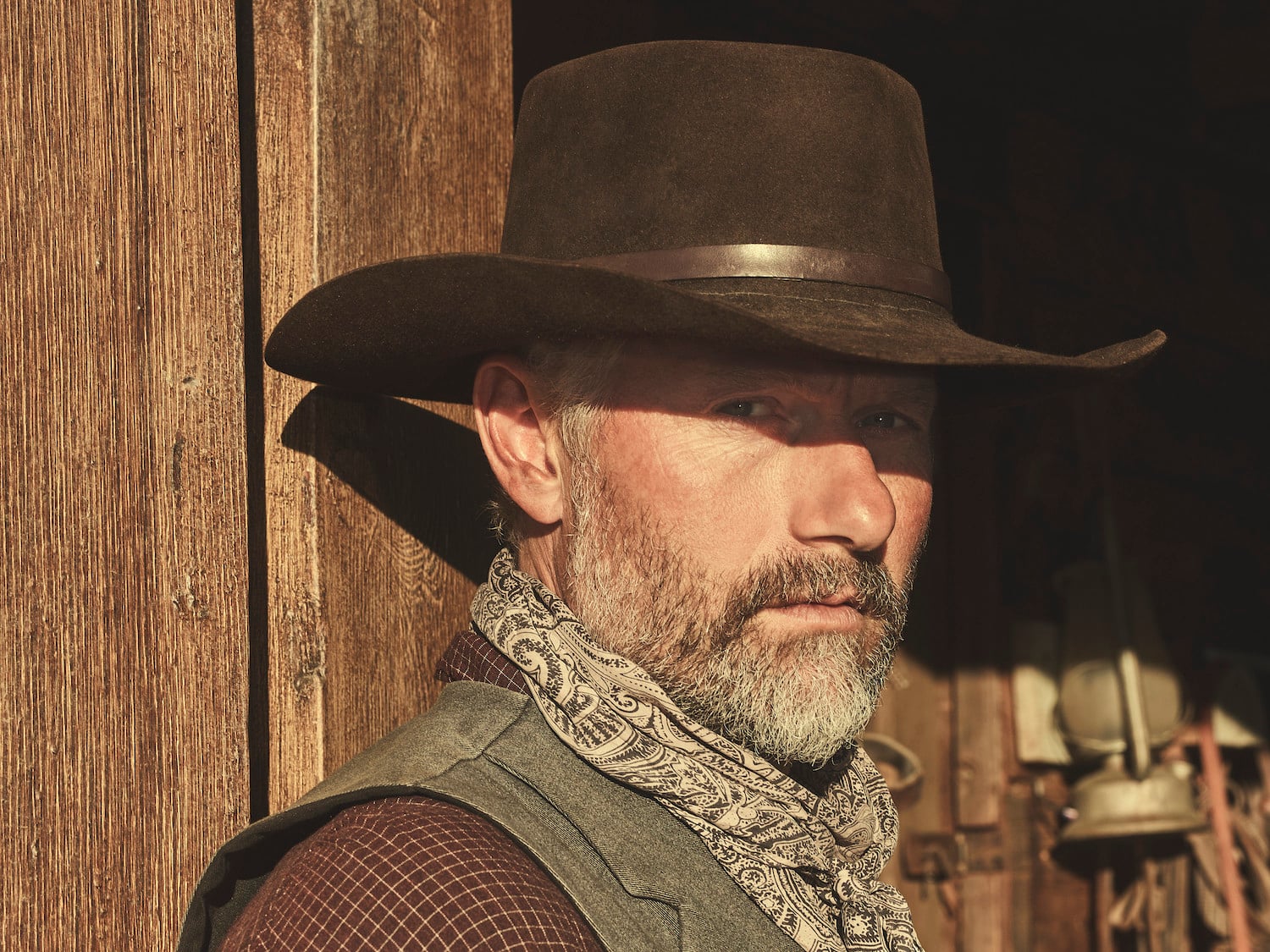
The priest in the Paramount+ series 1923 is portrayed by veteran French-Scottish actor Sebastian Roché. He plays Father Renaud, the stern and abusive headmaster of the School for American Indians in North Dakota. Roché is a prolific actor widely known for his performances in Supernatural, The Originals, and The Man in the High Castle.
Who Plays the Priest in 1923? Introducing Sebastian Roché
The character of Father Renaud in Taylor Sheridan’s western drama series 1923 is brought to life by Sebastian Roché, an actor recognized internationally for his versatile portrayals of complex, often morally ambiguous characters. Born on August 4, 1964, in Paris, France, Roché holds dual French and Scottish citizenship. His background includes extensive classical training at the prestigious Conservatoire National Supérieur d'Art Dramatique (CNSAD) in Paris, which established the foundation for a career spanning four decades across theatre, film, and network television.
Roché's background is notably international. Raised partly aboard a sailboat with his family during his youth, he traveled extensively across the Mediterranean, Africa, South America, and the Caribbean. This cosmopolitan upbringing contributed to his fluency in multiple languages, including French, English, Spanish, and Italian. His multilingual capacity and refined vocal delivery have made him a natural fit for period pieces, international co-productions, and high-concept genre television.
Before joining the cast of 1923, Roché built a reputation as one of television’s most dependable character actors. He transitioned from French theatre and European television to major American screen productions in the early 1990s. Over the years, he has appeared in blockbuster films, daytime soaps, peak-TV dramas, and long-running fantasy franchises. In 1923, his classical training is on full display as he crafts a cold, authoritarian persona that drives one of the series' most harrowing storylines.
Character Profile: Father Renaud’s Role in the Yellowstone Prequel
In 1923, a prequel to the hit series Yellowstone and a direct sequel to 1883, Father Renaud serves as the primary antagonist within the narrative line focused on Indigenous boarding schools. He is the headmaster of the Roman Catholic School for American Indians in North Dakota, an institution dedicated to the forced assimilation of Native American youths.
Father Renaud embodies the institutional severity and ideological rigidness of early 20th-century government- and church-sanctioned residential school systems. He views his severe corporal punishment and cultural eradication efforts not as cruelty, but as righteous spiritual correction. This mindset creates an environment of pervasive fear and trauma for the young Indigenous women confined to the facility.
The Conflict with Teonna Rainwater
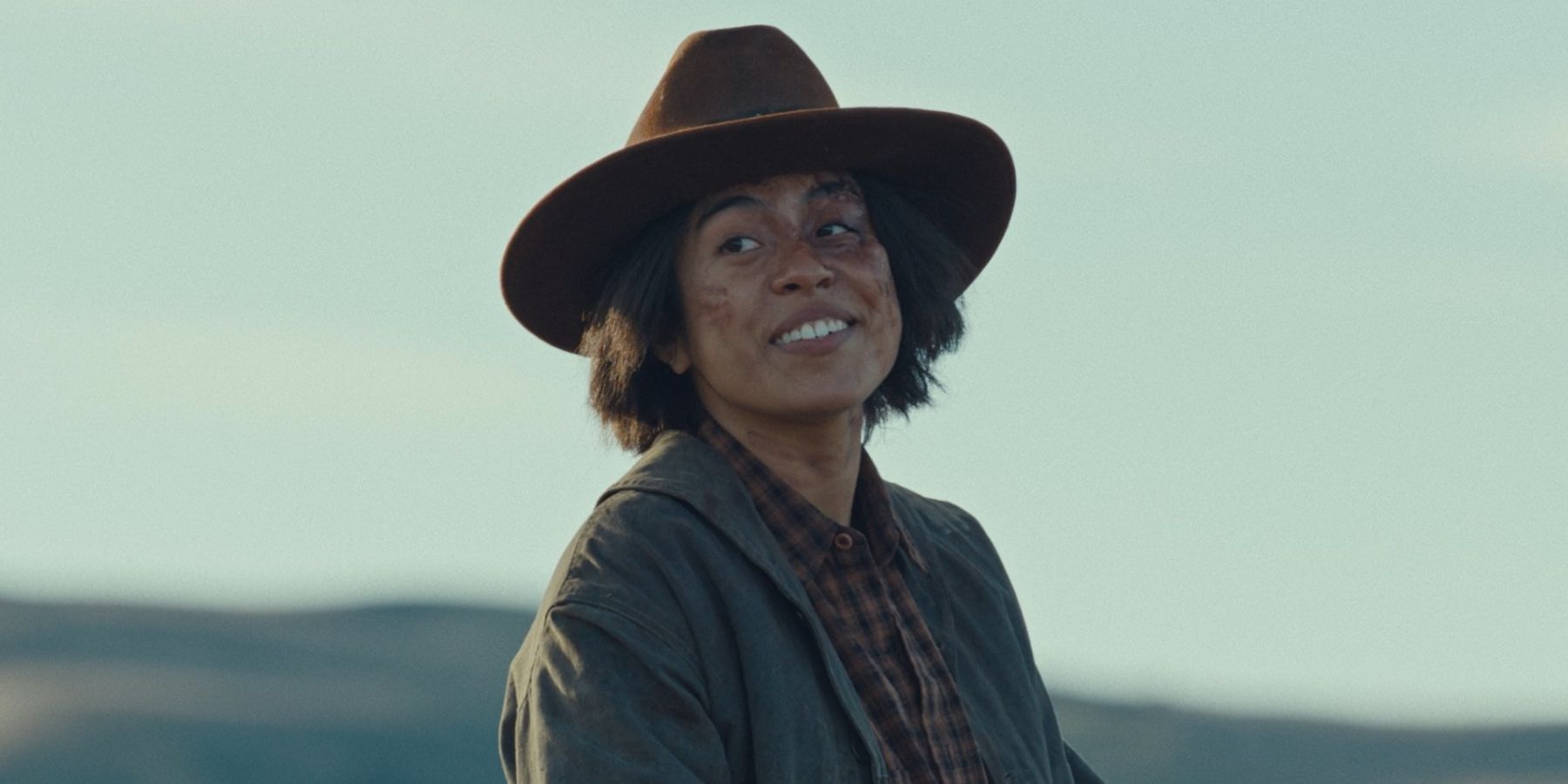
Father Renaud's primary narrative conflict centers on his interactions with Teonna Rainwater, played by Aminah Nieves. Teonna is a fierce young Crow woman who refuses to surrender her identity, language, or self-respect despite systematic abuse.
- Institutional Control: Father Renaud demands absolute obedience, enforcing rules against speaking native languages or practicing traditional customs.
- Escalating Violence: When Teonna rebels against the physical cruelty inflicted by the school's staff, including Sister Mary (played by Jennifer Ehle), Father Renaud responds with severe physical retribution.
- The Pursuit: Following Teonna’s escape from the compound, Father Renaud mobilizes marshals and church officials to hunt her down, demonstrating his unwillingness to let any student challenge institutional authority.
Through Father Renaud, series creator Taylor Sheridan explores a painful chapter of North American history. Roché’s portrayal ensures that the character is not a cartoonish villain, but rather a chilling representation of ideological fanatacism and institutional power.
Sebastian Roché’s Most Famous Television and Film Roles
While fans of the Yellowstone universe know him as Father Renaud, Sebastian Roché has built an extensive filmography in popular television and cinema. He frequently portrays commanding authority figures, ancient immortals, and formidable villains.
1. Supernatural (Balthazar)
In the long-running CW fantasy series Supernatural, Roché played Balthazar, a rogue angel and former comrade of Castiel. Introducing a blend of dry humor, cynicism, and unpredictable morals, Roché became an instant fan favorite during the show's sixth season.
2. The Vampire Diaries and The Originals (Mikael Mikaelson)
Roché portrayed Mikael Mikaelson, the patriarch of the Original vampire family and the ultimate vampire hunter. Appearing in both The Vampire Diaries and its spin-off The Originals, his performance as a terrifyingly powerful father hunting his own children established him as one of the franchise's most memorable antagonists.
3. The Man in the High Castle (Reichsmarschall Martin Heusmann)
In Amazon Prime’s dystopian drama The Man in the High Castle, Roché played Martin Heusmann, a high-ranking German official who becomes the Reichsführer. His portrayal delivered political gravitas and quiet menace within an alternate historical reality.
4. General Hospital (Jerry Jacks)
For daytime television audiences, Roché is widely recognized for his recurring role as Jerry Jacks on General Hospital. Portraying a suave yet dangerous criminal mastermind, Roché earned widespread acclaim for bringing prime-time dramatic energy to daytime screen writing.
5. Beowulf (2007)
In Robert Zemeckis’s motion-capture film adaptation of Beowulf, Roché played Wulfgar, bringing his classical stage voice to a high-profile cinematic epic alongside Ray Winstone and Anthony Hopkins.
Comparative Overview of Sebastian Roché's Major Roles
The following table summarizes Sebastian Roché’s most prominent roles across television and film, highlighting the character types and key traits he brings to each production:
| Show / Film Title | Character Name | Genre / Platform | Character Archetype | Key Performance Traits |
|---|---|---|---|---|
| 1923 | Father Renaud | Period Drama (Paramount+) | Authoritarian Headmaster | Rigorous, unyielding, ideologically cold |
| Supernatural | Balthazar | Fantasy / Drama (The CW) | Rogue Angel | Charismatic, witty, unpredictable |
| The Originals | Mikael Mikaelson | Supernatural Drama (The CW) | Ancient Patriarch | Imposing, relentless, fiercely formidable |
| The Man in the High Castle | Martin Heusmann | Dystopian Sci-Fi (Amazon) | High-Ranking Political Leader | Calculating, stoic, ideologically driven |
| General Hospital | Jerry Jacks | Daytime Drama (ABC) | Master Criminal | Suave, dangerous, charm-driven |
| Odyssey 5 | Kurt Mendel | Science Fiction (Showtime) | Cynical Scientist | Irreverent, sharp-witted, analytical |
Performance Analysis: How Roché Brought Intensity to Father Renaud
Playing an abuser in a historical drama based on real-world historical atrocities requires a delicate balance. Actors must represent historical reality without sensationalizing trauma. Roché’s approach to Father Renaud focuses on the character's terrifying self-righteousness.
Classical Stage Technique
Roché’s training at the Conservatoire National Supérieur d'Art Dramatique gives him precise vocal modulation and posture control. In 1923, he rarely raises his voice to a scream; instead, he uses quiet, deliberate cadences that project absolute certainty. This restraint makes Father Renaud's threats feel more dangerous because they stem from official authority rather than loss of emotional control.
Finding the Internal Logic of an Antagonist
In interviews discussing villainous roles, Roché has often emphasized that effective antagonists rarely view themselves as evil. Father Renaud acts out of a conviction that he is saving souls through suffering. By playing the character's internal conviction rather than projecting overt malice, Roché highlights the danger of institutional fanaticism.
On-Set Dynamic and Sensitivity
Portraying intense abuse scenes required close coordination with co-stars like Aminah Nieves and direct collaboration with intimacy coordinators and stunt coordinators. Roché and the production team focused on maintaining a respectful on-set environment while executing heavy dramatic scenes aimed at detailing historical realities accurately.
Historical Context: American Indian Boarding Schools in 1923
To fully appreciate the role of Father Renaud, viewers must understand the real-world historical background that inspired Taylor Sheridan’s script. The School for American Indians in 1923 reflects the official government and religious boarding school policies active in the United States and Canada during the late 19th and mid-20th centuries.
Historical Framework of Residential Schools (Early 20th Century):
Federal/Church Policy
Forced Removal of Children
Institutional Assimilation
- Cultural Eradication
- Mandatory Hair Cutting
- Prohibition of Native Languages
- Enforced Religious Conversion
- Systemic Cruelty
- Severe Corporal Punishment
- Emotional & Spiritual Trauma
- High Mortality / Disease Rates
- Cultural Eradication
Forced Assimilation Policies: Federal policies, such as those established under the Civilization Fund Act of 1819 and subsequent expansions, authorized the removal of Indigenous children from their families to be placed in boarding schools.
Cultural Eradication: Schools operated under the explicit philosophy of removing Indigenous language, clothing, religious practices, and hair styles, replacing them with English and Euro-American customs.
Role of Religious Institutions: Many of these institutions were managed by Christian denominations, including Catholic orders, which received federal funds to operate residential facilities.
By embedding Father Renaud into this history, 1923 uses his character as a dramatic vessel to educate audiences on systemic abuses that affected generations of Indigenous families.
Frequently Asked Questions About the 1923 Priest Actor
Who plays the priest in 1923?
The priest, Father Renaud, is played by veteran French-Scottish actor Sebastian Roché. He is best known for his work in classical theatre, television dramas, and major fantasy series.
Is Sebastian Roché in other Yellowstone universe shows?
No, Sebastian Roché does not appear in the flagship series Yellowstone, 1883, or Mayor of Kingstown. His involvement in Taylor Sheridan's universe is focused on his role as Father Renaud in 1923.
What other popular shows feature Sebastian Roché?
Roché has appeared in numerous high-profile series, including Supernatural (as Balthazar), The Vampire Diaries and The Originals (as Mikael), The Man in the High Castle (as Martin Heusmann), General Hospital (as Jerry Jacks), and Roar.
Is Father Renaud based on a real historical person?
Father Renaud is a fictional character created by Taylor Sheridan for 1923. However, his character is directly inspired by the historical administrators and clergy who oversaw American Indian boarding schools in North America during the 19th and 20th centuries.
What languages does Sebastian Roché speak?
Roché is fluent in English and French, and he is proficient in Spanish and Italian. His international background and linguistic skills have allowed him to take on diverse international roles throughout his career.
Exploring Sebastian Roché’s Work Beyond 1923
For viewers impressed by Sebastian Roché’s compelling performance as Father Renaud, exploring his broader body of work offers a masterclass in character acting. To fully appreciate his range across different genres, consider the following viewing path:
- For Supernatural & Fantasy Fans: Start with Supernatural Season 6 to watch Roché’s charismatic performance as the angel Balthazar, followed by The Originals for his formidable portrayal of Mikael.
- For Historical & Dystopian Drama Enthusiasts: Watch The Man in the High Castle on Amazon Prime, where Roché delivers a subtle, politically charged performance within an alternate history framework.
- For Period Drama Buffs: Revisit his role in 1923 on Paramount+ alongside his earlier appearances in historical feature films like The Last of the Mohicans (1992) and Beowulf (2007).
By examining Roché's progression from French classical stage actor to key player in peak-TV sagas, fans can gain a deeper appreciation for the technical skill behind one of 1923’s most memorable characters.