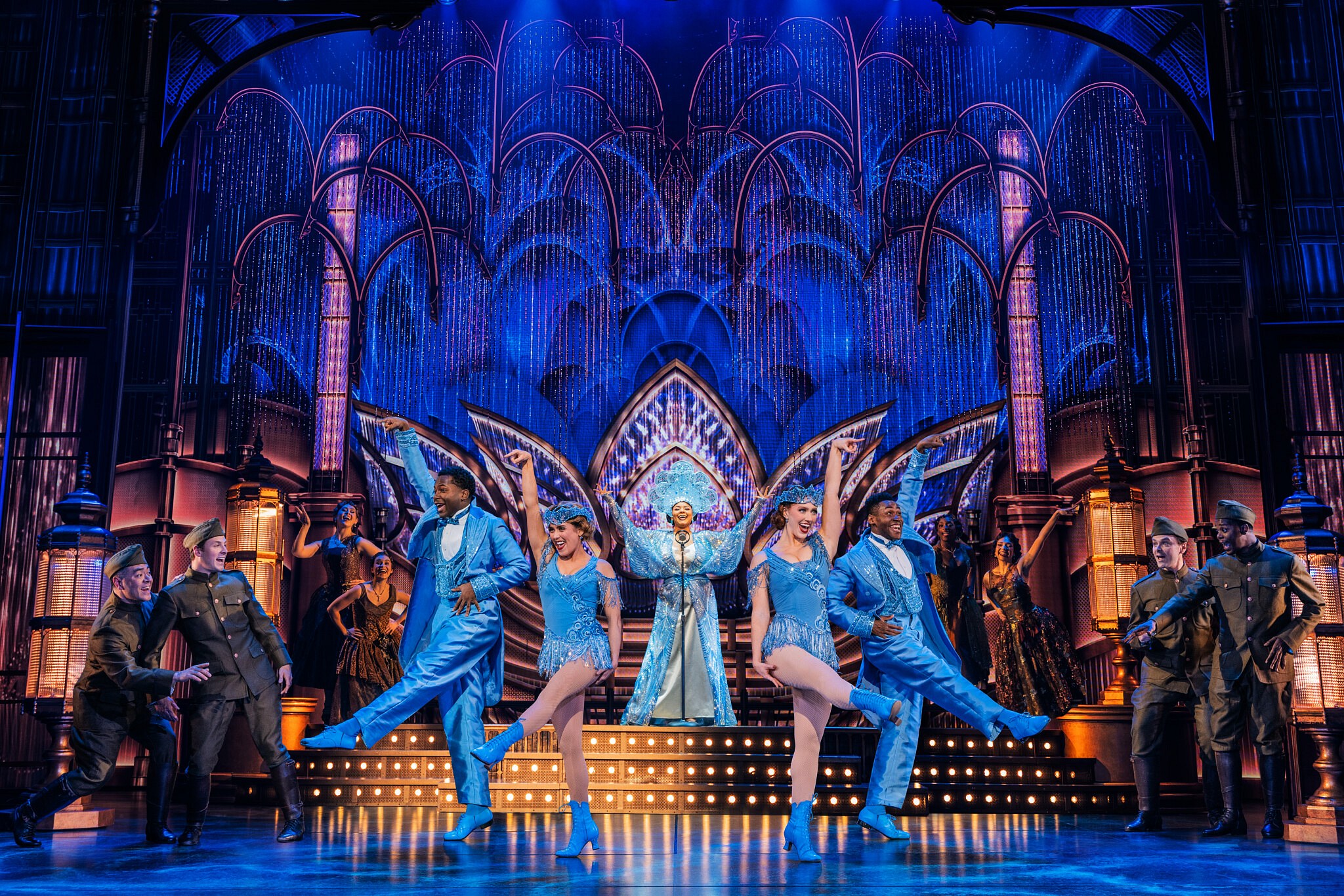
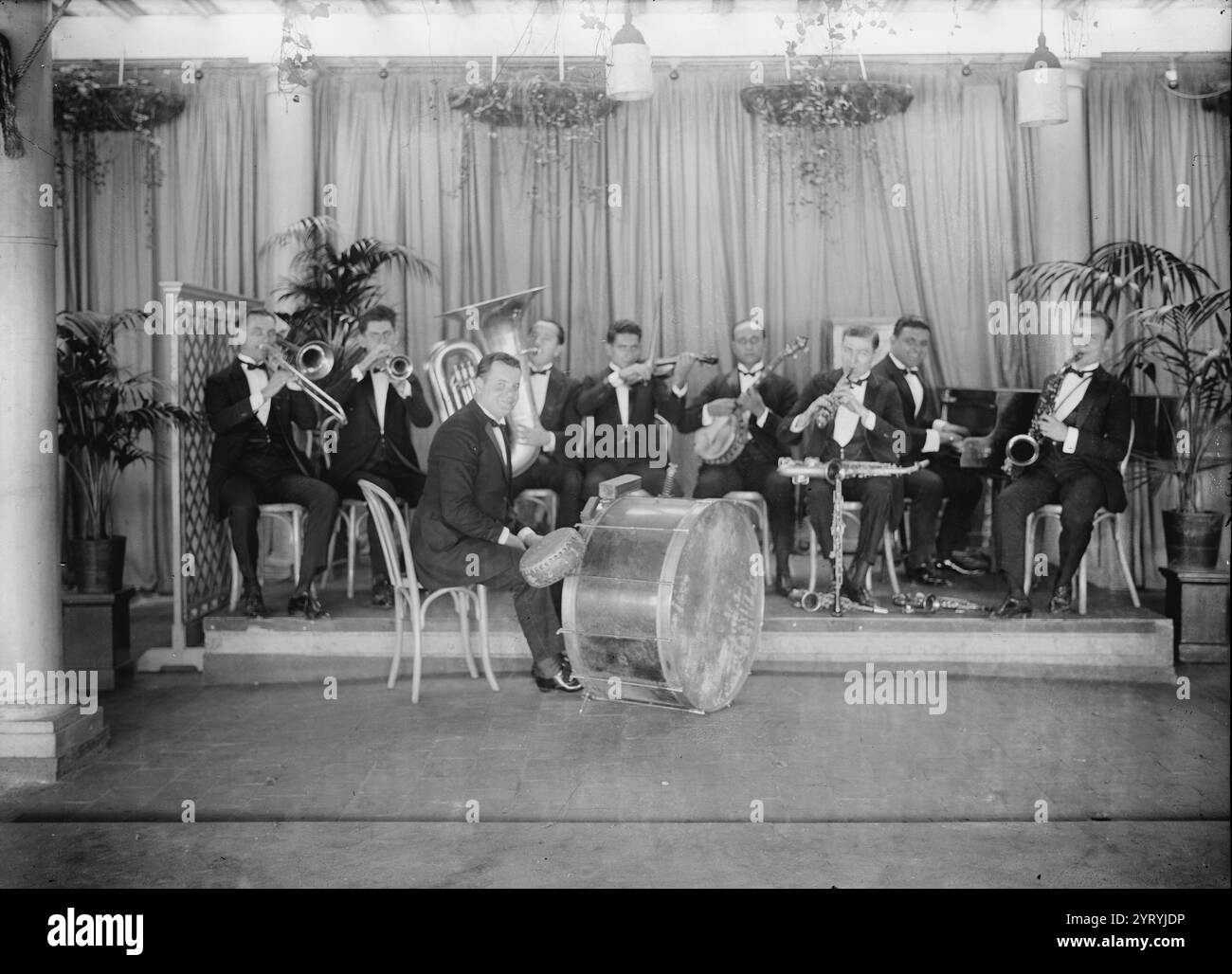
The 1920s musical represents a transformative era in theatrical history, shifting American popular entertainment from loosely structured variety revues to story-driven narrative productions. Defined by the rise of jazz, energetic tap choreography, Tin Pan Alley songcraft, and groundbreaking works like Show Boat (1927), the Roaring Twenties established the structural and artistic foundation of modern musical theatre.
The Cultural Landscape of the Roaring Twenties Stage
The decade following the First World War brought rapid urbanization, economic expansion, and dramatic shifts in social values. Theatre served as the vibrant heartbeat of this changing society. In New York City, Broadway emerged as the international epicenter of commercial entertainment, fueled by the booming economy and a population eager for modern, fast-paced escapism.
During the early 1920s, the American musical stage was divided into three main entertainment formats: European-style operettas, spectacular star-driven revues, and lighthearted musical comedies. Operettas by composers like Sigmund Romberg (The Student Prince, 1924) and Rudolf Friml (Rose-Marie, 1924) offered sweeping romantic melodramas set to lush orchestral arrangements. Concurrently, grand revues—most notably the Ziegfeld Follies, produced by Florenz Ziegfeld Jr.—dominated box offices with high-budget comedy sketches, elaborate costumes, and grand production numbers that featured popular songs without a central storyline.
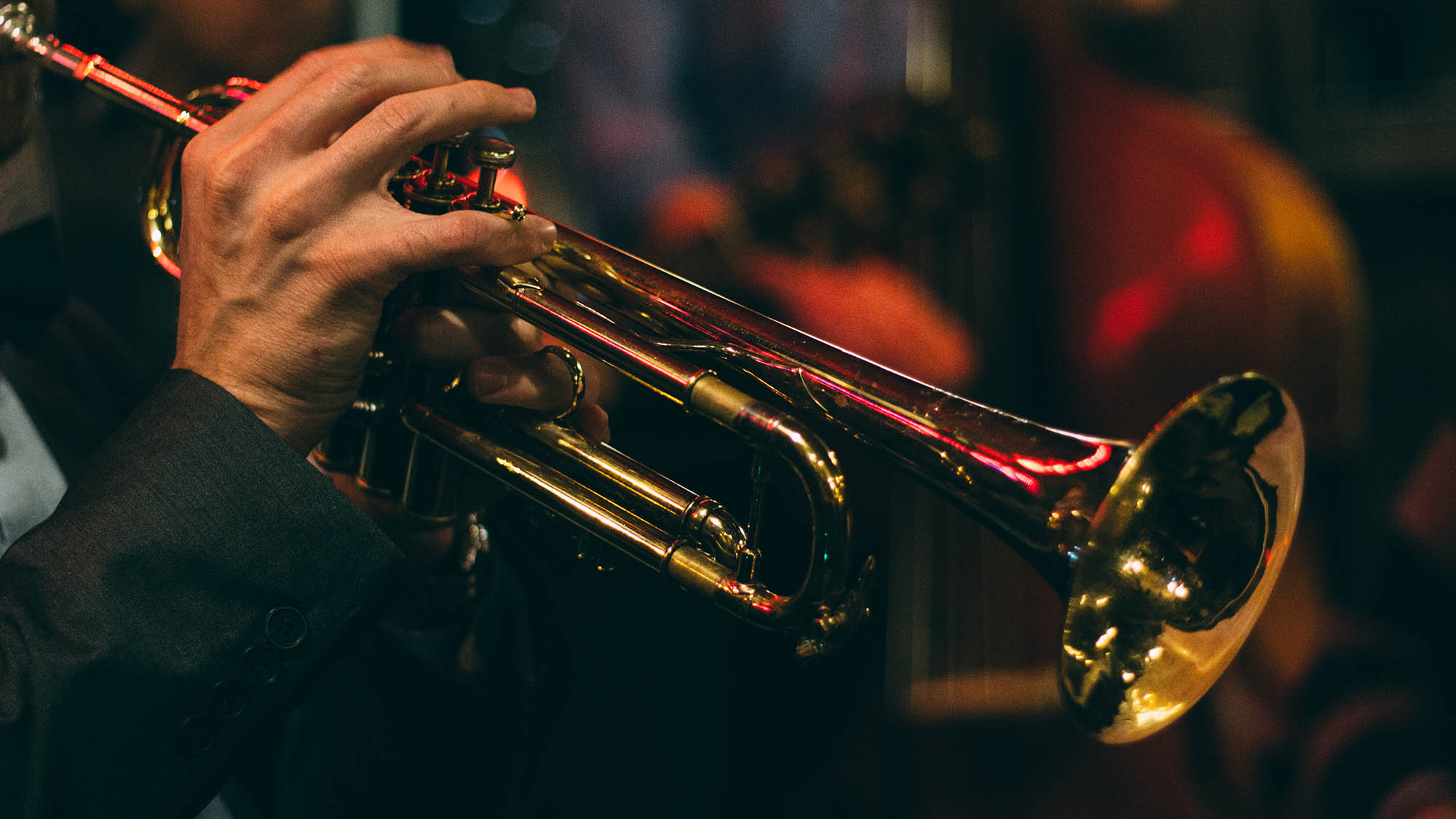
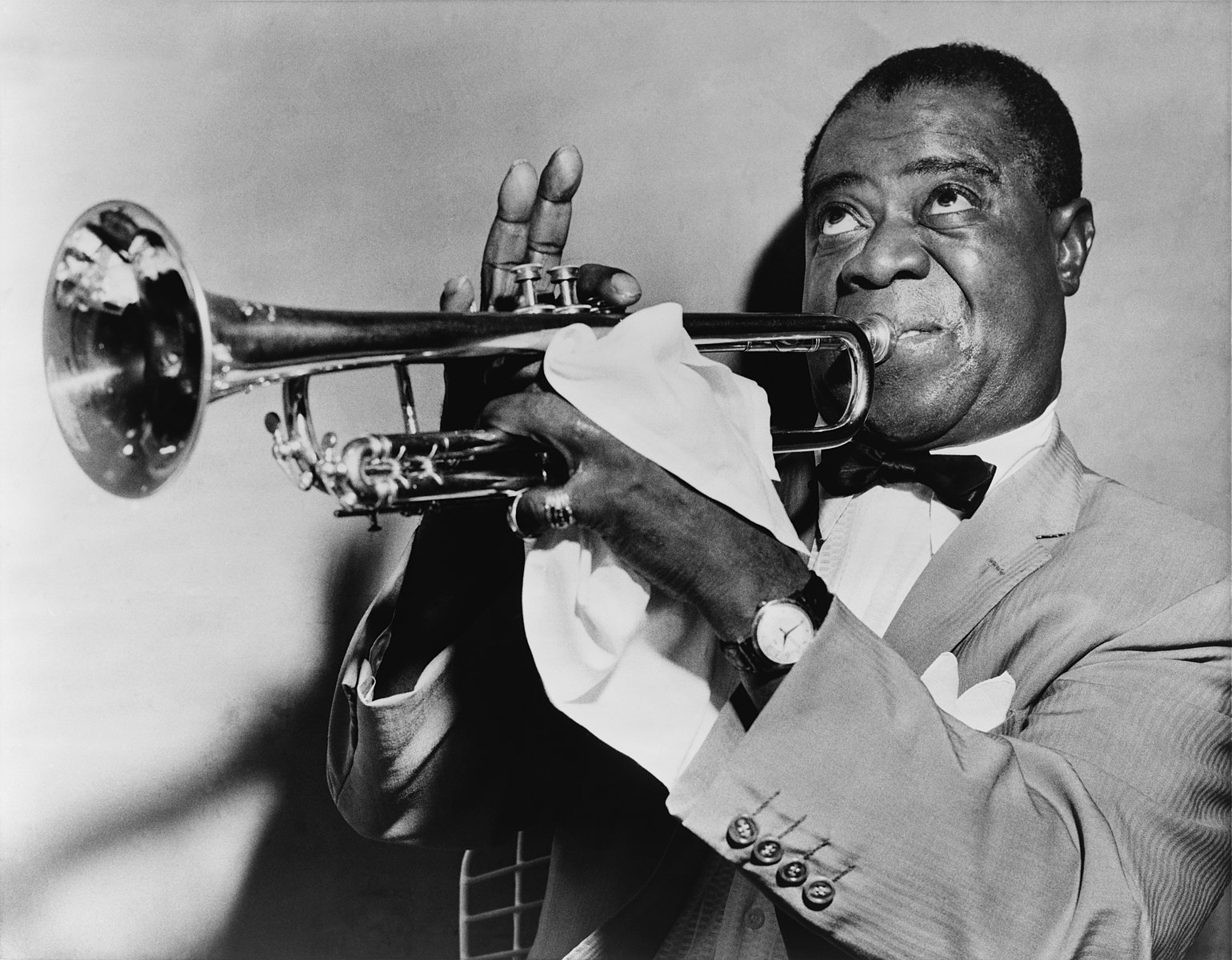
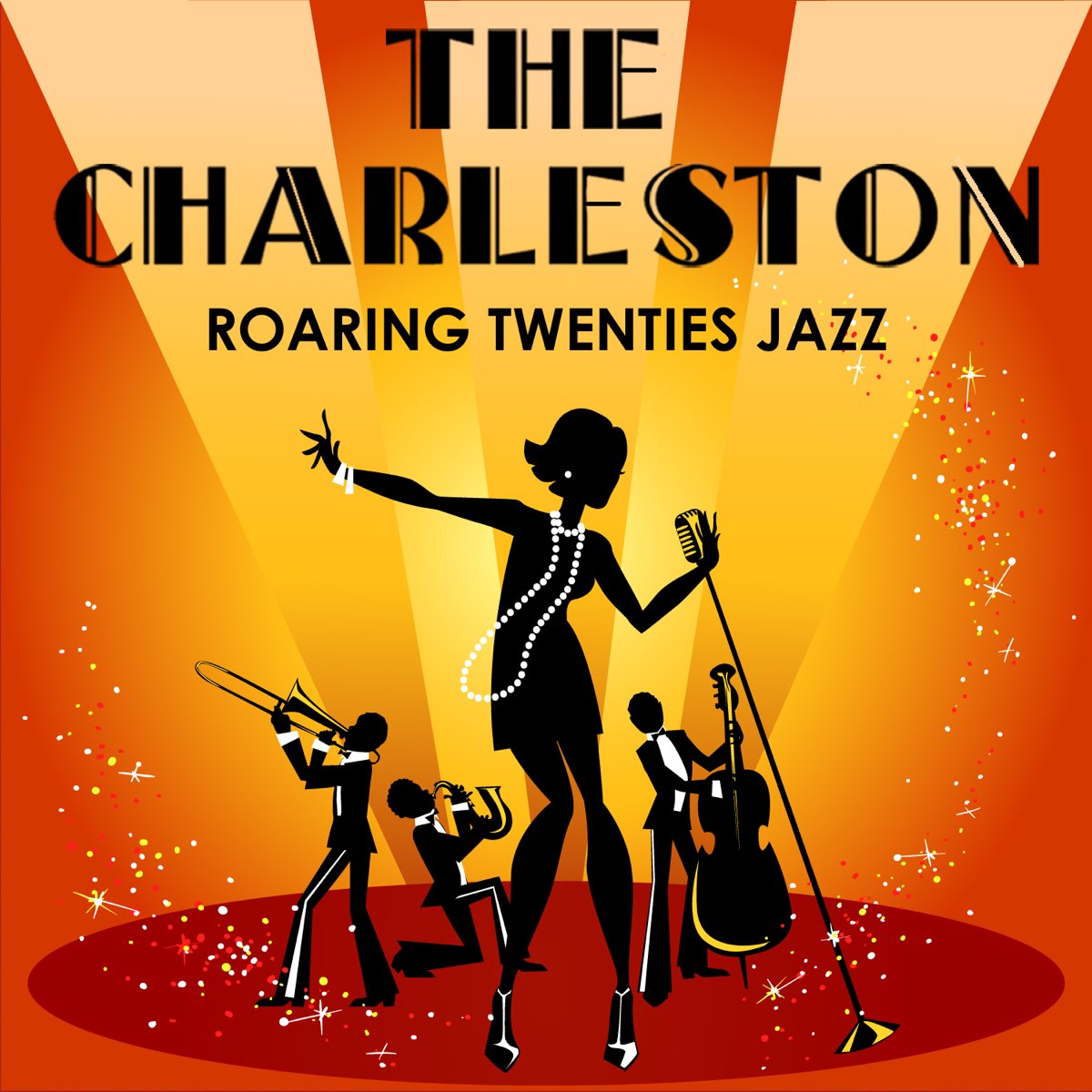
However, the defining sound of the decade was jazz. As Prohibition pushed nightlife into speakeasies, the syncopated rhythms of African American musicians moved into mainstream culture. Modern dance crazes such as the Charleston, the Black Bottom, and intricate tap routines demanded faster tempos and higher energy from theatrical scores. Songwriters on New York's famous Tin Pan Alley quickly adapted, forging a musical idiom that was uniquely American, urban, and modern.
Major Eras and Structural Evolution of 1920s Stage Works
The evolution of the 1920s musical can be understood as a steady progression toward narrative integration—the concept that songs, dances, and dialogue should directly advance the plot and reveal character motives, rather than serving as disconnected specialty acts.
- Early 1920s: Star Revues & Operettas
- Mid-1920s: Jazz-Age Musical Comedies
- Late 1920s: Integrated Narrative & Sound Film
The Early 1920s: Revues and Song Catalogs
In the early years of the decade, audiences primarily attended shows to see specific star performers or listen to hit songs. Plots in musical comedies were paper-thin, acting merely as simple frameworks to connect comedy routines and musical numbers. If a song became a hit, it was often inserted into a show regardless of whether it fit the setting or storyline.
The Mid-1920s: High-Energy Musical Comedies
By 1924 and 1925, writers and composers began creating musical comedies tailored around contemporary themes, youth culture, and modern romance. Shows began featuring driving jazz scores and unified dance arrangements. Lyrics became wittier and more colloquial, reflecting the urban vernacular of the decade.
The Late 1920s: Narrative Integration and Dramatic Depth
The turning point arrived in late 1927. The premier of Show Boat demonstrated that a musical could tackle complex social themes, including racial prejudice, marital failure, and addiction, while maintaining seamless artistic unity between score and book. Concurrently, the commercial emergence of sound motion pictures transformed how musical scores were produced and distributed.
Definitive 1920s Musicals: Key Productions and Artistic Breakthroughs
Several landmark stage productions redefined what musicals could achieve artistically and socially during the 1920s.
Shuffle Along (1921)
Created by the creative team of Eubie Blake, Noble Sissle, Flournoy Miller, and Aubrey Lyles, Shuffle Along was a historic breakthrough. As an all-Black musical written, directed, and performed by African American artists, it became a massive box-office success on Broadway, running for over 500 performances. The production introduced iconic songs such as "I'm Just Wild About Harry" and featured high-octane jazz dance sequences choreographed with unprecedented precision. Shuffle Along proved the commercial viability of Black musical theatre on Broadway and launched the careers of legendary performers, including Josephine Baker and Florence Mills.
Lady, Be Good! (1924)
Featuring music by George Gershwin and lyrics by Ira Gershwin, Lady, Be Good! marked the first Broadway collaboration where the brothers wrote the complete score together. Starring the brother-and-sister dance team Fred and Adele Astaire, the musical brought authentic jazz harmony into standard musical comedy structures. Numbers like "Fascinating Rhythm" showcased George Gershwin's complex syncopations and Ira's sharp, rhythmic lyricism, establishing a new standard for American popular song.
No, No, Nanette (1925)
Composed by Vincent Youmans with lyrics by Otto Harbach and Irving Caesar, No, No, Nanette became the quintessential romantic musical comedy of the mid-1920s. Following a successful pre-Broadway tour, its Broadway run solidified its status as an international sensation. Songs like "Tea for Two" and "I Want to Be Happy" achieved worldwide popularity. The show's lighthearted plot involving misunderstood relationships and modern youth culture captured the optimistic spirit of the era.
Show Boat (1927)
Premiering on December 27, 1927, at the Ziegfeld Theatre, Show Boat is widely recognized as the single most important structural landmark in American musical theatre. Adapted by composer Jerome Kern and lyricist-librettist Oscar Hammerstein II from Edna Ferber's bestselling 1926 novel, the musical spanned several decades in the lives of showboat performers on the Mississippi River. Kern and Hammerstein crafted a fully integrated score where every song—such as "Ol' Man River," "Can't Help Lovin' Dat Man," and "Make Believe"—directly served character development and dramatic narrative.
- 1920s Musical Theatre Milestones
- 1921: Shuffle Along (Blake / Sissle)
- All-Black Broadway hit; popularized jazz/tap on main stage.
- 1924: Lady, Be Good! (G. & I. Gershwin)
- Integrated syncopated jazz harmonies; starred the Astaires.
- 1925: No, No, Nanette (Youmans / Harbach / Caesar)
- Definitive 1920s farce; introduced global hits like "Tea for Two".
- 1927: Show Boat (Kern / Hammerstein II)
- The first true integrated dramatic musical play; tackled serious themes.
- 1921: Shuffle Along (Blake / Sissle)
Musicals Set in the 1920s vs. Authentic 1920s Productions
When studying or searching for a "1920s musical," researchers often encounter a distinction between authentic historical works written and produced during the 1920s and modern musicals set within the 1920s.
Modern writers frequently use the 1920s as a setting because its iconic imagery—flappers, speakeasies, gangsters, and jazz bands—provides immediate theatrical color. Understanding these differences helps theatre historians, directors, and students accurately analyze repertoire.
- Authentic 1920s Musicals: Written during the era, these works reflect the immediate tastes, language, and racial attitudes of the 1920s. Examples include Shuffle Along (1921), Sally (1920), The Student Prince (1924), No, No, Nanette (1925), Oh, Kay! (1926), and Show Boat (1927).
- Modern Works Set in the 1920s: Created decades later, these shows examine the Roaring Twenties through a contemporary artistic lens, often satirizing or critically evaluating the era's morals and media culture. Key examples include:
- Chicago (1975): John Kander, Fred Ebb, and Bob Fosse used 1920s vaudeville acts to satirize modern celebrity culture and criminal justice.
- Singin' in the Rain (1952 film / 1985 stage): Focuses on Hollywood's chaotic 1927 transition from silent films to talkies.
- Thoroughly Modern Millie (2002): A modern pastiche celebrating the flapper lifestyle and youth culture of 1922 New York.
- The Drowsy Chaperone (2006): A meta-musical that directly parodies the plot tropes and lighthearted style of 1928 musical comedies.
The Dawn of the Movie Musical (1927–1929)
The final years of the 1920s witnessed a major technological turning point that altered the trajectory of musical theatre: the commercial introduction of synchronized sound in motion pictures.
In October 1927, Warner Bros. released The Jazz Singer, starring Broadway icon Al Jolson. Utilizing the Vitaphone sound-on-disc system, the film featured synchronized singing and musical sequences. Its extraordinary commercial success triggered an immediate industry-wide rush to convert silent movie studios to sound facilities.
In 1929, Metro-Goldwyn-Mayer (MGM) released The Broadway Melody, marketed as the first "all-talking, all-singing, all-dancing" feature film. With an original score by Nacio Herb Brown and Arthur Freed, the movie was a massive commercial hit and won the Academy Award for Best Picture.
This rapid technological transition prompted a massive migration of creative talent. Top Broadway composers, lyricists, librettists, and performers—including Irving Berlin, the Gershwin brothers, and Fred Astaire—were recruited by Hollywood studios to write and star in screen musicals, establishing the film musical as a major entertainment genre entering the 1930s.
Key 1920s Musicals Comparison and Overview
The table below outlines historical and artistic markers for landmark 1920s stage and film musicals, alongside major modern retrospective works.
| Work Title | Year | Primary Creators | Primary Genre / Category | Historical Significance & Notable Songs |
|---|---|---|---|---|
| Shuffle Along | 1921 | Eubie Blake, Noble Sissle, F.E. Miller, A. Lyles | Authentic 1920s Musical Comedy | Historic all-Black Broadway hit; popularized jazz dance; "I'm Just Wild About Harry." |
| Lady, Be Good! | 1924 | George Gershwin, Ira Gershwin, Guy Bolton | Authentic 1920s Musical Comedy | Starred Fred and Adele Astaire; synthesized jazz and theatre score; "Fascinating Rhythm." |
| No, No, Nanette | 1925 | Vincent Youmans, Otto Harbach, Irving Caesar | Authentic 1920s Musical Farce | Archetypal 1920s light comedy; international success; "Tea for Two," "I Want to Be Happy." |
| The Jazz Singer | 1927 | Alan Crosland (Dir.), starring Al Jolson | Early Sound Musical Film | First feature film with synchronized singing sequences; launched the sound film era. |
| Show Boat | 1927 | Jerome Kern, Oscar Hammerstein II, F. Ziegfeld | Authentic Integrated Musical Play | First fully integrated dramatic musical; addressed race and addiction; "Ol' Man River." |
| The Broadway Melody | 1929 | Nacio Herb Brown, Arthur Freed, Harry Beaumont | Early Sound Musical Film | First all-talking MGM film musical; won Best Picture; "You Were Meant for Me." |
| Chicago | 1975 | John Kander, Fred Ebb, Bob Fosse | Modern Musical Set in the 1920s | Vaudeville-style satire of Prohibition-era crime and media sensationalism; "All That Jazz." |
| Thoroughly Modern Millie | 2002 | Jeanine Tesori, Dick Scanlan | Modern Musical Set in the 1920s | Retro comedy celebrating 1920s youth culture, jazz, and flappers; "Gimme Gimme." |
Frequently Asked Questions About 1920s Musicals
What was the first integrated musical of the 1920s?
Show Boat (1927) is widely recognized as the first fully integrated dramatic musical of the decade. Created by Jerome Kern and Oscar Hammerstein II, it used every song, dance, and line of dialogue to directly advance the narrative and develop complex characters over a multi-decade story arc.
How did jazz influence 1920s Broadway shows?
Jazz brought syncopated rhythms, faster tempos, and blue notes to Broadway orchestrations. Composers like George Gershwin and Eubie Blake integrated jazz rhythms into classic song structures, which in turn changed stage choreography by introducing high-energy dances like the Charleston, the Black Bottom, and modern tap dancing.
What is the difference between a 1920s revue and a 1920s book musical?
A revue was a collection of independent musical numbers, comedy sketches, and specialty dance acts without an overarching plot or consistent characters (such as the Ziegfeld Follies). A book musical featured a continuous script ("book") with recurring characters, where songs were placed within a specific narrative context.
Why is Shuffle Along historically significant?
Shuffle Along (1921) was the first major all-Black musical comedy to achieve widespread commercial success on Broadway in the post-WWI era. Written, composed, and performed entirely by African American artists, it broke racial barriers, introduced authentic jazz choreography to mainstream audiences, and proved the economic power of Black theatrical talent.
Are popular shows like Chicago authentic 1920s musicals?
No, Chicago is a modern musical written in 1975 by John Kander, Fred Ebb, and Bob Fosse. While it is set in Prohibition-era Chicago during the 1920s and uses 1920s musical styles, it was composed decades later to comment satirically on modern celebrity culture.
Dramaturgy and Staging Guide: Revival Considerations for 1920s Repertoire
For contemporary directors, dramaturgs, and academic institutions analyzing or reviving 1920s musical theatre, staging these historical works requires specific practical considerations. Performing authentic 1920s material involves addressing both performance conventions and historical contexts.
1. Script Adaptation and Textual Context
Many book musicals from the early-to-mid 1920s contain thin plots, outdated comedic tropes, or social depictions that require careful dramaturgical context. Modern revivals—such as the revised Broadway staging of No, No, Nanette (1971) or updated concert versions—frequently adjust librettos to maintain narrative momentum for modern audiences while preserving the original musical score.
2. Orchestration and Vocal Styling
Scores written in the 1920s were designed for unamplified acoustic spaces. Orchestrations relied heavily on brass, reeds (saxophones and clarinets), banjo, and syncopated percussion rather than modern electronic rhythm sections. Vocal arrangements emphasized clear diction, natural lyric placement, and traditional legit or early jazz vocal placement rather than modern pop belt techniques.
3. Dance and Movement Authenticity
Authentic choreography from the period relies on grounded, rhythmically precise footwork. Recreating the authentic performance style requires training cast members in period-specific dance techniques, including classic chorus line precision, time steps, soft-shoe, and mid-1920s social dances.
4. Primary Research Resources
When preparing a production or research paper on 1920s stage works, researchers should consult authoritative archival institutions and theatrical databases:
- The International Broadway Database (IBDB): Provides verified opening dates, original cast lists, and theater production records.
- The Library of Congress Performing Arts Reading Room: Holds original sheet music, historic sound recordings, and promptbooks from Tin Pan Alley and Broadway.
- Museum of the City of New York Theater Collection: Houses historic costume sketches, production photographs, and set designs from 1920s Broadway productions.
By balancing historical research with thoughtful production choices, modern performers and theatre scholars preserve the vibrant artistic legacy of the 1920s musical.