The term "1913 kidnapping" primarily refers to the high-profile 1913 law enforcement operations and legal battles surrounding the disappearance of four-year-old Bobby Dunbar, along with a surge in early 20th-century Black Hand extortion abductions. These cases exposed severe gaps in interstate police coordination, shaping American criminal jurisprudence and forensic investigation protocols.
The Bobby Dunbar Case of 1913: High-Stakes Abduction and Contested Identity
The most prominent kidnapping story to capture international headlines in 1913 involved the search for Bobby Dunbar, a four-year-old boy who disappeared during a family fishing trip at Swayze Lake near Opelousas, Louisiana, in August 1912. After an exhaustive eight-month nationwide manhunt, law enforcement officers in Columbia, Mississippi, apprehended William Cantwell Walters in April 1913. Walters, an itinerant handyman, was traveling with a young boy who closely resembled the missing child.
When law enforcement summoned the Dunbar family to identify the child in 1913, conflicting reports immediately emerged regarding whether the boy recognized his supposed mother, Lessie Dunbar. Simultaneously, a North Carolina woman named Julia Anderson arrived in Mississippi, claiming that the child was actually her son, Charles Bruce Anderson, whom she had entrusted to Walters for a temporary trip. The resulting legal contest in 1913 became one of the first major public custody and identity trials of the 20th century.
- 1912 Disappearance at Swayze Lake
- 1913 Apprehension of Walters & Child in Mississippi
- Dunbar Family Claim
- 1913 Court Decision: Child Awarded to Dunbars
- 2004 Modern DNA Testing: Confirmed Child Was Bruce Anderson
- Julia Anderson Claim
- Walters Convicted of Kidnapping in 1914
- Dunbar Family Claim
The Louisiana court system ultimately awarded custody of the child to the Dunbar family in 1913, and Walters was subsequently tried and convicted of kidnapping in 1914 (a conviction later overturned on procedural grounds). However, modern DNA analysis conducted in 2004 conclusively proved that the child recovered in 1913 was not Bobby Dunbar, but indeed Bruce Anderson. This revelation confirmed that a tragic misidentification occurred under immense public and judicial pressure in 1913, highlighting the limitations of early 20th-century forensic identification methods.
The Rise of Early 20th-Century Ransom Kidnappings and Black Hand Extortion Rings
Beyond individual child disappearance cases, 1913 marked a high point in systemic extortion kidnappings across major American industrial centers. Secret criminal societies, collectively labeled by newspapers as the "Black Hand" (La Mano Nera), operated extensively in cities like New York, Chicago, and New Orleans. These groups routinely targeted affluent Italian-American merchants, business owners, and local figures, demanding cash ransoms under threat of abduction or violent retaliation.
In 1913, law enforcement faced significant hurdles in combating these extortion rings:
- Victim Intimidation: Victims rarely cooperated with municipal police due to fear of reprisal and deep-seated distrust of local authorities.
- Lack of Centralized Records: Municipal police departments lacked shared fingerprint registries or centralized intelligence databases.
- Jurisdictional Limits: Kidnappers frequently crossed state or county borders to drop demand notes or conceal victims, effectively neutralizing municipal police authority.
The escalating frequency of Black Hand abductions in 1913 forced urban police departments to establish specialized detective units. For instance, the New York City Police Department expanded its Italian Squad, originally pioneered by Detective Joseph Petrosino, to focus specifically on extortion letters, bomb threats, and child abductions linked to organized crime rings.
Jurisdictional Boundaries and the Evolution of Anti-Kidnapping Statutes in 1913
During the early 1910s, kidnapping was primarily treated as a state-level felony, carrying vastly inconsistent penalties depending on the jurisdiction. In 1913, federal law enforcement agencies like the Bureau of Investigation (the predecessor to the FBI, established in 1908) had strictly limited statutory authority. Unless an abduction violated specific federal laws—such as the Mann Act of 1910, which prohibited interstate transportation for immoral purposes—federal agents could not cross state lines to investigate a standard kidnapping.
This statutory gap created significant tactical advantages for kidnappers in 1913:
- State Boundary Exploitation: Suspects could move a victim across a state line within hours, forcing local sheriffs to navigate cumbersome, slow extradition requests.
- Inconsistent Penalties: Certain states punished kidnapping with brief prison terms, while others treated child stealing as a capital offense or high felony.
- Communication Lags: Local law enforcement relied on telegraph networks and circular mailings, allowing perpetrators to easily outpace official pursuit.
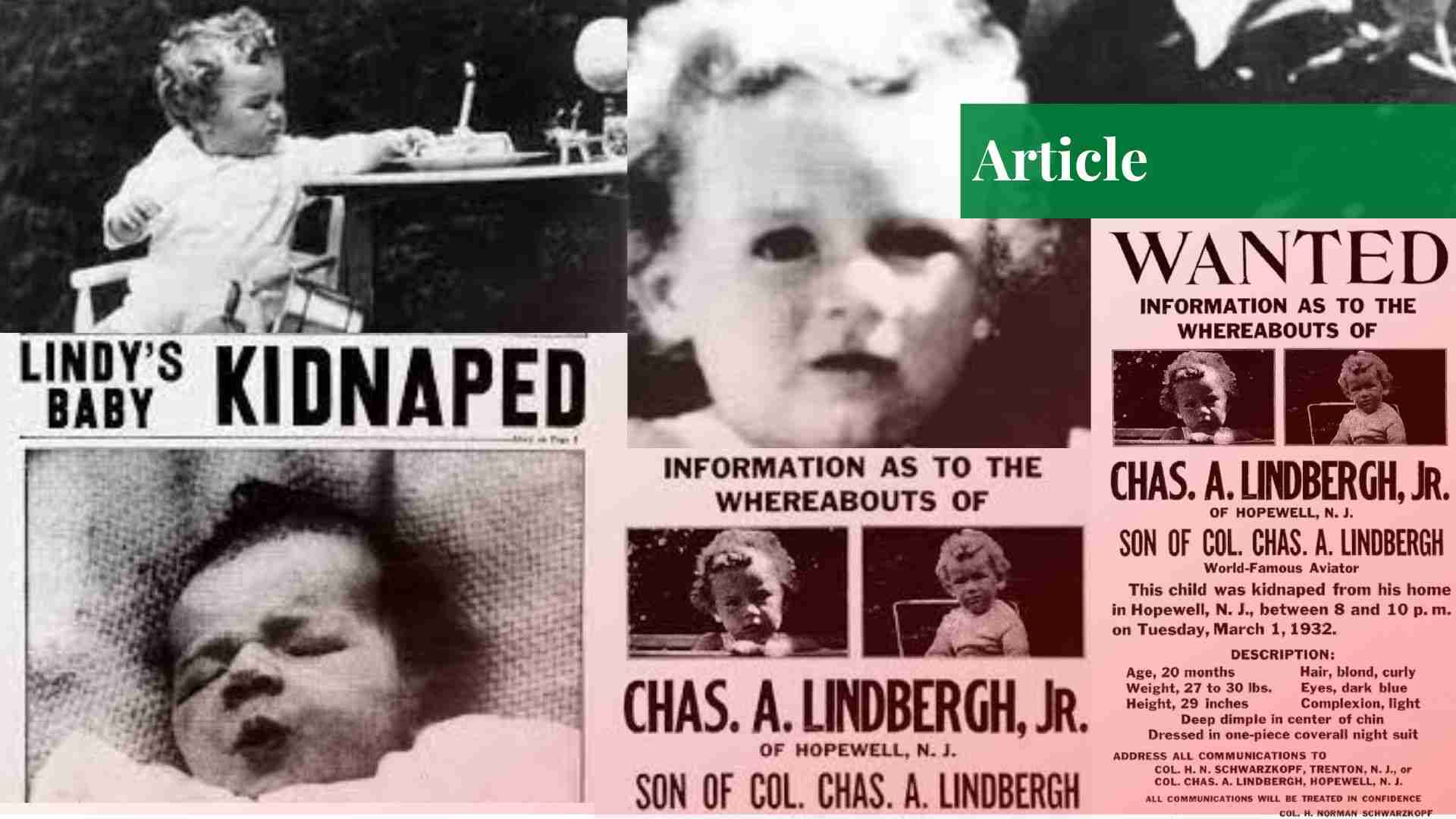
The legal limitations evident in 1913 criminal proceedings eventually built political momentum toward federal legislative reform. Although it took the landmark 1932 Lindbergh abduction to pass the Federal Kidnapping Act (allowing federal intervention in interstate abductions), the legal challenges encountered during 1913 cases directly informed early congressional debates regarding federal police powers and interstate criminal extraditions.
Comparative Analysis of Early 20th-Century Abduction Cases
To understand how the 1913 kidnapping investigations fit into the wider landscape of early 20th-century American crime, it is helpful to examine contemporary high-profile cases, their investigative challenges, and their ultimate legal outcomes.
| Case Name & Year | Victim(s) Involved | Primary Location | Key Legal or Investigative Challenge | Long-Term Legal Outcome / Status |
|---|---|---|---|---|
| Bobby Dunbar / Bruce Anderson (1913) | Bobby Dunbar / Bruce Anderson (Age 4) | Louisiana / Mississippi | Visual misidentification, intense media pressure, lack of forensic identity verification. | Custody awarded to Dunbars in 1913; Walters convicted (later quashed). DNA in 2004 proved identity as Bruce Anderson. |
| Charlie Ross (1874) | Charley Ross (Age 4) | Germantown, Pennsylvania | First widely publicized ransom kidnapping in the U.S.; complete absence of professional ransom negotiation protocols. | Victim never recovered. Led to state legislation elevating kidnapping to a major felony. |
| Billy Whitla (1909) | Willie "Billy" Whitla (Age 8) | Sharon, Pennsylvania | Rapid interstate movement of kidnappers using railways; payment of $10,000 cash ransom. | Boy recovered safely; kidnappers caught and sentenced to long prison terms within weeks, setting investigative precedents. |
| Black Hand Extortion Abductions (c. 1910–1915) | Children of immigrant merchants | New York, Chicago, New Orleans | Retaliation threats against families, localized language barriers, refusal of victims to testify. | Spurred the creation of specialized police squads (e.g., NYPD Italian Squad) and early intelligence sharing. |
Media Sensationalism and "Trial by Newspaper" in 1913 Criminal Trials
The year 1913 coincided with the height of "yellow journalism" in American print media. Major newspaper syndicates recognized that sensational kidnapping trials drove massive circulation figures. In cases like the 1913 Bobby Dunbar recovery, national newspapers published daily front-page updates containing unverified testimony, speculative medical opinions, and dramatic artistic renderings.
This aggressive press coverage created distinct pressures on the judicial system:
- Poisoning the Jury Pool: Potential jurors were routinely exposed to biased reporting long before trial proceedings began.
- Public Identification Spectacles: Press photographers frequently staged public meetings between victims and claimants, compromising objective identification procedures.
- Simulated Expert Testimony: Newspapers hired non-expert phrenologists and graphologists to analyze photos and ransom notes, presenting speculative claims as factual evidence to the public.
The 1913 proceedings highlighted the urgent legal need for judicial protective orders, evidence sequestering, and formalized line-up procedures—standards that would gradually be adopted by state court systems over subsequent decades.
Investigating Early 20th-Century Kidnapping Records for Historical Research
For historians, criminologists, and genealogical researchers investigating 1913 kidnapping cases or family records from this era, accessing verified primary source materials requires navigating specific public archives and historical repositories.
Primary Archival Sources
Researchers should focus on four primary categories of historical documentation:
- State Judicial Archives: Trial transcripts, extradition warrants, and appellate court records from early 1900s state cases are typically preserved in state archives (such as the Louisiana State Archives or Mississippi Department of Archives and History).
- Historic Newspaper Databases: Digital archives such as the Library of Congress's Chronicling America provide searchable, high-resolution scans of regional newspapers published in 1913.
- Census and Vital Records: Federal census records (e.g., 1910 and 1920 U.S. Censuses) help verify family structures, locations, and ages of individuals named in historical trial records.
- Local Law Enforcement Dossiers: Municipal police logs and county sheriff arrest dockets often survive in local historical societies or university special collections.
Frequently Asked Questions
What was the main 1913 kidnapping case that gained national attention?
The most famous case of 1913 involved the recovery of a young child believed to be Bobby Dunbar, who had disappeared in Louisiana in 1912. The subsequent legal battle between the Dunbar family and Julia Anderson over the child's true identity captivated the American public throughout 1913.
How was the 1913 Bobby Dunbar kidnapping identity issue finally resolved?
Although Louisiana courts awarded the child to the Dunbar family in 1913, modern DNA testing conducted in 2004 proved that the boy recovered in 1913 was actually Charles Bruce Anderson, the son of Julia Anderson, and not the biological Bobby Dunbar.
Were there federal kidnapping laws in place in 1913?
No. In 1913, kidnapping was exclusively a state crime. The federal government had limited jurisdiction unless another federal statute (such as mail fraud or the Mann Act) was violated. The Federal Kidnapping Act (Lindbergh Law) was not enacted until 1932.
What role did the "Black Hand" play in early 1910s kidnappings?
The Black Hand referred to decentralized extortion networks operating primarily within immigrant communities in major U.S. cities. In 1913, these rings frequently used kidnapping or threats of abduction to extort cash from wealthy business owners.
Where can researchers find original trial transcripts from 1913 court cases?
Original court records and trial transcripts from 1913 are generally held in state archives, county court record depositories, or university research libraries specializing in American legal history.
Recommended Next Steps for Archival and Legal Historians
When researching 1913 criminal cases, legal historians should adhere to a structured verification process to separate sensationalized press coverage from confirmed judicial facts:
- Cross-Reference Press Reports with Official Dockets: Never rely solely on 1913 newspaper articles for factual timelines. Cross-check dates and names against official court minute books and grand jury indictments.
- Examine Appellate Decisions: Consult official state reporter volumes (e.g., Southern Reporter for Louisiana and Mississippi cases) to review how high courts evaluated evidence, witness testimony, and procedural errors upon appeal.
- Utilize Institutional Digital Repositories: Access primary legal databases such as HeinOnline or JSTOR for scholarly analyses of early 20th-century state penal code amendments and jurisprudence developments.