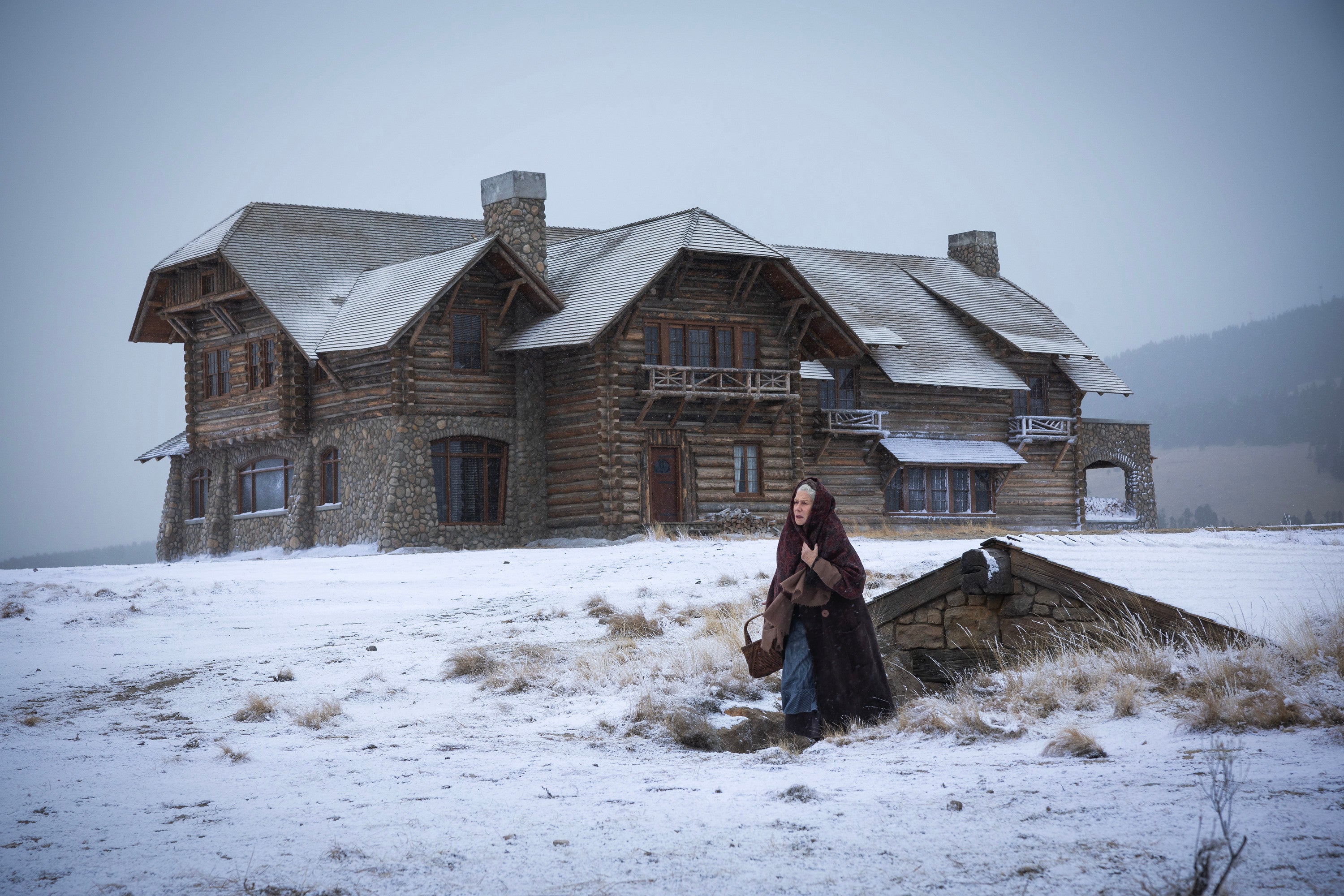
Created by Taylor Sheridan, 1883 chronicles the perilous journey of James and Margaret Dutton as they lead their family across the American Great Plains toward an uncertain future. Functioning as the foundational origin story for the blockbuster series Yellowstone, this ten-episode limited series explains how immense personal sacrifice, unyielding grit, and a fateful tragedy in Montana's Paradise Valley established the land rights to America's largest contiguous ranch.
The Origins of Taylor Sheridan’s Westward Epic
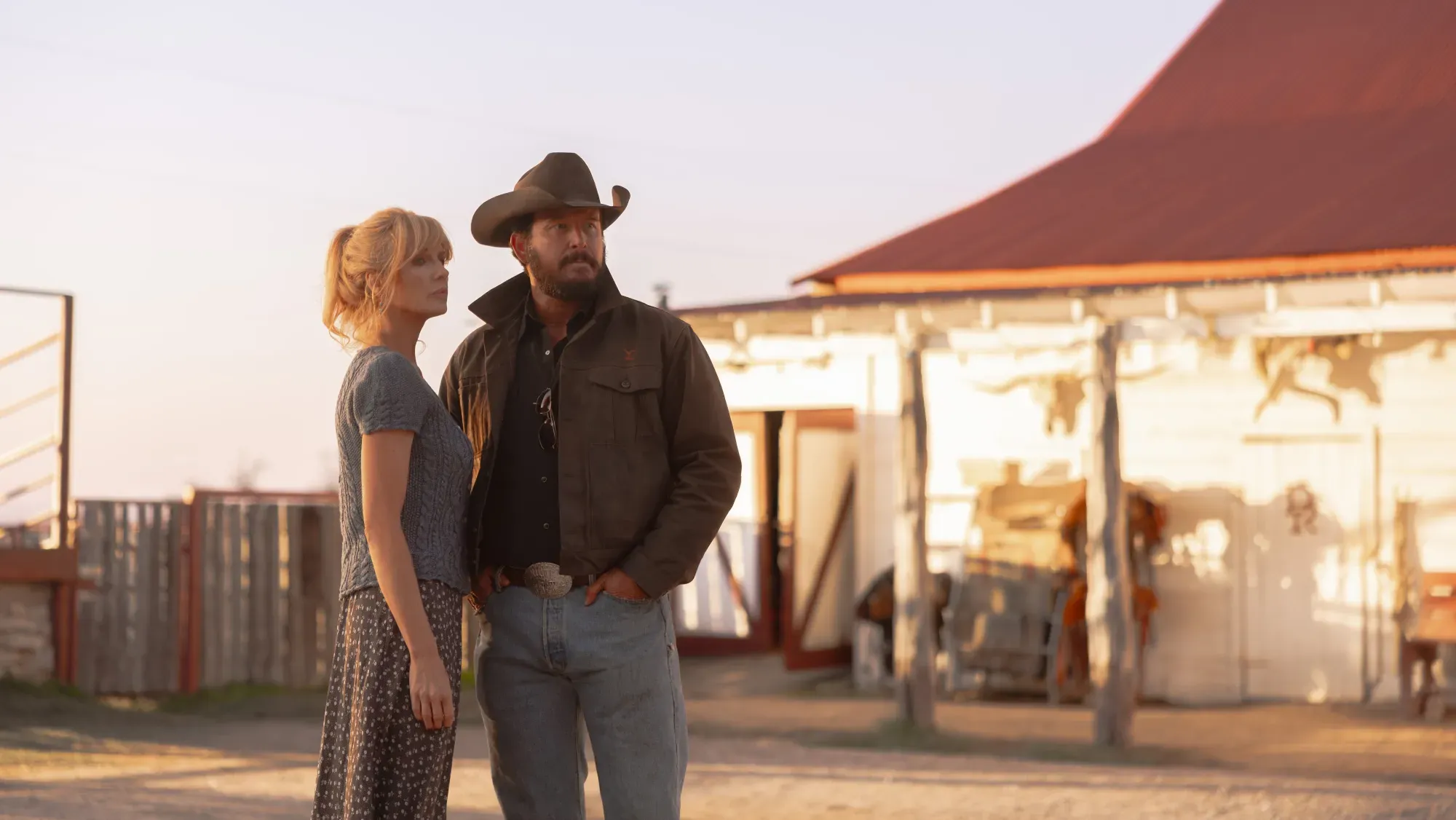
When Yellowstone debuted on the Paramount Network, viewers were introduced to John Dutton III (played by Kevin Costner) fiercely defending his empire against modern real estate developers, indigenous reservations, and corporate interest groups. However, the emotional and historical weight of his defense remained abstract without understanding how that land was acquired. 1883 was conceived to answer that specific question, shifting the franchise from contemporary neo-Western politics to a raw, historical survival narrative.
Premiering in late 2021 on Paramount+, the prequel removed the luxury of modern technology, law enforcement, and political maneuverability. Instead, it placed the Dutton ancestors in the lawless post-Civil War Era, specifically during the tail end of the American expansion movement. Sheridan crafted the narrative not as a romanticized myth of Manifest Destiny, but as an unforgiving exploration of hardship, disease, and existential risk.
The story opens in Fort Worth, Texas—a bustling hub known at the time as "Hell's Half Acre." Here, impoverished European immigrants, traumatized Civil War veterans, and desperate pioneers gathered to form wagon trains bound for Oregon. By anchoring the narrative in this historical reality, 1883 establishes that the Dutton legacy was not born from wealth or privilege, but forged through extreme deprivation and relentless willpower.
- Fort Worth, TX (Origin point)
- Oklahoma Territory (River crossings)
- Wyoming Territory (Trail hardships)
- Paradise Valley, MT (Final settlement)
Key Characters Shaping the Journey North
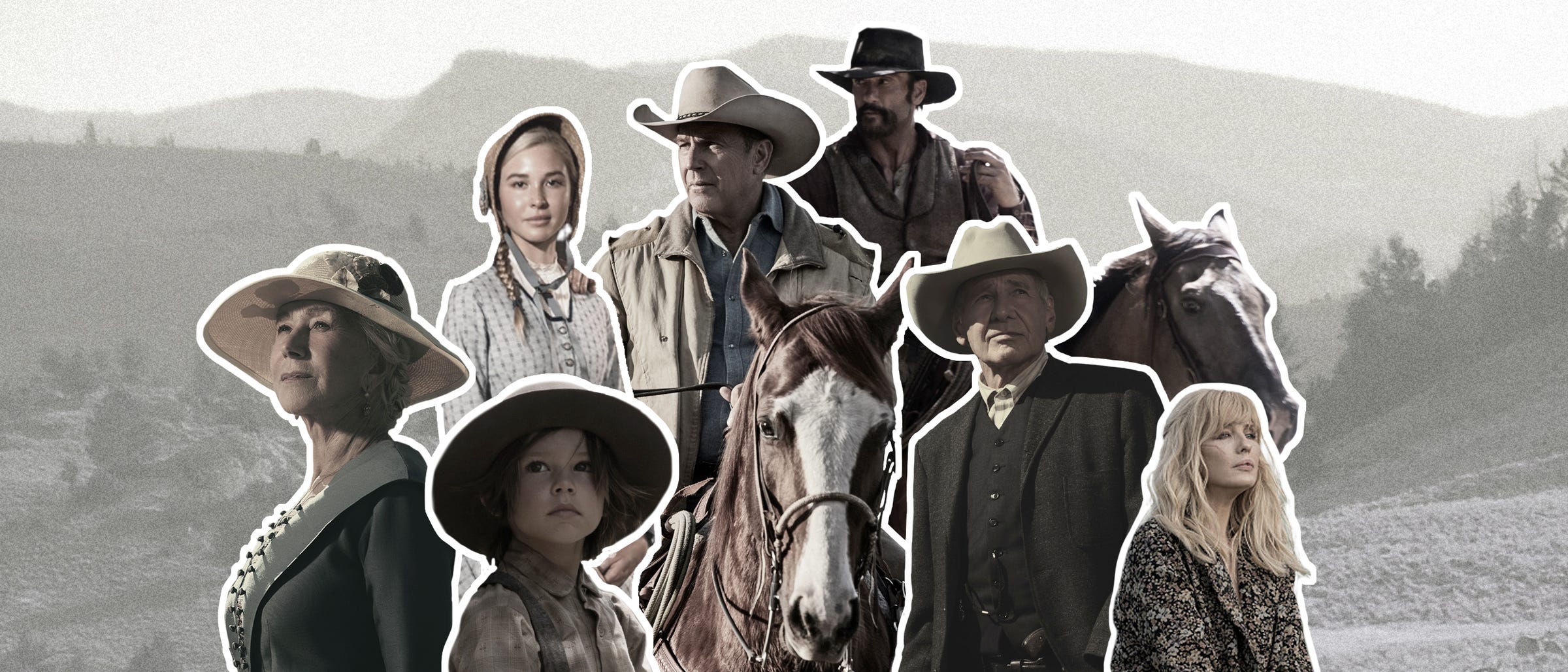
The emotional core of 1883 relies on a small cast of travelers, each representing different facets of the 19th-century frontier experience.
James and Margaret Dutton
James Dutton (Tim McGraw), a decorated former Confederate captain who suffered captivity during the Civil War, seeks a life far removed from the blood-soaked soil of the South. He is pragmatism incarnate: untrusting, fiercely protective of his nuclear family, and lethal when threatened. Opposite him is Margaret Dutton (Faith Hill), the matriarch whose steady composure, survival instincts, and moral backbone keep the family intact through incomprehensible hardship. Together, they represent the original bloodline of the Yellowstone dynasty.
Elsa Dutton: The Heart and Voice of the Series
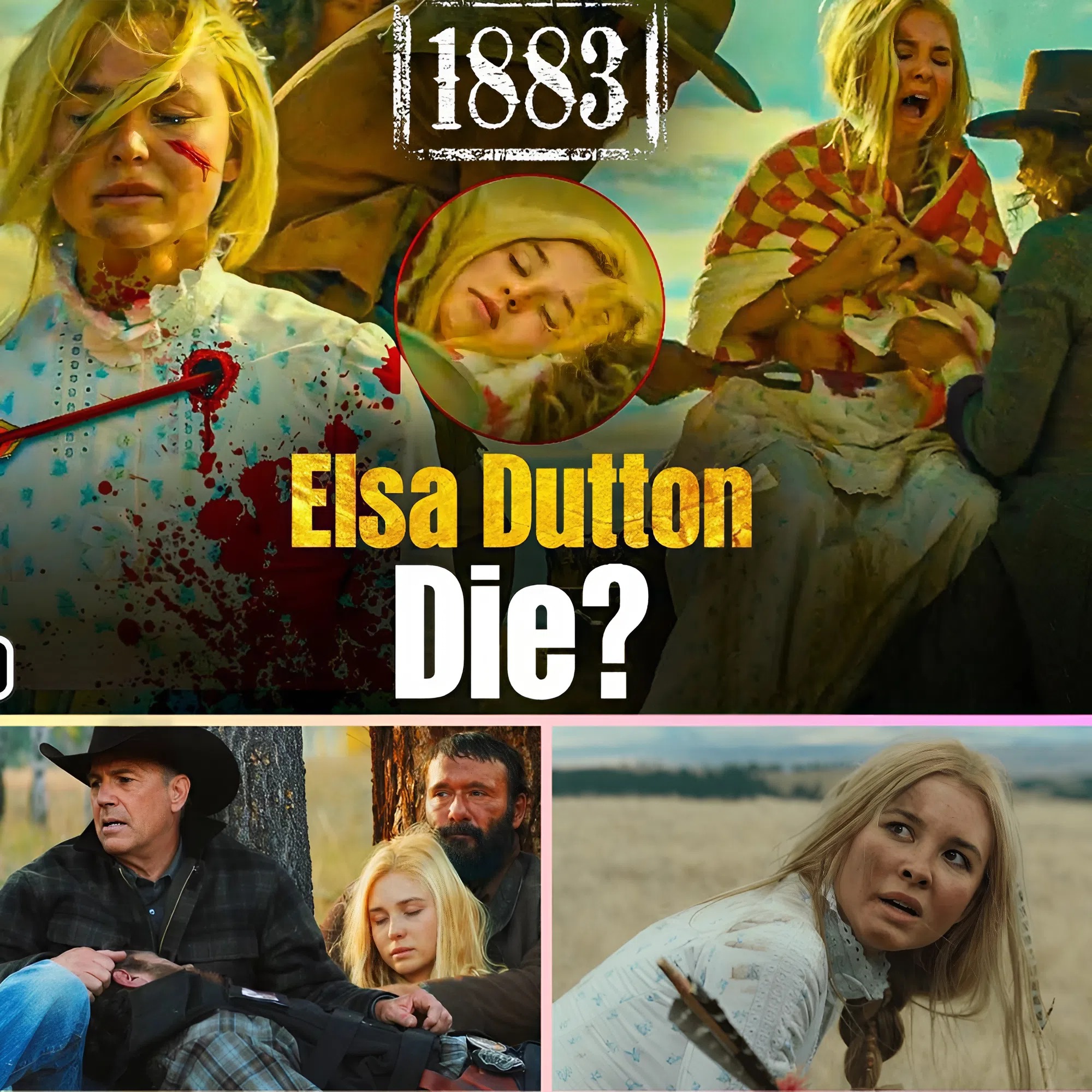
While James and Margaret provide the physical protection, their eighteen-year-old daughter, Elsa Dutton (Isabel May), provides the narrative spine. Elsa acts as the series' narrator, offering poetic, philosophical commentary on the wildness of the continent and the nature of human freedom. Her evolution—from an innocent Victorian teenager to a horseback-riding, gun-toting cowgirl who falls in love with both the land and a Comanche warrior named Sam—drives the emotional engine of the prequel.
Shea Brennan and Thomas
Guiding the wagon train are two Pinkerton agents: Shea Brennan (Sam Elliott), a grieving Union veteran whose wife and child died of smallpox, and Thomas (LaMonica Garrett), a former Buffalo Soldier who brings calm wisdom and lethal skill to the journey. Their partnership highlights the unspoken bonds formed in the post-war West, serving as a counterweight to the Dutton family's insular focus on their own survival.
The Timeline and Plot Architecture of 1883
The narrative structure of 1883 follows a linear, hazardous trek north along the Texas Trail toward the Oregon Trail. Over ten episodes, the expedition faces a relentless barrage of physical threats that steadily diminish the ranks of the wagon train.
| The Trail of Harsh Realities | Details |
|---|---|
| 1. Waterborne Pathogens | Smallpox and cholera wipe out inexperienced settlers. |
| 2. Geography & Climate | Deep river crossings drown livestock and destroy gear. |
| 3. Hostile Encounters | Bandits, horse thieves, and tactical misunderstandings. |
| 4. Internal Friction | Starvation leads to mutiny among unprepared migrants. |
- The Crossing of the Red River: One of the initial major hurdles occurs when the wagon train must cross deep, fast-moving rivers. Inexperienced European immigrants, unable to swim and unfamiliar with heavy livestock, face immediate losses, setting a tone of constant mortality.
- Desolation in Oklahoma Territory: As the group moves through native lands, they face starvation, rattlesnakes, and bandits. The harsh reality of frontier justice becomes apparent as James, Shea, and Thomas must execute cattle thieves and defend the caravan from predatory outlaws.
- The Poisoned Arrow: The trajectory of the Dutton family changes irrevocably in Wyoming. Following a brutal attack on an immigrant camp by horse thieves, a retaliatory misunderstanding with Lakota warriors leads to a battle. During the skirmish, Elsa Dutton is shot through the abdomen with a poisoned arrow.
- Destination Paradise Valley: Knowing the arrow wound is fatal due to infection, James Dutton realizes Elsa will not survive the trip to Oregon. He asks local Native American leaders for a place where his daughter can spend her final hours.
A Crow elder, Spot-Eared Eagle (Graham Greene), directs James to a secluded, fertile valley in Montana known as Paradise Valley. It is here, under a majestic cottonwood tree, that Elsa dies in her father's arms. James buries her on the land, swearing that this spot will become their permanent home—establishing the exact geographic location of the future Yellowstone Ranch.
The 7-Generation Prophecy and the Yellowstone Connection
The climax of 1883 contains the single most critical piece of lore in the entire Sheridan universe: the seven-generation agreement. When Spot-Eared Eagle directs James Dutton to Paradise Valley, he issues a stern warning regarding the land:
"You can have this valley. But in seven generations, my people will rise up and take it back from you."
James Dutton responds without hesitation: "In seven generations, you can have it."
This exchange contextualizes the entire modern Yellowstone narrative. John Dutton III (Kevin Costner) is widely calculated by franchise lore to represent the fifth or sixth generation of Duttons on that land, making his grandson, Tate Dutton (who is half-Dutton and half-Native American through Monica), the seventh generation. Thus, the tragic origin in 1883 establishes not only how the ranch was founded, but also foretells its eventual, inevitable transition of ownership.
- Generation 1: James & Margaret Dutton (1883)
- Generation 2: John Dutton I / Jack Dutton (1923)
- Generation 3: John Dutton II
- Generation 4: John Dutton III (Yellowstone)
- Generation 5: Kayce Dutton
- Generation 6/7: Tate Dutton (Fulfills the prophecy)
- Generation 5: Kayce Dutton
- Generation 4: John Dutton III (Yellowstone)
- Generation 3: John Dutton II
- Generation 2: John Dutton I / Jack Dutton (1923)
Comparative Breakdown of the Yellowstone Universe
To understand how 1883 anchors the broader franchise, it is helpful to contrast its historical setting, core themes, and structural goals against its companion series.
| Series | Historical Era | Central Theme | Primary Conflict | Legacy Contribution |
|---|---|---|---|---|
| 1883 | Late 19th Century (Post-Civil War) | Raw Survival & Foundation | Nature, Disease, Banditry, Loss | Establishes land ownership, Elsa's burial, and the 7-generation prophecy. |
| 1923 | Early 20th Century (Prohibition/Depression) | Industrialization & Retention | Range Wars, Corporate Greed, Boarding Schools | Shows the struggle to retain the land during economic collapse and societal shifts. |
| Yellowstone | 21st Century (Modern Day) | Preservation & Power | Real Estate Developers, Broken Treaties, Government | Illustrates the moral decline required to keep an empire built on an ancient promise. |
Production Realism and Visual Storytelling
A significant factor in the critical acclaim of 1883 is its commitment to visual and practical realism. Unlike traditional studio-bound Westerns, showrunner Taylor Sheridan mandated authentic location shooting across Texas, Oklahoma, and Montana.
The cast underwent an intensive "Cowboy Camp" prior to filming, learning traditional horse riding, roping, wagon driving, and period-accurate firearm handling. This physical preparation translates directly onto the screen. Actors handle heavy timber, navigate live river crossings, and ride through extreme weather conditions without heavy reliance on computer-generated imagery (CGI).
Cinematographer Ben Richardson captured the vastness of the American wilderness using natural light whenever possible. The visual tone shifts from the dusty, suffocating ambers of Texas to the vast, open blues and greens of Montana, mirroring Elsa Dutton's evolving perspective on the landscape. Her romantic voiceover contrasts sharply with the graphic violence and squalor of trail life, creating an artistic tension that defines the miniseries.
Frequently Asked Questions About 1883
Is 1883 a standalone series, or must viewers watch Yellowstone first?
1883 functions entirely as a standalone narrative. While existing fans of Yellowstone will appreciate the historical context and easter eggs regarding the ranch's founding, prior knowledge of the main series is not required to understand or enjoy the story of 1883.
Why did the Dutton family settle in Montana instead of Oregon?
The original destination of the wagon train was the Oregon territory. However, after Elsa Dutton was struck by an arrow, her condition deteriorated rapidly. James Dutton sought a nearby location where she could spend her final moments in peace. Upon entering Paradise Valley, Montana, Elsa chose the location of her grave beneath a cottonwood tree, prompting James and Margaret to break off from the journey and claim that valley as their permanent homestead.
What is the exact relationship between Elsa Dutton and John Dutton III?
Elsa Dutton is the aunt of John Dutton I (the young boy in 1883 who grows up to appear in 1923). John Dutton I is the grandfather of John Dutton III (played by Kevin Costner in Yellowstone). This makes Elsa the great-great-aunt of Kevin Costner’s character.
How does 1883 connect directly to the prequel series 1923?
1923 picks up four decades after the events of 1883. It follows James Dutton's brother, Jacob Dutton (played by Harrison Ford), and James's wife Margaret (via backstory), who step in to manage the ranch and raise James and Margaret’s surviving sons, John I and Spencer, after tragic post-1883 events dismantle the original head of the household.
Will there be a Season 2 of 1883?
No. 1883 was designed and executed as a single-season, 10-episode limited series with a definitive beginning, middle, and end. Rather than continuing with a second season under the same title, Taylor Sheridan expanded the timeline through subsequent prequel series, such as 1923.
Navigating the Dutton Universe Timeline: Viewer Guide
For viewers looking to experience the Dutton family saga in chronological order rather than by production release date, 1883 is the mandatory starting point.
- Watch 1883 First: This sets the foundational mythology, explaining why the land holds sacred value to the family and establishing the emotional stakes behind Elsa Dutton's burial site.
- Proceed to 1923: Observe how the initial homestead survives the West's rapid modernization, the Great Depression, and early land battles under the leadership of Jacob and Cara Dutton.
- Transition to Yellowstone: Experience the modern culmination of the Dutton family's promise, viewing John Dutton III's aggressive defense of the ranch through the lens of the ancestral sacrifices made over a century prior.
By beginning with 1883, the viewer gains an appreciation for every acre of Paradise Valley, realizing that the modern empire was bought with the blood, tears, and lives of those who braved the frontier in search of a home.