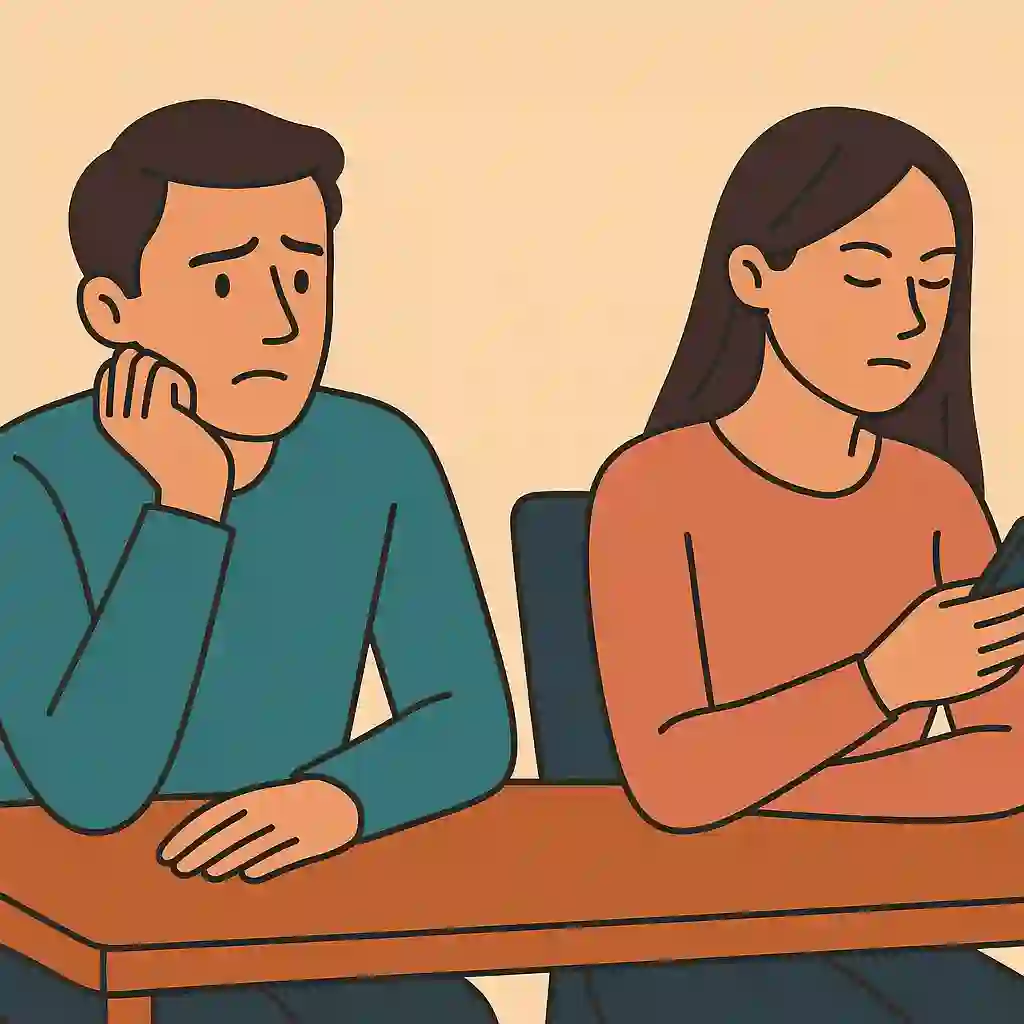
Recognizing that a partner has emotionally checked out can be painful, but a loss of romantic interest often reflects her internal changes, shifting life priorities, or evolving emotional needs rather than your personal shortcomings. Identifying these behavioral shifts allows you to address the reality of your relationship with self-respect, clarity, and constructive communication.
The Psychology of Unilateral Emotional Detachment
When a woman pulls away from a romantic relationship, the instinct for many partners is to search for personal failures. You might retrace recent conversations, scrutinize minor disagreements, or assume you did not offer enough effort, attention, or success. However, psychological research into relationship dynamics demonstrates that romantic detachment is frequently driven by internal factors specific to the person withdrawing.
People undergo natural evolutions in identity, personal goals, attachment styles, and emotional capacity. When someone experiences a shift in core values or realizes their long-term vision no longer aligns with their current partnership, their engagement naturally wanes. This withdrawal is not necessarily a reflection of your worth, attractiveness, or effort. Understanding emotional disengagement as a personal transition on her part—rather than a trial of your adequacy—is essential for processing the situation constructively and preserving your self-esteem.
Communication and Interaction Indicators
Changes in everyday communication often serve as the earliest indicators of emotional detachment. When romantic interest declines due to internal shifts, the tone, frequency, and depth of interactions undergo measurable changes.
EVOLUTION OF RELATIONSHIP DYNAMICS
| ENGAGED PHASE | DETACHED PHASE |
|---|---|
| Active emotional bids | Transactional logistics |
| Deep vulnerability | Surface-level updates |
| Shared future vision | Hesitation on commitments |
| Constructive resolution | Disengagement from conflict |
1. Communication Becomes Exclusively Transactional
Interactions pivot from meaningful exchanges to practical logistics. Instead of asking about your day, sharing spontaneous thoughts, or sending affectionate messages, her communication focuses strictly on scheduling, shared responsibilities, or brief operational updates. This change occurs because her emotional energy is directed inward or toward other life domains.
2. Cessation of Emotional Bids
In healthy relationships, partners regularly extend "emotional bids"—small gestures, questions, or comments seeking connection. When she stops initiating these bids and consistently ignores or offers minimal responses to yours, it indicates she no longer feels the internal drive to maintain an active emotional bond.
3. Complete Disengagement from Conflict
While frequent arguing indicates tension, the complete absence of disagreement can signal emotional resignation. If she previously cared about resolving miscommunications but now responds to issues with indifference or passive compliance, she has likely decided that investing energy in conflict resolution is no longer worth the effort.
4. Conversations Remain Strictly Surface-Level
When deep, vulnerable conversations about fears, dreams, and personal struggles fade, emotional intimacy disappears with them. If she keeps every interaction polite, light, and guarded, it is typically a defense mechanism to avoid fostering emotional closeness she can no longer reciprocate.
5. You Become the Sole Driver of Contact
Relationships require shared momentum. If you notice that communication ceases entirely whenever you stop initiating texts, calls, or dates, the dynamic has become one-sided. This pattern highlights a passive drift rather than active malice.
6. Polite Courtesy Replaces Genuine Enthusiasm
Her reactions to your personal accomplishments, news, or humorous stories feel polite rather than authentic. While she may still offer congratulations, the warmth, pride, and shared excitement that once defined those moments are absent.
Shifts in Intimacy, Priorities, and Future Planning
As internal detachment deepens, its effects spread from daily communication to broader areas of intimacy and long-term planning.
7. Physical Intimacy Declines Without External Stressors
Physical closeness naturally fluctuates based on stress, health, and schedule demands. However, when non-sexual affection—such as holding hands, hugging, or subtle touch—evaporates alongside romantic physical intimacy without an obvious external cause, it usually reflects a deeper emotional disconnect.
8. Hesitation Around Future Commitments
When a woman begins re-evaluating her personal trajectory, she becomes reluctant to commit to future plans. Whether it involves planning a vacation six months away or discussing long-term life milestones, her responses often become vague, evasive, or explicitly non-committal.
9. A Sharp Pivot Toward Personal Independence
She may begin investing heavy energy into new personal goals, career shifts, or social circles while actively excluding you from those experiences. While personal growth is healthy, a total compartmentalization of her life signals that she is building an independent future separate from the partnership.
10. Encouraging You to Pursue Independent Activities
If she consistently encourages you to spend time with friends, take up solo hobbies, or travel without her, it may not simply be a gesture of generosity. Often, partners who feel emotionally distant encourage independent activity to alleviate their own guilt about not providing emotional presence.
11. The Loss of Shared Humor and Playfulness
Shared humor is one of the strongest indicators of romantic connection. When inside jokes fade and playfulness disappears, the romantic context of the relationship collapses into a formal, friendship-like dynamic.
12. Preference for Group Settings Over One-on-One Time
If she routinely invites mutual friends, family members, or acquaintances to join planned outings, she may be using third parties as an emotional buffer. Group dynamics reduce the demand for individual intimacy and deep conversation.
Autonomy, Emotional Capacity, and Behavioral Indicators
The final set of signs relates to how she handles her personal energy, internal boundaries, and reactions to stress.
13. Expressions of General Relationship Exhaustion
She may explicitly express feeling overwhelmed by the concept of romantic relationships in general. Statements like "I don't have the capacity for a relationship right now" or "I need to focus entirely on myself" are often literal expressions of her internal state, not coded complaints about your performance as a partner.
14. Radical Changes in Her Personal Identity or Values
Major life events—such as career transitions, processing personal loss, or shifting core values—can fundamentally alter what a person wants out of life. If her worldview has evolved to a point where your goals no longer align, the resulting distance stems from existential divergence, not personal fault.
15. Seeking Solace Elsewhere During Crises
When facing personal difficulties, an emotionally connected partner turns inward toward the relationship for support. If she relies entirely on outside support networks, professional mentors, or private reflection while actively keeping you at arm's length, her primary emotional trust has shifted away from the relationship.
16. The End of Constructive Feedback
When someone cares about the long-term health of a partnership, they offer constructive feedback about habits or boundaries that bother them. When she stops expressing preferences or personal boundaries altogether, it suggests she no longer sees long-term value in shaping the relationship's future.
17. Neutral, Platonic Body Language
Body language offers clear signals of internal disposition. Closed posture, maintaining physical distance, avoiding eye contact, and leaning away during conversations are physical expressions of emotional detachment, even when her words remain polite.
18. Direct Verbal Acknowledgments of Detachment
Sometimes the most obvious sign is the one most easily ignored out of denial. If she openly states that her feelings have changed, that she feels disconnected, or that she needs space, believing her direct assessment is crucial. Supplying alternative explanations for her clear statements prolonged unnecessary pain for both parties.
Evaluating Detachment: Internal Shifts vs. Mutual Conflict
Understanding why detachment occurs requires distinguishing between internal personal shifts and unresolved mutual conflict. The following matrix illustrates key differences between emotional withdrawal caused by internal growth or changing needs versus withdrawal caused by direct relationship friction.
| Dimension | Internal Shift (Not Your Fault) | Mutual Conflict / Relationship Failure |
|---|---|---|
| Primary Driver | Evolving personal identity, career pivots, or shifting personal values. | Unresolved disputes, broken trust, or toxic communication patterns. |
| Tone of Interaction | Calm, polite, emotionally distant, and non-confrontational. | Tense, defensive, argumentative, or resentment-driven. |
| Attitude Toward You | Respectful, indifferent, or encouraging of your independence. | Critical, defensive, or expressive of frustration regarding specific behaviors. |
| Future Outlook | Vague, focused entirely on individual milestones and personal growth. | Focused on explicit grievances or conditional requirements for staying. |
| Response to Effort | Polite appreciation without a return of emotional intimacy. | Demands for specific behavioral changes or total refusal to engage. |
Navigating Emotional Withdrawal with Dignity
Discovering that a partner is no longer emotionally invested is challenging, but your response dictates your long-term emotional well-being. Reacting with clinginess, excessive pressure, or self-blame rarely alters the outcome and often undermines your self-respect.
First, avoid the temptation to over-analyze past actions to find where you "failed." Human compatibility is complex, dynamic, and often temporary. People can grow apart without either person doing anything fundamentally wrong. Accepting that someone’s loss of feelings can be a neutral reality—rather than a personal judgment—is essential for processing grief cleanly.
Second, initiate a clear, direct, and non-defensive conversation. Instead of confronting her with accusations or demanding affection, frame the discussion around objective observations. You might say:
"I've noticed a shift in our dynamic over the past few months, and it feels like your priorities or emotional energy have moved in a different direction. I want to respect where you are at, so I’d appreciate an honest conversation about how you feel about our relationship."
This approach opens the door for honesty without putting her on the defensive or forcing her to appease your insecurities.
Frequently Asked Questions
How can I tell if she is losing interest or just stressed?
Stress is usually temporary and tied to a specific external cause, such as a major work project or family issue. When someone is stressed, they typically maintain emotional warmth and express appreciation for your support, even if their energy is low. When someone is losing interest, the emotional distance persists regardless of external circumstances, and affection does not return once the acute stressor passes.
Why isn't it my fault if she falls out of love?
Romantic attraction and emotional alignment depend on complex psychological factors, timing, personal values, and internal readiness. A person can lose romantic interest simply because their personal goals, identity, or emotional needs have evolved in a direction that no longer aligns with the partnership. It does not mean you lacked value, effort, or attractiveness.
What should I do if she denies pulling away but her actions say otherwise?
Pay attention to patterns of behavior over time rather than isolated verbal assurances. If she insists everything is fine but consistently avoids intimacy, future planning, and meaningful communication, gently address the discrepancy. Focus on how the dynamic impacts you, and set healthy boundaries around what you need in a partner.
Is it possible to reignite interest once it has faded?
Reigniting interest is rare if the disengagement stems from a fundamental shift in her core values or life direction. While giving space and focusing on your own growth can occasionally refresh the dynamic, altering yourself or pressuring her to regain interest is usually counterproductive. Real alignment must be mutual and unforced.
How do I bring up her emotional distance without sounding needy?
State your observations calmly and objectively without demanding immediate emotional reassurance. Frame the issue around clarity and mutual respect rather than blame. Expressing that you value honest communication and self-respect allows both of you to address the reality of the relationship maturely.
Next Steps: Moving Forward with Clarity and Self-Respect
When you confirm that a partner has emotionally disengaged, the most constructive path forward is to shift your focus back to your own life and well-being.
- Acknowledge the Reality: Accept her emotional state without trying to debate her out of it or convincing yourself it is a temporary misunderstanding.
- Hold a Final, Clear Conversation: Seek clarity on whether she wants to work on the relationship or move on, and accept her answer at face value.
- Re-establish Personal Boundaries: If the relationship ends or enters a cooling period, refrain from continuing unreciprocated effort. Protect your energy and time.
- Invest in Your Own Life: Redirect the energy you spent trying to repair the dynamic into personal health, career goals, friendships, and interests.
- Process the Separation Cleanly: Recognize that a relationship ending due to shifting alignment is not a personal failure, but a natural part of human connection.
By handling her detachment with emotional maturity, you preserve your dignity and create space for future relationships built on genuine, mutual alignment.