A 17-pound baby usually reached early-to-mid infancy—typically between 4 and 7 months of age—though individual growth rates vary. At this weight, infants generally require 24 to 32 ounces of formula or breast milk daily, show signs of consolidated night sleep, and transition toward key motor milestones such as rolling over, improved head control, and sitting with support.
Understanding Weight and Age in Early Infancy
While search queries often use the phrase "17 pound newborn," a 17-pound (7.7 kg) child is medically classified as an infant rather than a newborn. The neonatal period strictly encompasses the first 28 days of life, during which average birth weights range from 5.5 to 8.8 pounds (2.5 to 4.0 kg). Reaching 17 pounds during the first month is extraordinarily rare and reserved for extreme macrosomic births. For the vast majority of families, a 17-pound milestone occurs several months into life.
According to the Centers for Disease Control and Prevention (CDC) Growth Charts, a body weight of 17 pounds aligns with different percentiles depending on age and sex:
- Boys: 17 pounds represents roughly the 50th percentile at 5 to 6 months of age.
- Girls: 17 pounds represents roughly the 50th percentile at 6 to 7 months of age.
- Early Achievers: A fast-growing 4-month-old infant in the 90th percentile may also reach 17 pounds safely.
Pediatric health depends far more on a continuous growth curve than on a single number on the scale. As long as your infant maintains a steady trajectory along their established percentile curve on World Health Organization (WHO) or CDC growth charts, a 17-pound measurement indicates healthy development.
Disclaimer: This guide provides general educational information regarding infant care, feeding, and development. It is not a substitute for professional medical advice, diagnosis, or treatment. Always consult your pediatrician regarding your infant's specific growth trajectory, nutritional requirements, and health needs.
Feeding Guidelines for a 17-Pound Infant
Feeding requirements for a 17-pound baby depend heavily on whether the child is fed breast milk, donor milk, infant formula, or a combination including solid foods.
Liquid Nutrition: Breast Milk and Formula Intake
For formula-fed infants, a general clinical guideline estimates daily intake at approximately 2.5 ounces of formula per pound of body weight, up to a practical upper threshold. However, once babies reach 15 to 17 pounds, pediatric guidelines typically cap formula intake between 24 and 32 ounces (710 to 946 mL) per 24-hour period. Excessively exceeding 32 ounces daily can lead to overfeeding, digestive discomfort, and rapid, disproportionate weight gain.
For breastfed infants, total daily intake remains remarkably consistent between 1 and 6 months of age—averaging roughly 24 to 30 ounces per day. Unlike formula, the caloric density and biochemical composition of breast milk dynamically adapt to the growing infant's needs, meaning breastfed babies rarely need increased liquid volume as their weight grows.
Sample 24-Hour Feeding Calculation (Formula Fed): 17 lbs × 2.5 oz/lb = 42.5 oz (Theoretical max capacity) Clinical Recommended Cap = 24 to 32 oz per day divided into 4–6 feedings (approx. 5 to 7 oz per bottle)
Introducing Solid Foods
If your 17-pound baby is at or near 6 months of age, they may be approaching or starting the transition to solid foods. The American Academy of Pediatrics (AAP) recommends introducing complementary solid foods around 6 months of age, provided the infant demonstrates key developmental readiness cues.
Weight alone (such as doubling birth weight or reaching 13–15+ pounds) was historically used as a landmark, but current medical consensus prioritizes physical readiness over weight scale metrics alone.
Readiness Cues for Starting Solids:
- Good Head and Neck Control: The infant can hold their head erect and steady without support.
- Sitting Ability: The infant can sit upright in a high chair with minimal assistance.
- Loss of Extrusion Reflex: The infant no longer automatically pushes food out of their mouth with their tongue.
- Targeted Hand-to-Mouth Coordination: The baby reaches for items, grabs objects, and brings them directly to their mouth.
When beginning solids, iron-fortified single-grain cereals, pureed vegetables, fruits, or pureed meats are standard starting points. Solids at this stage complement—rather than replace—breast milk or formula, which remains the primary source of nutrition throughout the first year.
Sleep Patterns and Night Weaning at 17 Pounds
Weight plays a physiological role in sleep maturity. Larger, well-nourished infants typically possess the metabolic reserves needed to stretch night sleep without requiring nocturnal feedings.
Expected Sleep Duration and Schedules
By the time an infant reaches 17 pounds (typically 4 to 7 months old), total daily sleep requirements average 12 to 15 hours per 24-hour cycle. This is generally divided into:
- Night Sleep: 9 to 11 hours (with zero to two wake-ups for feeding).
- Daytime Naps: 3 to 4 hours total, typically spread across 2 to 3 distinct daytime naps.
At this stage, an infant's circadian rhythm is largely mature, supported by regular melatonin secretion. Wake windows expand to approximately 1.5 to 3 hours between naps.
Night Feeding Expectations and Weaning
Metabolically, most healthy 17-pound infants no longer require middle-of-the-night calories for blood glucose stabilization, assuming adequate daytime caloric intake. If your baby continues waking multiple times at night to feed, the behavior may be driven by sleep-onset associations (e.g., needing to nurse or suck a bottle to fall back asleep) rather than physiological hunger.
If you choose to night-wean your 17-pound baby, consider the following approach:
- Gradually Reduce Night Bottle Volumes: Decrease formula bottles by 0.5 to 1 ounce every few nights, or shorten nursing sessions by 1 to 2 minutes.
- Increase Daytime Caloric Intake: Ensure your infant receives their required 24–32 ounces of liquid nutrition strictly during daylight hours.
- Separate Feeding from Falling Asleep: End the final bedtime feeding 20 to 30 minutes before placing your infant down in the crib awake.
Developmental Milestones: What to Expect at 17 Pounds
Because reaching 17 pounds usually corresponds with 4 to 7 months of age, your infant will likely undergo significant physical, cognitive, and social milestones during this period.
Infant Development Focus (17 lb / 4–7 Months):
- Tummy Time Mastery
- Rolling Over (Back to Belly)
- Tripod Sitting
- Object Palmar Grasp
Gross and Fine Motor Development
- Rolling Over: Infants at this weight and age stage usually roll from stomach to back, followed shortly by rolling from back to stomach. Safety Note: Once an infant demonstrates rolling attempts, swaddling must be discontinued immediately to keep their arms free to push up if they turn over.
- Supported Sitting: A 17-pound infant typically demonstrates strong trunk control, propping themselves up on their hands in a "tripod" position while sitting, eventually progressing to unassisted sitting.
- Tummy Time Push-Ups: During tummy time, the infant can push up onto straight arms, lifting their head, chest, and upper abdomen off the mat.
- Palmar and Palmar-Rake Grasps: Fine motor skills progress from clutching toys with the whole palm to raking small items toward themselves.
Social and Cognitive Milestones
- Interactive Engagement: Babies at this stage respond enthusiastically to their names, turn toward familiar voices, and laugh aloud during social play like peek-a-boo.
- Vocal Exploration: Cooing gives way to reduplicated babbling (e.g., "ba-ba," "da-da," "ma-ma" sounds without specific intent).
- Visual Tracking and Object Permanence: Depth perception improves significantly, allowing infants to track moving objects smoothly across their field of vision and begin searching for partially hidden items.
Comparative Summary: Feeding, Sleep, and Physical Needs by Age/Stage
The following table summarizes normal care and physiological expectations for an infant around 17 pounds compared to earlier and later developmental stages.
| Developmental Stage | Typical Age Range | Average Weight Range | Daily Liquid Feeding (Formula/Breast Milk) | Solid Foods Status | Average Night Sleep Duration | Swaddling Status |
|---|---|---|---|---|---|---|
| Newborn | 0 to 4 Weeks | 5.5 – 9.0 lbs (2.5 – 4.1 kg) | 1.5 – 3.0 oz per feed (16–24 oz/day) | None (Strictly milk) | 2 – 4 hours per stretch (14–17 hrs total) | Recommended for comfort |
| Early Infant | 1 to 3 Months | 9.0 – 14.0 lbs (4.1 – 6.4 kg) | 3.0 – 5.0 oz per feed (24–32 oz/day) | None (Strictly milk) | 4 – 6 hours per stretch | Discontinue at first signs of rolling |
| 17-Pound Stage | 4 to 7 Months | 17.0 lbs (7.7 kg) | 5.0 – 8.0 oz per feed (24–32 oz/day) | Introduce if readiness cues met | 6 – 10 hours per stretch (12–15 hrs total) | Strictly Transitioned Off / Arms Free |
| Older Infant | 8 to 12 Months | 18.5 – 23.0 lbs (8.4 – 10.4 kg) | 4.0 – 6.0 oz per feed (20–28 oz/day + solids) | 2 to 3 solid meals daily | 10 – 12 hours continuous | Arms Free / Sleep Sack |
Practical Tips and Safe Care Checklist for Parents
Managing a 17-pound infant requires adjusting daily equipment, childproofing efforts, and safe sleep gear to accommodate their increased size and physical capabilities.
Safe Sleep Environment Adjustment
- Discontinue Swaddling: If your baby still wears a traditional swaddle, switch immediately to an arms-free sleep sack. Swaddling a rolling or heavy infant poses a severe risk of suffocation if they roll onto their stomach without free use of their arms.
- Lower the Crib Mattress: If your 17-pound baby is pushing up onto hands and knees or attempting to pull upright using crib rails, lower the crib mattress to its middle or lowest setting to prevent falls.
- Keep Crib Clear: Maintain an empty crib environment free of blankets, pillows, crib bumpers, and stuffed animals, in accordance with AAP Safe Sleep Guidelines.
Equipment Weight Limit Checks
- Infant Car Seat: Verify the upper weight and height limits of your rear-facing infant car seat. Many bucket seats accommodate up to 30–35 pounds, but ensure your 17-pound infant has not exceeded the maximum head clearance height (usually 1 inch below the top of the shell).
- Baby Carriers and Wraps: Adjust soft structured carriers to accommodate your baby's larger leg openings and torso height, ensuring their airway remains completely visible and clear (hip-healthy "M" position).
- Bouncers and Swings: Check manufacturer weight limits on infant bouncers or swings, as many non-motorized bouncers cap weight capacities between 15 and 20 pounds.
Frequently Asked Questions
How many ounces should a 17-pound baby eat in 24 hours?
A 17-pound baby consuming formula typically drinks between 24 and 32 ounces (710 to 946 mL) of formula per 24-hour period, usually divided into 4 to 6 bottles of 5 to 8 ounces each. Breastfed babies generally consume 24 to 30 ounces daily regardless of weight, as breast milk adjusts its caloric density to match the infant's growth requirements.
Can a 17-pound baby sleep through the night without a feeding?
Yes, most healthy 17-pound infants have sufficient caloric reserves and liver glycogen capacity to sleep continuous stretches of 6 to 10 hours without needing night feedings. If your baby continues to wake at night, consult your pediatrician to confirm they are meeting daytime caloric needs before initiating night-weaning strategies.
Is 17 pounds too heavy for a 4-month-old baby?
Not necessarily. Growth evaluated on a single scale reading can be misleading. While 17 pounds is above average for a 4-month-old (placing them in upper percentiles), it is completely healthy if the child has consistently followed a high growth curve since birth. Your pediatrician will evaluate height-for-weight ratios and head circumference to ensure proportional growth.
How do I know if my 17-pound baby is ready for solid foods?
Readiness for solid foods depends on physical milestones rather than reaching a specific weight threshold. Look for solid readiness cues around 6 months of age: strong head control, the ability to sit upright in a high chair with minimal support, loss of the tongue-thrust (extrusion) reflex, and an ability to bring objects to their mouth purposefully.
What crib safety standards apply once a baby reaches 17 pounds?
Once an infant reaches 17 pounds, ensure that swaddling is completely discontinued to allow free movement of arms and legs. Additionally, lower the crib mattress if the infant can push up onto hands and knees, remove all loose bedding or toys, and confirm that the crib frame meets current safety guidelines.
Next Steps for Caregivers
As your baby reaches 17 pounds, track their progress by focusing on holistic development rather than weight alone. Prepare for upcoming well-child checkups (typically scheduled at 4 or 6 months) by taking the following actionable steps:
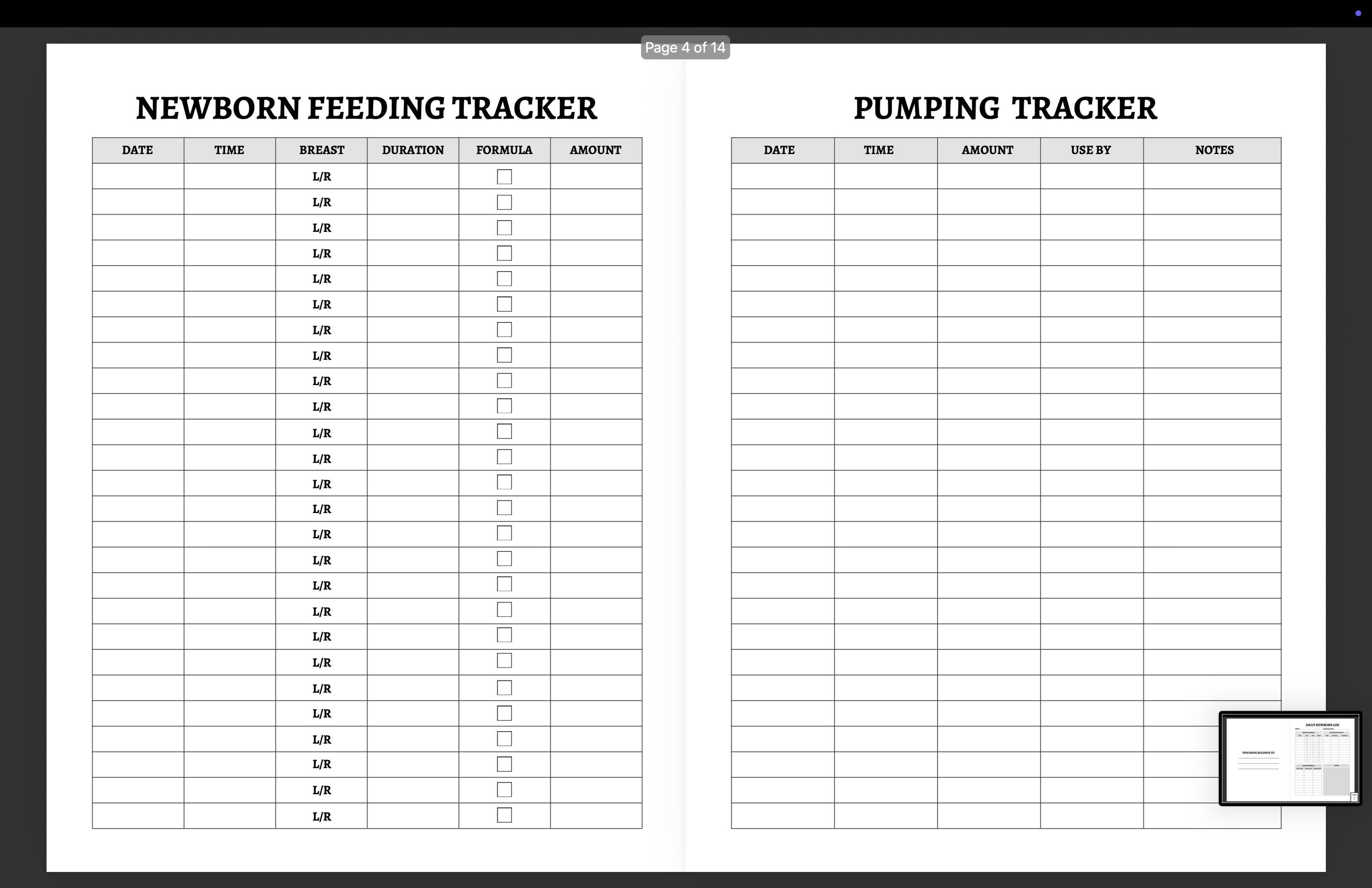
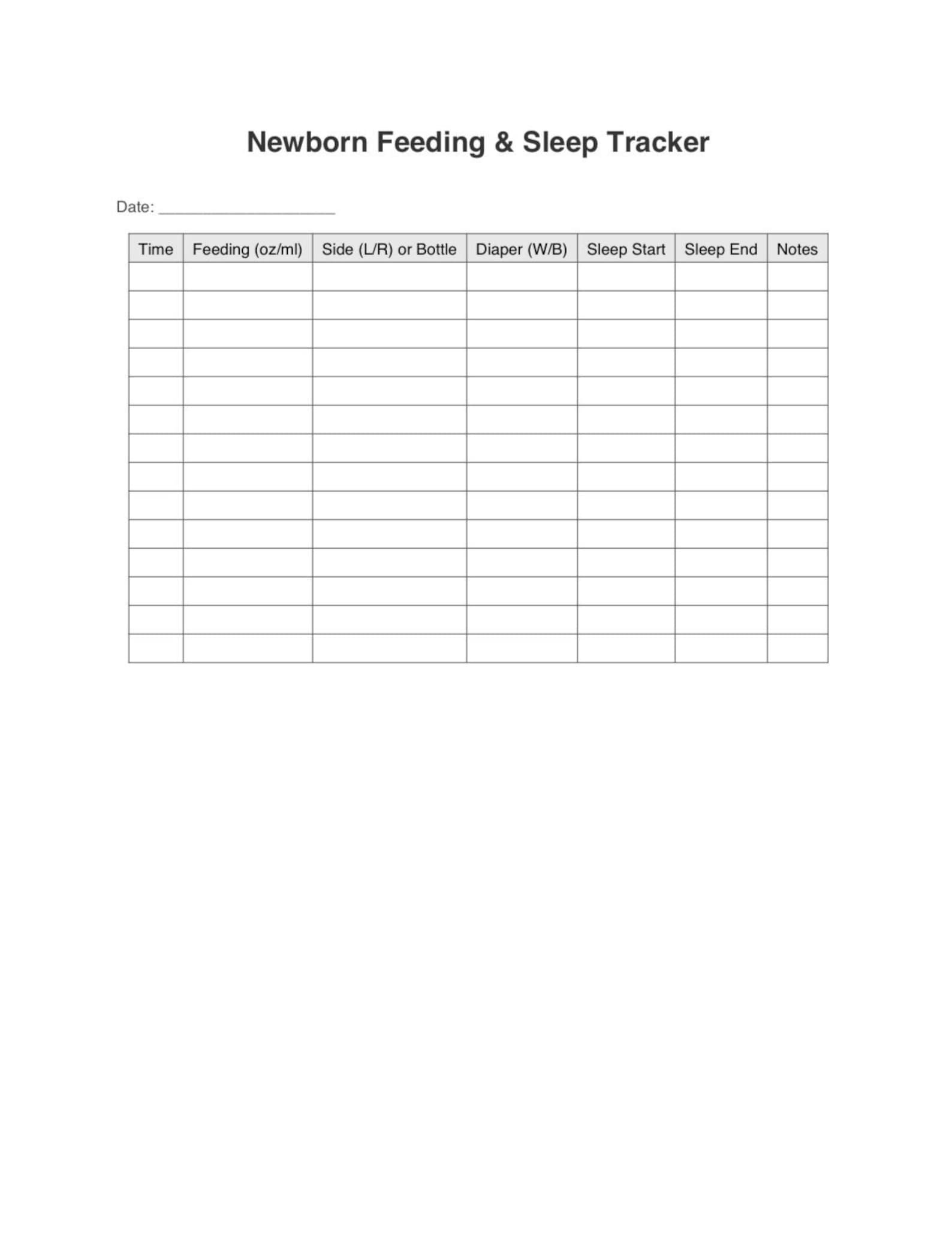
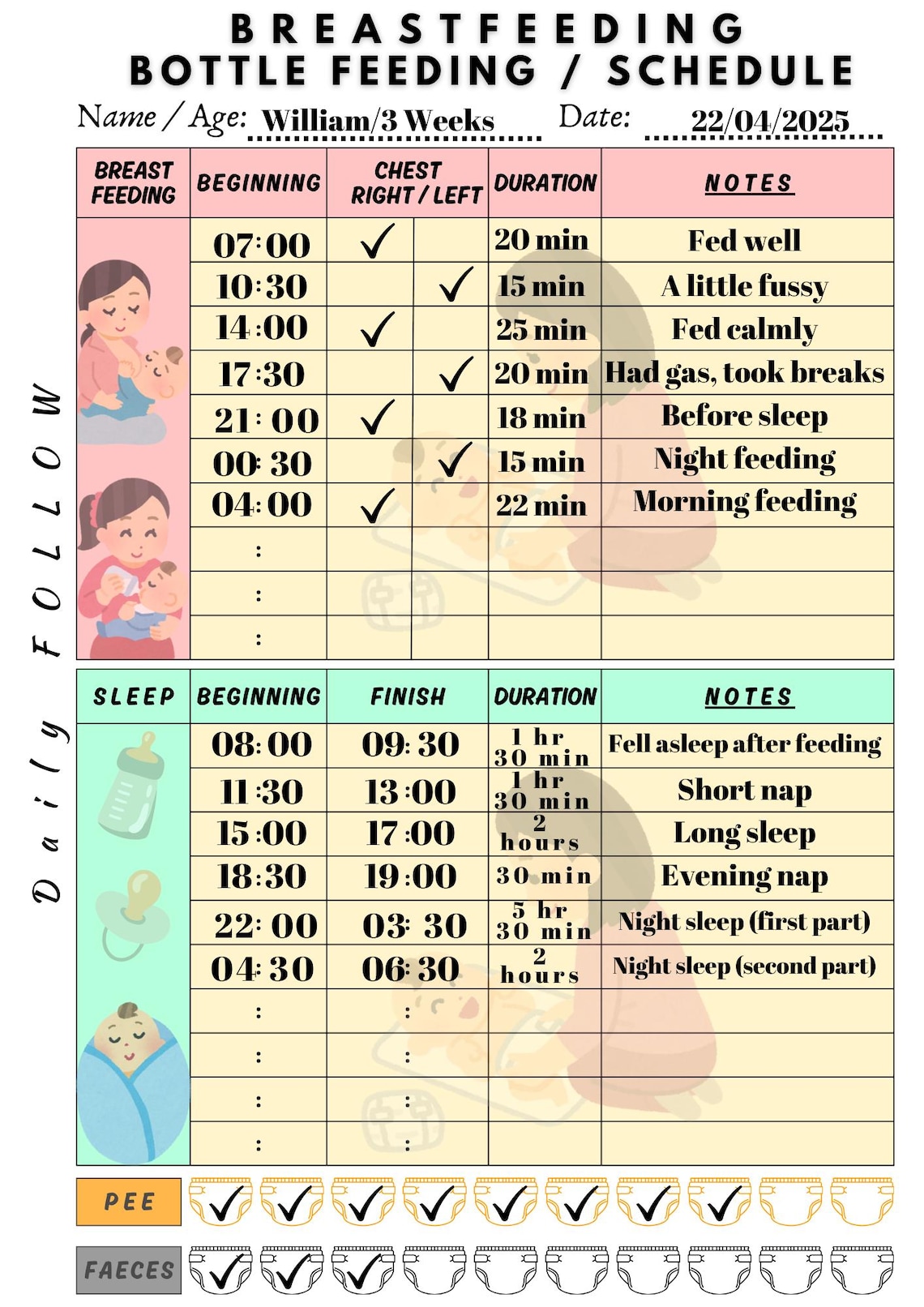
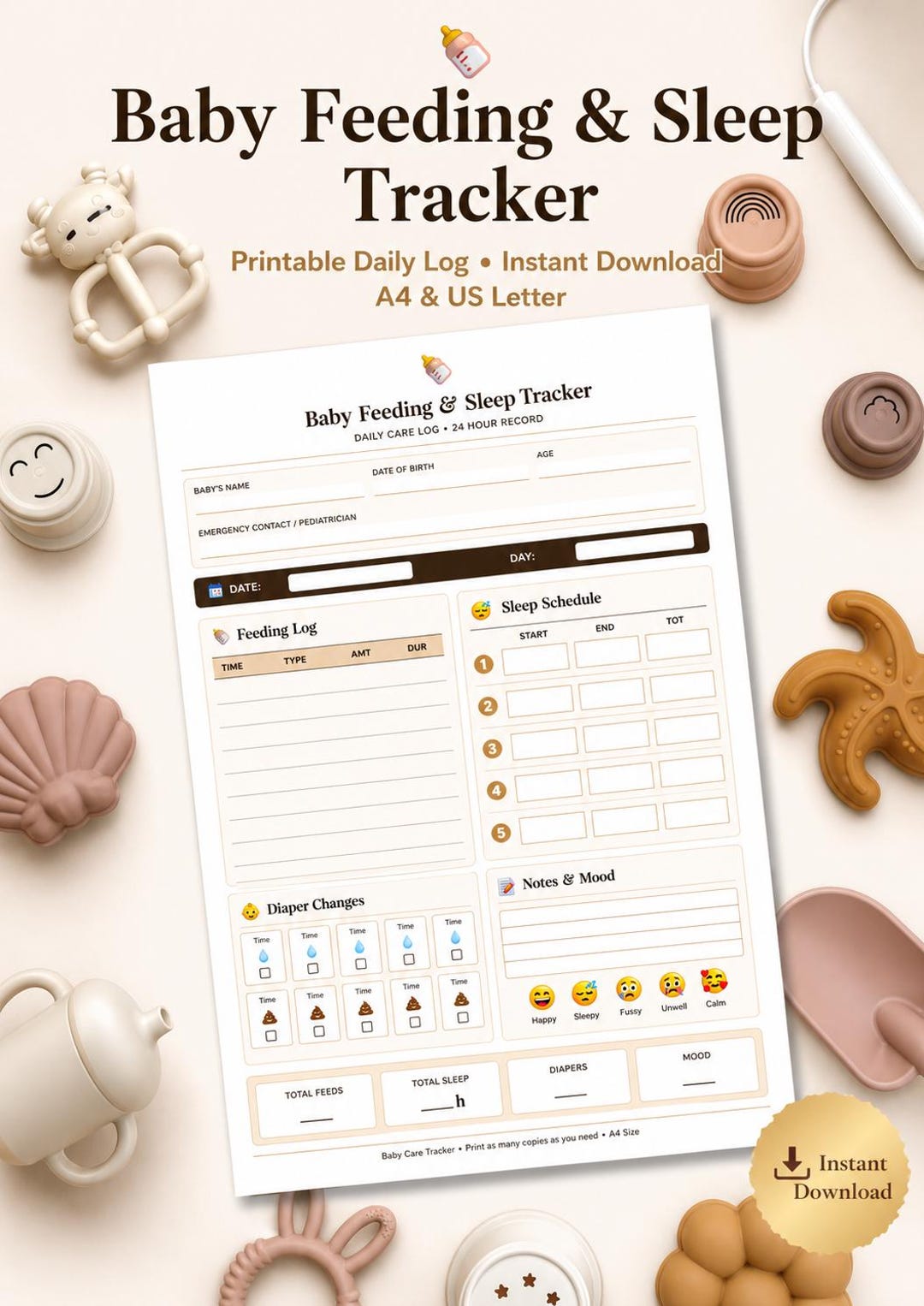
- Log Daily Nutrition: Keep a 3-day log of formula/breastfeeding volumes and solid food attempts to share with your pediatrician.
- Review Equipment Limits: Inspect car seats, high chairs, bouncers, and baby carriers to ensure your child remains within safe height and weight tolerances.
- Update the Sleep Environment: Transition to an arms-free sleep sack, ensure the crib mattress is positioned safely, and remove soft objects from the sleep space.
- Schedule Your Well-Child Visit: Discuss your baby's personalized growth percentile chart, solid food readiness, and routine vaccinations with your healthcare provider.