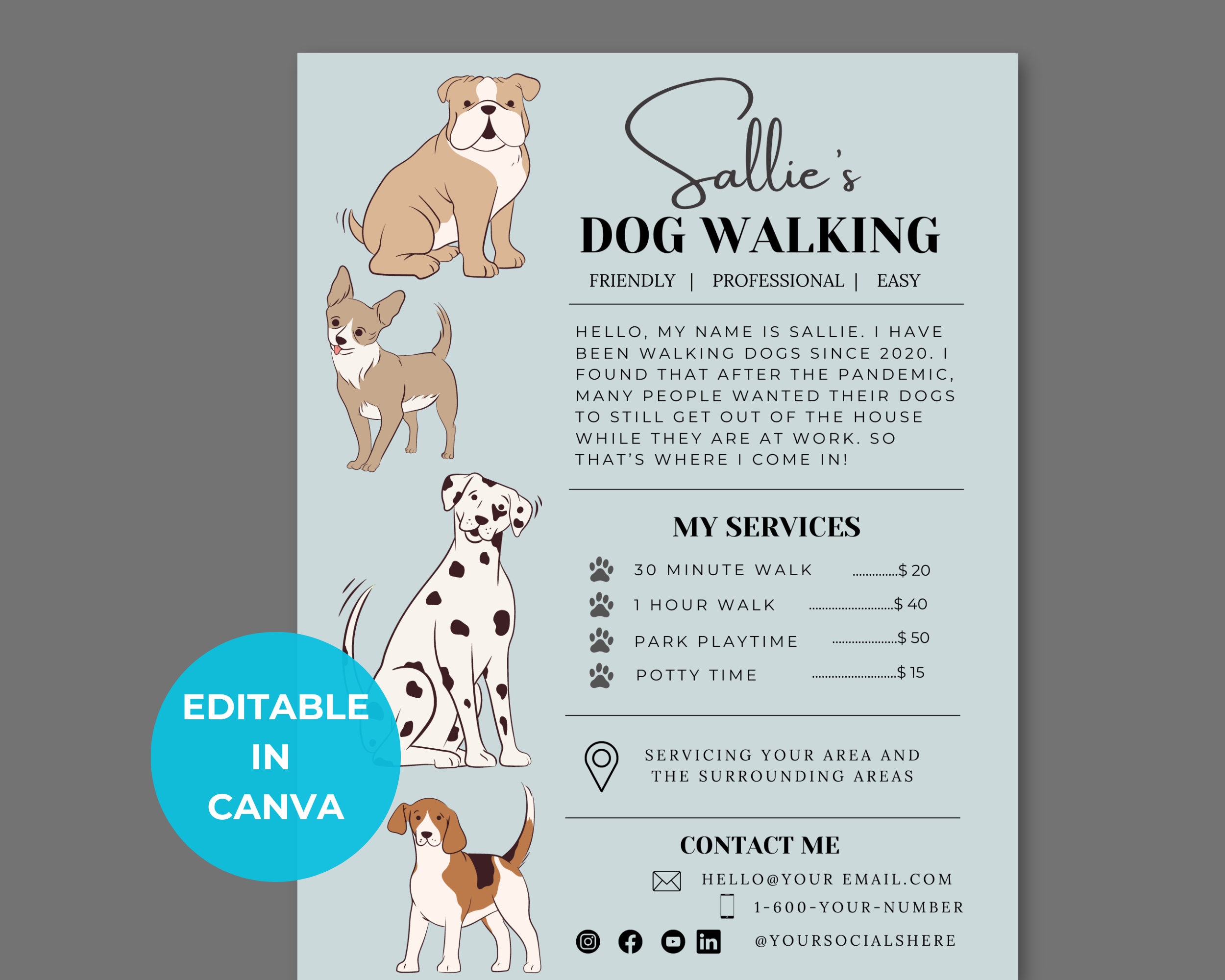
Hiring a 16-year-old dog walker offers pet owners an affordable, local solution for daily exercise while providing young entrepreneurs with valuable business experience. Achieving reliable, professional pet care requires clear legal protocols, parental involvement, transparent safety boundaries, structured emergency procedures, and adequate liability coverage tailored to minor service providers.
The Legal and Operational Framework for 16-Year-Old Dog Walkers
Evaluating or establishing a pet care service operated by a 16-year-old requires understanding the legal distinctions between minor employment and independent contracting. At 16, teenagers in most jurisdictions can legally perform independent work or operate local micro-businesses, but contract law and liability rules present unique structural considerations.
Operational Framework for Teen Walkers:
- Parental Authorization & Co-Signing (Legal Enforceability)
- Liability Coverage (Renter's/Homeowner's Rider or Business)
- Defined Scope of Work (Weight Limits, Temperament Bounds)
- Service Intake & Emergency Power of Attorney Protocol
Contractual Validity and Parental Authorization
In most common-law jurisdictions, minors under 18 lack full legal capacity to execute binding contracts. When a pet owner enters an agreement with a 16-year-old dog walker, the contract can generally be voided by the minor unless a parent or legal guardian signs as a co-party or guarantor.
To ensure accountability and legal enforceability:
- Service Agreements: The written service agreement must include a parental signature block explicitly confirming parental consent, awareness of work hours, and joint responsibility for administrative terms.
- Payment Authorization: Terms outlining cancellation fees, payment cadences (weekly or per-walk), and preferred payment platforms must be endorsed by the parent.
- Medical Release Forms: Pet owners must sign a written authorization allowing the teen walker—and their supervising parent—to seek emergency veterinary care if the owner cannot be reached.
Liability Insurance and Risk Allocation
Standard homeowner or renter insurance policies held by the minor's family may not automatically cover third-party liability arising from commercial pet care operations. Conversely, large pet care platforms often restrict registration to individuals aged 18 or older due to banking and contract restrictions.
Teenage pet care providers can establish formal coverage through:
- Specialty Pet Care Insurance: Independent insurance brokers offer specialized business insurance tailored to dog walkers and pet sitters, with policy endorsements accommodating minor operators when co-signed by an adult guardian.
- Homeowner Policy Endorsements: Some personal liability umbrella policies allow policyholders to add a rider for low-risk, home-based youth employment activities.
- Client Care Waivers: While hold-harmless agreements reduce minor claims, they do not replace formal third-party liability coverage for damage, injury, or pet loss.
Establishing Reliability and Professional Safety Protocols
Reliability is the cornerstone of pet care. Owners entrust their homes and companion animals to service providers, making verifiable safety standards and professional routines non-negotiable—regardless of the provider's age.
Daily Pet Care Protocol:
- Pre-Walk Check: Leash/Harness Inspection & Door Security
- Active Walk: Fixed 6-ft Leash, Visual Scanning, Hydration
- Post-Walk: Water Refresh, Paws Wiped, Lock Verification
- Client Update: Timestamped Photo & Behavioral Summary Note
Essential Safety Credentials and Training
A professional 16-year-old dog walker should establish baseline competency before taking on solo assignments. Recommended training milestones include:
- Pet First Aid and CPR Certification: Organizations such as the American Red Cross offer online and classroom courses in canine first aid, covering choking, heatstroke, wound care, and CPR.
- Canine Body Language Awareness: Understanding stress signals—such as lip licking, yawning, stiff posture, or whale eye—prevents avoidable bites or reactive episodes during neighborhood walks.
- Equipment Mastery: Proper handling of body harnesses, martingales, and head halters (Gentle Leaders) is crucial. Retractable flexi-leads should be systematically avoided due to high injury rates and loss-of-control risks.
Standardized Daily Procedures
To maintain service consistency, young dog walkers should adhere to a structured protocol for every appointment:
- Pre-Entry Security Check: Verify home perimeter security, secure exterior doors upon entry, and confirm the target dog is calm before unlocking crates or interior gates.
- Gear Double-Checking: Inspect collars, harnesses, and leashes for wear, fraying, or loose buckles prior to stepping outside.
- Environmental Management: Maintain a minimum 10-foot buffer distance from unfamiliar dogs, children, and high-traffic road zones. Avoid off-leash dog parks entirely.
- Weather Contingencies: Monitor ground temperatures. As a general rule, if asphalt is too hot to hold a human palm comfortably for seven seconds, ambient temperatures present a burn risk to canine paw pads. Rain or severe cold routines should pivot to shortened relief walks paired with indoor mental stimulation games.
- Post-Walk Departure: Replenish fresh water, clean wet or muddy paws, verify entry doors are securely deadbolted, and send a structured digital check-in update to the owner.
Evaluating Dog Walker Options for Pet Owners
Choosing between a local 16-year-old service provider, an adult professional pet care company, or an app-based booking service requires balancing budget considerations, scheduling flexibility, liability protections, and service continuity.
| Service Model | Hourly / Walk Rate Range (USD) | Legal Status & Age | Primary Strengths | Potential Drawbacks | Recommended Use Case |
|---|---|---|---|---|---|
| Independent 16-Year-Old Walker | $12 – $22 per 30-min walk | Minor (Parental Consent Required) | Local proximity, consistent individual attention, competitive rates, flexible neighborhood scheduling | School-hour availability limits, insurance requires adult co-sign | Mid-day non-peak walks, weekend visits, after-school exercise for low-reactivity pets |
| Adult Independent Professional | $25 – $40 per 30-min walk | Adult (Sole Proprietor / LLC) | Year-round availability, commercial insurance, extensive behavioral experience | Higher cost structure, busy peak-hour schedules | High-reactivity dogs, complex medication needs, mid-day workday walks |
| App-Based Platforms (e.g., Rover, Wag) | $20 – $35 per 30-min walk | Adult 18+ (Independent Contractor) | Integrated payment tracking, automated updates, platform support guarantees | Inconsistent walkers, platform fee markups, variable experience levels | On-demand or short-notice single walks during travel |
| Commercial Pet Sitting Companies | $30 – $50 per 30-min walk | Adult Staff (Employees) | Full bonding/insurance, backup walker guarantees, strict corporate protocols | Premium pricing, less personal relationship with single walker | High-net-worth property care, complex multi-pet households |
Structuring a Service Portfolio for Teen Entrepreneurs
For a 16-year-old aiming to build a reputable pet care business, presenting a organized portfolio distinguishes the provider from casual neighborhood labor. Professionalism instills confidence in pet owners and justifies competitive market rates.
Client Intake Portfolio Packets:
- Service Rates & Fee Schedule
- Emergency Contact & Vet Release Authorization Form
- Client References & Community Testimonials
- Pet Behavioral Profile & Medical Intake Sheet
- Proof of First Aid Certification & Insurance Rider (If Applicable)
Developing Professional Intake Forms
Before accepting a new client, the walker should conduct a mandatory, free 20-minute "Meet and Greet" at the owner's home. During this visit, both parties complete a detailed Pet Care Profile detailing:
- Pet Profile: Age, breed, weight, medical history, vaccination status (Rabies, DHPP, Bordetella), and microchip details.
- Behavioral Triggers: History of leash reactivity, prey drive (cats, squirrels), food aggression, or fear of thunder/loud vehicles.
- Home Access Codes: Clear instructions for key handoff, smart lock codes, alarm bypass rules, and designated areas for waste disposal.
- Veterinary Information: Primary vet clinic address, clinic phone number, emergency 24-hour hospital preference, and maximum pre-authorized vet spend limit for urgent situations.
Pricing Models and Payment Policies
Clear financial boundaries prevent misunderstandings and late payments.
- Standard Rates: Rates should reflect local market standards, typically set at $15 to $20 per 30-minute walk for a single dog, with an additional $5 to $8 charge per extra dog from the same household.
- Invoicing: Utilize free, digital invoicing platforms or mobile payment systems with transparent record-keeping. Cash is acceptable if detailed physical receipts are provided.
- Cancellation Terms: Enforce a minimum 24-hour cancellation notice for regular walks. Cancellations made inside 24 hours incur a 50% fee to compensate for reserved schedule time.
Risk Management and Operational Boundaries
To maintain safety and protect both the pet owner and the minor service provider, certain operational limits must be established upfront.
Identifying High-Risk Situations
A 16-year-old dog walker should not accept assignments that exceed their physical capacity or technical training. Red flags requiring redirection to specialized adult professionals include:
- Extreme Physical Scale: Handling extra-large or giant breeds (e.g., 100+ lb Mastiffs or Great Danes) where the walker's physical weight could lead to being pulled over during sudden reactions.
- Severe Behavioral Issues: Dogs with a documented history of severe human aggression, intraspecies aggression, or extreme separation anxiety resulting in destructive escaping behaviors.
- Complex Medical Administration: Tasks requiring subcutaneous injections, complex insulin schedules, or medical procedures that carry high failure risks if misadministered.
Risk Assessment Decision Matrix:
- Low Risk: Small/Medium breeds, leash trained, good health
- Suitable for qualified 16-year-old walker.
- Med Risk: Large breeds, moderate pull, minor anxiety
- Requires trial walks & parental approval.
- High Risk: Aggressive history, giant breeds, active illness
- Requires adult specialist / certified trainer.
Safety Equipment Guidelines
To prevent accidental escapes or injuries on public sidewalks:
- Dual-Leash Systems: For dogs prone to slipping collars, use a safety backup clip connecting the collar to a well-fitted harness simultaneously.
- Personal Safety Tools: Teen walkers operating in early morning or evening hours should carry an ultra-bright LED flashlight, wear a reflective vest, and maintain a fully charged cell phone with GPS location sharing active with their parents.
- No Headphones: Audio situational awareness is critical. Walkers must never wear noise-canceling headphones or earbuds during client visits.
Step-by-Step Guide for Pet Owners Hiring a Teen Walker
To ensure a seamless experience, pet owners should follow a structured verification process when hiring a 16-year-old dog walker.
Step 1: Conduct an Initial Screening Interview
Initial contact can take place via phone or video call with both the teenager and one of their parents present. Key questions to ask include:
- What experience do you have handling different dog sizes and temperaments?
- Are your parents aware of your walking schedule and supportive of this business?
- How do you manage emergency situations if a dog gets loose or injured?
Step 2: Organize the In-Person "Meet and Greet"
Observe how the walker interacts with the pet in a controlled environment:
- Does the walker allow the dog to approach naturally, avoiding abrupt movements?
- Does the walker ask thoughtful questions about the pet's habits, triggers, and routines?
- Can the walker physically manage the dog's movement on a short leash trial around the yard or block?
Step 3: Review and Sign Service Documentation
Draft or review a plain-language service contract detailing:
- Agreed schedules, service duration, and specific task lists (feeding, walking, waste removal).
- Compensation rates, payment schedules, and cancellation policies.
- Parental signature co-signing liability waiver provisions and medical care authorizations.
Step 4: Execute a Trial Period
Start with a two-week trial period consisting of scheduled walks while the owner or a family member is nearby or accessible. Use this period to verify punctual arrivals, thorough communication updates, and proper house security habits.
Frequently Asked Questions
Can a 16-year-old legally sign a pet care service contract?
In most jurisdictions, contracts signed solely by a minor are considered voidable at the minor's discretion. To make a pet care contract legally enforceable and binding regarding liability and payment, a parent or legal guardian must sign the agreement alongside the 16-year-old worker.
How much should a 16-year-old dog walker charge per hour?
Rates vary by region, but standard entry-level pricing for a 16-year-old dog walker typically ranges from $12 to $22 per 30-minute walk for one dog. Specialized services, multiple pets, or extended 60-minute walks generally range from $22 to $35 depending on local market rates and the walker's experience level.
Does homeowner insurance cover a teenage dog walker if a dog bites someone?
Standard personal homeowner or renter insurance policies held by the teenager's parents may exclude commercial business activities conducted off-premises. Pet owners' liability insurance generally serves as the primary coverage for injuries caused by their dog, but teen walkers should consult an insurance agent to add a minor business liability endorsement to their family's policy if operating regularly.
Can 16-year-olds register for dog walking apps like Rover or Wag?
Major pet-sitting applications like Rover and Wag require service providers to be at least 18 years old to pass background checks and execute their binding legal terms of service. Teenagers under 18 must operate independently, gaining clients through local neighborhood marketing, word-of-mouth recommendations, or family networks.
What should happen if a dog escapes while under a teen walker's care?
The walker should immediately secure any secondary pets, alert the pet owner, contact local animal control or municipal shelters, and notify their parent/guardian for search assistance. Walkers should never leave an unlocked house unattended or place themselves in personal danger along high-speed roadways.
Actionable Steps to Get Started
Whether you are a pet owner seeking local care or a 16-year-old founding a neighborhood pet care service, structured setup ensures safety and legal transparency.
Implementation Roadmap:
- For Teen Entrepreneurs:
- Complete Red Cross Pet First Aid Certification
- Draft Intake Agreements with Parental Signature Lines
- Prepare Safety Tool Kit (Flashlight, Leashes, Waste Bags)
- Establish Reference List from Past Neighbors/Clients
- For Pet Owners Hiring:
- Request Proof of Identification and Parental Co-Consent
- Conduct In-Person Household Assessment & Trial Walk
- Leave Written Emergency Vet Authorization Form
- Provide Spare Key/Access Code & Secure Lock Instructions
By formalizing safety boundaries, establishing parental co-signatures, and maintaining transparent communication, hiring a reliable 16-year-old dog walker provides efficient pet care for owners while empowering young service providers with sustainable business fundamentals.