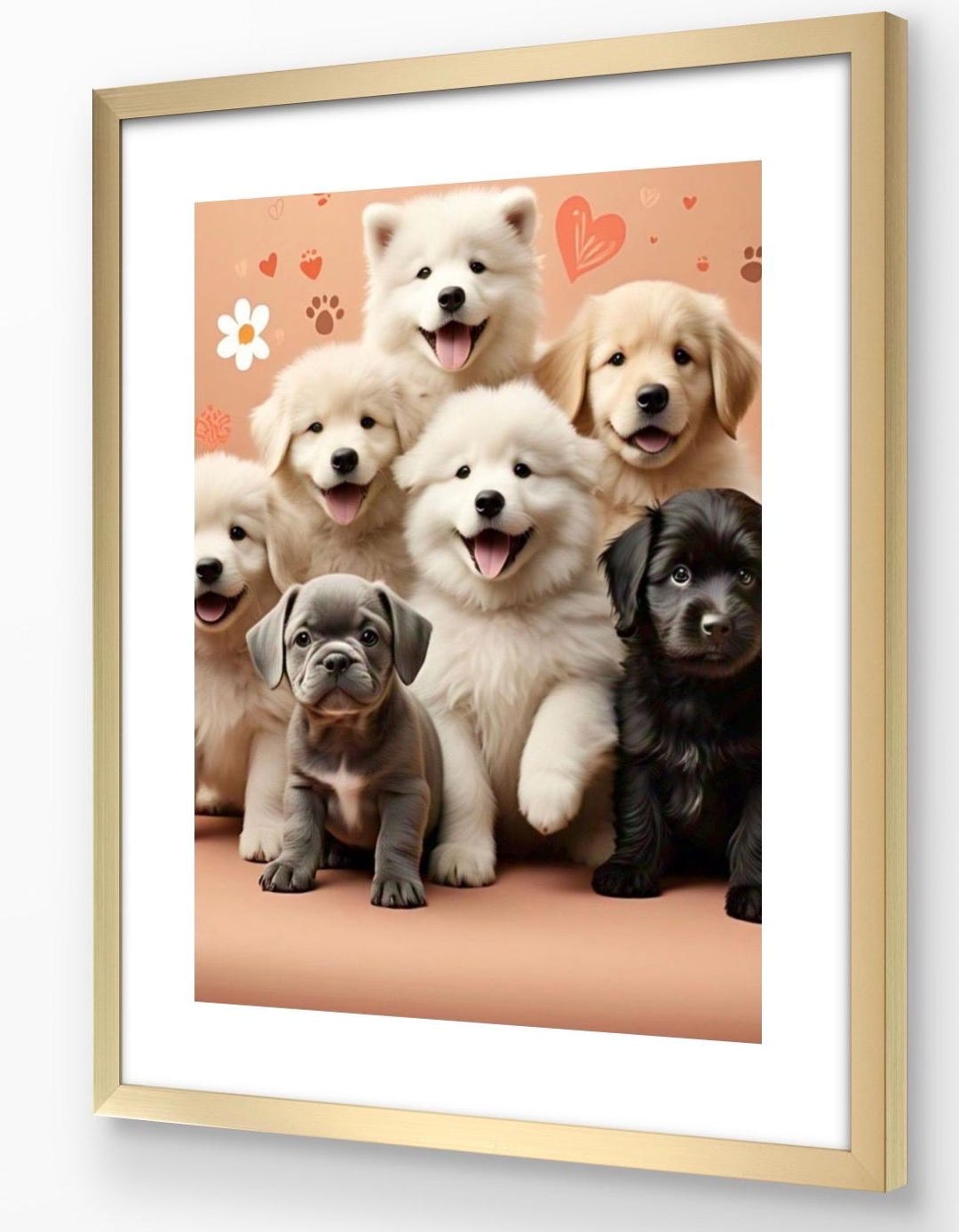
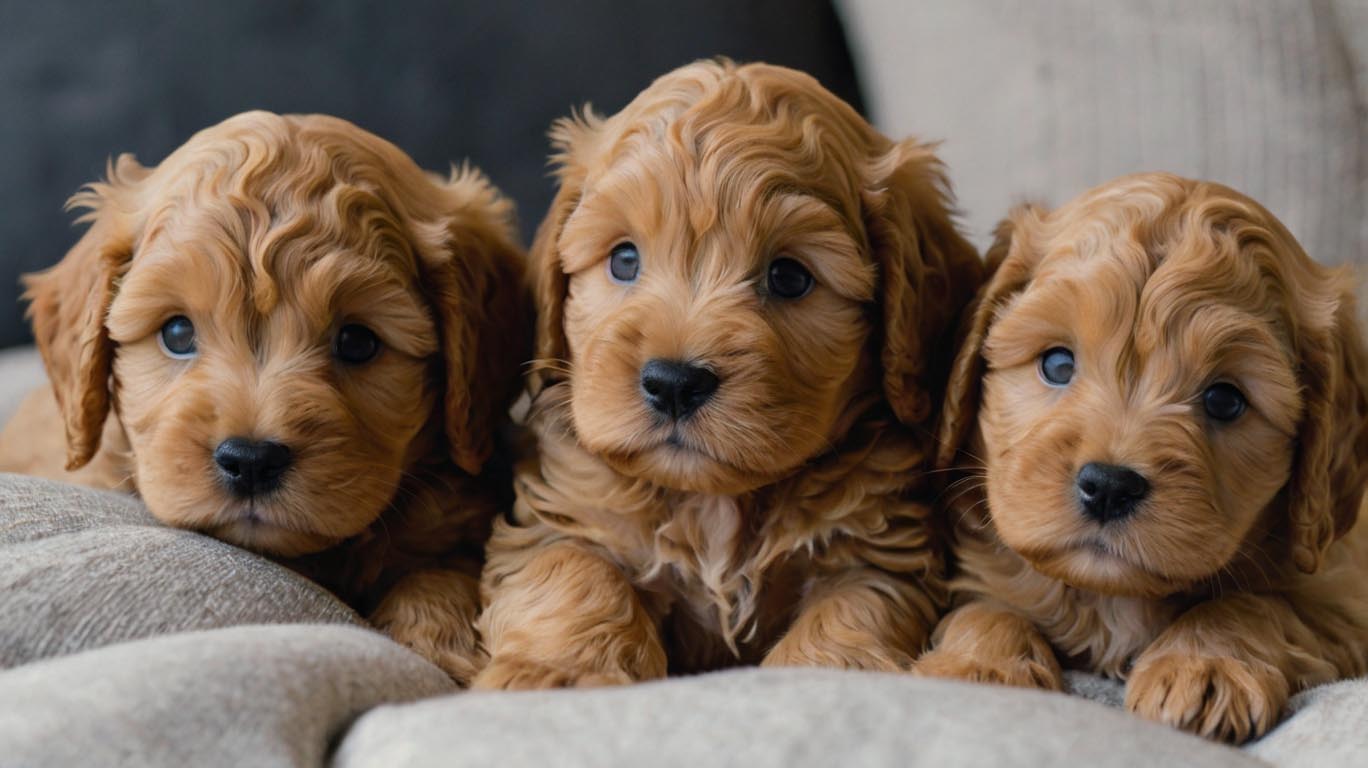
Building or selecting from an ultimate squad of 15 distinct puppy breeds requires understanding temperament, energy levels, and social compatibility. Whether raising multiple puppies simultaneously or selecting the ideal breed for your household, balancing early socialization, structured obedience training, nutritional milestones, and veterinary care ensures a cohesive, healthy, and happy canine dynamic.
Understanding Puppy Squad Dynamics: Socialization and Group Temperament
Managing a group of puppies—whether from the same litter, different breeds, or an evolving multi-dog household—demands a clear understanding of canine social structure. Between 3 and 16 weeks of age, puppies experience their critical socialization window. During this phase, their brains are uniquely receptive to learning how to interact with humans, other dogs, and novel environments.
When multiple young dogs interact, they form a social hierarchy based on play style, energy levels, and communication cues. However, raising puppies in close proximity introduces specific behavioral risks, such as Littermate Syndrome. This condition occurs when two puppies raised together bond so intensely with one another that they fail to develop independent confidence, leading to severe separation anxiety, fearfulness around outside dogs, and potential aggression toward each other as they mature.
To foster a balanced squad, owners and handlers must implement structured independence strategies:
- Separate Crating and Sleeping Areas: Crating puppies individually prevents codependency and ensures each dog views their crate as a secure personal retreat.
- Individual Training Sessions: Dedicate 10 to 15 minutes daily to one-on-one obedience training away from the rest of the group.
- One-on-One Socialization: Take puppies on separate outings to expose them independently to new sights, sounds, and unfamiliar dogs.
- Monitored Playtime: Intervene during group play if one puppy demonstrates excessive dominance, resource guarding, or persistent roughhousing that distresses smaller squad members.
The Ultimate 15 Puppy Squad Profiles
Each breed brings distinct physical traits, instinctual drives, and personality quirks to a squad. Below are 15 standout puppy profiles, categorizing their temperament, energy levels, and ideal role within a group dynamic.
| THE 15 PUPPY SQUAD | |
|---|---|
| 1. Golden Retriever (Anchor) | 9. Poodle (All-Rounder) |
| 2. French Bulldog (Compact) | 10. Bernese Mountain (Giant) |
| 3. German Shepherd (Guardian) | 11. Dachshund (Scout) |
| 4. Labrador Retriever (Athlete) | 12. Boxer (Playhouse) |
| 5. Pembroke Welsh Corgi (Herder) | 13. Shiba Inu (Observer) |
| 6. Cavalier King Charles (Lapdog) | 14. Great Dane (Softie) |
| 7. Australian Shepherd (Workhorse) | 15. Border Collie (Master) |
| 8. Beagle (Explorer) |
1. Golden Retriever: The Friendly Squad Anchor
Golden Retriever puppies are renowned for their forgiving nature, eager-to-please attitude, and high social intelligence. As the stable anchor of any dog squad, they adapt seamlessly to kids, cats, and other dogs. They require moderate to high exercise and excel in basic retrieval games and fetch early on.
2. French Bulldog: The Compact Companion
With their characteristic bat ears and sturdy frame, French Bulldog puppies add charm and low-energy companionship to the mix. Brachycephalic (short-nosed) breeds require climate-controlled environments and low-impact exercise to prevent respiratory stress, making them ideal indoor squad members.
3. German Shepherd: The Focused Student
German Shepherd puppies possess intense focus and an inherent drive to work. Highly trainable and loyal, they require immediate, structured boundary setting and early socialization to ensure their protective instincts remain balanced and well-channeled.
4. Labrador Retriever: The High-Energy Athlete
Consistently ranked among the most popular breeds, Labrador Retriever puppies bring enthusiastic energy to the squad. They thrive on swimming, fetching, and active outdoor adventures, requiring durable chew toys to manage their extended mouthy teething phase.
5. Pembroke Welsh Corgi: The Spirited Herder
Low to the ground but big on personality, Corgi puppies bring alert energy and strong herding instincts. They may attempt to nip at heels during group play, requiring early redirection toward appropriate toys and structured movement games.
6. Cavalier King Charles Spaniel: The Gentle Lapdog
Cavaliers offer an affectionate, calm presence that can soften the energy of a high-velocity puppy squad. Their eager, gentle demeanor makes them excellent candidates for therapy work, though their soft coats require routine brushing to prevent matting.
7. Australian Shepherd: The High-Octane Workhorse
Aussie puppies are driven, agile, and remarkably smart. Without significant daily physical exercise and mental stimulation (such as puzzle feeders or agility training), their excess energy can translate into vocalization or destructive herding behavior.
8. Beagle: The Curious Hound
Guided by an exceptional sense of smell, Beagle puppies are merry, curious, and vocal. Their tendency to follow scent trails means secure yard fencing and dedicated nose-work games are essential for keeping them engaged and safe.
9. Poodle (Standard / Miniature): The Intelligent All-Rounder
Available in various sizes, Poodle puppies are highly hypoallergenic shed-wise and rank among the smartest canine breeds. They pick up commands rapidly and require consistent mental challenges alongside regular professional grooming routines.
10. Bernese Mountain Dog: The Gentle Giant
Bernese puppies grow rapidly from fluffy teddy bears into powerful, calm working dogs. They exhibit a serene, patient demeanor within group settings, though their diet must be carefully calibrated to support slow, healthy orthopedic growth.
11. Dachshund: The Bold Scout
Dachshund puppies possess a courageous, inquisitive nature wrapped in a unique long-and-low silhouette. Because their long spines are susceptible to Intervertebral Disc Disease (IVDD), handlers must train them early not to jump off furniture or rush down stairs.
12. Boxer: The Playful Powerhouse
Boxer puppies remain perpetually young at heart, bringing boundless exuberance and comical springiness to play sessions. They need consistent, positive-reinforcement training to curb athletic jumping when greeting humans and squad mates.
13. Shiba Inu: The Independent Observer
Clean, quiet, and fastidious, Shiba Inu puppies operate with cat-like independence. They bring a calm, observant dynamic to a group, though their strong prey drive and reserved nature toward strangers require patient, early socialization.
14. Great Dane: The Regal Softie
Despite their imposing adult size, Great Dane puppies are remarkably gentle and tender-hearted. They are prone to rapid growth spurts, requiring controlled exercise routines to protect developing joints during their first 18 to 24 months.
15. Border Collie: The Mastermind
Border Collie puppies represent the pinnacle of canine working intelligence. They require active job simulation—such as advanced trick training, flyball, or obedience trials—to keep their analytical minds satisfied within a multi-dog environment.
Comparative Overview of the 15 Squad Puppies
The following table summarizes the key characteristics, care demands, and suitability parameters for each breed within the ultimate puppy squad:
| Breed | Size Category | Energy Level | Grooming Need | Dominant Instinct | Ideal Home Environment |
|---|---|---|---|---|---|
| Golden Retriever | Large | Moderate-High | Moderate | Retrieving / Companion | Active families, yards |
| French Bulldog | Small | Low-Moderate | Low | Companion | Apartments, quiet homes |
| German Shepherd | Large | High | Moderate | Herding / Guarding | Experienced handlers, space |
| Labrador Retriever | Large | High | Low-Moderate | Retrieving / Sports | Active outdoor homes |
| Pembroke Welsh Corgi | Small-Medium | High | Moderate | Herding | Homes with active routines |
| Cavalier King Charles | Small | Low-Moderate | Moderate-High | Companion / Lapdog | Families, seniors, apartments |
| Australian Shepherd | Medium-Large | Very High | Moderate-High | Herding / Agility | Rural settings, sport homes |
| Beagle | Small-Medium | High | Low | Scent Tracking | Secure yards, multi-dog homes |
| Poodle | Small to Large | Moderate-High | High | Intelligence / Retrieval | Homes committed to grooming |
| Bernese Mountain Dog | Giant | Moderate | High | Drafting / Companion | Cool climates, large yards |
| Dachshund | Small | Moderate | Low-Moderate | Burrowing / Hunting | Homes with ramps, low stairs |
| Boxer | Large | Very High | Low | Guarding / Play | High-energy active families |
| Shiba Inu | Small-Medium | Moderate | Moderate | Independent Hunting | Experienced, patient owners |
| Great Dane | Giant | Moderate | Low | Estate Guard / Lapdog | Homes with spacious layouts |
| Border Collie | Medium | Extreme | Moderate | Intensive Herding | Working farms, sport handlers |
Preventative Healthcare and Developmental Milestones
Managing a squad of puppies requires strict adherence to veterinary health protocols. Puppies inherit maternal antibodies that naturally wane between 6 and 16 weeks of age, creating a window where targeted vaccination is critical.
| Age (Weeks) | Milestone & Care Focus |
|---|---|
| 04 - 08 | Weaning to solid food, initial deworming protocols |
| 06 - 08 | First Core Vaccinations (DHPP / DAP), Vet Checkup |
| 10 - 12 | Second Vaccination Booster, Socialization Peak |
| 14 - 16 | Third Booster, Rabies Vaccine, Heartworm Prevention |
| 24+ (6 mo+) | Spay/Neuter Consultation based on breed size |
Core Vaccination Guidelines
Current veterinary protocols established by the American Animal Hospital Association (AAHA) mandate core vaccines for all puppies:
- Canine Distemper, Adenovirus, Parvovirus, Parainfluenza (DHPP/DAP): Administered starting at 6–8 weeks, with boosters given every 3–4 weeks until 16–20 weeks of age.
- Rabies: Administered as a single dose around 12–16 weeks of age in compliance with regional public health laws.
- Non-Core Options: Depending on lifestyle and geographical risk, vaccines for Bordetella bronchiseptica, Lyme disease, and Canine Influenza may be recommended by your veterinarian.
Nutritional Frameworks Across Breed Sizes
Feeding a squad of puppies cannot follow a one-size-fits-all approach. Nutritional demands vary significantly between a 5-pound French Bulldog puppy and a 25-pound Great Dane puppy at 12 weeks of age.
- Puppy Nutrition Needs
- Small / Toy Breeds
- High Caloric Density
- Small Kibble (Prevents Hypoglycemia & Mechanical Strain)
- Large / Giant Breeds
- Controlled Calorie & Calcium Ratios
- Target: 1.0%–1.5% Calcium (Prevents Rapid Bone Development Issues)
- Small / Toy Breeds
Small and Toy Breed Requirements
Small-breed puppies possess rapid metabolic rates and limited glycogen storage capacity. They require caloric-dense formulas with smaller kibble sizes to prevent hypoglycemia (low blood sugar), which can present as lethargy, muscle tremors, or weakness. Meals should be split into 3 to 4 small feedings daily until 6 months of age.
Large and Giant Breed Requirements
Large-breed puppies require precise mineral balances. Excess calcium, phosphorus, or overall calories can cause rapid bone growth relative to muscle development, increasing the risk of developmental orthopedic disorders such as Hip Dysplasia, Osteochondrosis (OCD), and Hypertrophic Osteodystrophy (HOD).
Select formulas validated by the Association of American Feed Control Officials (AAFCO) specifically for "growth of large size dogs (70 lbs. or more as an adult)," maintaining calcium content strictly between 1.0% and 1.5% on a dry-matter basis.
Practical Setup and Gear Checklist for a Multi-Puppy Environment
Organizing a multi-puppy squad requires durable, easy-to-clean equipment designed to reduce management stress and foster structured daily routines:
- Heavy-Duty Playpens (X-Pens): Modular metal exercise pens allow handlers to create safe, designated play zones and separate individual puppies when energy levels become overly chaotic.
- Color-Coded Collars and Gear: Assigning distinct collar colors to each squad member simplifies identification, record-keeping, medication tracking, and behavioral monitoring.
- Stainless Steel or Ceramic Bowls: Avoid plastic feeding dishes, which leach chemicals, crack easily, and harbor bacteria that cause puppy chin pyoderma (acne).
- Enzymatic Cleaners: Standard household cleaners fail to break down organic proteins in urine and feces. Enzymatic formulas eliminate underlying scent markers, preventing repeated accidents in the same spot.
- Interactive Puzzle Toys: Kongs, snuffle mats, and lick mats provide vital mental enrichment, keeping energetic squad members occupied while discouraging destructive chewing.
Frequently Asked Questions
Can you raise two puppies from the same litter at the same time?
Yes, but it requires double the individual effort. To prevent Littermate Syndrome, raise the puppies on separate schedules for crating, training, walking, and socialization so each dog develops an independent bond with you rather than relying exclusively on its sibling.
What is the most important age window for puppy socialization?
The critical socialization window occurs between 3 and 16 weeks of age. During this period, puppies must be positively exposed to varied surfaces, sounds, people, handling routines, and vaccinated dogs to prevent adult fear and aggression.
How much daily exercise does a puppy squad need?
A standard guideline is 5 minutes of low-impact exercise per month of age, up to twice daily. Forced, high-impact exercise (such as long distance running or jumping) should be avoided until growth plates close, which ranges from 12 months in small breeds to 24 months in giant breeds.
How do I stop puppies from biting each other too hard during play?
Puppies learn bite inhibition from playmates. If one puppy bites too hard, the injured puppy will emit a high-pitched yelp and freeze. If play becomes overly intense, step in quietly, separate the puppies for a brief 30-second cooldown period, and redirect them to appropriate soft chew toys.
When should large-breed puppies transition to adult food?
Large and giant breed puppies should remain on specialized large-breed puppy formulas until their growth plates close, typically between 12 and 18 months of age. Consult your veterinarian to monitor body condition score before making the transition.
Next Steps for Building Your Ideal Dog Squad
Creating a well-balanced puppy squad begins with clear planning and realistic assessment of your household's resources. To get started:
- Evaluate Household Capability: Determine whether your available space, budget, and schedule can accommodate the grooming, nutritional, and training demands of your chosen breed profiles.
- Establish a Veterinary Relationship: Schedule a wellness exam within 48 to 72 hours of bringing any new puppy home to review vaccination schedules, parasite control, and breed-specific health screenings.
- Implement Daily Structure: Create a strict routine covering potty breaks, crate rest, independent training, and monitored group play to maintain peace, order, and steady development across your entire squad.