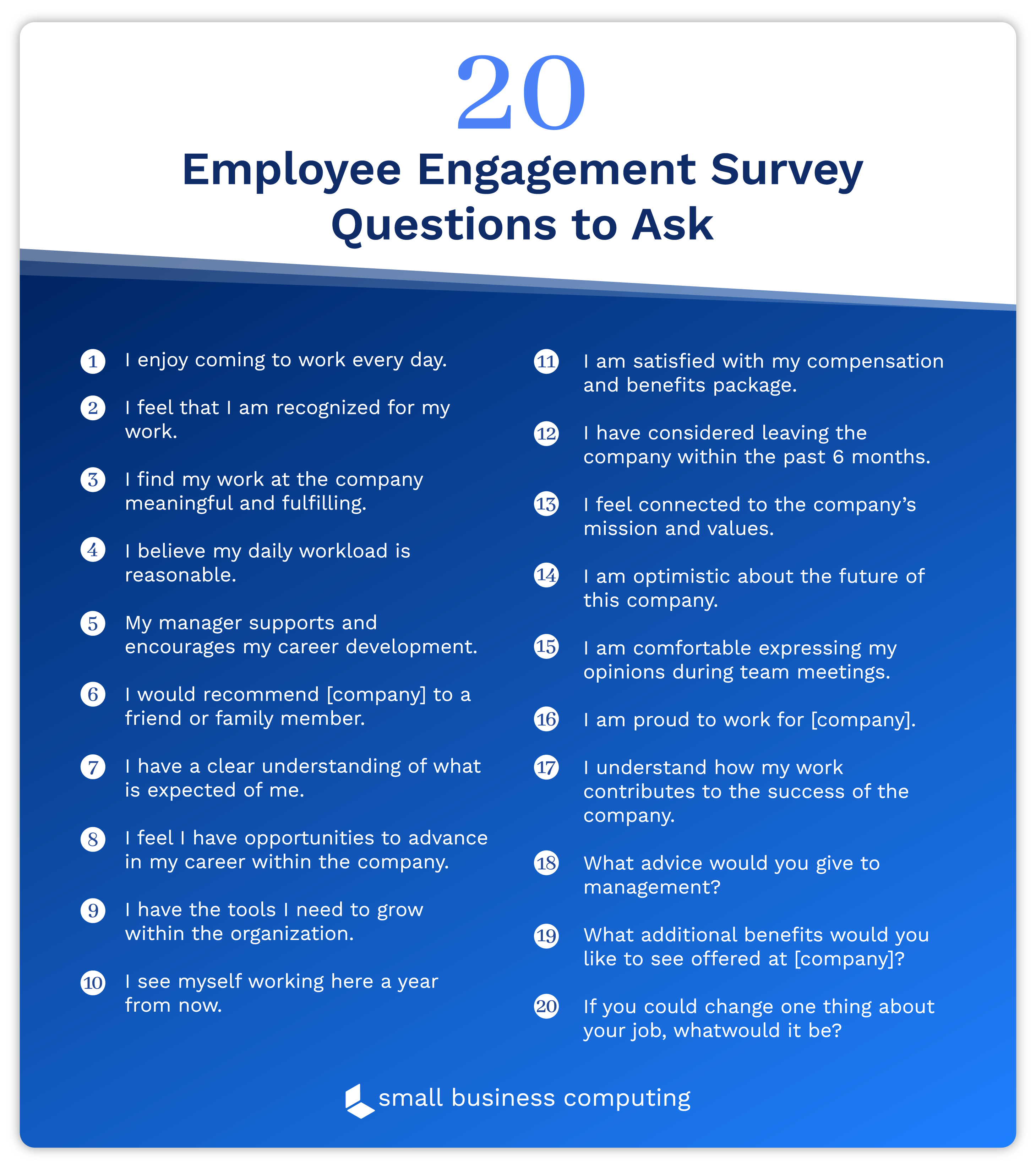
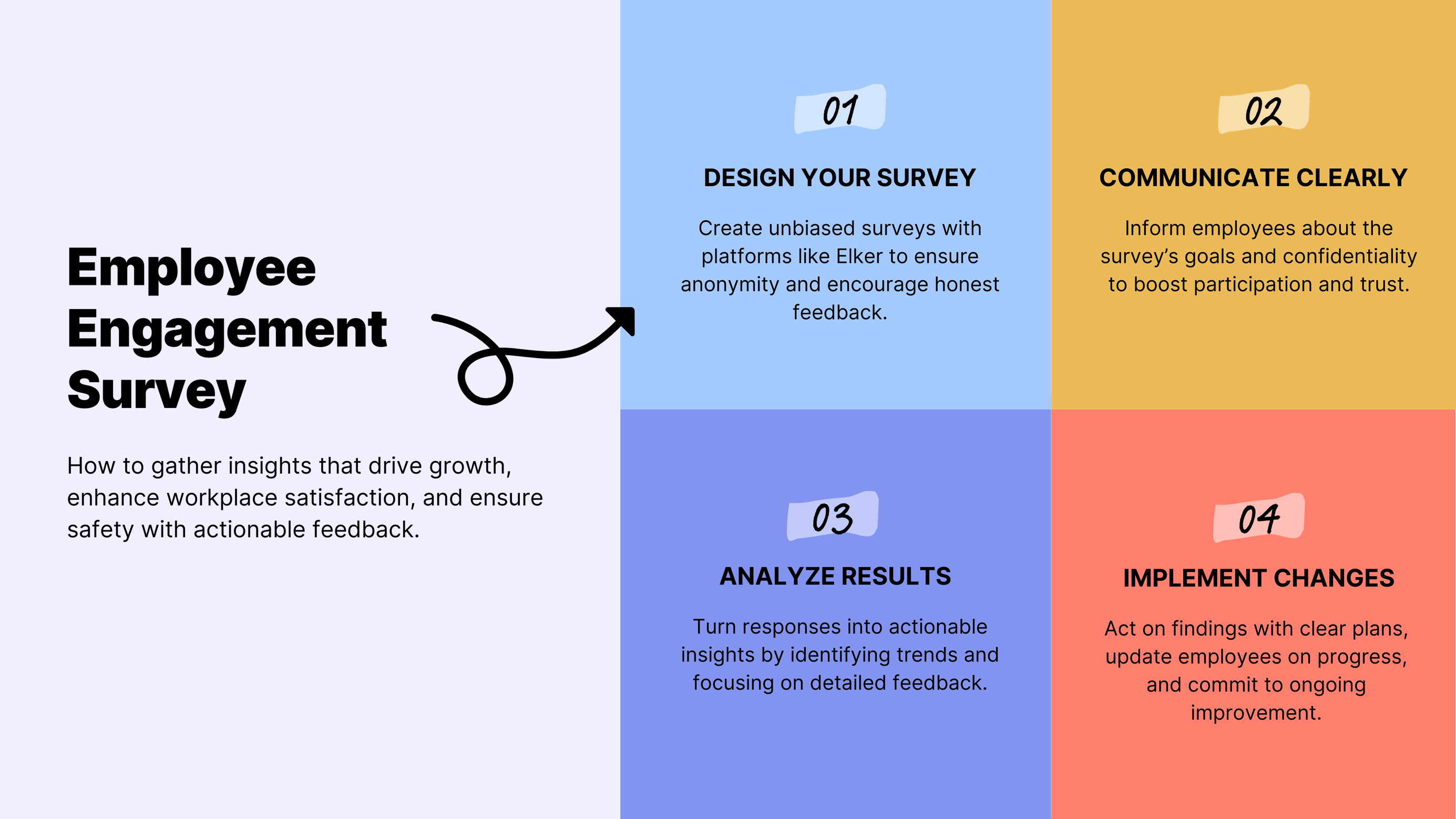
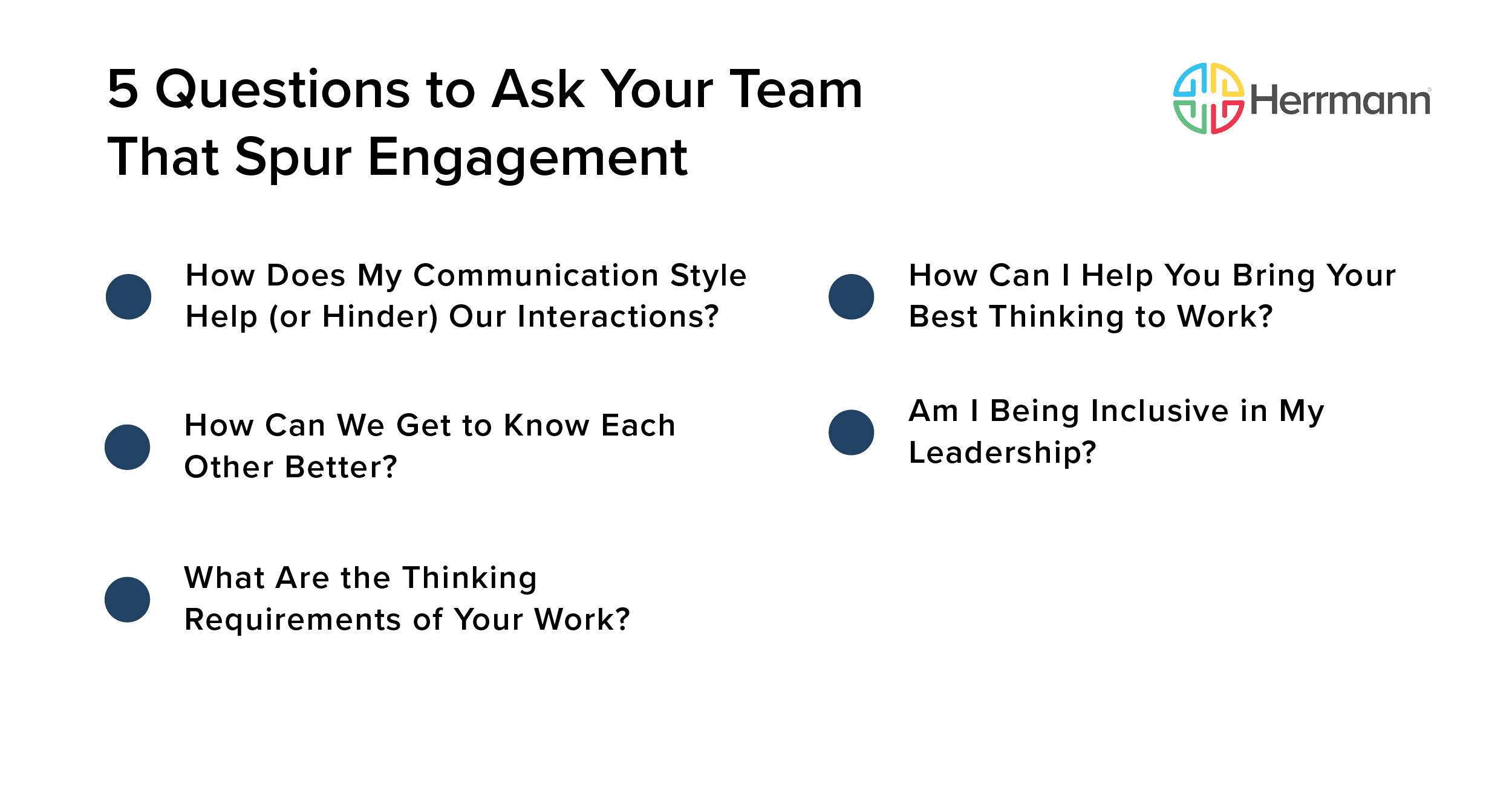
Asking targeted, strategically structured questions is the most effective way to transform passive listeners into active participants. Whether leading a team meeting, presenting a live webinar, writing content, or managing a sales conversation, the specific formulation of a prompt dictates the depth, speed, and quality of response you receive.
The Psychology of Audience Engagement Through Inquiry
Human cognition operates on a stimulus-response loop. When presented with a declarative statement, the brain acts as a passive processor, evaluating information for agreement or disagreement. However, when presented with a question, the brain undergoes a cognitive phenomenon known as instinctive elaboration. This automatic mental trigger forces the brain to pause, search its memory networks, and construct an answer, regardless of whether the person responds aloud.
Effective communicators leverage this psychological reflex to guide focus, build rapport, and stimulate active participation. The secret to instant engagement lies in matching the cognitive demand of the question to the social and operational context of the interaction. Low-friction questions encourage immediate, widespread participation, while deep, evaluative questions yield thoughtful insight and emotional commitment. Understanding how to deploy different question archetypes allows speakers, writers, and leaders to manage group dynamics, overcome passive resistance, and maintain sustained attention across any medium.
15 Powerful Types of Questions for Instant Engagement
To consistently prompt immediate involvement, master these fifteen operational question types, each designed for specific psychological outcomes and communication channels.
| Low Cognitive Friction | High Cognitive Friction |
|---|---|
| (Quick Polls, Binary, Scale) | (Diagnostic, Socratic, Provocative) |
| Immediate, Broad Participation | Deep Reflection, Strategic Alignment |
1. The Either/Or (Binary Choice) Question
Binary choice questions reduce cognitive load by constraining the answer to two explicit options. This low-friction structure lowers the barrier to entry, making it ideal for the opening minutes of a workshop, presentation, or social media post.
- Psychological Mechanism: Eliminates choice paralysis and decision fatigue.
- Best Used For: Rapid warm-ups, audience polling, and breaking initial resistance.
- Example: "When planning your quarterly goals, do you prioritize speed of execution or thorough risk analysis?"
2. The Scale or Rating Question
Scale questions ask participants to evaluate a concept, feeling, or state on a numerical continuum (typically 1 to 5 or 1 to 10). Because numbers require minimal verbal framing, responses are fast, measurable, and easily aggregated across large groups.
- Psychological Mechanism: Simplifies complex self-reflection into a single quantitative metric.
- Best Used For: Assessing group sentiment, baseline measuring, and live stream chats.
- Example: "On a scale of 1 to 10, how confident is your team in meeting the upcoming regulatory compliance deadline?"
3. The Hypothetical ("What If") Question
Hypothetical questions remove real-world constraints, such as budget, risk, or current capabilities, freeing the audience to imagine creative solutions. This type of inquiry encourages lateral thinking and uncovers underlying values or desires.
- Psychological Mechanism: Bypasses fear of failure and defensive thinking by establishing a safe mental sandbox.
- Best Used For: Brainstorming sessions, strategic visioning, and consultative sales.
- Example: "If budget and technical resources were unlimited, what primary bottleneck would you eliminate from your operational workflow tomorrow?"
4. The Diagnostic (Self-Assessment) Question
Diagnostic questions challenge the responder to evaluate their current situation, identifying gaps between their current state and their desired outcomes. These prompts naturally create a awareness of unsolved problems.
- Psychological Mechanism: Triggers cognitive dissonance by exposing friction points in existing routines.
- Best Used For: Sales discovery calls, coaching sessions, and problem-focused blog introductions.
- Example: "Is your current content distribution strategy generating predictable leads, or are you reliant on inconsistent organic reach?"
5. The Nostalgic (Past-Experience) Question
Nostalgic questions invite participants to recall a past memory, lesson, or historical challenge. Because people enjoy sharing personal stories, these questions build rapport quickly and foster empathy within a group.
- Psychological Mechanism: Activates autobiographical memory, generating an emotional connection to the subject.
- Best Used For: Keynote speeches, community building, and personal branding content.
- Example: "What was the very first piece of professional advice you received that completely changed how you manage teams?"
6. The Provocative (Counter-Intuitive) Question
Provocative questions deliberately challenge conventional wisdom, industry norms, or standard assumptions. By presenting a subtle contradiction or uncomfortable truth, they shock the brain into heightened alertness.
- Psychological Mechanism: Triggers the curiosity gap and disrupts pattern recognition.
- Best Used For: Keynote hooks, provocative email subject lines, and panel discussions.
- Example: "What if the metrics your marketing team monitors every single week are actually distracting you from true revenue growth?"
7. The Rhetorical (Reflective) Question
Rhetorical questions are asked without the expectation of an immediate verbal response. Instead, they serve as mental place-markers that force listeners to quietly internalize a concept before moving to the next point.
- Psychological Mechanism: Guides internal monologue and prepares the brain for an incoming insight.
- Best Used For: Transitioning between major presentation topics or structuring persuasive essays.
- Example: "How long can an organization sustain high productivity when employee burnout remains unaddressed?"
8. The Fill-in-the-Blank (Completion) Question
Completion prompts ask the audience to supply a missing word or phrase. This gamified format works remarkably well in visual mediums, chat boxes, and training workshops where quick interaction is required.
- Psychological Mechanism: Leverages the Gestalt principle of closure—the mind's natural urge to complete an unfinished pattern.
- Best Used For: Social media engagement, interactive training slides, and quick audience checks.
- Example: "The single biggest drain on my daily productivity is ________."
9. The Socratic (Guided Discovery) Question
Socratic questions use a series of disciplined, probing prompts to lead the responder to a specific logical conclusion on their own. Rather than telling someone the answer, you guide them to discover it independently.
- Psychological Mechanism: Increases conviction through self-persuasion and logical deduction.
- Best Used For: One-on-one coaching, leadership development, and high-stakes negotiation.
- Example: "If we postpone this system upgrade for another quarter, what impact will that have on your team's customer response times during peak season?"
10. The Empathy (Feeling-Based) Question
Empathy questions shift the focus from objective data and operational processes to personal emotional experiences. They invite psychological safety and build deep human connection in group settings.
- Psychological Mechanism: Signals safety and validates emotional experiences over tactical outputs.
- Best Used For: Retrospectives, team check-ins, change-management sessions, and crisis leadership.
- Example: "What part of this strategic pivot feels most daunting to you personally right now?"
11. The Direct Poll (Audience Voting) Question
Direct poll questions ask an entire group to express an immediate opinion by raising hands, selecting an app option, or dropping a specific key phrase into a chat window.
- Psychological Mechanism: Capitalizes on social proof and low-effort participation.
- Best Used For: Webinars, large hybrid conferences, and live broadcasts.
- Example: "By a simple show of hands, how many people in this room have updated their remote work policy in the past 12 months?"
12. The Future-Pacing Question
Future-pacing questions ask the responder to project themselves forward in time to imagine a specific outcome, success state, or scenario. This builds intrinsic motivation and clarifies strategic goals.
- Psychological Mechanism: Enhances goal clarity by mental simulation of success.
- Best Used For: Goal setting, change management initiatives, and consultative closing conversations.
- Example: "Imagine it is twelve months from today and your team has successfully automated your billing pipeline—what key projects are you finally able to focus on?"
13. The Challenge (Boundary-Testing) Question
Challenge questions push participants to defend their assumptions, standards, or performance levels. When used with respect, they ignite debate and elevate the quality of group problem-solving.
- Psychological Mechanism: Activates competitive drive and critical scrutiny.
- Best Used For: Masterminds, executive leadership meetings, and advanced workshops.
- Example: "We claim our software product prioritizes user simplicity, but does our onboarding workflow actually demonstrate that commitment?"
14. The Clarifying (Deep-Dive) Question
Clarifying questions build directly upon a prior statement made by a participant. They request further detail, examples, or precision, proving that the leader is actively listening.
- Psychological Mechanism: Validates the speaker while demanding intellectual precision and depth.
- Best Used For: Active listening scenarios, user feedback interviews, and executive Q&As.
- Example: "You mentioned that cross-departmental communication is broken—what specific breakdown occurred during your last product launch?"
15. The Priority (Trade-Off) Question
Priority questions force responders to choose one critical element over another. By introducing constraints, these prompts uncover real values and eliminate ambiguous consensus.
- Psychological Mechanism: Drives decision-making by eliminating non-essential variables.
- Best Used For: Project scoping, strategic resource allocation, and product feature prioritization.
- Example: "If you could only solve one customer friction point this quarter—onboarding speed or feature customization—which would you pick?"
Comparative Matrix of Engagement Question Types
The following table summarizes the key characteristics, optimal contexts, and cognitive friction levels for all fifteen question types.
| Question Type | Primary Objective | Ideal Medium / Setting | Cognitive Friction | Sample Prompt |
|---|---|---|---|---|
| Either/Or | Rapid warm-up; quick micro-commitment | Social Media, Opening of Webinars | Very Low | "Do you prefer remote work or hybrid office setups?" |
| Scale / Rating | Measure group consensus quickly | Virtual Chat, Live Polling | Very Low | "Rate your current project readiness from 1 to 5." |
| Fill-in-the-Blank | Gamified involvement | Social Posts, Interactive Slides | Low | "My biggest professional goal for this quarter is _____." |
| Direct Poll | Social proof; immediate feedback | Large Keynotes, Hybrid Meetings | Low | "Raise your hand if you have used AI tools this week." |
| Rhetorical | Internal focus; topic transition | Speeches, Essays, Presentations | Low to Medium | "What happens when strategic vision ignores reality?" |
| Nostalgic | Build rapport; shared experience | Keynotes, Team Icebreakers | Medium | "What was your very first job interview like?" |
| Clarifying | Deepen insight; active listening | 1-on-1s, User Research | Medium | "What specific data point led to that conclusion?" |
| Empathy | Establish psychological safety | Retrospectives, Team Check-ins | Medium | "How are you feeling about these new project deadlines?" |
| Future-Pacing | Inspire vision; build motivation | Sales Closings, Goal Setting | Medium | "If this initiative succeeds, how does your day change?" |
| Priority | Force decisive choices | Resource Planning, Scoping | Medium to High | "Would you choose project speed or budget savings?" |
| Diagnostic | Expose friction and problem areas | Discovery Calls, Consultations | High | "Where is your team losing the most operational hours?" |
| Hypothetical | Spark creative innovation | Brainstorming, Strategy Sessions | High | "If budget was unlimited, how would you rebuild this?" |
| Provocative | Disrupt assumptions; gain focus | Panel Discussions, Keynote Hooks | High | "What if your core metric is actually misleading you?" |
| Socratic | Drive self-persuasion | Executive Coaching, Negotiation | High | "If we delay this fix, what happens to core margins?" |
| Challenge | Stimulate rigorous debate | Masterminds, Governance Boards | Very High | "Does our actual strategy support our stated mission?" |
Strategic Deployment: Matching Questions to Audience and Platform
Not all question types work in every setting. Match your inquiry strategy to the interaction environment, time constraints, and group dynamics.
- Live Presentations:
- Direct Poll
- Rhetorical
- Diagnostic
- Future-Pacing
- Team Meetings:
- Empathy
- Priority
- Socratic
- Challenge
- Social / Content:
- Either/Or
- Fill-in-the-Blank
- Scale
- Provocative
- Consultative Sales:
- Diagnostic
- Hypothetical
- Socratic
- Priority
Live Presentations and Keynotes
In large presentations, start with low-friction questions to lower psychological barriers. Use Direct Polls or Either/Or questions within the first three minutes to establish active participation. As you transition into core ideas, use Rhetorical and Provocative questions to command focus. Conclude with Future-Pacing questions to leave the audience focused on actionable next steps.
Virtual Meetings and Webinars
Virtual environments suffer from digital distraction. Maintain audience focus by introducing interactive prompts every 7 to 10 minutes. Leverage chat-friendly mechanisms like Scale Questions ("Drop a 1 to 5 in the chat") and Fill-in-the-Blank prompts. These require simple keyboard inputs rather than unmuting, maximizing participation rates across large digital groups.
One-on-One Coaching and Sales Discovery
In consultative and coaching environments, avoid low-level binary prompts that lead to short, dead-end answers. Focus instead on Diagnostic, Hypothetical, and Socratic questions. These compel the client to articulate their challenges, conceptualize ideal outcomes, and persuade themselves of the value of your solution.
Common Pitfalls to Avoid When Asking Engagement Questions
Even well-intentioned questions can falter if structured or delivered poorly. Guard against these common operational mistakes:
- Stacking Questions (Multiple Prompts): Asking two or three questions at once confuses the listener (e.g., "How is the project going, what bottlenecks are you seeing, and when will the audit finish?"). The brain does not know which prompt to address, resulting in shallow responses. Ask one clear question and pause.
- Failing to Wait for the Answer (The Dead Air Trap): Silence feels uncomfortable, but high-impact questions require cognitive processing time. After asking a question, wait at least 3 to 5 seconds before speaking again. Interlocutors often fill silence with their deepest insights.
- Asking Leading Questions: Framing questions to force a specific, compliant answer (e.g., "You agree that option A is best, right?") destroys psychological safety and produces disingenuous agreement rather than true engagement.
- Ignoring Audience Responses: If an audience member answers a prompt, validate it immediately using a Clarifying Question or brief summary. Failing to acknowledge contributions discourages future audience participation.
Step-by-Step Framework for Structuring High-Response Prompts
To turn passive audiences into engaged participants consistently, apply the A-S-K Framework (Anchor, Scope, Key-Prompt) whenever you craft an inquiry.
| Step | Description |
|---|---|
| 1. ANCHOR | Frame the context clearly to establish shared ground. |
| 2. SCOPE | Bound the question to prevent vague or rambling answers. |
| 3. KEY-PROMPT | Deliver the explicit question clearly without filler words. |
- Anchor the Context: State the background topic clearly in one sentence to establish shared ground before asking the question.
- Scope the Boundaries: Limit the scope of the expected answer to prevent vague or off-topic responses (e.g., ask for "one primary barrier" rather than "your thoughts").
- Deliver the Key-Prompt: End directly on the question word (Who, What, How, On a scale of) without trailing off into passive, filler explanations.
Frequently Asked Questions
What makes a question trigger instant engagement compared to standard questions?
Instant-engagement questions minimize cognitive friction and trigger the brain's natural reflexive elaboration process. Standard questions often sound like administrative requests or tests, whereas engagement questions are framed around low friction, curiosity, self-assessment, or rapid choice making.
How do I encourage quiet team members to answer questions in meetings?
Use low-friction question types such as Scale or Either/Or questions that reduce social risk. Alternatively, provide writing prompts or chat-based entry points before asking for verbal answers, giving introverted participants time to process their thoughts without pressure.
How many engagement questions should I include in a 30-minute presentation?
Aim for 3 to 5 strategically spaced questions during a 30-minute presentation. Start with a low-friction poll during the introduction, use 1 or 2 reflective or provocative questions during main content transitions, and close with an evaluative or future-pacing question.
What is the best question type for social media posts?
Either/Or, Scale, and Fill-in-the-Blank questions generate the highest response volumes on social media channels. These formats require minimal time and effort for users to reply while scrolling through active feeds.
How do I handle an incorrect or off-topic answer from an audience member?
Acknowledge the contributor's input without judgment, extract any valid underlying theme, and use a Clarifying Question to pivot the conversation back to the primary topic without causing public embarrassment.
Next Steps for Optimizing Your Engagement Strategy
To improve engagement across your presentations, content, and meetings, begin by auditing your current communication style. Review past meeting agendas, slide decks, or sales scripts to identify where passive statements can be replaced with active questions.
Select two or three question types from this framework—such as Scale or Either/Or questions for low-friction participation, and Diagnostic questions for deeper discussions—and integrate them into your next upcoming communication. Measure audience response rate, attention retention, and follow-up quality to iteratively refine your approach over time.
EDITORIAL CATEGORY METADATA: