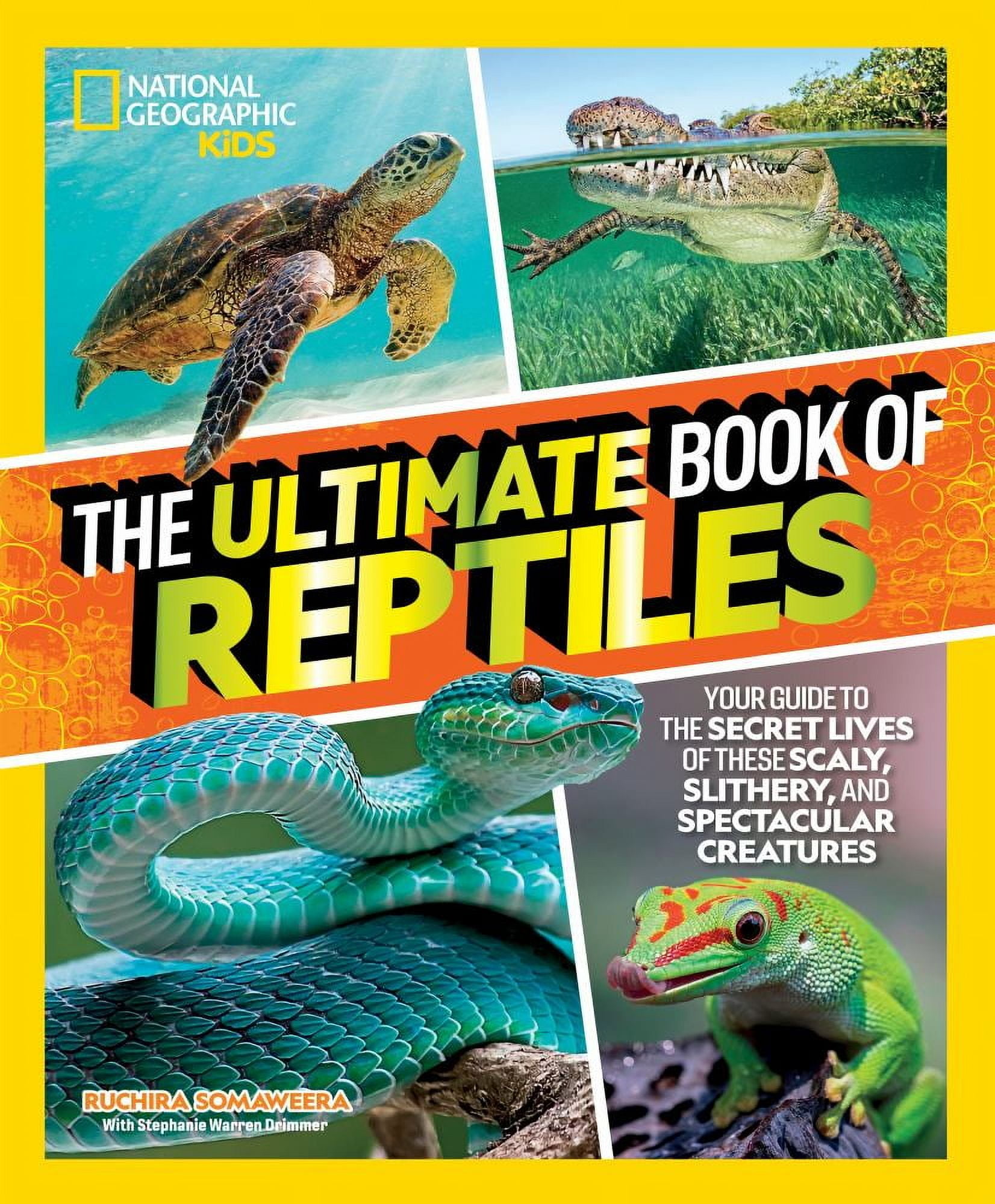
A 15-foot crocodile is a mature, apex predator that has reached a size threshold where it dominates its ecosystem. This length, roughly 4.5 meters, is typically achieved by species such as the Saltwater crocodile and the Nile crocodile, representing an individual that has survived several decades and often weighs over 1,000 pounds.
The Significance of the 15-Foot Milestone
In the world of herpetology, length is more than just a measurement; it is an indicator of age, health, and social dominance. While many crocodile species never reach 10 feet, those that surpass the 15-foot mark enter a tier of "giant" reptiles. At this size, the animal’s physiology changes significantly. The lean, agile frame of a juvenile gives way to a massive, girthy trunk designed for overpowering large terrestrial prey.
As of 2026, tracking data from wildlife corridors in Northern Australia and Sub-Saharan Africa indicates that while 15-foot specimens are not the absolute maximum—with some "Salties" reaching 20 feet—they are the most formidable common giants encountered by researchers. Reaching this size requires a combination of genetic potential, a consistent high-protein diet, and a stable environment free from the pressures of poaching or extreme habitat loss.
Species Capable of Reaching 15 Feet
Not all crocodilians are created equal. Out of the 20+ species of crocodilians, only a handful possess the biological blueprint to reach or exceed 15 feet.
The Saltwater Crocodile (Crocodylus porosus)
Often referred to as the "Saltie," this is the largest living reptile on Earth. Found throughout the Indo-Pacific region, from eastern India to northern Australia, the Saltwater crocodile is the most likely candidate to reach 15 feet. Males are significantly larger than females; while females rarely exceed 10 feet, males commonly reach 14 to 17 feet. A 15-foot Saltie is a massive creature, often weighing between 900 and 1,200 pounds, depending on its girth and recent feeding history.
The Nile Crocodile (Crocodylus niloticus)
Native to freshwater habitats in Africa, the Nile crocodile is the second-largest extant reptile. It is famous for its role in the Great Migration, where it preys on wildebeest and zebra. Large males frequently reach the 15-foot mark. These individuals are the primary gatekeepers of river crossings. Their sheer mass allows them to anchor themselves against the weight of a struggling 500-pound mammal, using the water's buoyancy and their own muscular tail to maintain control.
The American Crocodile (Crocodylus acutus)
While generally more timid than their Old World cousins, American crocodiles in regions like the Everglades or the coasts of Central America can occasionally reach 15 feet. However, these giants are becoming increasingly rare due to habitat fragmentation. They are leaner than Saltwater crocodiles, meaning a 15-foot American crocodile may weigh less than a Saltwater crocodile of the same length.
The Orinoco Crocodile (Crocodylus intermedius)
Confined to the Orinoco River basin in Colombia and Venezuela, this species is critically endangered. Historically, specimens were reported to reach nearly 20 feet, but today, a 15-foot individual is considered a rare and vital part of the breeding population. Conservation efforts in 2026 continue to focus on protecting these large males to ensure the genetic viability of the species.
Biological and Physiological Power of Giant Crocodiles
A crocodile does not simply grow longer; it grows more powerful in a non-linear fashion. This is known as the square-cube law: as an animal doubles in length, its weight and volume increase by a factor of eight.
Bite Force and Jaw Mechanics
The bite force of a 15-foot crocodile is one of the most powerful measured in the animal kingdom. Estimates for a specimen of this size exceed 3,700 pounds per square inch (psi). For comparison, a Great White Shark exerts about 4,000 psi, but the crocodile’s jaw is designed for a sustained, crushing grip rather than a quick shearing bite. This pressure is generated by massive pterygoid muscles located at the back of the skull, which are visible as large "bulges" on the sides of the head.
Thermoregulation and Metabolism
As ectotherms, 15-foot crocodiles rely on the environment to regulate their body temperature. However, their massive size provides a degree of "thermal inertia." Large crocodiles take longer to heat up in the sun but also retain that heat much longer through the night. This allows them to remain active in cooler water for extended periods. Their metabolism is incredibly efficient; a 15-foot crocodile can survive for months without a substantial meal by slowing its heart rate and minimizing movement, though it remains capable of explosive bursts of energy when an opportunity arises.
Hunting Tactics of 15-Foot Giants
At 15 feet, a crocodile's hunting strategy shifts. They are no longer interested in small fish or frogs, as the energy required to catch them exceeds the caloric reward.
- The Ambush: The crocodile submerges almost completely, with only its eyes and nostrils above the waterline. The "palatal valve" at the back of the throat allows it to open its mouth underwater without drowning.
- Sensory Integration: Crocodiles have integumentary sensory organs (ISOs)—tiny black pits on their scales—that detect minute pressure changes and vibrations in the water. This allows a 15-foot giant to track a drinking animal in pitch-black water or through thick mud.
- The Strike: Using its powerful muscular tail, the crocodile launches itself forward. Despite their bulk, they can lunge at speeds of 30 feet per second over short distances.
- The Death Roll: Once a firm grip is established, the crocodile spins its entire body. For a 15-foot animal, this generates thousands of foot-pounds of torque, designed to dismember prey or pull it into deep water to drown.
Habitat and Environmental Requirements
To sustain a 15-foot reptile, an ecosystem must be incredibly productive. These animals are often found in:
- Estuaries and Mangroves: Providing a mix of salt and fresh water, these areas are rich in large prey like bull sharks, sea turtles, and livestock.
- Deep River Channels: Giant Nile crocodiles prefer deep pools near sandbanks where they can bask during the day and retreat to safety at night.
- Inland Swamps: In 2026, the protection of vast wetlands remains the single most important factor for the survival of 15-foot specimens. Without deep water to support their weight, these giants become susceptible to overheating and skin infections.
Comparison of Large Crocodilian Species
The following table compares the characteristics of the world's largest crocodilians when they reach the 15-foot threshold.
| Feature | Saltwater Crocodile | Nile Crocodile | American Crocodile | Orinoco Crocodile |
|---|---|---|---|---|
| Typical Weight at 15ft | 1,000 - 1,200 lbs | 900 - 1,100 lbs | 700 - 900 lbs | 800 - 1,000 lbs |
| Primary Diet | Buffalo, Pigs, Sharks | Wildebeest, Zebra, Fish | Fish, Turtles, Deer | Fish, Caimans, Birds |
| Temperament | Highly Aggressive | Highly Aggressive | Shy / Cautious | Moderate |
| IUCN Status (2026) | Least Concern | Least Concern | Vulnerable | Critically Endangered |
| Max Recorded Length | 20+ feet | 18+ feet | 16 - 17 feet | 17+ feet |
Human-Wildlife Conflict and Safety
A 15-foot crocodile views humans as potential prey. At this size, the crocodile has no natural predators other than humans, and its fear response is minimal.
Safety Protocols in Crocodile Habitats:
- Distance: Maintain at least 15 to 20 feet from the water's edge in known crocodile territories. Giant crocodiles can strike from the shallows with zero warning.
- Avoid Patterns: Do not visit the same spot at the water's edge at the same time every day. Crocodiles are known to observe and "pattern" the behavior of their prey over several days.
- Camping Safety: In 2026, safety guidelines recommend camping at least 50 meters away from water in the Australian Outback or African river basins to avoid nocturnal encounters.
Conservation and the Future of the Giants
In 2026, the presence of 15-foot crocodiles is considered a sign of a healthy ecosystem. Because they are at the top of the food chain, their health reflects the health of the entire biological pyramid. However, they face significant threats:
- Habitat Fragmentation: Dams and urban sprawl prevent large males from traveling between breeding grounds, leading to genetic bottlenecks.
- Climate Change: The sex of crocodile hatchlings is determined by the temperature of the nest. Rising global temperatures in 2026 are resulting in skewed sex ratios, which may reduce the number of large males in future generations.
- Illegal Trade: While regulated, the demand for high-quality crocodile leather continues to put pressure on wild populations, particularly for the larger specimens whose hides are most valuable.
FAQ
How old is a 15-foot crocodile?
A 15-foot crocodile is typically between 30 and 50 years old. Growth rates vary based on food availability and water temperature, but it generally takes decades of consistent growth to reach this size. In the wild, many crocodiles die from territorial fights or infections before reaching this age.
Can a 15-foot crocodile live in a zoo?
Yes, but they require massive enclosures with specialized heating and filtration systems. Managing a 15-foot reptile is a significant logistical challenge, requiring "protected contact" protocols where keepers never enter the space with the animal. In 2026, many accredited zoos focus on "ambassador" animals to educate the public about conservation.
How fast can a crocodile of this size run on land?
While giant crocodiles are often depicted as fast land runners, a 15-foot specimen is quite heavy and relies on short, explosive lunges. They can "high walk" at speeds of about 10–12 mph, but they cannot sustain this for long. Their true speed is found in the water, where they can swim at 15–18 mph using their tail.
What is the biggest crocodile ever recorded?
The most famous giant was "Lolong," a Saltwater crocodile captured in the Philippines that measured 20 feet 3 inches (6.17 meters). While there are historical reports of larger crocodiles, Lolong remains the most accurately measured specimen to significantly exceed the 15-foot mark.
Are 15-foot crocodiles more dangerous than smaller ones?
Absolutely. A 10-foot crocodile is dangerous, but a human has a non-zero chance of escaping a struggle. A 15-foot crocodile is large enough that a single bite to the torso or limbs is almost always fatal due to the sheer mechanical force and the subsequent drowning sequence.
Responsible Observation and Next Actions
If you are traveling to regions inhabited by giant crocodiles, the best way to see a 15-foot specimen is through a licensed wildlife tour operator. These professionals use reinforced boats and maintain safe distances, ensuring both human safety and the well-being of the animal.
To support the preservation of these giant reptiles, consider donating to organizations like the IUCN Crocodile Specialist Group or local conservancy programs in Australia and Africa. Supporting sustainable habitat management ensures that the 15-foot giants of 2026 will continue to patrol the world's waterways for generations to come.