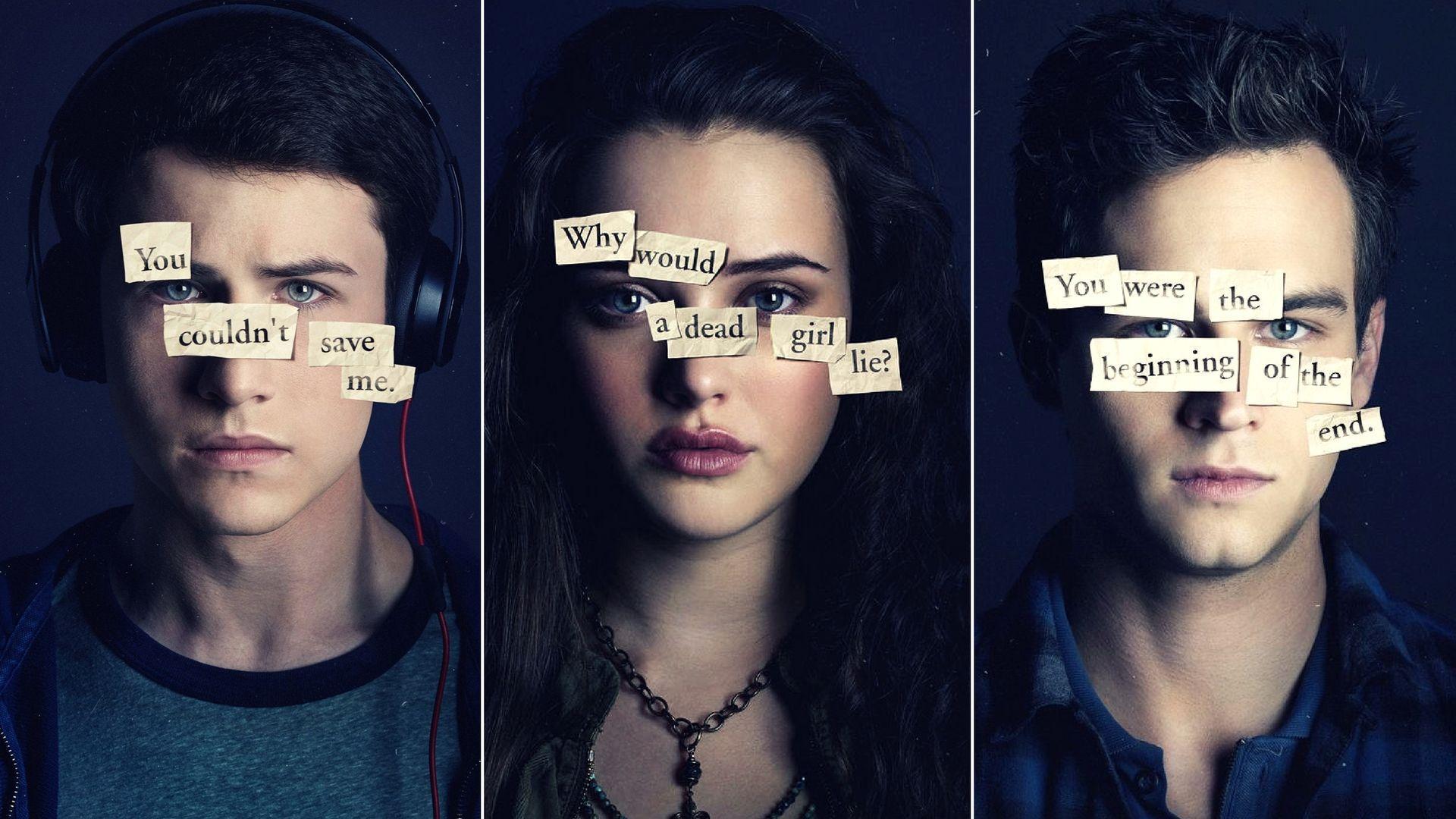
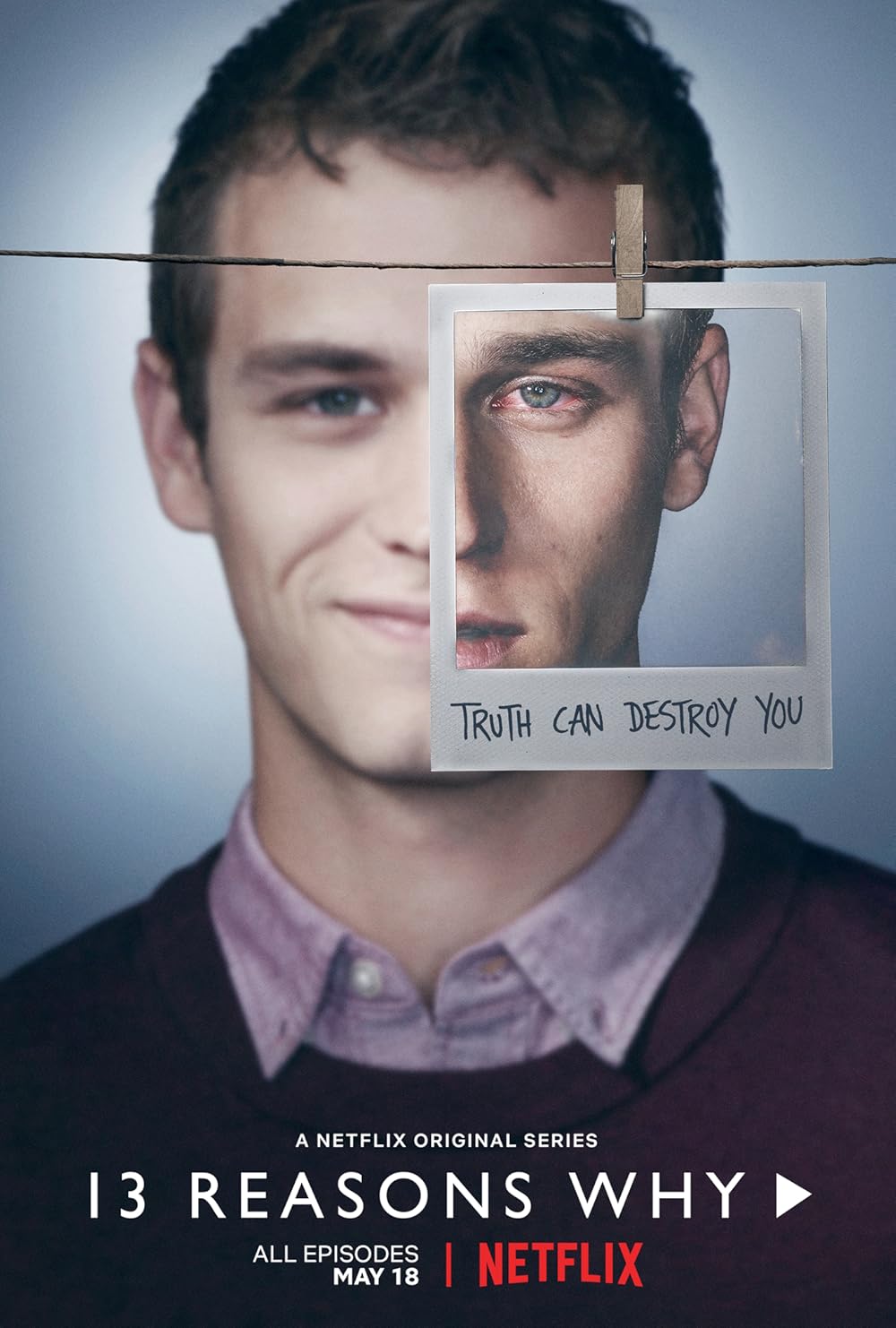
13 Reasons Why is a prominent Netflix original drama series based on Jay Asher’s 2007 young adult novel. It centers on the events leading up to the suicide of a high school student, Hannah Baker, and the subsequent discovery of a series of cassette tapes she left behind, detailing the individuals she holds responsible for her decision.
Origins and Literary Foundation
The television series 13 Reasons Why serves as an adaptation of the novel of the same name by Jay Asher. Published in 2007, the book gained significant cultural traction for its raw, unfiltered approach to the challenges faced by contemporary adolescents. While the television adaptation, developed by Brian Yorkey for Netflix and released in 2017, expanded upon the source material to span four seasons, the core narrative arc remains anchored in the premise established by Asher: a protagonist who feels alienated by her environment and uses a series of audio recordings to communicate her grievances to those who crossed her path.
The transition from page to screen necessitated significant structural changes. Whereas the book focuses primarily on the perspective of Clay Jensen as he listens to the tapes, the series ensemble cast allows for a broader exploration of the high school ecosystem, the fallibility of memory, and the social dynamics of Liberty High School. This shift in narrative scope is crucial for understanding why the show diverged from the book in later seasons, moving from a self-contained mystery toward a larger, character-driven procedural.
The Premise: Unpacking the Cassette Tapes
At the heart of the series is the concept of the tapes. Hannah Baker records her account of 13 specific interactions that influenced her state of mind. For the audience, these tapes serve as an unreliable narrator's roadmap. Each episode traditionally focuses on one tape, which corresponds to one person, exploring how their actions—ranging from minor social slights to traumatic events—contributed to the protagonist’s growing isolation.
The technical brilliance of the show's structure lies in its dual-timeline narrative. By intercutting between the "present" (as Clay processes the tapes) and the "past" (as the events are depicted), the audience is forced to reconcile the conflicting perspectives of the characters. This highlights a central theme: the disconnect between how our actions affect others and how we perceive those same actions. The series does not suggest that the individuals on the tapes are solely responsible for the outcome, but rather that their collective apathy creates an environment where a vulnerable person can feel trapped.
Narrative Evolution Across Four Seasons
While the first season meticulously adapted the scope of the novel, the subsequent three seasons transitioned the show into a multifaceted teen thriller. Following the resolution of the initial tapes in the first season, the creators faced the challenge of continuing a story whose premise was seemingly fulfilled.
- Season 1: Focuses on the immediate aftermath of Hannah's death and the discovery of the tapes.
- Season 2: Explores the legal proceedings and the perspectives of other students who were not featured on the tapes, challenging the initial narrative's completeness.
- Season 3: Introduces a new mystery regarding the death of Bryce Walker, shifting the genre toward a crime-procedural model.
- Season 4: Concludes the series by focusing on the characters' high school graduation and the psychological toll of their collective secrets.
Comparative Analysis of Media Representations
The series was categorized by critics and mental health professionals as a bold, if controversial, piece of media. Below is a comparison of how the series approaches its subject matter compared to traditional teen dramas.
| Feature | 13 Reasons Why | Traditional Teen Drama |
|---|---|---|
| Tone | Dark, somber, and uncompromising | Generally optimistic or soap-operatic |
| Pacing | Slow-burn, character-heavy | Fast-paced, plot-driven |
| Resolution | Open-ended and often tragic | Tidy, moralistic conclusions |
| Thematic Focus | Systemic social failure | Individual social hurdles |
Addressing Public and Professional Controversy
13 Reasons Why is perhaps best remembered for the significant discourse it generated regarding its depiction of sensitive topics. In 2019, following guidance from health professionals, Netflix edited the visual depiction of the suicide scene in the first season finale, replacing the graphic sequence with a more restrained version. This decision was indicative of the broader debate surrounding the "Werther effect," or copycat behavior, and the responsibility of media creators when depicting self-harm.
The series is not a manual or an educational program; it is a fictional narrative. Viewers are advised to approach the content with an awareness that it is designed to elicit strong emotional responses. Because the series addresses themes of bullying, sexual assault, and mental health crises, it is intended for a mature audience. If you or someone you know is struggling with similar issues, it is essential to seek assistance from qualified professionals or established crisis hotlines, as the show provides a dramatic representation rather than a clinical resolution.
Key Considerations for Viewers
When engaging with the series, it is helpful to note that the characters are consistently flawed. The show avoids the "hero/villain" dichotomy. Instead, it presents a spectrum of humanity where characters make poor decisions driven by fear, status, and insecurity. Understanding this ambiguity is key to enjoying the series as a narrative project rather than a moral lecture.
Furthermore, the cinematography and soundtrack play an integral role in establishing the mood. The "present-day" scenes are often color-graded with cooler, desaturated tones, while "flashback" scenes possess a warmer, more vibrant aesthetic. This visual language serves as a constant reminder of the protagonist's lost vitality, and it is a recurring stylistic choice that defines the show's identity.
Common Questions Regarding the Series
Is 13 Reasons Why based on a true story?
No, the series is entirely fictional. It is adapted from the novel by Jay Asher, who drew inspiration from his own observations of the pressures faced by teenagers but did not base the characters or the events on any specific real-life person or incident.
Why is there so much controversy surrounding the show?
The controversy primarily stems from the graphic nature of the show’s portrayal of sensitive topics, including sexual assault and suicide. Critics argued that the show’s intense focus on these themes, combined with a perceived lack of professional context, could be potentially triggering for vulnerable viewers.
Does the series provide resources for those struggling?
Yes, throughout its run, Netflix has maintained a dedicated website, 13ReasonsWhy.info, which provides global resources, including contact information for crisis hotlines and mental health organizations for those who may need support after viewing the series.
Can the series be considered a mystery?
The first season functions as a mystery, with the tapes acting as clues that the audience and Clay uncover piece by piece. Subsequent seasons lean more heavily into crime-thriller and teen-drama tropes, moving away from the mystery of "why" and into the consequences of "what happened."
How should I approach watching this series today?
In 2026, the series is viewed as a significant cultural artifact of the late 2010s. It is best approached by setting aside time to process the heavy thematic elements. If you are sensitive to depictions of trauma, it is advisable to utilize the provided content warnings and access external support resources if necessary.
Recommended Next Actions
If you are interested in exploring 13 Reasons Why, start by identifying your purpose. If you are interested in the literary origin, read the original novel by Jay Asher to compare the source text with the expanded screen adaptation. If you are viewing the series for the first time, watch the first three episodes to determine if the pacing and tone align with your preferences. Ensure you have access to the support resources available via the official 13ReasonsWhy.info portal should you find the content distressing. The series remains a compelling study in narrative structure and the consequences of social interaction, provided it is viewed with the necessary context and emotional distance.