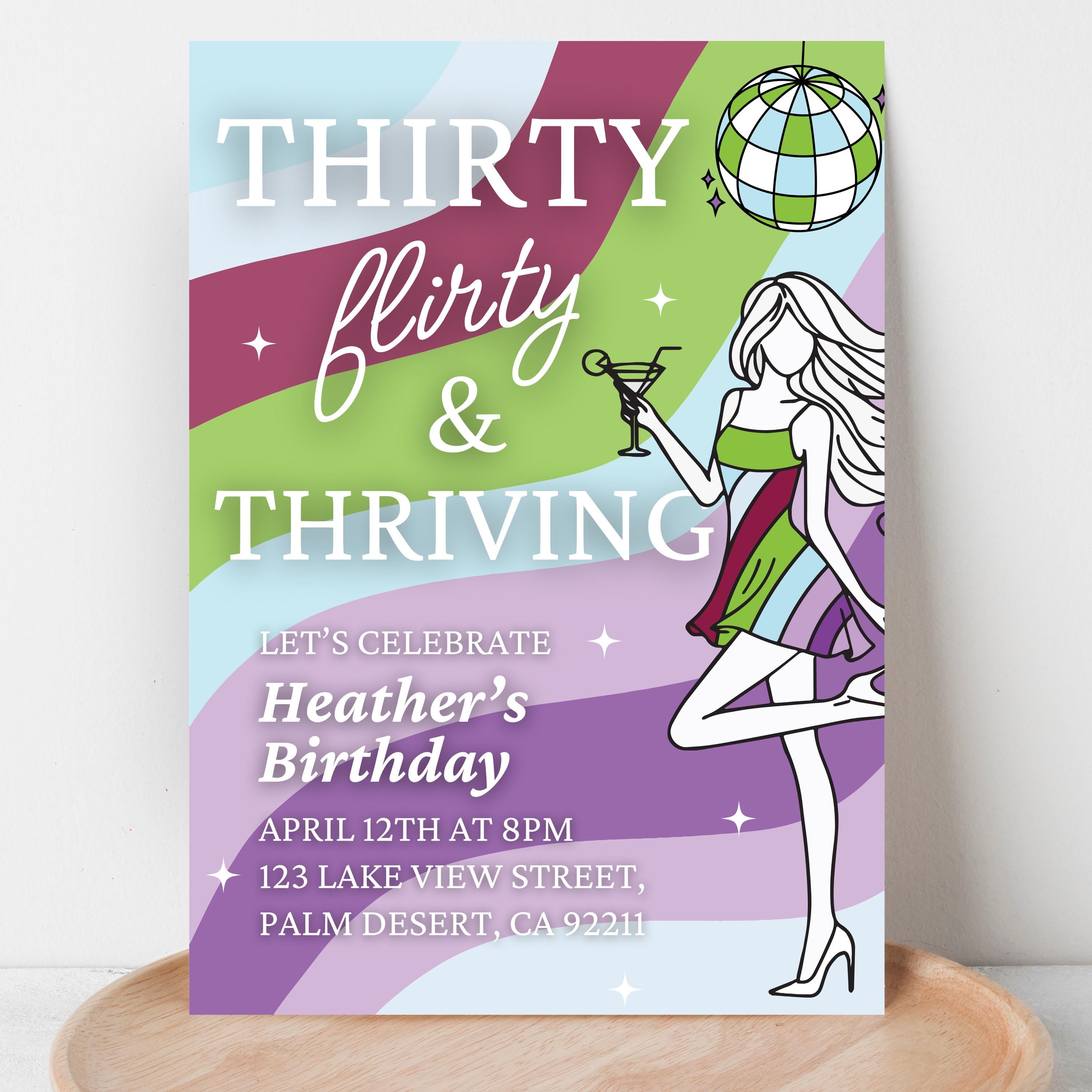
Reaching the age of 30 often serves as a significant psychological milestone that bridges the transition from young adulthood to established maturity. Maintaining a youthful spirit while navigating the responsibilities of this decade requires a holistic approach that balances physical vitality, mental agility, and the intentional cultivation of joy. By focusing on sustainable wellness habits and a proactive mindset, you can effectively channel the "flirty and thriving" energy popularized in cultural narratives while grounding yourself in the reality of your thirties.
Understanding the Psychology of the Thirties
The transition into your thirties is frequently characterized by a shift in perspective. Research in developmental psychology suggests that the "quarter-life" ambiguity often fades, replaced by a greater sense of agency and self-definition. Feeling "youthful" at 30 is less about biological age and more about the preservation of curiosity and physical vigor.
At this stage, you are likely managing increased career expectations and more complex social dynamics. The key to maintaining a youthful outlook is intentionality. Instead of mourning the loss of your twenties, treat this era as a "second adolescence" where you possess the resources and life experience to actually act on your desires. This phase is defined by the ability to curate your environment, prioritize high-quality relationships, and invest in health protocols that prevent burnout before it starts.
Physical Vitality and Metabolic Maintenance
Physiological changes around 30 often include a gradual slowing of metabolic rate and a decrease in muscle mass if not actively countered. Establishing a sustainable fitness foundation is not just about aesthetics; it is about ensuring long-term mobility and energy.
- Resistance Training: Integrating strength training at least three times a week is critical. Muscle mass is the primary driver of metabolic health. By building and maintaining muscle, you support hormonal balance and bone density.
- Cardiovascular Health: Focus on Zone 2 training—steady-state cardio where you can hold a conversation—to build aerobic capacity. This enhances mitochondrial function, which is directly linked to cellular aging processes.
- Nutritional Density: Shift your focus from calorie restriction to nutrient density. Prioritizing protein intake is essential for muscle repair, while antioxidants from whole foods help combat oxidative stress.
Cognitive Agility and Continuous Learning
Youthfulness is inextricably linked to neuroplasticity—the brain’s ability to form new connections. As you settle into professional routines, it is easy for your cognitive life to become repetitive. To feel truly thriving at 30, you must intentionally expose yourself to "beginner status" in new domains.
Whether it is learning a language, mastering a technical skill outside your industry, or engaging in creative hobbies, the act of learning keeps the brain engaged. This is not merely an intellectual pursuit; it is a vital strategy for preventing the rigidity that often accompanies aging. When you put yourself in a position where you are not the expert, you activate the same inquisitive mechanisms that characterize a younger, more exploratory mindset.
Cultivating a Thriving Social Ecosystem
The quality of your social interactions directly impacts your perceived age and stress levels. By 30, the "quantity over quality" approach to friendships often becomes unsustainable. Thriving in this decade requires the curation of a social circle that encourages growth rather than competition or superficiality.
Flirting with life—in the sense of being open to new people and experiences—requires a degree of social confidence that usually peaks in the early thirties. Use this period to shed relationships that feel draining and invest energy into those that offer intellectual stimulation, emotional support, and genuine laughter. A youthful spirit is often a mirror of the people we choose to keep in our immediate sphere.
Comparison of Wellness Pillars for Age 30
The following table outlines the essential pillars to balance for a thriving thirties experience.
| Pillar | Focus Area | Why it Matters | Actionable Step |
|---|---|---|---|
| Physical | Strength & Recovery | Prevents injury and metabolic decay. | 3x weekly strength training sessions. |
| Cognitive | Neuroplasticity | Maintains mental sharpness and adaptability. | Learn a new, difficult skill annually. |
| Emotional | Boundary Setting | Reduces cortisol; preserves mental energy. | Audit your calendar for draining tasks. |
| Financial | Long-term Stability | Removes existential anxiety about the future. | Automate savings and emergency fund. |
Financial Autonomy as a Youthful Catalyst
Financial stress is one of the primary "aging" factors for people in their thirties. The anxiety associated with debt, under-saving, or career instability can make you feel older than your years. Achieving a state of "thriving" requires establishing a clear financial roadmap.
By 2026, the cost of living and the volatility of various markets necessitate a disciplined approach to asset management. Establishing an emergency fund covering three to six months of expenses is the most effective way to lower daily stress. When your financial foundation is secure, you regain the psychological bandwidth to focus on personal development, hobbies, and social experiences—the very things that keep you feeling vibrant and "flirty" in your outlook on life.
Troubleshooting Common Mid-30s Slumps
If you find yourself feeling stagnant, it is often due to the "autopilot trap." This happens when your work, commute, and social schedule become a rigid, unvaried loop. To break this cycle:
- The Environment Change: If your daily routine has become stale, change one variable. This could be a new gym location, a different workspace, or even a restructured morning routine.
- The Novelty Injection: Plan one significant, out-of-character experience every quarter. This could involve travel to an unfamiliar location or a short-term intensive workshop.
- The Silence Audit: Excessive digital input mimics mental exhaustion. Dedicate time each week to low-stimulation environments, such as nature walks, to reset your nervous system.
Frequently Asked Questions
How do I maintain a youthful appearance without invasive procedures?
Prioritize high-quality sun protection and consistent skincare habits that focus on skin barrier integrity rather than temporary fixes. Retinoids and consistent hydration are statistically more effective for long-term skin health than chasing trends. Focus on internal health, as systemic inflammation is the primary cause of accelerated skin aging.
Is it normal to feel less adventurous at 30 than at 20?
It is common to feel more cautious, but it is not necessary. The difference is that your "adventures" in your thirties can be more focused and intentional. You have the resources to pursue interests at a higher level than you did a decade ago. Use your experience to refine your adventurous spirit rather than letting it fade.
How can I balance a career-focused life with personal fulfillment?
The secret lies in "time blocking" for personal development with the same rigor you apply to professional meetings. If your personal time is treated as a secondary priority, it will always be the first thing sacrificed. Protect your downtime as if it were a high-stakes business engagement.
What is the most important habit for "thriving" in my thirties?
Consistency in sleep hygiene and physical movement. These two factors regulate your hormones, mood, and cognitive performance. If you master your sleep schedule and maintain a regular exercise routine, you will have the baseline energy to handle the professional and social demands of your thirties with ease.
Next Actions for a Thriving Decade
To immediately implement these tips, start by performing a "life audit." Identify the one area—physical, social, or professional—that is currently sapping your energy. Allocate 30 minutes this weekend to research one actionable change you can make in that area, whether it is signing up for a specialized fitness class or setting a hard limit on your daily work hours. Your thirties are not the end of youth, but rather the beginning of a more empowered, deliberate version of yourself.