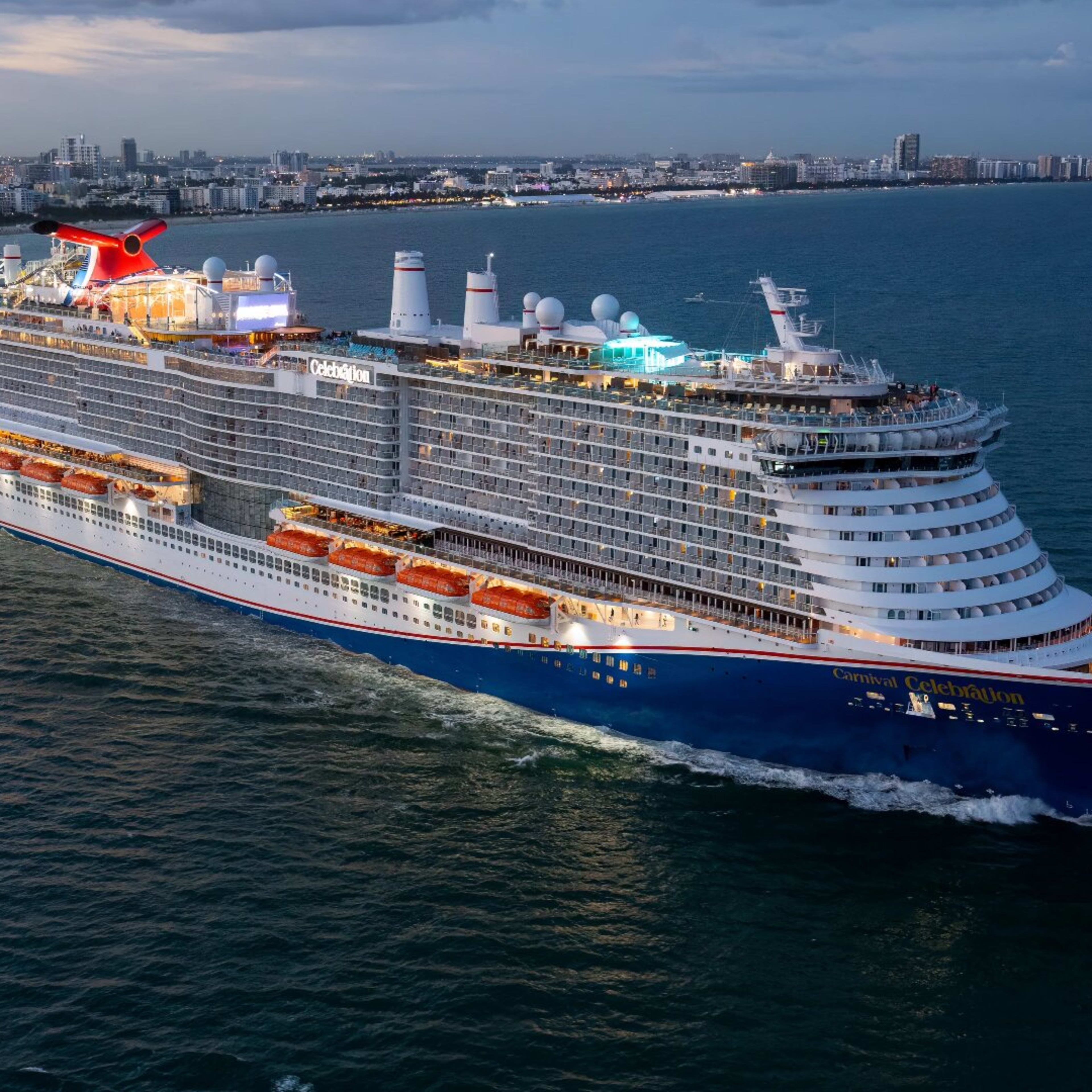
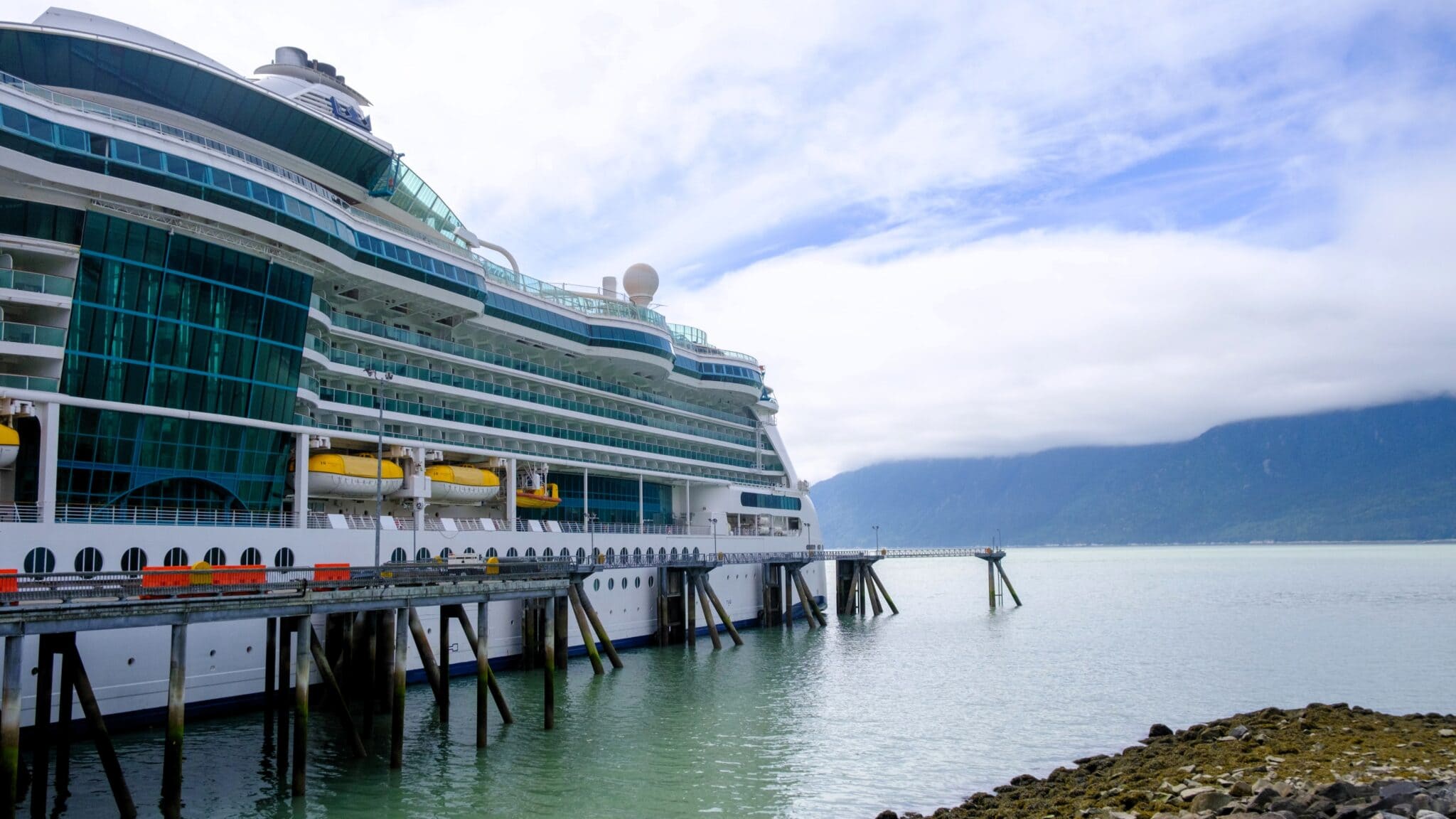
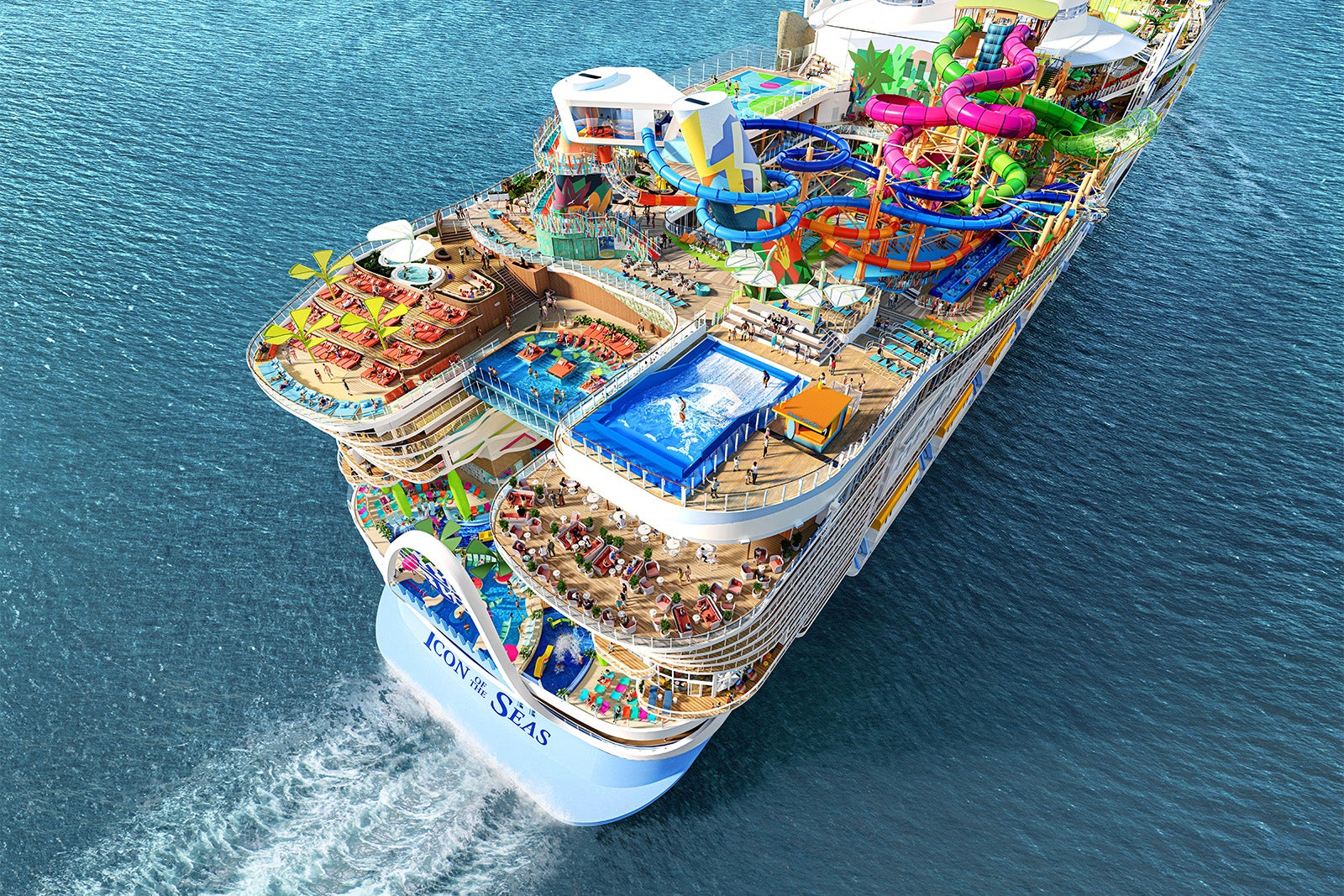
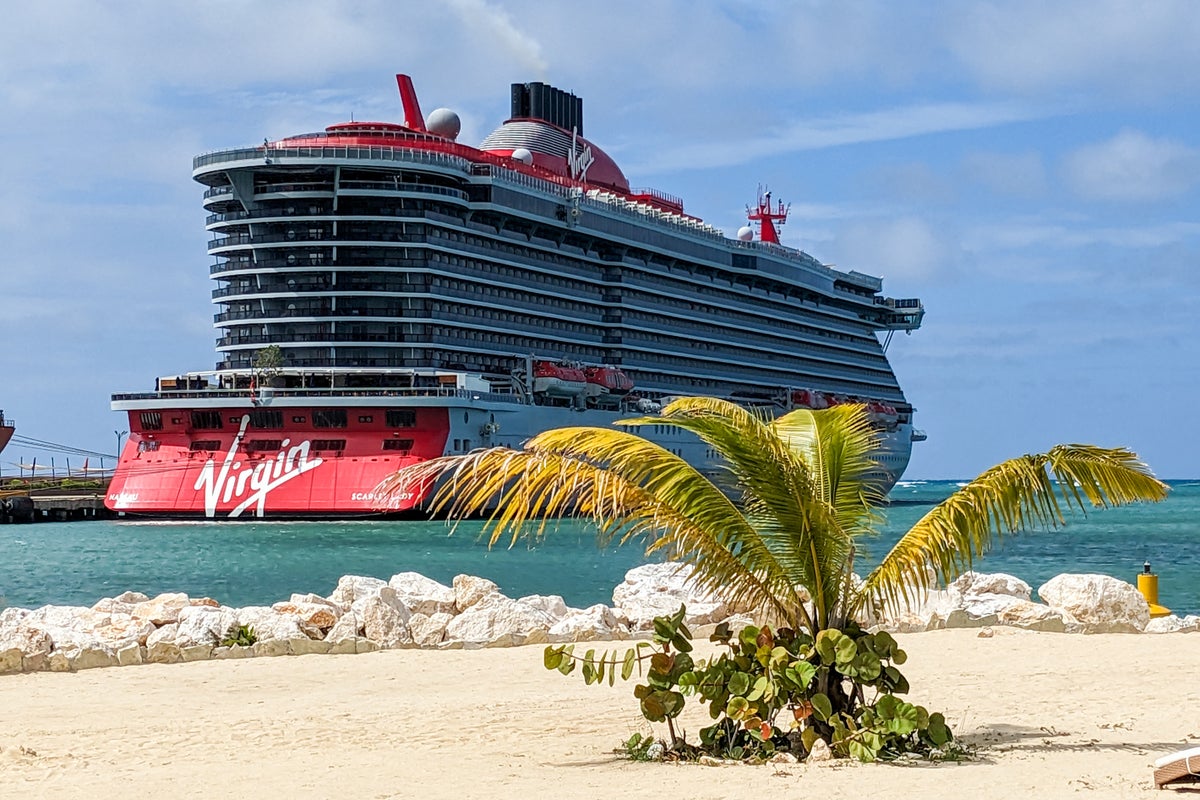
A 12 month cruise is an extended, year-long voyage—often referred to as an "around-the-world" or "world cruise"—that circumnavigates the globe on a single vessel. It functions as a floating residential lifestyle, offering continuous travel through dozens of international ports, comprehensive onboard amenities, and a rotating itinerary that transitions across multiple climates and hemispheres throughout the year.
The Concept of a Year-Long Voyage
A 12 month cruise is not a standard vacation; it is a long-term commitment to a maritime lifestyle. Unlike a typical seven-day voyage, these journeys are designed to provide a deep-dive immersion into global cultures. These cruises are generally operated by premium or luxury cruise lines that utilize specialized ships capable of traversing vast distances, often visiting over 50 to 100 ports of call.
For the passenger, this means the cruise ship becomes a primary residence. Residents have access to high-end dining, medical facilities, laundry services, entertainment, and social communities. The logistical infrastructure of these vessels is optimized for long-term stays, including enhanced storage for food and fuel, as well as satellite connectivity to ensure travelers can remain connected to personal affairs on land.
How the Logistics Work
Operational management of a year-long cruise requires complex coordination. Because the ship is away from its home port for an extended period, the cruise operator must manage refueling, provisioning, and crew rotation schedules meticulously.
Provisions—including thousands of pounds of fresh produce, dry goods, and fuel—are sourced at designated major ports throughout the route. The vessel often follows a seasonal trajectory, such as moving from the Caribbean to South America, crossing the Pacific toward Oceania, navigating through Asia, and moving across the Indian Ocean to Europe or the Mediterranean, ensuring that the ship is in favorable weather conditions throughout the cycle.
Passengers pay for these voyages either as a total lump sum or through installment plans. The fare typically covers the cabin, meals, port charges, gratuities, and basic entertainment. However, additional costs—such as specialized shore excursions, premium alcoholic beverages, high-speed Wi-Fi, and private medical consultations—are often billed separately, requiring travelers to manage a significant ongoing budget.
Comparing Standard Cruises and World Voyages
| Feature | Standard Cruise | 12 Month World Cruise |
|---|---|---|
| Duration | 3–14 days | 365 days (approx.) |
| Passenger Profile | Vacationers/Families | Retirees/Digital Nomads |
| Port Frequency | High, often daily | Periodic, with longer stays |
| Inclusions | Basic food/lodging | Extensive concierge/medical |
| Logistics | Standard supply chain | Global procurement planning |
Preparing for a Year at Sea
Transitioning to life on a ship for a year requires significant preparation. Beyond financial solvency, you must address legal, medical, and personal matters before departure.
Medical Readiness Most cruise lines require a comprehensive medical clearance form before boarding for long-term voyages. Given the duration, passengers must have a sufficient supply of prescription medications, as pharmacies on board are stocked for emergency or common needs, not long-term chronic prescriptions. Ensure your health insurance covers international maritime transit, or supplement your coverage with a dedicated global travel medical insurance policy that includes medical evacuation coverage.
Legal and Administrative Tasks You will need to maintain your residency and financial affairs while away. It is advisable to set up automated bill payments for your home, utilities, and taxes. Furthermore, international travel of this length requires careful monitoring of visa requirements. While cruise lines often assist with bulk visa processing for their passengers, specific countries may still require individual visa applications or biometric data submissions.
What to Expect: Life on Board
The rhythm of a year-long cruise is vastly different from a short trip. While the first few weeks feel like a vacation, the remainder of the year settles into a routine of "port days" and "sea days."
Social Dynamics You will be living with the same group of people for an extended period. This creates a small, floating community. Expect formal dinners, enrichment lectures (often featuring historians or destination experts), and organized interest groups. Social engagement is high, and the quality of your experience will be significantly influenced by how you integrate into this transient society.
Cabin Life Your stateroom is your personal space for the year. Experienced travelers often recommend selecting a suite or a room with a balcony to ensure you have sufficient access to sunlight and fresh air. Clutter management becomes critical; you will need to pack strategically for multiple seasons, utilizing internal storage solutions while keeping items organized. Laundry is typically provided by the ship, but you will need to plan your wardrobe around rotation cycles.
Environmental Changes You will traverse various climate zones. You might be in Antarctica in one month and the tropics the next. Your packing list must accommodate extreme temperature fluctuations, ranging from formal evening wear for gala nights to heavy winter gear for high-latitude sailings.
Common Challenges and Troubleshooting
Even with meticulous planning, long-term cruising presents unique challenges.
- Connectivity Limitations: While satellite internet (such as Starlink or traditional maritime VSAT) has improved significantly by 2026, you may still experience intermittent signal loss in remote parts of the ocean. Do not rely solely on the internet for critical, time-sensitive financial transactions.
- The "Cabin Fever" Effect: Being on a ship for 365 days can lead to a sense of confinement. Take advantage of extended port stays to get off the ship, explore inland, and spend time on solid ground whenever possible.
- Medical Emergencies: While ships have doctors and infirmaries, they are not hospitals. If you experience a major health event, the protocol involves stabilization followed by evacuation to the nearest land-based medical facility at the next port.
Frequently Asked Questions
Do I need a special visa for a 12 month cruise?
Yes. Although the cruise line coordinates many group visas, your individual nationality determines which countries require independent entry permits. You must research the entry requirements for every port of call in your itinerary and ensure your passport has at least six months of validity beyond your return date.
How does mail and package delivery work while on board?
Most cruise lines provide a mailing address for the vessel. Packages can be sent to the ship at major ports, but this requires coordination with the ship’s manifest and local shipping agents. It is unreliable for urgent items, so avoid sending time-critical documents to the ship.
Is the entire year paid for upfront?
Policies vary, but most luxury lines require a substantial deposit upon booking, with the final balance due 90 to 120 days before departure. Some companies offer monthly payment plans, but these are often structured to be fully paid by the start date of the cruise.
Can I work remotely during a 12 month cruise?
While possible, it is challenging. You must verify the ship's specific Wi-Fi capabilities. Even with high-speed satellite options, time zone differences can make synchronous meetings difficult. You should communicate clearly with your employer about your capacity and the potential for latency issues.
Next Actions for Prospective Passengers
If you are considering a 12 month cruise, your first step is to consult the official itineraries of global cruise lines that specialize in long-term voyages, such as Viking, Regent Seven Seas, or Silversea. Obtain a copy of the specific cruise contract for 2026, which outlines the cancellation policies and medical requirements.
Schedule a consultation with a travel advisor specializing in "world cruises." They can help you compare cabin locations, onboard credit packages, and the specific composition of the passenger demographic. Once you have a shortlist of vessels, request a detailed "shore excursion" prospectus to ensure the itinerary aligns with your personal travel goals.