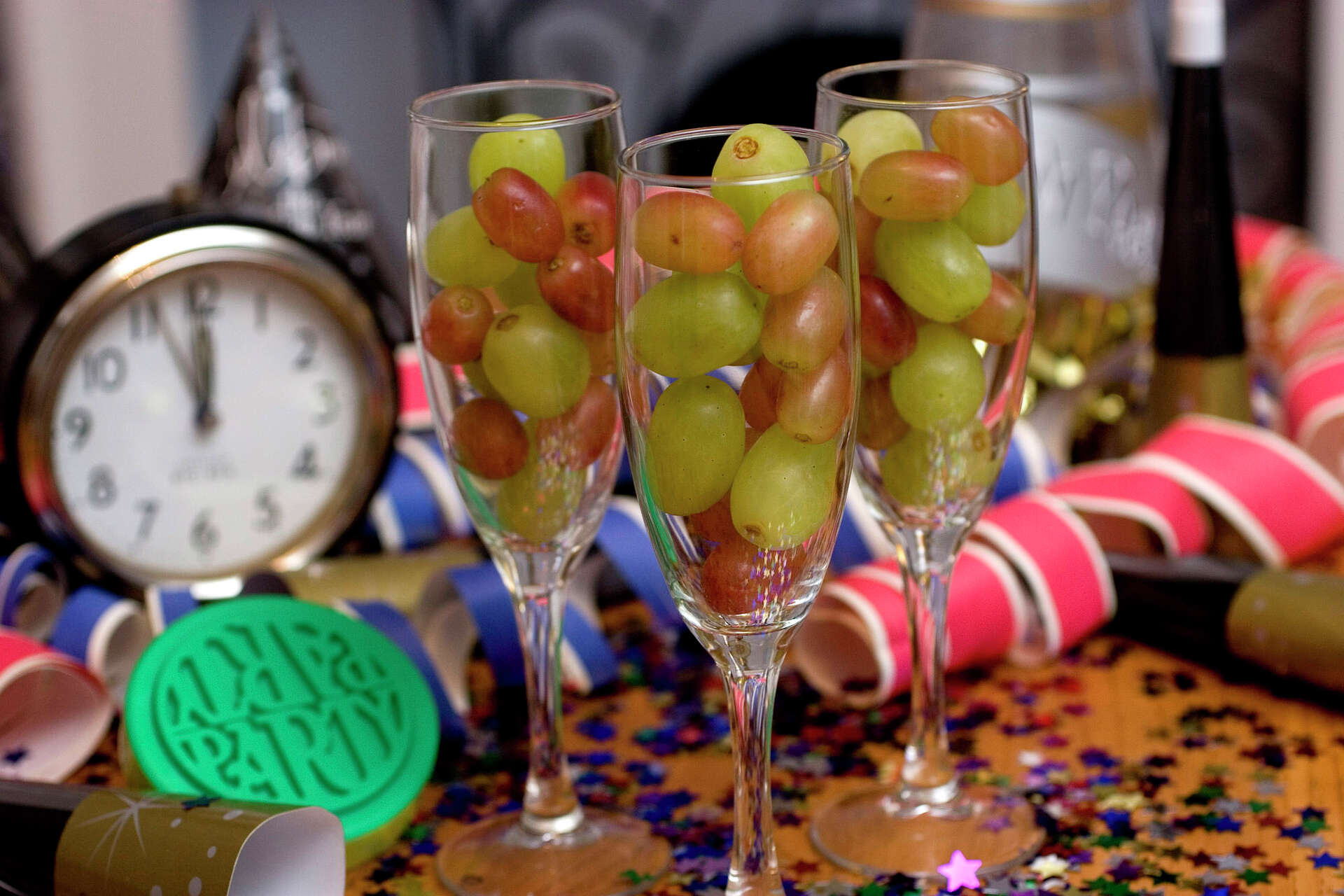
The tradition of eating 12 grapes at the stroke of midnight on New Year’s Eve is a cultural practice deeply rooted in Spanish heritage, known as las doce uvas de la suerte. By consuming one grape for each chime of the clock, participants aim to secure good fortune and prosperity for each of the twelve months of the coming year.
The Origins and Evolution of the Tradition
While the precise origins of the 12 uvas custom are often debated, historical consensus points to the late 19th or early 20th century in Spain. A popular theory suggests that in 1909, grape growers in the Alicante region faced a surplus of grapes and promoted the consumption of the fruit on New Year’s Eve as a way to boost sales. This marketing effort quickly transformed into a social ritual that has since transcended Spanish borders to become a staple of New Year’s celebrations across Latin America and other Spanish-speaking communities globally.
The ritual is not merely about consumption; it is about synchronization. As the clock strikes midnight—typically observed by watching the broadcast from the Puerta del Sol in Madrid or local equivalents—participants must consume one grape per chime. The goal is to finish all twelve by the time the final chime concludes, symbolizing a year of success and the avoidance of misfortune.
Prerequisites for a Successful Ritual
To effectively perform the tradition, preparation is essential. The process is time-sensitive, requiring a degree of coordination that makes proper selection and preparation of the fruit critical.
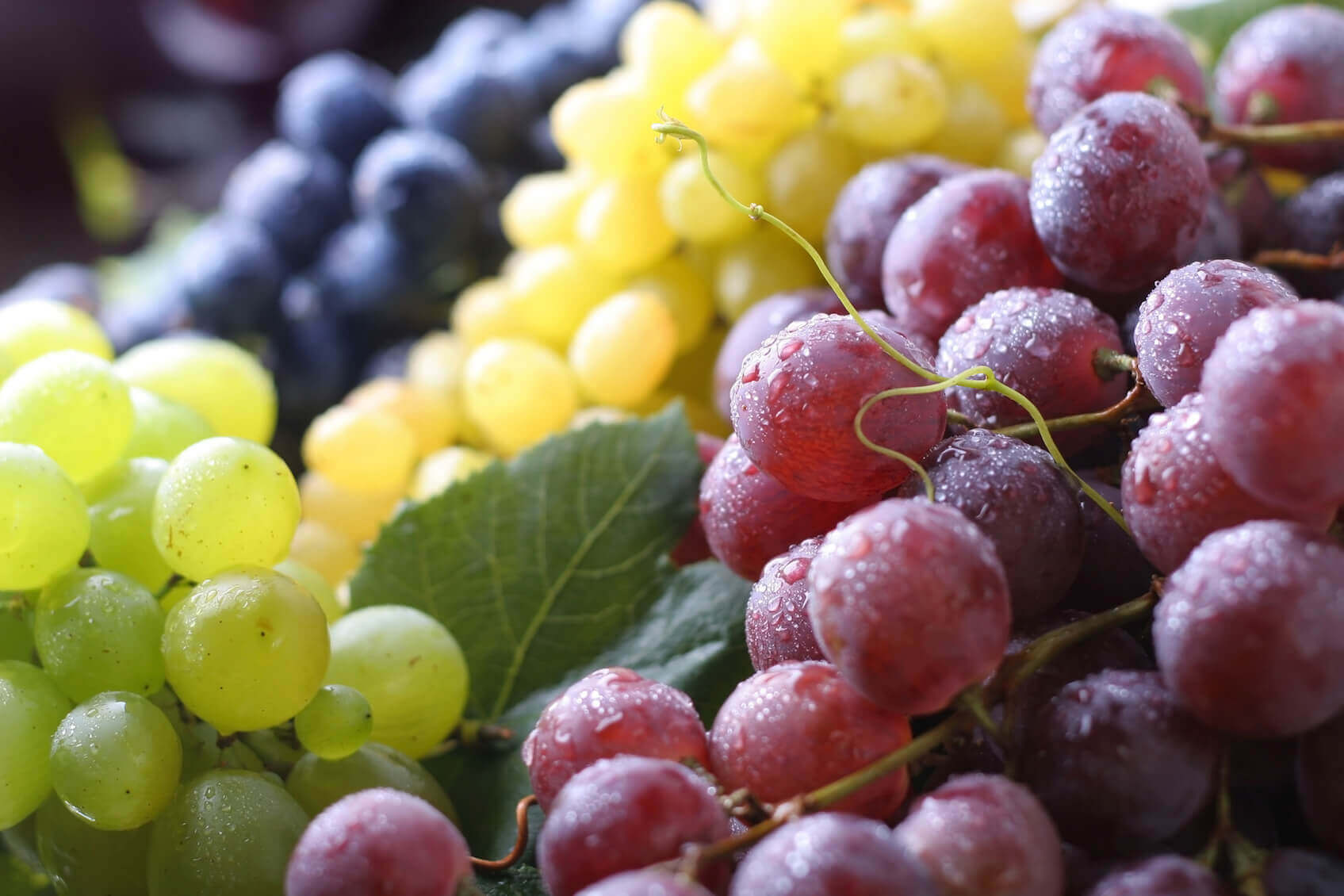
- Grape Selection: Most participants opt for green or white table grapes. Because of the rapid pace of the twelve chimes, seedless grapes are highly recommended to prevent choking and ensure the participant can successfully swallow each grape in time.
- Preparation: The grapes should be washed, dried, and set out in a bowl or plate for each individual. Some traditions suggest peeling the grapes or removing the skins to make consumption easier, though this is a matter of personal preference rather than a strict requirement.
- The Environment: The ritual requires a clear, audible source for the chimes. Whether participating in a large public square gathering or a private home setting, ensuring the broadcast or clock is accurate is necessary to stay in rhythm with the rest of the country.
Strategic Timing and Execution
The primary technical challenge of the 12 grapes ritual is the speed of the bell strikes. The chimes are often spaced only seconds apart, leaving very little room for error. Failure to complete the task—that is, having grapes left over after the clock stops—is colloquially considered an omen of bad luck, though most participants treat this as a playful superstition.
To increase the probability of success, practitioners often adopt specific strategies:
- Uniformity: Select grapes of a smaller, consistent size to minimize the chewing time required for each piece.
- Positioning: Place the grapes in a line or a wide-rimmed bowl so that they can be grasped quickly without fumbling.
- Breathing: Maintaining a steady, calm breathing pattern between chimes helps prevent the sensation of rushing, which can lead to mistakes.
Cultural Variations and Regional Interpretations
While the core essence of the tradition remains the pursuit of luck, regional adaptations have emerged over time. In some Latin American countries, the twelve grapes are sometimes replaced by twelve different fruits, or specific wishes are made for each grape consumed.
For instance, in certain families, each grape represents a specific resolution or a goal for the upcoming month. While the traditional practice is simply to eat for luck, modern practitioners often use the twelve chimes as a meditative moment to visualize their goals for January through December. This shift turns the superstition into a form of goal-setting, blending cultural heritage with personal intent.
Comparing Traditional New Year Customs
Various cultures have developed unique food-based rituals to ring in the new year. Understanding how the 12 grapes compare to other traditions highlights the global emphasis on food as a medium for manifesting prosperity.
| Tradition | Region | Primary Symbolism |
|---|---|---|
| 12 Grapes | Spain & Latin America | Luck for each of the 12 months |
| Hoppin' John | Southern US | Prosperity and wealth |
| Soba Noodles | Japan | Longevity and life transition |
| Lentils | Italy | Financial success and money |
| Pomegranate | Greece | Abundance and fertility |
While each tradition carries different ingredients, the underlying intent remains constant: the symbolic consumption of food at the turn of the year acts as an anchor for one's intentions.
Addressing Common Obstacles
The most frequent issue encountered during the ritual is physical inability to finish on time. This is often caused by choosing grapes that are too large or firm, or failing to properly prepare the grapes before the countdown begins.
If you are hosting a gathering, consider these troubleshooting tips:
- Pre-event testing: Ensure that guests have their grapes ready well before the final ten-second countdown to avoid last-minute stress.
- Accessibility: If children or elderly individuals are participating, consider cutting the grapes into halves to ensure safety while maintaining the spirit of the tradition.
- Technical Sync: If relying on a digital broadcast, be aware of the "latency" or lag inherent in many streaming services. Checking the broadcast against a local, non-delayed clock can ensure you are chiming in real-time.
Next Steps for Your New Year Preparation
To participate in this tradition effectively for the 2026 celebrations, start by sourcing your grapes from a local grocer at least 24 to 48 hours before New Year’s Eve. Ensure they are stored in a cool place to maintain freshness.
If you plan to host, provide clear, individual portions for your guests. If you are celebrating alone or in a small group, spend the minutes leading up to midnight documenting your goals for the twelve months ahead. While the 12 grapes represent a superstition, the act of reflecting on the calendar ahead—coupled with the celebratory atmosphere of the ritual—serves as a powerful way to frame your mindset for the coming year. Whether you successfully eat all twelve or not, the process remains a meaningful way to transition from the current year into the next.