112 Ocean Avenue is the documented address of a Dutch Colonial residence in Amityville, New York, which gained international notoriety following the 1974 mass murder committed there and subsequent claims of paranormal activity. As of 2026, the property remains a private residential dwelling, though its history continues to influence local real estate perception and American cultural narratives regarding residential stigma.
The Historical Context of the Property
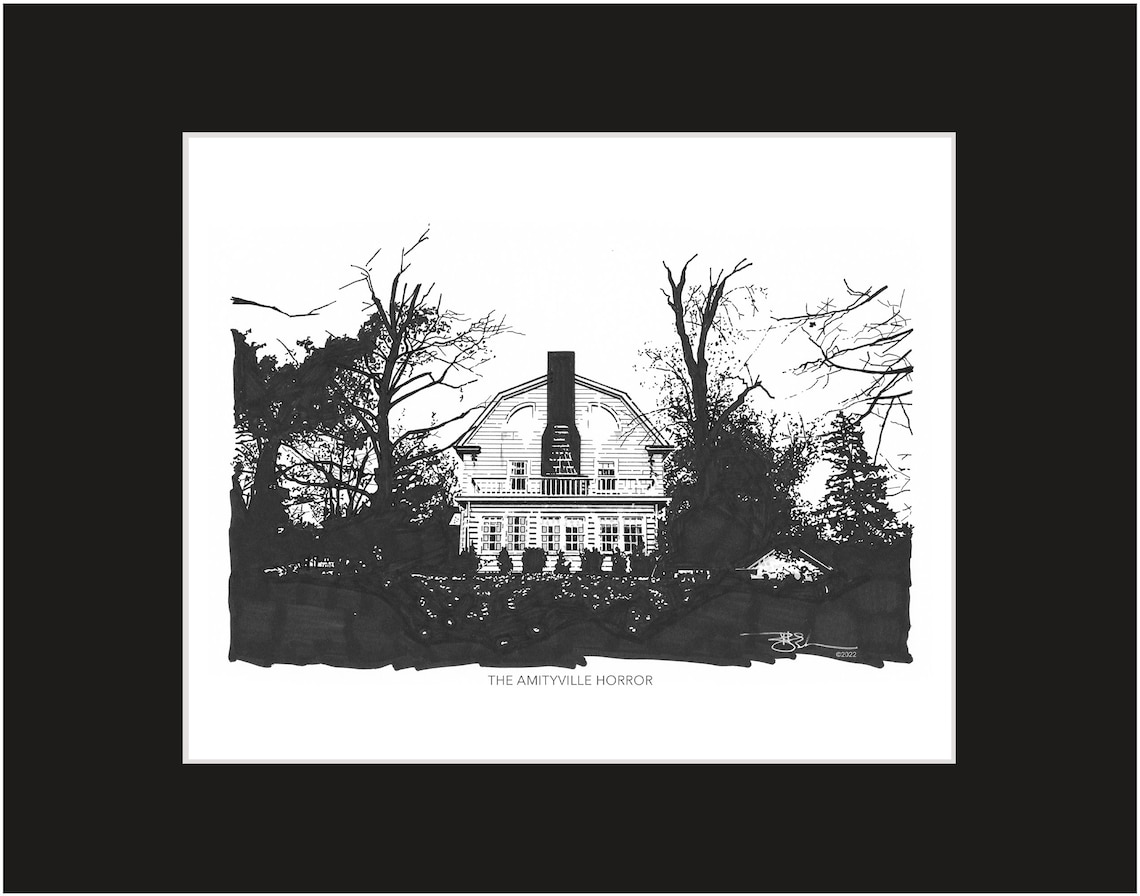
The house at 112 Ocean Avenue was constructed in 1927. Structurally, it is a three-story Dutch Colonial house featuring a gambrel roof and distinctive quarter-moon windows, often referred to as "eye" windows. Historically, the property is best known for the events of November 13, 1974, when Ronald DeFeo Jr. murdered six members of his family within the walls of the residence.
Following the criminal investigation and the subsequent trial, the house entered a period of intense public scrutiny. In 1975, the Lutz family moved into the property, citing the low purchase price as a primary factor in their decision. Their brief 28-day residency and the subsequent claims regarding supernatural occurrences served as the basis for Jay Anson’s 1977 book, The Amityville Horror. This publication transformed the address into a landmark of modern folklore, permanently altering the property’s status in the public imagination.
Real Estate Implications and Residential Stigma
In real estate, 112 Ocean Avenue is a classic case study of a "stigmatized property." A stigmatized property is a residence that has been psychologically impacted by a past event, such as a violent crime, death, or perceived hauntings, which may deter potential buyers despite the property's physical condition.
While legal disclosure requirements regarding stigmatized properties vary by jurisdiction, New York State law provides specific guidance. Generally, sellers are not legally required to disclose the occurrence of a homicide or suicide in a home as a "material defect," as these events do not impact the physical integrity of the structure. However, the international fame of this specific address forced the owners to manage the stigma differently than a standard residence.
Architectural Modifications and Visual Identity
To manage the unwanted attention from sightseers and mitigate the property’s association with the 1974 tragedy, the homeowners initiated several structural changes over the decades. The most significant of these was the replacement of the iconic quarter-moon windows. These windows were considered the visual "signature" of the house, heavily featured in the various film adaptations of the Amityville saga. By removing them and replacing them with standard windows, the owners aimed to disconnect the house's current physical appearance from its cinematic depiction.
These renovations demonstrate a practical approach to property management for high-profile residences. By altering the facade, the owners effectively reduced the "tourist gaze" that had plagued the property for years. As of 2026, the home remains well-maintained, highlighting the ability of residential owners to reclaim the function of a dwelling even after it has become a cultural icon.
Comparative Overview of Property Status
The following table summarizes the status of the residence throughout its history, illustrating the transition from a standard private home to a global media focal point.
| Period | Status | Primary Influence |
|---|---|---|
| 1927–1974 | Standard Private Residence | Initial construction and family home |
| 1974–1975 | Crime Scene / Vacant | DeFeo family tragedy and legal inquiry |
| 1976–1977 | Public Interest Surge | Publication of The Amityville Horror |
| 1978–2010 | Controlled Accessibility | Periods of renovation and sale |
| 2011–2026 | Private Residential | Post-remodel status and neighborhood integration |
Addressing Misconceptions and Public Curiosity
A common misunderstanding regarding 112 Ocean Avenue is the assumption that it is currently open to the public or that it retains its original 1970s interior layout. In reality, the home has undergone multiple interior renovations intended to modernize the infrastructure, including plumbing, electrical, and HVAC systems. These updates are standard for a building of its age, regardless of the property's history.
Furthermore, curiosity seekers often attempt to locate the house to observe it firsthand. It is important to note that the property is a private home. In 2026, as in previous years, the residence is protected by modern security measures, and local authorities maintain strict enforcement of trespassing laws. The neighborhood is a quiet, residential area, and the privacy of the occupants is legally and socially protected.
Frequently Asked Questions
Is the address 112 Ocean Avenue still the official address of the house?
Yes, the address remains the same for legal, postal, and tax purposes. However, the house underwent a highly publicized address change in the late 1970s to 108 Ocean Avenue in an attempt to thwart tourists and mitigate the attention caused by the book and subsequent film franchise. Despite this, the original number is widely used in historical and media documentation.
Does the history of the house affect its resale value in the current market?
Research into property valuation for sites of historical notoriety suggests that while such events may create a temporary "discount" during the initial post-event period, the long-term impact on market value often plateaus. In competitive markets like Long Island, the intrinsic value of the land and the quality of the structure typically outweigh the stigma, provided enough time has passed.
Can individuals request tours of the residence?
No, the property is not open for public tours or commercial access. It is a strictly private residence. Attempting to enter the property or loiter on the premises constitutes trespassing, which is strictly enforced by local law enforcement.
Did the architectural changes permanently remove the house's "look"?
The removal of the quarter-moon windows and the addition of modern exterior lighting and landscaping have significantly altered the facade. While the basic Dutch Colonial footprint remains, the house no longer matches the visual profile that defined its appearance in the 1970s media coverage.
Why do people remain fascinated by this specific address?
The fascination stems from the intersection of a verified, high-profile criminal event and the subsequent development of a massive pop-culture franchise. This dual legacy makes the property one of the most recognizable residential sites in North America, effectively turning a private home into a permanent fixture of urban legend.
Managing Stigmatized Property Ownership
For those interested in the broader subject of owning or purchasing properties with a complex history, the primary recommendation is to prioritize legal transparency. If you are in the process of purchasing a home, request a thorough history report if you have concerns regarding its past. In many jurisdictions, agents are required to answer truthfully if a buyer asks direct questions about a property’s history, even if they are not required to volunteer the information.
If you already own a property that attracts unwanted attention, the most effective strategy—as demonstrated by the owners of this specific location—is to implement physical changes to the exterior that differentiate the property from its media portrayal. Combined with professional landscape design and, if necessary, perimeter security, these actions can help re-establish the property's primary identity as a private, functional home rather than a public attraction.