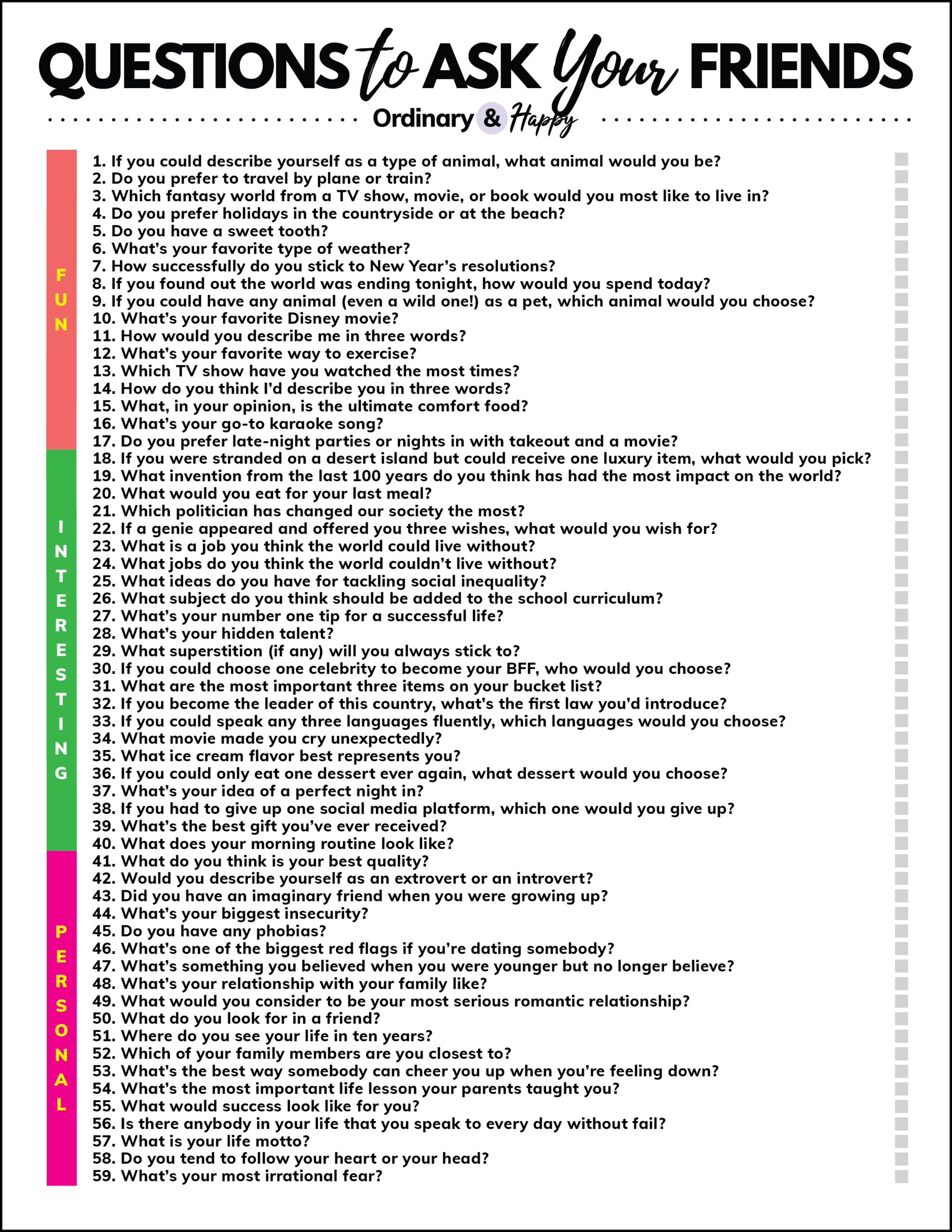
Asking vulnerable, melancholy, or "sad" questions can serve as a catalyst for genuine intimacy. By moving past superficial small talk and exploring the shared human experience of pain, loss, and disappointment, friends can build a foundation of empathy, trust, and psychological safety. This practice of "deep questioning" allows individuals to understand the complexities of their companions' internal lives beyond their outward appearance.
The Psychology of Vulnerability in Friendship
Vulnerability is the cornerstone of emotional resonance. When a friend shares a difficult memory or a deeply personal sadness, they are offering a piece of their identity that is usually guarded. Accepting this disclosure without judgment or immediate attempts to "fix" the problem creates a secure attachment. Research in social psychology consistently demonstrates that reciprocal self-disclosure is one of the most reliable predictors of relational satisfaction. By intentionally navigating conversations that explore the heavier aspects of life, you transition from being "acquaintances of circumstance" to "confidants of character."
Preparing for Deep Conversations
Before initiating these inquiries, establish a comfortable and private setting. Deep conversations require patience and a lack of external distractions. It is essential to treat these questions as invitations, not interrogations. If a friend expresses discomfort or hesitation, honor their boundaries immediately. Emotional safety relies on the principle that the person answering retains full autonomy over what they share and when.
Categories of Reflective and Melancholic Questions
To facilitate a structured dialogue, it is helpful to group your questions by theme. This allows for a gradual transition into more sensitive territories rather than jumping immediately into traumatic experiences.
Understanding Past Regrets and Missed Opportunities
- What is a mistake you made that you still wish you could undo?
- Is there a person you lost touch with that you truly miss?
- What is a dream you gave up on because you were afraid of failure?
- Do you regret a specific career or academic path you chose?
- What is the one thing you wish you had told a loved one before they passed away?
- Which period of your life do you look back on with the most sadness?
- Is there a promise you broke that still haunts your conscience?
- What is a version of yourself that you miss being?
- Did you ever turn down a life-changing opportunity out of fear?
- What is a secret you kept that ended up hurting you in the long run?
Exploring Insecurities and Inner Criticism
- What is the most critical thing your inner voice says to you?
- Do you ever feel like an impostor in your own life?
- What is a physical feature of yours that you struggle to accept?
- How often do you feel lonely even when surrounded by friends?
- What makes you feel like you are not "enough"?
- Do you fear that your true self is unlovable?
- What is a habit you have that you desperately want to break?
- Do you think your past trauma defines your current choices?
- What is a specific fear that keeps you awake at night?
- Do you believe you are more sensitive than the people around you?
Navigating Loss and Grief
- What does your grief feel like on a bad day?
- Is there a place that makes you feel profoundly sad when you visit it?
- What is the hardest part about letting go of a relationship?
- How do you cope when the world feels too overwhelming?
- Is there a piece of art or music that always makes you cry?
- What was the most significant funeral or memorial you ever attended?
- Do you fear forgetting the faces of the people you have lost?
- How has your experience with loss changed your view of the future?
- Does the passage of time make the pain of loss better or worse for you?
- What is a lesson you learned only after a major heartbreak?
Comparison Table: Communication Styles in Deep Friendship
Understanding how to balance these questions is vital. This table outlines the differences between casual inquiry and deep, empathetic questioning.
| Feature | Casual Small Talk | Deep/Sad Questioning |
|---|---|---|
| Primary Goal | Establishing rapport/comfort | Building profound empathy |
| Emotional Risk | Low; low investment | High; requires emotional labor |
| Duration | Brief; transient | Extended; requires active listening |
| Setting | Any environment | Private, quiet, and secure |
| Expected Outcome | Social cohesion | Increased trust and intimacy |
Moving Through the Process
Once you have selected a range of questions, consider the following best practices to ensure the conversation remains healthy and productive for both participants:
- Practice Active Listening: Give the speaker your full attention. Maintain eye contact and resist the urge to interrupt with your own story until they have fully expressed their thoughts.
- Acknowledge and Validate: Even if you cannot relate to their specific sadness, acknowledge the difficulty of their experience. Simple phrases like "I hear how much that hurt you" are more effective than offering unsolicited advice.
- Reciprocity: Allow the conversation to flow both ways. If you ask a difficult question, be prepared to answer it yourself or share a comparable experience if asked.
- Check-In Periodically: After a particularly heavy conversation, ensure that both parties feel supported. A simple, "Are you doing okay after talking about that?" can prevent lingering feelings of vulnerability or exposure.
When to Seek Professional Support
It is important to recognize that some questions may surface deep-seated trauma or mental health concerns. While friends can provide a vital support network, they are not a substitute for professional therapy. If a conversation reveals that a friend is struggling with persistent depression, severe anxiety, or suicidal ideation, encourage them to seek assistance from a licensed mental health professional or a crisis support service. Your role as a friend is to provide empathy and companionship; a professional’s role is to provide clinical care.
Frequently Asked Questions
Is it healthy to focus on sad topics in friendship?
Yes. Exploring sad topics is a component of emotional intimacy. It helps friends see the full spectrum of each other's experiences, fostering a deeper, more resilient bond that is not predicated on constant positivity or superficial agreement.
How do I know if my friend is ready for these questions?
Gauge the current depth of your relationship. If you typically only discuss lighthearted topics, start with low-stakes questions about personal growth or minor regrets before moving into core traumas or significant life losses.
What if I feel overwhelmed by my friend's answers?
It is acceptable to set boundaries. If you feel emotionally drained, it is okay to say, "I really appreciate you sharing this, but I am feeling a bit overwhelmed right now. Can we take a break and talk about something lighter?"
Should I prepare these questions in advance?
Having a list can help overcome the anxiety of starting a deep conversation, but the goal is natural dialogue. Use the questions as prompts to guide the conversation rather than a rigid questionnaire that must be completed from start to finish.
Next Actions for Building Connection
To move beyond these questions, consider integrating shared experiences that reinforce your new, deeper understanding of each other. This might involve volunteering for a cause you both care about, engaging in a creative project, or simply scheduling recurring times to check in on each other's emotional states. Remember that the goal is not to dwell on sadness, but to acknowledge it as part of the humanity that you share, ultimately strengthening your friendship against the challenges of the future.