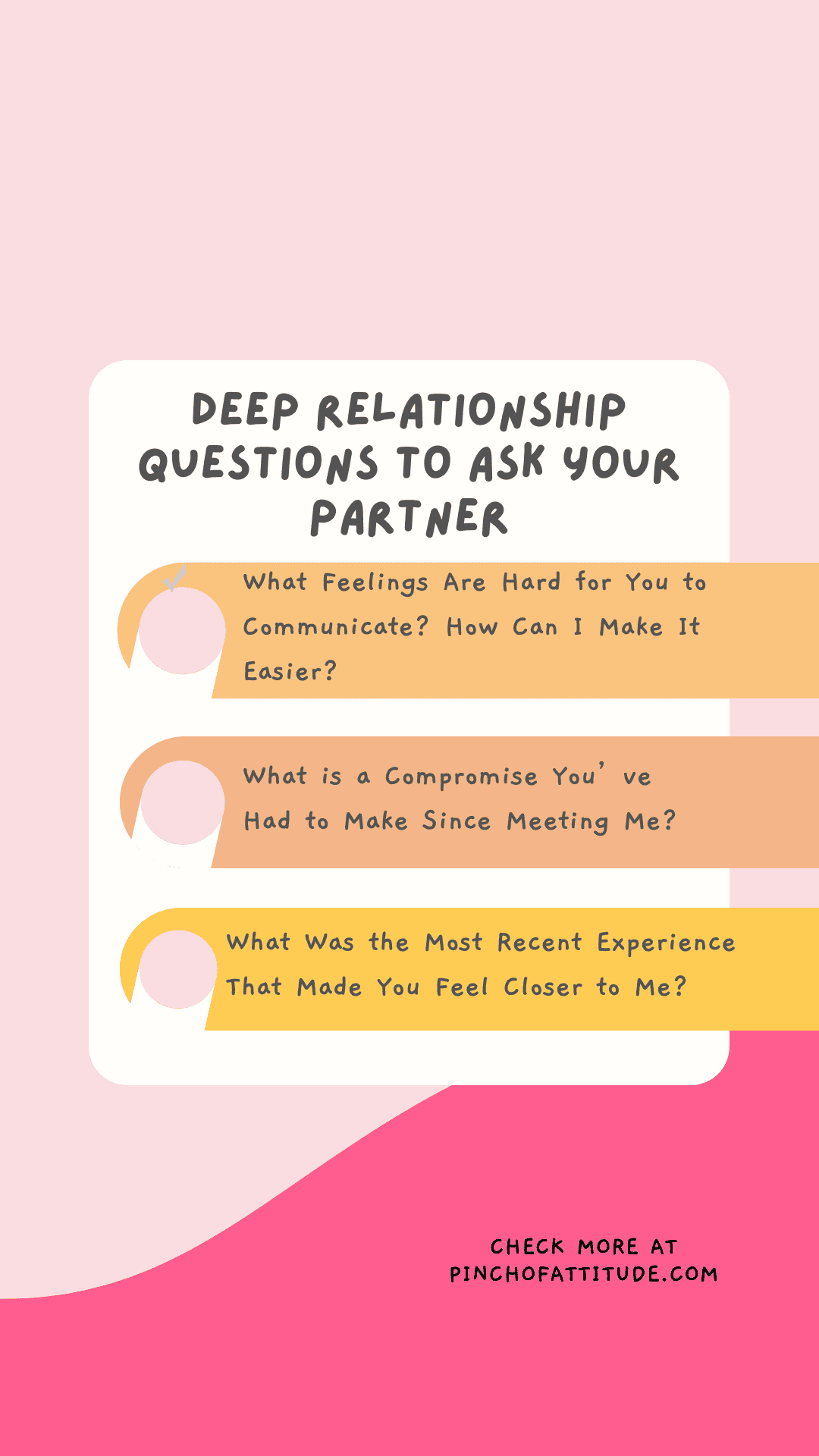
Meaningful conversation acts as the foundation of strong social bonds, allowing individuals to move beyond small talk and into the realm of shared values, history, and aspirations. By asking thoughtful, open-ended questions, friends can uncover hidden facets of each other’s personalities, foster mutual empathy, and create a safe environment for vulnerability, which is essential for lasting platonic intimacy.
Understanding the Role of Vulnerability in Friendship
Deepening a friendship requires a transition from sharing surface-level information—such as work status or current events—to discussing internal experiences, personal philosophies, and emotional history. This process relies heavily on the concept of reciprocal self-disclosure, a psychological principle where individuals share personal information at similar levels to build trust.
When you invite a friend to discuss their fears, their proudest accomplishments, or their formative childhood memories, you are not merely gathering data. You are signaling that you value their inner world. This practice reduces the "social anxiety" often associated with silence or superficiality. To achieve a deeper connection, the environment must be devoid of judgment. Choosing the right time and place is as important as the question itself; these dialogues often flourish in private, relaxed settings where both parties feel safe to lower their emotional defenses.
Categorizing Questions for Intentional Dialogue
To navigate a deep conversation effectively, it is helpful to categorize inquiries based on the depth of the topic. Moving too quickly into existential questions with a casual acquaintance may lead to discomfort, whereas staying in the "surface" zone with a long-term friend may lead to stagnation.
Early-Stage Connection: Interests and Experiences
These questions serve as a bridge. They focus on the "what" and "how" of a person's life, helping you understand their current perspective without demanding extreme emotional labor.
- What is a hobby you have always wanted to pick up but haven't yet?
- Which book or movie changed your perspective on something significant?
- What is the most spontaneous thing you have ever done?
- If you could live anywhere in the world for one year, where would it be?
- What is a small, daily ritual that brings you genuine peace?
Mid-Stage Connection: Values and Worldview
These questions explore the "why." They help you understand what drives your friend’s decision-making and what they prioritize in life.
- What does "success" look like to you in this current chapter of your life?
- What is a value your parents instilled in you that you still hold today?
- When do you feel most like your true self?
- How do you define a "good" life?
- What is a cause you are genuinely passionate about and why?
Deep-Stage Connection: Vulnerability and Reflection
Reserved for established friendships, these inquiries address the "who" beneath the persona. They often involve discussing past mistakes, long-term anxieties, or complex emotional landscapes.
- What is a fear you are currently working to overcome?
- What is the most significant lesson you learned from a past failure?
- What part of your personality do you hope to change, if any?
- What is a memory that, when you think of it, always makes you feel loved?
- What is one thing you wish people understood about you better?
Strategic Comparison of Question Types
Choosing the right type of question depends on the desired outcome of the conversation. The following table illustrates how different styles of questioning serve different aspects of interpersonal connection.
| Question Category | Primary Goal | Best Used When... | Risk Level |
|---|---|---|---|
| Exploratory | Broaden knowledge | Starting a new friendship | Low |
| Value-Based | Align perspectives | Assessing compatibility | Moderate |
| Reflective | Foster emotional intimacy | Deepening long-term bonds | High |
| Hypothetical | Explore creativity | Relaxed, playful settings | Low |
Practical Guidelines for Facilitating Deep Dialogue
Asking questions is only half of the task; the other half is active listening. To facilitate a genuine connection, you must listen to understand rather than listening to respond. Avoid the urge to immediately provide advice or share your own story as a "one-up" maneuver. Instead, use "follow-up" techniques to signal engagement.
- Paraphrase and Validate: If your friend shares a difficult experience, confirm you understood by summarizing their feeling: "It sounds like that moment made you feel really undervalued."
- Ask "Why" or "How": If a question leads to a one-word answer, pivot with a request for elaboration: "That is interesting; what made you feel that way?"
- Hold Space for Silence: Often, the most profound answers follow a period of silence. Do not feel compelled to fill every pause with chatter; allow your friend the time to process their thoughts.
- Practice Reciprocity: Be prepared to answer the same questions you ask. Vulnerability should be a two-way street.
Addressing Common Pitfalls in Questioning
Even with good intentions, conversation can hit barriers. The most common error is the "interrogation effect," where questions are rapid-fire and lack emotional flow. If you feel the conversation turning into an interview, stop asking questions and share an observation or a brief personal anecdote.
Another frequent mistake is the "fix-it" mentality. When a friend shares a struggle, the instinct to offer a solution is strong, but it can actually shut down deeper conversation. If a friend says, "I'm struggling with burnout," they are likely looking for empathy and validation, not a list of productivity hacks. Use phrases like, "That sounds incredibly draining; how are you managing to keep going?" to show you are aligned with their emotional state.
Frequently Asked Questions
How do I introduce these questions without it feeling weird?
The best way is to frame it as a shared interest. You can say, "I’ve been trying to be more intentional about my conversations lately. Would you be open to answering some interesting questions I found?" Most people enjoy being asked for their thoughts, provided the approach is casual and respectful.
Is there a limit to how much vulnerability is healthy?
Yes. It is important to respect boundaries. If a friend seems hesitant, changes the subject, or gives one-word answers, they may not be ready for a deep conversation. Never force a disclosure. Follow their lead and pull back if you sense discomfort.
Should I prepare a list beforehand?
While having a list of 101 questions is a great resource, treat it as a menu rather than a script. You do not need to ask every question. Pick one or two that resonate with the current flow of the conversation. Authenticity is more important than completing a list.
How often should I engage in deep conversations with friends?
There is no fixed frequency. Some deep conversations occur spontaneously, while others might be scheduled during a "catch-up" dinner. Pay attention to your friend’s social battery; deep conversations are emotionally taxing and usually work best when both parties are rested and relaxed.
Taking the Next Action
To start putting this into practice, select one friend you feel comfortable with and reach out to schedule time for a distraction-free conversation. Choose three questions from the "Mid-Stage" category above to serve as conversation starters. Remember that the goal is not to perform, but to connect. By shifting your focus from "what to say next" to "how they are feeling," you will naturally cultivate the depth you seek in your friendships.