Practicing intentional kindness transforms both personal well-being and community cohesion. By integrating small, actionable gestures into your daily routine—such as offering a sincere compliment, supporting local businesses, or practicing active listening—you create a positive ripple effect that benefits everyone. These simple acts require minimal resources but offer profound emotional rewards.
The Psychological Impact of Altruistic Behavior
Engaging in acts of kindness is not merely a social nicety; it is a scientifically supported method for improving mental health. When you perform a kind act, the brain releases oxytocin, dopamine, and serotonin—neurotransmitters often referred to as the "helper’s high." This biological response helps reduce stress, anxiety, and blood pressure.
Beyond the neurological benefits, consistent kindness fosters a sense of purpose and connection. In an increasingly digital world, the intentionality behind a gesture—whether it is holding a door or writing a note of appreciation—reminds both the giver and the receiver of their shared humanity. Establishing a habit of kindness requires shifting your focus from internal stressors to the needs of those around you, effectively broadening your perspective and decreasing feelings of isolation.
Categorizing Acts of Kindness
To make kindness a sustainable habit, it helps to categorize these actions by the environment in which they occur. This structural approach prevents decision fatigue and allows you to identify opportunities throughout your day.
Random Acts of Kindness for Strangers
Strangers represent the greatest opportunity for expanding your empathy beyond your immediate social circle.
- The Commute: Offer your seat on public transit or allow someone to merge into your lane during heavy traffic.
- Retail Encounters: Pay for the coffee of the person in line behind you or leave a positive review for a service worker who impressed you.
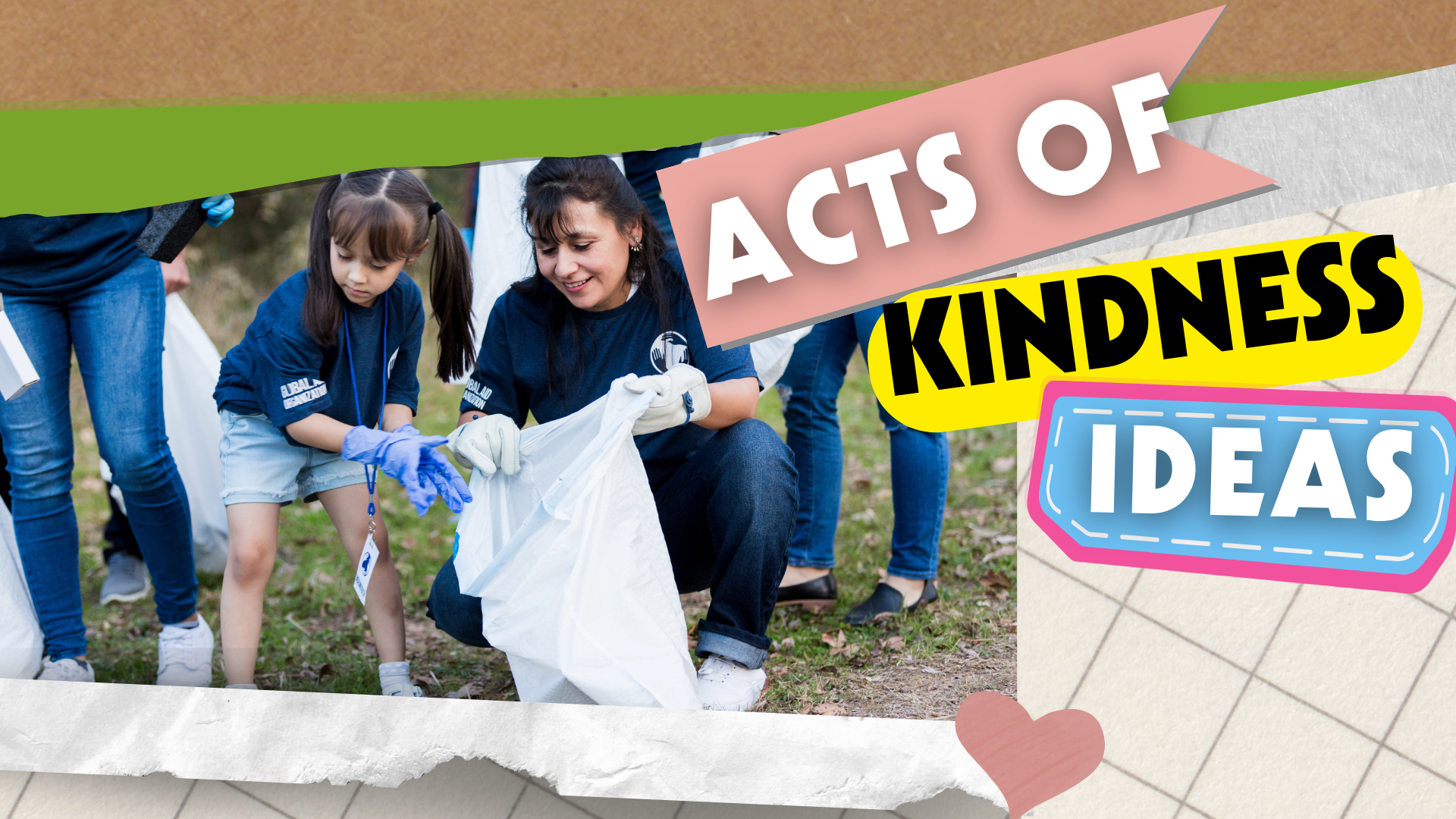
- Public Spaces: Pick up litter in a local park, return a stray shopping cart to its bay, or hold an elevator for someone walking quickly.
Kind Gestures for Friends and Family
Nurturing your inner circle requires sustained effort and observation.
- Active Engagement: Put your phone away during conversations to give someone your undivided attention.
- Thoughtful Reminders: Send a text just to say you are thinking of them, or mail a handwritten card rather than a digital message.
- Supportive Labor: Offer to run an errand for a tired friend or cook a meal for someone going through a difficult transition.
Comparison of Kindness Initiatives
Implementing kindness often involves a trade-off between time, financial cost, and emotional energy. The following table illustrates how different types of acts impact your resources.
| Act Type | Time Required | Cost | Primary Benefit |
|---|---|---|---|
| Micro-gestures | Seconds | Zero | Immediate mood boost |
| Financial Support | Minutes | Low to Moderate | Material assistance |
| Time Volunteering | Hours | Zero | Long-term social impact |
| Skill Sharing | Moderate | Zero | Personal empowerment |
Integrating Kindness into a Busy 2026 Schedule
In 2026, the pace of professional and personal life remains demanding. To remain kind, you must view these acts as "micro-habits" rather than major projects. If you wait for the perfect moment to be generous, you will rarely act. Instead, attach acts of kindness to existing behaviors. For example, make it a rule that every time you buy a coffee, you share a friendly observation with the barista.
The Power of Digital Kindness
The digital landscape is often viewed as a space for conflict, but it is equally capable of fostering kindness. Leaving constructive, encouraging feedback on a colleague’s project, sharing helpful resources without being asked, or simply ignoring the urge to engage in negative online discourse are all valid, meaningful acts of kindness in the modern era.
Overcoming Barriers to Kindness
Many people feel inhibited by the fear of rejection or the belief that their gesture might be misunderstood. It is essential to recognize that the goal of an act of kindness is not to elicit a specific reaction from the recipient, but to act in accordance with your own values. If a gesture is declined or goes unnoticed, the integrity of your intention remains intact.
Focus on low-stakes environments to build your "kindness muscle." By starting small, you desensitize yourself to the fear of social awkwardness. Over time, these actions become second nature, requiring less conscious effort and becoming a fundamental part of your identity.
Frequently Asked Questions
Does kindness have to be anonymous to be effective?
No, kindness does not need to be anonymous. While anonymity can prevent the feeling of indebtedness, overt kindness strengthens relationships and creates a culture where generosity is visible and replicable. The primary factor is the sincerity of the intent rather than the anonymity of the actor.
How can I practice kindness if I have no extra money?
Financial resources are not a prerequisite for kindness. The most impactful gestures are often those that cost nothing: giving time, offering genuine praise, providing emotional support, or sharing knowledge. Kindness is measured by the consideration shown to another person, not by the market value of the act.
What should I do if my act of kindness is rejected?
If your kindness is declined, do not take it personally. Individuals may be preoccupied, skeptical, or having a difficult day. The most appropriate response is to offer a polite smile and move on. Maintaining your own emotional equilibrium is part of being a helpful member of your community.
Can excessive kindness lead to burnout?
Yes, "compassion fatigue" is a genuine risk if you focus entirely on the needs of others while neglecting your own. Always ensure you are practicing self-kindness and maintaining healthy personal boundaries. You cannot pour from an empty cup, so prioritize your own well-being to ensure your capacity for kindness remains sustainable.
Next Steps: Your Kindness Commitment
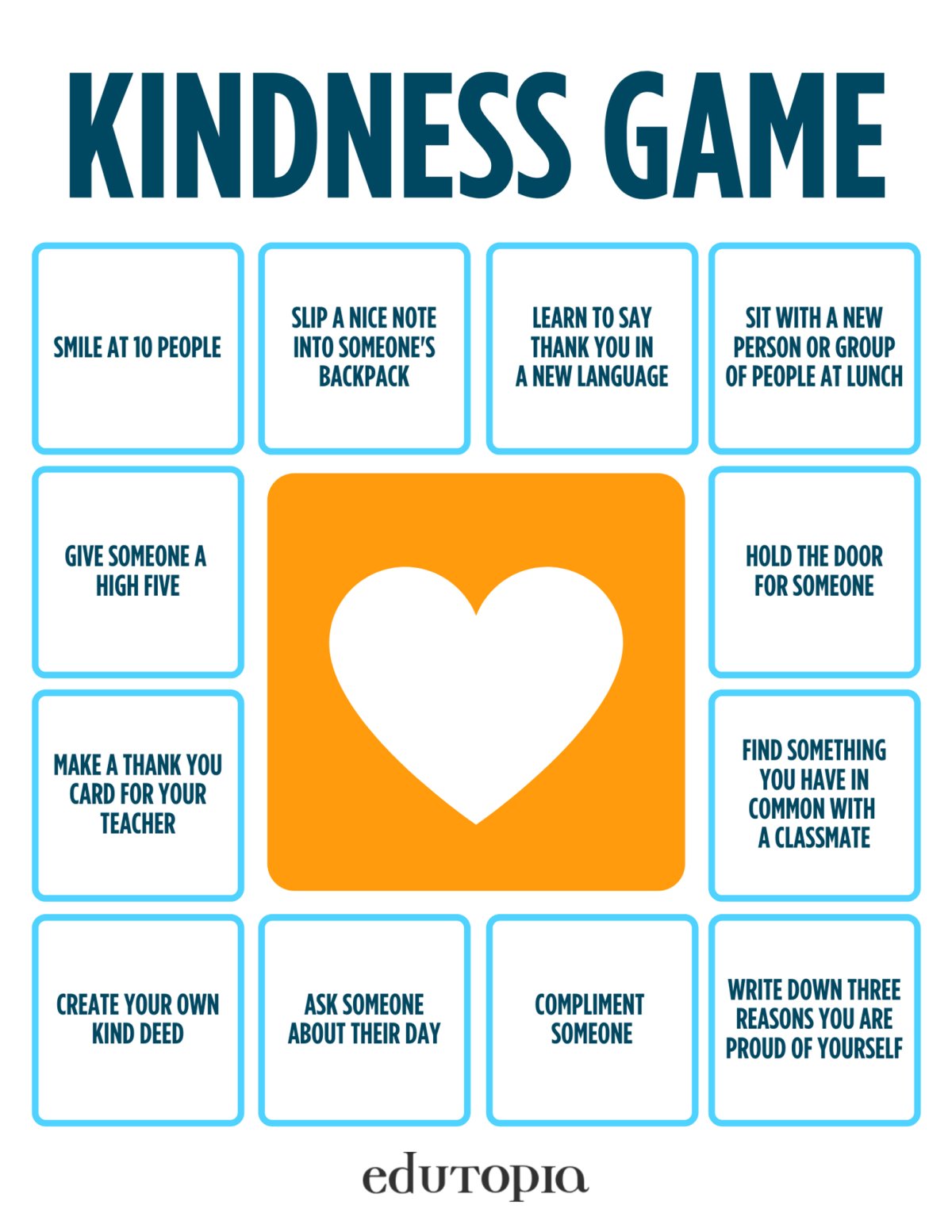
To begin your journey, choose three simple acts from this list to perform this week. Record how these actions affected your mood and your interactions with others. Kindness is not a destination but a continuous practice of awareness and initiative. By choosing to prioritize the needs of others alongside your own, you contribute to a more connected and supportive society throughout 2026 and beyond.