Feeding a dog appropriately requires distinguishing between human-grade snacks that are safe and those that pose significant physiological risks. Dogs process nutrients differently than humans, and many common pantry staples contain chemical compounds that, while benign to people, can cause severe organ damage, neurological distress, or gastrointestinal obstruction in canine companions.
Understanding Canine Toxicity and Physiological Risks
The biological vulnerability of dogs to certain human foods stems from their specific metabolic pathways. Unlike humans, dogs lack certain enzymes necessary to break down substances like theobromine in chocolate, or they suffer from unique sensitivities to chemical compounds like persin in avocados or allicin in alliums. When a dog ingests a toxic substance, the onset of symptoms can range from rapid-fire gastrointestinal distress to delayed multi-organ failure.
It is crucial to understand that toxicity is rarely "one-size-fits-all." Factors such as the dog’s weight, age, breed, and overall health status significantly influence how they process a toxin. A small breed dog may reach a lethal dose of a particular substance with a fraction of the amount that would affect a large breed dog. Furthermore, some toxic responses are cumulative, meaning that repeated exposure to small amounts of a substance can lead to long-term health degradation, particularly in the kidneys or liver.
The Categories of Toxic Human Foods
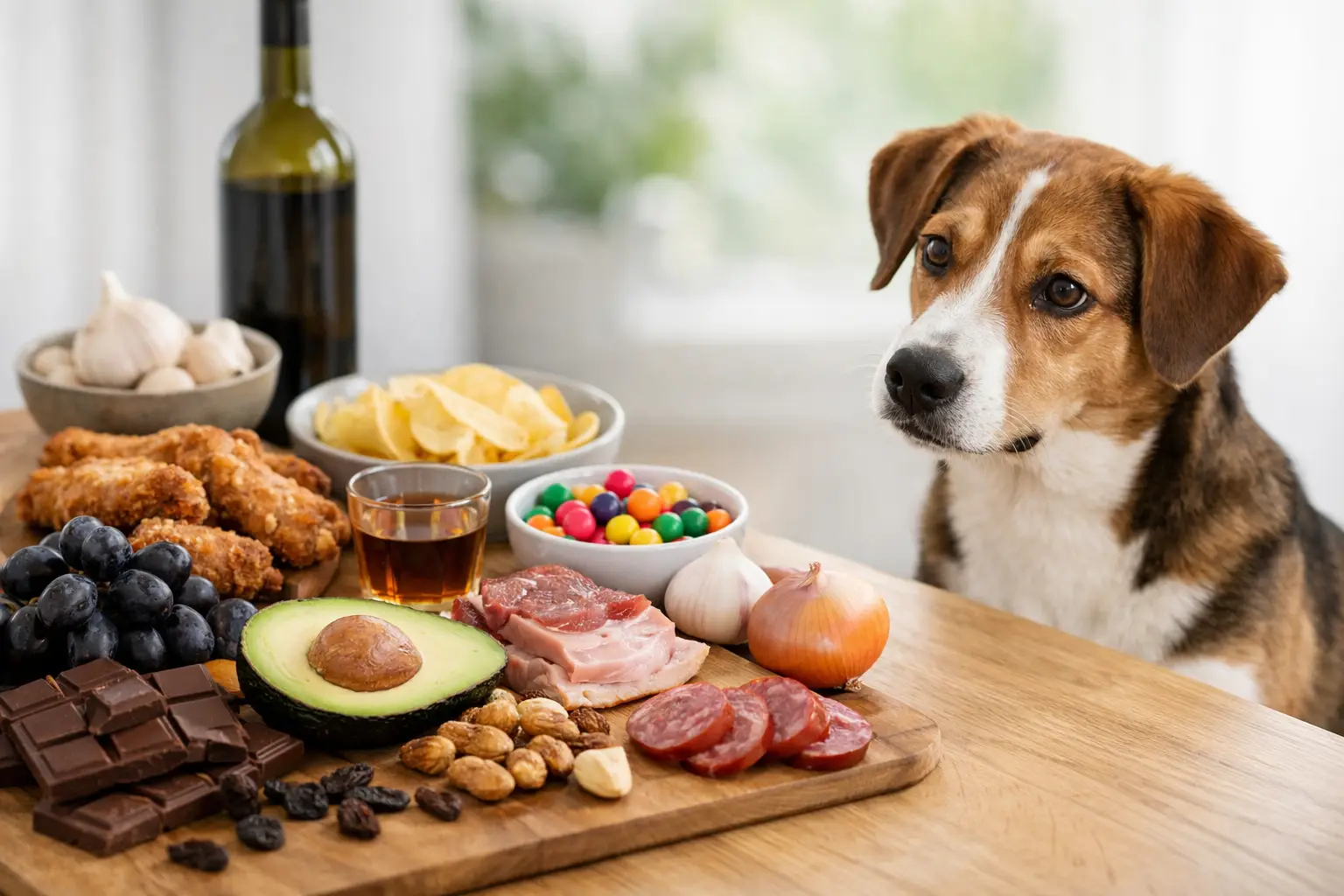
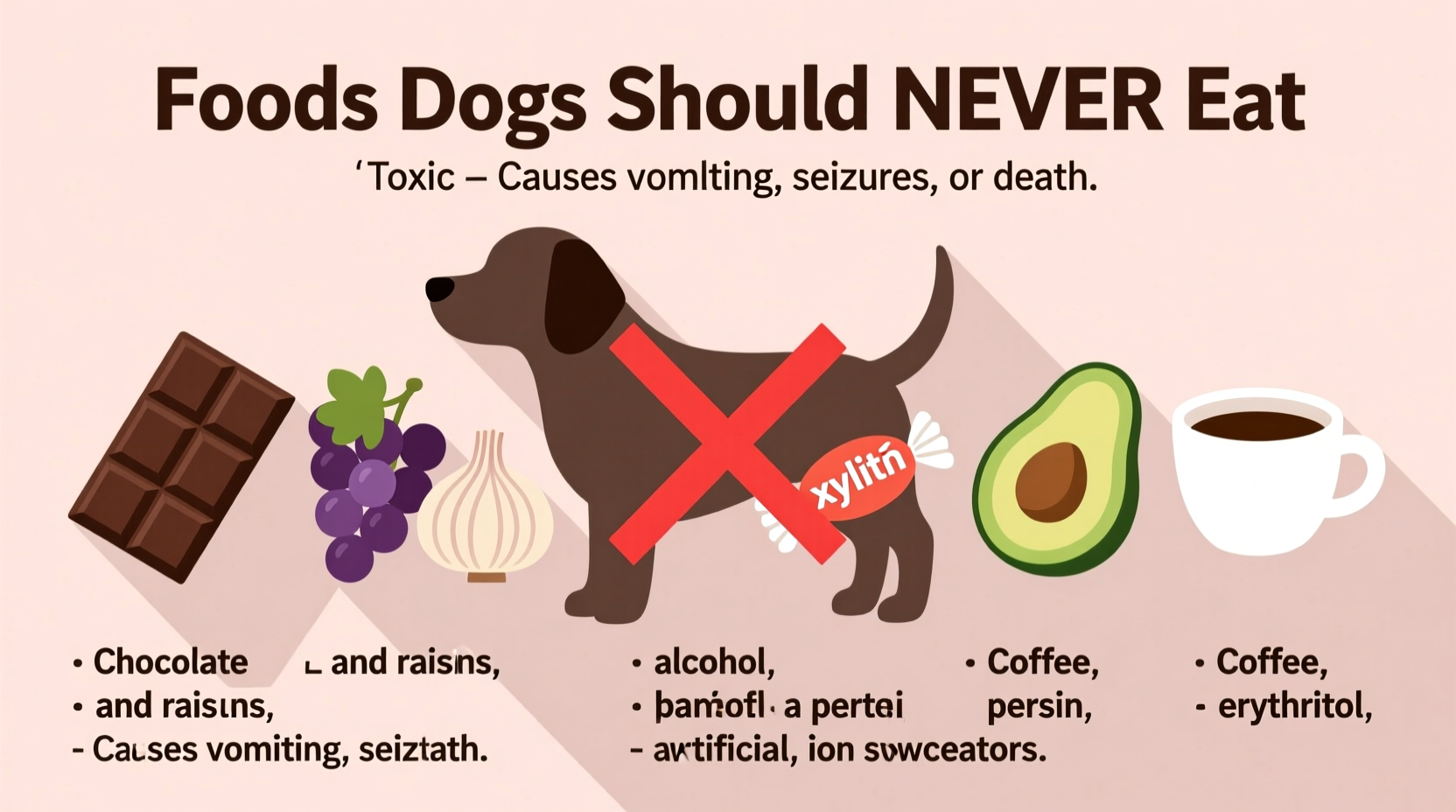
To manage potential hazards in the household, it is effective to categorize food items by their primary chemical threat or physical danger. Many owners mistakenly believe that because a food is "natural" or "whole," it is inherently safe, which is a dangerous misconception.
Alliums and Spices
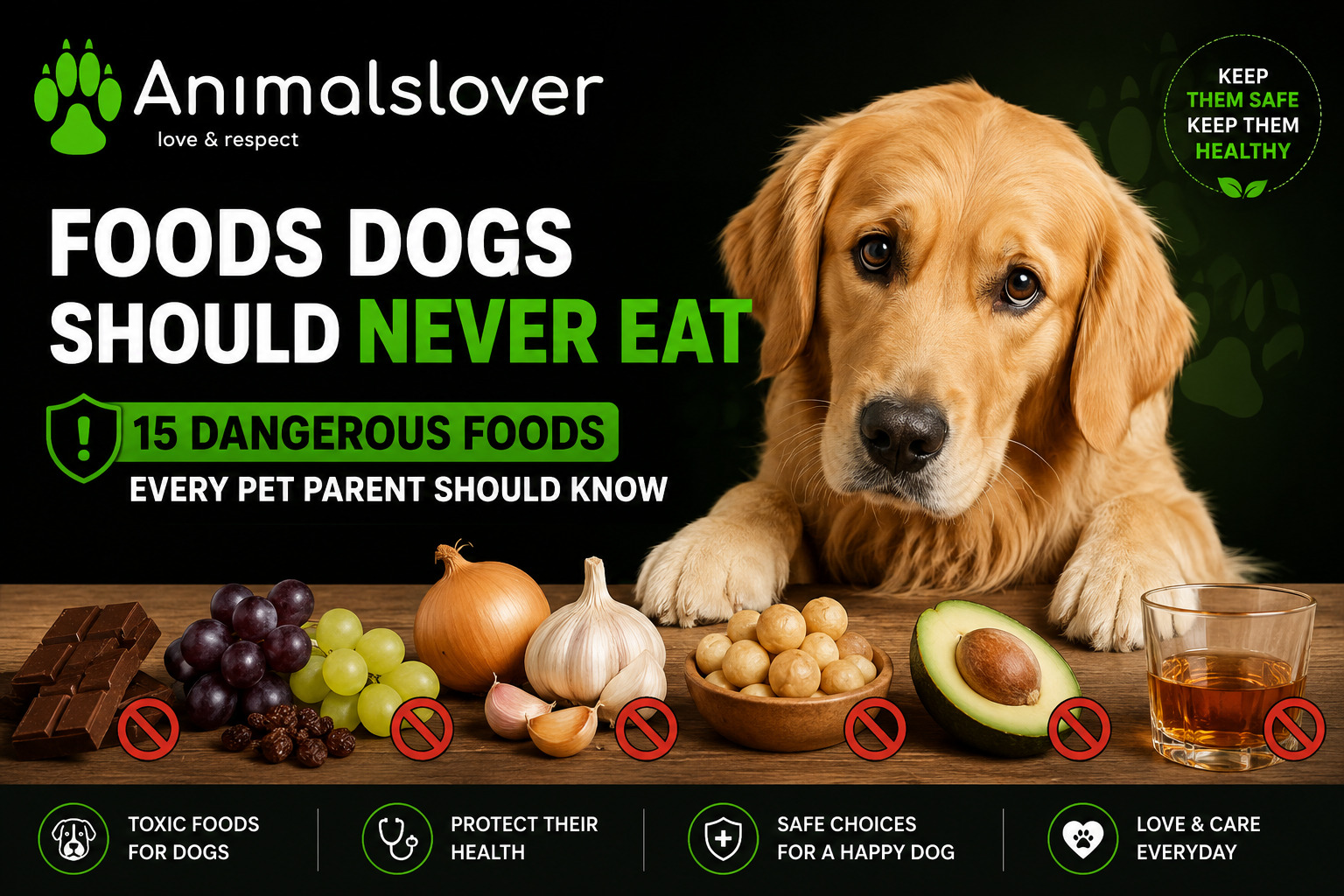
The Allium family, which includes onions, garlic, chives, and leeks, is highly toxic to dogs regardless of whether the plant is raw, cooked, or powdered. These foods contain N-propyl disulfide, a compound that damages red blood cells, leading to hemolytic anemia. In many cases, the damage to the red blood cells is not immediately apparent, and symptoms such as pale gums, lethargy, and dark-colored urine may not manifest for several days after ingestion.
Xylitol and Sweeteners
Xylitol, a common sugar alcohol used in sugar-free gum, peanut butter, candies, and some baked goods, is among the most dangerous substances for dogs. Even a minute amount can trigger a rapid release of insulin in a dog’s system, leading to life-threatening hypoglycemia (dangerously low blood sugar) within minutes to hours. This can further progress to liver failure. Always check product labels for "birch sugar" or "wood sugar," as these are alternative names for xylitol.
Theobromine and Caffeine
Chocolate toxicity is well-documented but often underestimated. The culprit is theobromine and caffeine. Darker chocolates, such as baker’s chocolate and cocoa powder, contain the highest concentrations. Ingestion can lead to heart palpitations, tremors, seizures, and fatal cardiac arrhythmias.
High-Risk Foods and Their Clinical Impacts
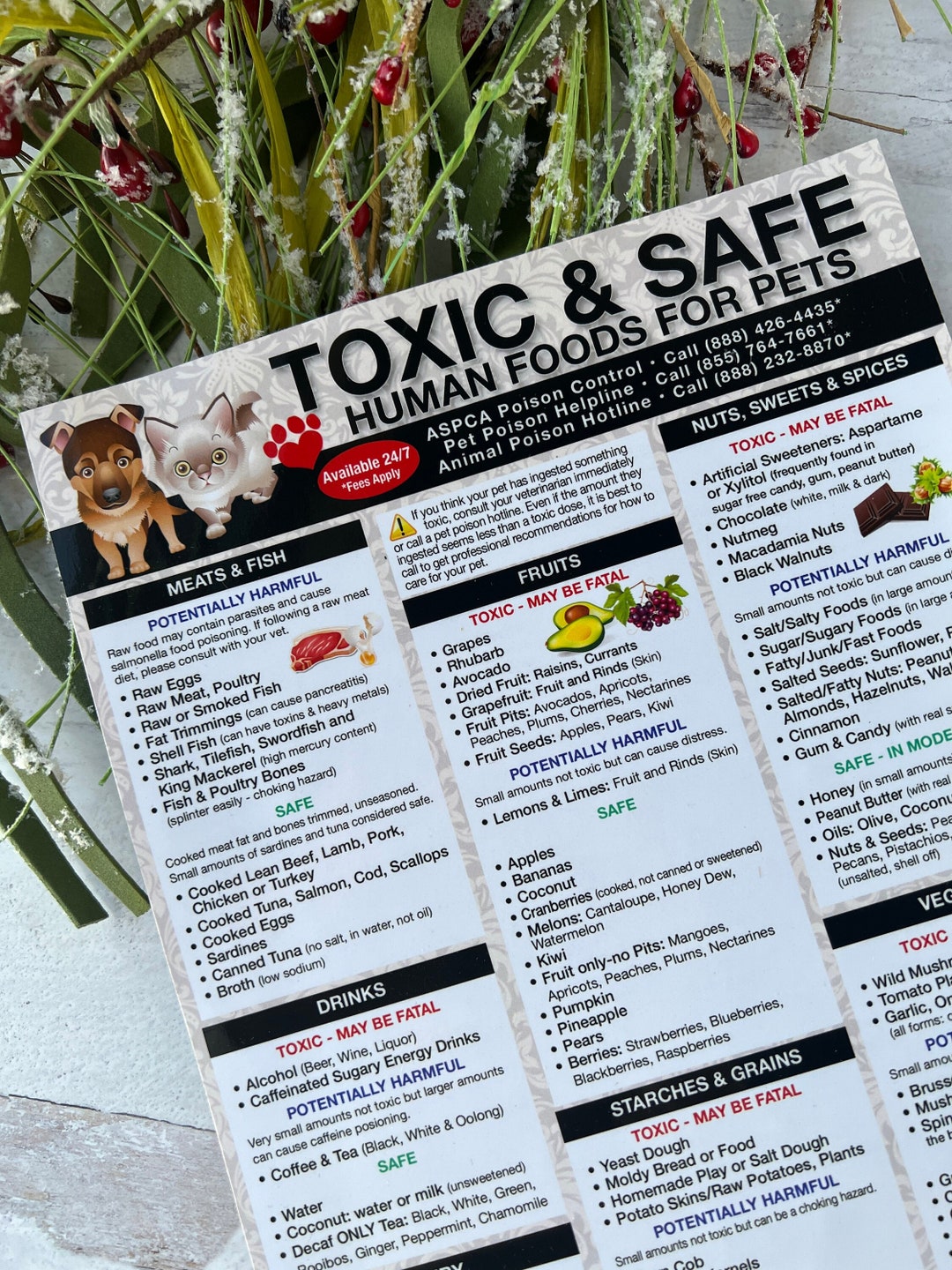
The following table serves as a reference for common items that should be strictly excluded from a dog’s diet.
| Food Item | Primary Toxic Component | Potential Clinical Impact |
|---|---|---|
| Grapes/Raisins | Unknown (Potential Tartaric Acid) | Acute renal (kidney) failure |
| Xylitol | Sugar Alcohol | Hypoglycemia and hepatic failure |
| Onions/Garlic | N-propyl disulfide | Hemolytic anemia |
| Macadamia Nuts | Unknown | Muscle tremors and hyperthermia |
| Raw Bread Dough | Yeast/Ethanol | Bloat and alcohol poisoning |
| Coffee/Tea | Caffeine/Methylxanthines | Seizures and cardiac arrhythmias |
| Alcohol | Ethanol | Metabolic acidosis and respiratory failure |
Physical Hazards: Beyond Chemical Toxicity
Some foods are dangerous not because they are inherently poisonous, but because they pose mechanical risks. Cooked bones are a primary example; while raw bones may be processed differently by a dog’s digestive tract, cooked bones become brittle and prone to splintering. These splinters can puncture the stomach lining or cause severe obstructions in the intestinal tract that require emergency surgical intervention.
Similarly, fruit pits and seeds—such as those found in peaches, plums, and cherries—contain trace amounts of cyanide and are significant choking hazards. Large pits can cause immediate blockages in the narrow canine esophagus or intestines. Furthermore, high-fat foods, including bacon grease or fatty meat trimmings, can trigger pancreatitis, a painful and often fatal inflammation of the pancreas that requires intensive veterinary care.
Maintaining a Safe Environment
Preventing toxicity incidents requires proactive household management. The most effective strategy is to treat all human food as "off-limits" until it has been explicitly verified as safe by a veterinarian. Ensure that trash cans are dog-proof, as many ingestion cases occur when dogs scavenge leftovers containing hazardous ingredients like onion skins or grape stems.
If you suspect your dog has ingested a toxic substance, do not wait for symptoms to appear. Time is a critical factor in successful treatment. Contact your veterinarian or a pet poison control center immediately. Having the packaging of the ingested food available helps professionals determine the concentration of the toxin and the appropriate course of decontamination, which may include induced emesis (vomiting) or the administration of activated charcoal.
Frequently Asked Questions
Can I feed my dog small amounts of garlic?
No. Garlic is part of the allium family and is generally considered more potent than onions. Even small, frequent doses can damage red blood cells and lead to cumulative health issues. It is best to avoid all alliums entirely.
What should I do if my dog eats a single grape or raisin?
Seek veterinary advice immediately. The threshold for grape and raisin toxicity is not well-established, and some dogs appear more sensitive than others. Do not wait for symptoms like vomiting or lethargy; early intervention is the most effective way to prevent permanent kidney damage.
Are all nuts bad for dogs?
No, not all nuts are toxic, but many are unsafe. While peanuts are often acceptable (provided they are unsalted and free of xylitol), macadamia nuts are confirmed toxins. Many other nuts, like walnuts, are high in fat and can trigger pancreatitis, or they may be prone to mold growth, which produces harmful tremorgenic mycotoxins.
Is peanut butter always safe?
Most brands of peanut butter are safe, but you must read the ingredients list every time. If "xylitol" appears on the label, the product is extremely dangerous. Always opt for plain, unsalted peanut butter with no added sweeteners.
How do I recognize the signs of alcohol poisoning in dogs?
Alcohol poisoning can occur if a dog eats raw bread dough containing yeast, which ferments in the warm stomach, or consumes fermented fruit. Signs include disorientation, vomiting, excessive drooling, lethargy, and in severe cases, collapse or respiratory distress. This is a medical emergency.
Immediate Action Plan
If an accidental ingestion occurs, perform the following steps:
- Remove access: Take the remaining food item away from the dog immediately to prevent further consumption.
- Identify the substance: Note exactly what was eaten, the quantity, and when it happened. Keep the packaging for ingredient reference.
- Contact a professional: Call your local emergency veterinarian or a pet poison control service. Provide them with your dog’s weight and the specific details of the ingestion.
- Follow instructions: Follow the guidance provided by the professional exactly. Do not attempt to induce vomiting at home unless explicitly instructed by a veterinarian, as improper technique can lead to aspiration pneumonia.