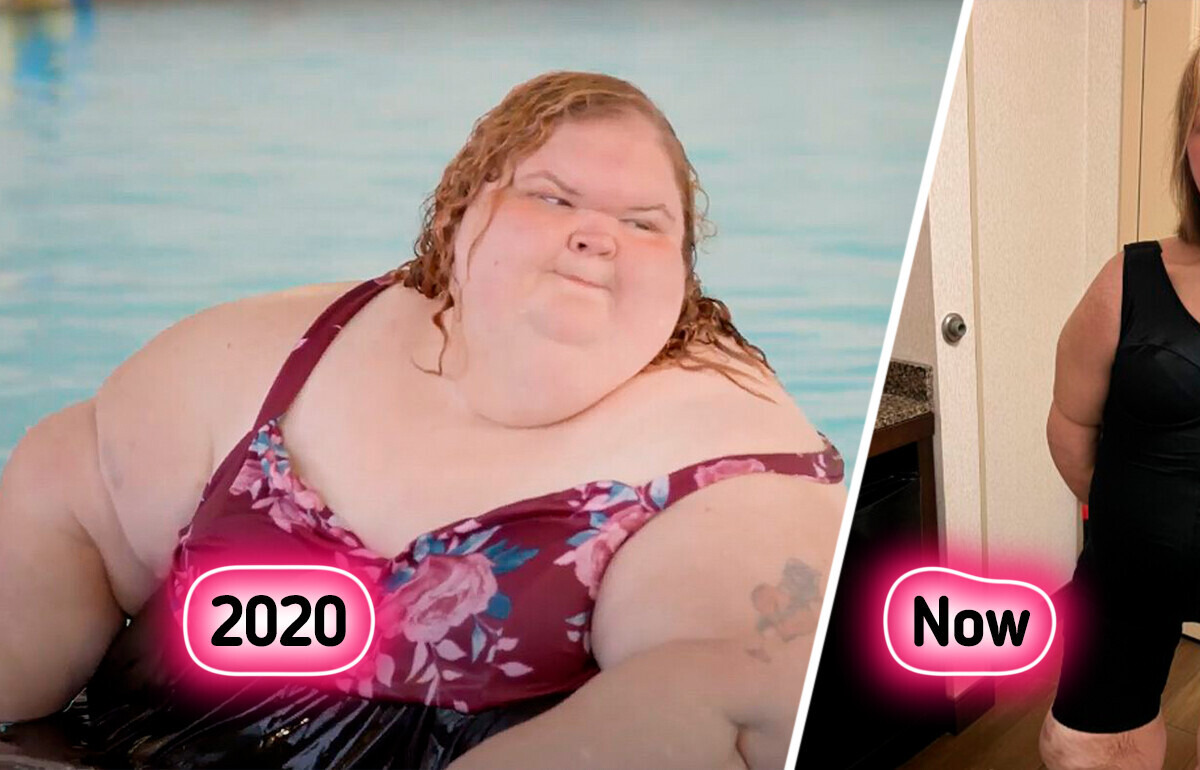
The skin removal surgery before and after results for TLC’s 1000-Lb. Sisters stars Tammy Slaton and Amy Slaton-Halterman showcase dramatic physical transformations following extreme bariatric weight loss. After losing hundreds of pounds combined, both sisters sought body contouring procedures like panniculectomy and brachioplasty to remove heavy excess skin folds, improve mobility, and resolve chronic skin irritation.
Disclaimer: This article is for informational purposes only and does not constitute medical advice. Consult a board-certified plastic surgeon or bariatric specialist regarding body contouring options and eligibility.
The Weight Loss Journeys Behind the Transformations
Before understanding the skin removal results seen on 1000-Lb. Sisters, it is essential to examine the extreme weight loss that necessitated these complex reconstructive surgeries. Both sisters began their public television journey facing life-threatening obesity, which severely limited their physical mobility, independence, and overall health.
Tammy Slaton recorded a peak weight of approximately 725 pounds, requiring round-the-clock care, supplemental oxygen, and specialized rehabilitation at a medically supervised facility. Following a medically induced coma and tracheostomy due to severe respiratory failure, Tammy achieved the weight loss milestones required to qualify for bariatric surgery. In late 2022, under the care of bariatric surgeon Dr. Eric Smith, she underwent a sleeve gastrectomy. Over the subsequent two years, Tammy accomplished a massive loss of over 440 pounds, dropping her weight below 280 pounds.
Amy Slaton-Halterman began her journey at over 400 pounds. She qualified for gastric bypass surgery in the show's first season after demonstrating initial dietary compliance and weight reduction. Amy successfully lost over 125 pounds, reaching a weight below 250 pounds, which allowed her to realize her goal of starting a family.
While bariatric surgery successfully alters metabolic health and restricts gastric capacity, shedding hundreds of pounds leaves the skin severely stretched. The elastic fibers and collagen structure within the dermis become permanently damaged, preventing the skin from snapping back to fit the body's smaller internal frame. Consequently, both sisters developed massive aprons of loose, hanging skin that posed severe functional, hygiene, and aesthetic challenges.
Tammy Slaton’s Skin Removal Journey: Before and After Results
Tammy Slaton’s visual transformation represents one of the most drastic physical changes recorded on reality television. However, the elimination of over 400 pounds of body tissue left her with massive folds of unsupported skin across her abdomen, upper arms, inner thighs, and neck area.
- Peak Weight: ~725 lbs
- Bariatric Surgery & Diet
- Post-Weight Loss: ~275 lbs
- Body Contouring
- Target Contour
Physical Challenges Before Skin Removal
Prior to undergoing reconstructive procedures, Tammy faced significant physical impairments caused directly by excess tissue:
- Mobility Obstacles: The heavy abdominal apron (pannus) shifted her center of gravity, placing immense strain on her lower back, hips, and knees.
- Chronic Dermatological Issues: Deep skin folds created warm, moist environments prone to severe intertrigo, bacterial infections, and recurrent skin breakdown.
- Weight of Hanging Tissue: Excess skin on the upper arms ("bat wings") and thighs hindered basic range of motion and made finding proper-fitting clothing nearly impossible.
The Surgical Interventions and Results
As documented in later seasons of 1000-Lb. Sisters, Tammy pursued specialized plastic surgery consultations to address body contouring in planned stages. Plastic surgeons generally avoid operating on multiple major body zones simultaneously due to fluid shifts, prolonged anesthesia risk, and wound-healing demands.
- Abdominal Panniculectomy: Surgery to excise the large apron of hanging tissue below the belly button. This procedure instantly removed tens of pounds of dead-weight skin, dramatically changing her front silhouette and easing gait mechanics.
- Brachioplasty (Arm Lift): Excision of redundant tissue stretching from the axilla (armpit) to the elbow, allowing for improved arm mobility and normal sleeve fitment.
- Thigh and Neck Contouring: Targeted removal of loose tissue to restore anatomical symmetry and relieve localized tissue dragging.
The before-and-after results for Tammy extend beyond visual changes. Post-surgery, her waistline is significantly narrower, her posture is upright, and she operates without the physical drag of redundant skin folds. Most importantly, removing the excess tissue permitted unassisted walking, easier vehicle travel, and independent performance of daily personal care.
Amy Slaton’s Post-Bariatric Body Contouring Experience
Amy Slaton’s experience highlights the unique timing and planning considerations required when combining mass weight loss, plastic surgery, and pregnancy. After losing significant weight following her gastric bypass, Amy faced residual abdominal laxity.
- Initial Weight: ~406 lbs
- Gastric Bypass
- Weight Reduction
- Pregnancies
- Abdominal Laxity Evaluation
Impact of Pregnancy on Skin Contouring
Plastic surgeons strongly advise patients to delay definitive body contouring procedures—such as full abdominoplasty—until they have finished expanding their families. Pregnancy stretches abdominal rectus muscles and cutaneous tissue, which can compromise or undo the structural tightening achieved during body contouring.
Amy navigated two post-bariatric pregnancies, which naturally altered her abdominal wall and skin elasticity. After completing her pregnancies and achieving a stable post-partum weight, she explored reconstructive options to target the remaining tissue stretching across her midsection. Her results illustrate the necessity of delaying major contouring operations until weight stabilization and family planning goals align.
Technical Breakdown of Post-Bariatric Body Contouring Procedures
Reconstructive body contouring following massive weight loss involves specialized techniques distinct from standard cosmetic plastic surgery. The table below outlines the primary procedures utilized by post-bariatric patients, including those featured on 1000-Lb. Sisters.
| Procedure Name | Target Body Region | Primary Surgical Objective | Typical Recovery Time | Common Insurance Coverage Status |
|---|---|---|---|---|
| Panniculectomy | Lower Abdomen | Excision of hanging abdominal apron (pannus) without muscle tightening. | 4 – 6 Weeks | Covered if medically necessary (severe chafing, recurrent infections). |
| Full Abdominoplasty | Complete Midsection | Removal of excess skin, repositioning of belly button, and repair of separated rectus muscles. | 6 – 8 Weeks | Frequently classified as cosmetic; rarely covered by base insurance policies. |
| Brachioplasty | Upper Arms | Surgical trimming of loose upper-arm skin from armpit to elbow joint. | 2 – 4 Weeks | Rarely covered; primarily out-of-pocket unless severe functional impairment is proven. |
| Medial Thigh Lift | Inner Thighs | Excision of saggy inner-thigh skin to eliminate friction during locomotion. | 4 – 6 Weeks | Occasionally covered if mobility impairment or chronic ulceration exists. |
| Lower Body Lift | Circumferential (Hips, Waist, Buttocks) | 360-degree excision of loose beltline tissue to lift buttocks, thighs, and lower abdomen. | 8 – 12 Weeks | Out-of-pocket / Elective in the vast majority of cases. |
Medical Prerequisites and Eligibility for Excess Skin Removal
Surgeons enforce strict health and weight criteria before approving post-bariatric patients for major body contouring. Removing large swathes of tissue creates extensive surgical wounds, requiring robust healing capabilities and physiological stability.
| Body Contouring Surgical Prerequisites |
|---|
| 1. Stable Weight Maintenance (6 to 12 Consecutive Months) |
| 2. Target BMI Threshold Achieved (Typically under 30–35) |
| 3. Complete Nutritional Optimization (Protein, Vitamin Levels) |
| 4. Cessation of All Nicotine / Tobacco Products |
| 5. Psychiatric Readiness and Realistic Outcome Expectations |
1. Weight Stability Timeline
Patients must maintain a stable weight for at least 6 to 12 consecutive months before undergoing skin removal. Weight fluctuations after skin excision can compromise wound healing, create asymmetrical skin draping, or cause new skin stretches.
2. Body Mass Index (BMI) Thresholds
Most board-certified plastic surgeons require candidates to reach a BMI under 35—and ideally under 30—before undergoing elective skin removal. Operating on patients with elevated BMIs significantly increases the incidence of post-operative complications, including:
- Seromas: Fluid collections accumulating beneath closed skin flaps.
- Wound Dehiscence: Separation of surgical incision lines due to high tension or poor tissue perfusion.
- Deep Vein Thrombosis (DVT): Blood clots forming in the lower extremities during prolonged anesthesia and initial immobility.
3. Nutritional and Lifestyle Clearance
Massive weight loss patients, particularly those who underwent malabsorptive bariatric procedures like gastric bypass, are at risk for nutritional deficiencies. Surgeons demand comprehensive lab work verifying adequate serum albumin, total protein, vitamin D, and iron levels to ensure adequate tissue healing. Additionally, complete nicotine cessation is mandatory for months prior to surgery, as nicotine constricts microvascular capillaries and causes skin flap necrosis.
Recovery Challenges and Health Benefits Beyond Aesthetics
While television programs emphasize visual transformations, recovering from mass skin removal is a demanding physical process that carries substantial health benefits.
The Post-Operative Recovery Process
Recovery from post-bariatric skin removal requires structured surgical care:
- Surgical Drains: Jackson-Pratt (JP) drains are routinely placed beneath skin flaps to evacuate lymphatic fluid and blood, remaining in place for 1 to 3 weeks.
- Compression Garments: Medical-grade girdles or sleeves must be worn continuously for 6 to 12 weeks to minimize edema, support healing tissues, and encourage skin adherence to underlying body structures.
- Activity Restrictions: Heavy lifting, strenuous exercise, and abdominal bending are strictly prohibited for at least six weeks to prevent suture tearing.
Physical and Psychological Benefits
The functional health gains resulting from successful skin removal often outweigh the aesthetic changes:
- Relief from Physical Burden: Removing 15 to 30 pounds of hanging skin reduces shear stress on the lumbar spine and improves gait balance.
- Elimination of Intertriginous Dermatitis: Excising chronic skin folds permanently resolves recurring fungal infections, ulcerations, and associated odor.
- Psychological Closure: For patients like Tammy Slaton, removing excess skin marks the final stage of a multi-year weight loss effort, bringing body image into alignment with actual metabolic achievements.
Frequently Asked Questions
How much weight in excess skin can be removed during surgery?
Depending on the patient's starting weight and degree of skin laxity, skin removal procedures can eliminate anywhere from 10 to over 40 pounds of redundant skin and subcutaneous fat. In massive weight loss cases like Tammy Slaton's, multi-stage procedures frequently remove tens of pounds of tissue across different body areas.
What is the difference between a panniculectomy and a tummy tuck?
A panniculectomy strictly removes the hanging apron of skin and fat (the pannus) below the abdomen without tightening the underlying abdominal wall muscles or repositioning the belly button. A tummy tuck (abdominoplasty) is a cosmetic procedure that surgically tightens loosened abdominal rectus muscles, repositioning the umbilicus to create a smooth, contoured waistline.
Does health insurance cover excess skin removal after bariatric weight loss?
Health insurance sometimes covers a panniculectomy if it is documented as medically necessary. Insurance approval typically requires photographic evidence of recurrent rashes (intertrigo), non-healing ulcers, or physical impairment resistant to prescription topical treatments for 3 to 6 months. Aesthetic procedures like arm lifts, thigh lifts, and full tummy tucks are rarely covered and must be paid out-of-pocket.
How long after bariatric surgery must a patient wait before getting skin removal?
Most plastic surgeons recommend waiting 12 to 18 months after bariatric surgery before undergoing skin removal. This timeline ensures that the patient has completed active weight loss, achieved a stable plateau, and corrected any nutritional deficiencies common to rapid weight reduction.
Can excess skin snap back naturally without surgery after mass weight loss?
No. When an individual gains hundreds of pounds, the skin stretches beyond its natural elastic limit, rupturing collagen and elastin fibers in the dermal layer. Once severe tissue expansion occurs over a prolonged period, natural skin retraction becomes physiologically impossible, making surgical excision the only method to remove extensive tissue folds.
Navigating Post-Weight Loss Reconstructive Options
For individuals evaluating excess skin removal after bariatric or natural weight loss, structured planning is essential to safe surgical outcomes.
- Achieve Stable Weight: Focus on maintaining a consistent weight for at least six consecutive months using dietary compliance and physical activity.
- Consult a Board-Certified Specialist: Seek out a plastic surgeon certified by the American Board of Plastic Surgery (ABPS) who specializes in post-bariatric body contouring.
- Document Medical Complications: Work with a primary care provider to document chronic skin fold rash, fungal infections, or back pain. Detailed medical records are essential if submitting claims for insurance coverage of a panniculectomy.
- Plan Stage-by-Stage Surgeries: Recognize that complete body reconstruction often requires phased procedures separated by 3 to 6 months to allow proper healing and safe recovery.