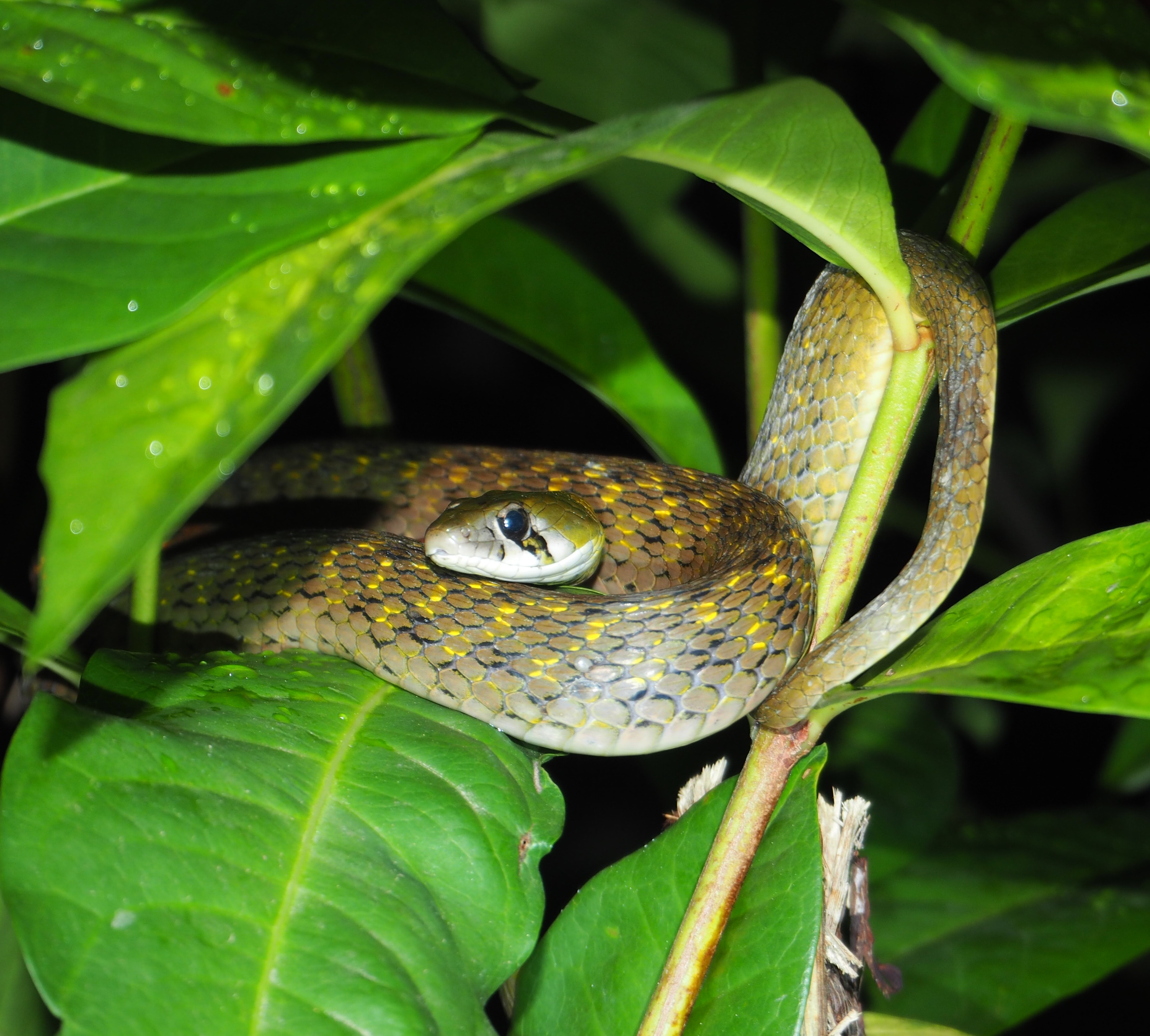
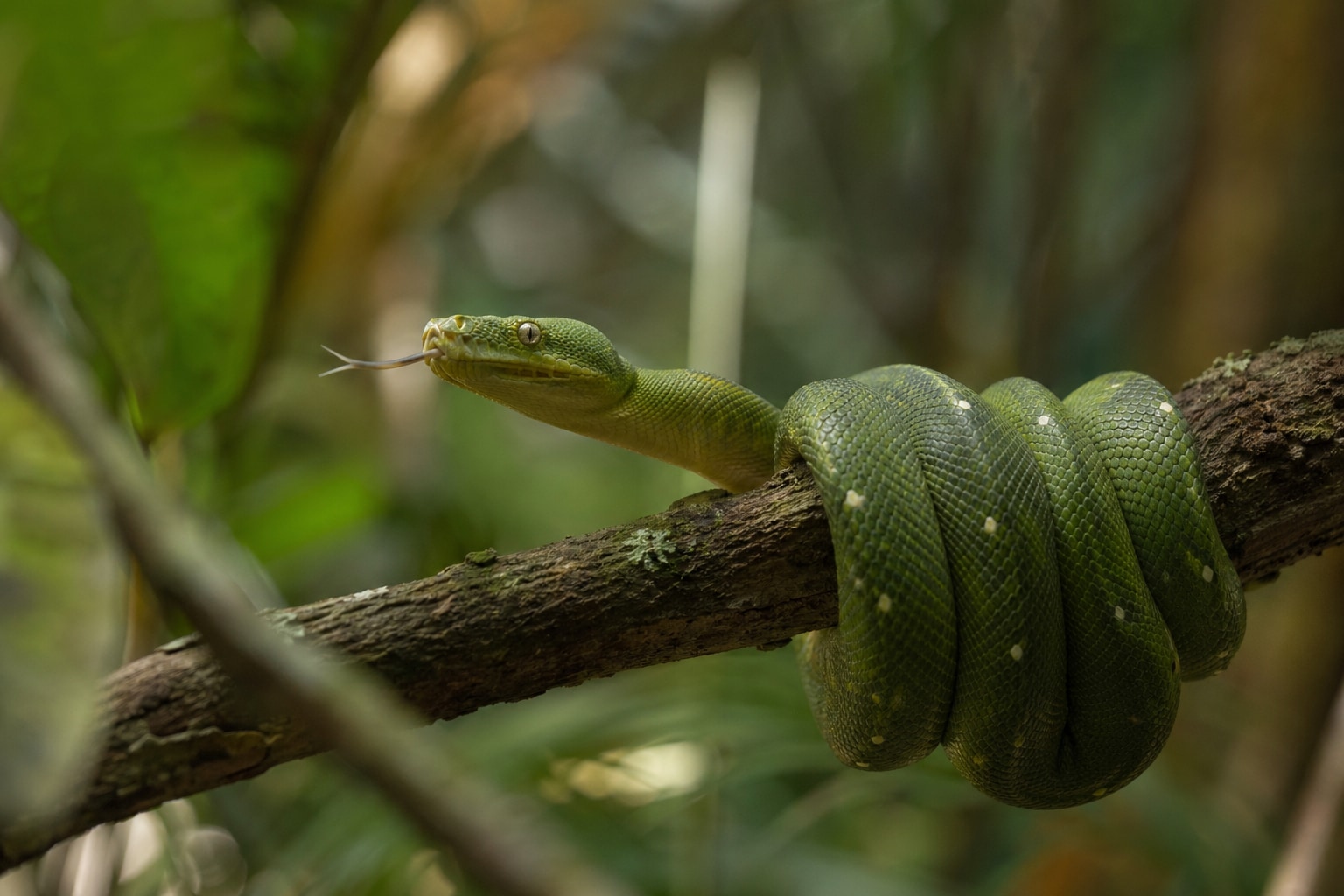
"100 snakes: the ultimate slithering surprise" represents an educational dive into one hundred notable serpent species spanning diverse global families, showcasing their remarkable biological adaptations, specialized locomotion techniques, thermal sensory organs, and critical ecological roles. From harmless subterranean burrowers to formidable apex predators, this overview details snake evolution, defense strategies, captive care considerations, and essential field safety protocols.
Understanding Snake Diversity Across Major Families
Snakes belong to the suborder Serpentes within the order Squamata, comprising over 3,900 extant species worldwide. A survey of 100 representative snakes highlights the extraordinary evolutionary diversification that allows these limbless reptiles to occupy almost every terrestrial, arboreal, subterranean, and aquatic niche on Earth, excluding only polar regions and a few isolated islands.
- Squamata (Order)
- Serpentes (Suborder)
- Viperidae (Vipers & Pit Vipers)
- Elapidae (Cobras, Mambas, Coral Snakes, Sea Snakes)
- Boidae & Pythonidae (Boas & Pythons)
- Colubridae (Colubrids & Rear-Fanged Species)
- Scolecophidia (Blind & Thread Snakes)
- Serpentes (Suborder)
Viperidae (Vipers and Pit Vipers)
The Viperidae family includes some of the most specialized venom delivery systems in the animal kingdom. Members are characterized by long, hinged fangs located at the front of the maxilla that fold back against the roof of the mouth when closed. Subfamily Crotalinae (pit vipers) features heat-sensing loral pits located between the eye and nostril, enabling precise nocturnal targeting of warm-blooded prey. Key examples within a 100-snake survey include the Gaboon viper (Bitis gabonica), eastern diamondback rattlesnake (Crotalus adamanteus), and bushmasters (Lachesis spp.).
Elapidae (Cobras, Mambas, and Sea Snakes)
Elapids possess proteroglyphous dentition—short, fixed fangs positioned at the front of the upper jaw. This family includes many of the world's most neurotoxic species, such as the king cobra (Ophiophagus hannah), black mamba (Dendroaspis polylepis), coastal taipan (Oxyuranus scutellatus), and yellow-bellied sea snake (Hydrophis platurus). Elapids display varied defense mechanisms, ranging from hood flaring and vertical posturing to venom spitting.
Boidae and Pythonidae (Boas and Pythons)
Boas and pythons represent primitive snake lineages retaining vestigial pelvic girdles and hind-limb spurs. These non-venomous constrictors rely on powerful musculature to restrict prey circulation and respiration. Boas (Boidae) are primarily live-bearing (viviparous) and concentrated in the Americas, whereas pythons (Pythonidae) are egg-laying (oviparous) and indigenous to Africa, Asia, and Australia. Notable representatives include the green anaconda (Eunectes murinus) and the reticulated python (Malayopython reticulatus).
Colubridae (The Largest Serpent Family)
Colubridae encompasses over 50% of all snake species. While the vast majority are harmless to humans (such as corn snakes, milk snakes, and garter snakes), several rear-fanged (opisthoglyphous) species possess medically significant venom. The boomslang (Dispholidus typus) and twig snake (Thelotornis capensis) use enlarged, grooved teeth at the back of the jaw to yield potent hemotoxic venom.
The "Surprise" Adaptations: Locomotion, Sensing, and Defense
The key elements behind the snake's evolutionary success lie in its biomechanical and sensory adaptations. Stripped of external limbs, shoulder girdles, and sternums, snakes rely on intricate axial skeleton dynamics and specialized cutaneous structures.
- Snake Biomechanical & Sensory Systems
- Locomotion Modes
- Lateral Undulation (S-curves against terrain)
- Sidewinding (Diagonal movement across loose sand)
- Rectilinear Motion (Straight crawling via ventral scutes)
- Concertina Locomotion (Accordion-style pushing/pulling)
- Sensory Apparatus
- Jacobson's Organ (Vomeronasal chemoreception via fork tongue)
- Loral Pit Organs (Infrared heat detection down to 0.003°C)
- Spectacle / Brille (Clear scale protecting lidless eyes)
- Defensive Adaptations
- Batesian Mimicry (Harmless species copying venomous patterns)
- Thanatosis (Death-feigning, e.g., Hognose snakes)
- Autotomy & Acoustic Warnings (Rattles, tail shaking, huffing)
- Locomotion Modes
The Four Modes of Snake Locomotion
Snakes employ four distinct physical movements depending on body structure, substrate density, and speed requirements:
- Lateral Undulation: The standard S-shaped movement where the snake pushes laterally against environmental contact points like rocks, vegetation, or surface rough spots.
- Sidewinding: Utilized predominantly by desert-dwelling species like the sidewinder rattlesnake (Crotalus cerastes) and the Saharan horned viper (Bitis cerastes). By lifting sections of its body off the ground and throwing them forward diagonally, the snake minimizes contact with blistering sands and prevents slippage.
- Rectilinear Motion: A straight-line movement powered by alternating contractions of the rib muscles and large ventral scutes (belly scales). Heavy-bodied constrictors and large vipers use this slow, silent movement when stalking prey.
- Concertina Locomotion: An accordion-like movement where the snake anchors its posterior body while reaching forward with the front, then pulls the rear forward. This is essential for navigating tight tunnels and climbing vertical trunks.
Advanced Sensory Systems
Snakes perceive their environment through specialized sensory organs:
- Vomeronasal System (Jacobson’s Organ): The characteristic flicking of a snake's bifurcated (forked) tongue collects chemical particles from the air and substrate. The tongue tips deliver these chemicals to dual pits in the roof of the mouth, allowing the brain to map precise directional scent gradients.
- Infrared Pit Organs: Pit vipers, pythons, and some boas possess specialized pit organs lined with thermoreceptors containing TRPA1 protein channels. This allows them to create a thermal image of their surroundings, detecting temperature variations as small as 0.003°C even in complete darkness.
- Ocular Adaptations and Brille: Snakes lack movable eyelids. Instead, a transparent scale called the spectacle (or brille) covers and protects the cornea. Pupil shapes reflect activity patterns: vertical slits are common in nocturnal ambush predators, while round pupils usually indicate diurnal visual hunters.
Comparing 100 Major Snake Categories and Key Profiles
To better understand the vast array of snakes featured across educational collections, the following matrix categorizes major snake groups by habitat, primary hunting mechanism, toxicity profile, and notable physiological traits.
| Snake Group / Representative Species | Primary Global Habitat | Hunting & Capture Mechanism | Toxicity / Venom Profile | Key Biological "Surprise" Feature |
|---|---|---|---|---|
| Gaboon Viper(Bitis gabonica) | African Rainforests | Ambush strike | Highly Cytotoxic & Hemotoxic | Longest fangs of any snake (up to 2 inches / 5 cm); extreme leaf-litter camouflage. |
| King Cobra(Ophiophagus hannah) | South & SE Asian Forests | Active hunting | Potent Neurotoxic | World's longest venomous snake; feeds almost exclusively on other snakes (ophiophagy). |
| Reticulated Python(Malayopython reticulatus) | SE Asian Tropical Forests | Ambush / Constriction | Non-venomous | World's longest snake species; capable of expanding jaw articulations to swallow large prey. |
| Boomslang(Dispholidus typus) | Sub-Saharan Savannas | Arboreal active search | Potent Hemotoxic (Rear-fanged) | Vertical neck inflation during threat displays; binocular vision provided by keyhole-shaped pupils. |
| Eastern Hognose(Heterodon platirhinos) | North American Woodlands | Foraging / Digging | Mildly Venomous (Toads) | Displays death-feigning behavior (thanatosis), rolling onto its back and emitting foul musk. |
| Yellow-bellied Sea Snake(Hydrophis platurus) | Indo-Pacific Oceans | Pelagic surface drift | Highly Neurotoxic | Entirely marine life cycle; paddle-shaped tail and skin capable of cutaneous gas exchange. |
| Paradise Tree Snake(Chrysopelea paradisi) | Asian Rainforest Canopy | Arboreal leap / Gliding | Mildly Venomous (Invertebrates) | Flattens body into a concave ribbon to glide up to 100 meters between tree crowns. |
| Inland Taipan(Oxyuranus microlepidotus) | Semi-arid Central Australia | Burrow hunting | Extremely Potent Neurotoxic | Most toxic venom of any land snake per drop; changes skin shade seasonally to regulate heat. |
Safety, Field Identification, and Coexistence Protocols
Encountering snakes in the wild or around residential perimeters often generates unnecessary panic due to common misconceptions. Establishing reliable identification habits and adherence to medical guidelines reduces conflict and injury risks.
Debunking Common Identification Myths
Visual markers are frequently misapplied by non-specialists trying to separate venomous from non-venomous species:
Head Shape Limitations: Many non-venomous colubrids (such as garter snakes, water snakes, and hognose snakes) intentionally flatten their skulls into a broad triangle when threatened to mimic vipers. Head shape alone is not a definitive toxicity indicator.
Pupil Shape Distinctions: Pupil shape correlates primarily with light levels and hunting strategy rather than venom capacity. Many deadly elapids (including mambas and cobras) possess round pupils, while harmless nocturnal snakes may display vertical slits.
Rattle Presence: While rattlesnakes possess segment-added keratin rattles, many non-venomous snakes (such as rat snakes and bullsnakes) rapidly vibrate their tails against dry leaves, producing an audible rattle imitation.
Wild Snake Encounter Protocol
- Stop Movement (Freeze immediately upon sighting)
- Maintain Distance (Back away slowly; keep at least 2 meters / 6 feet separation)
- Do Not Corner or Poke (Over 80% of bites occur during capture/killing attempts)
- Emergency Bite Response (If bitten)
- DO: Keep victim calm, remove rings/watches, immobilize limb, call 911/EMS.
- DO NOT: Cut wound, apply ice, use tourniquets, or attempt venom suction.
Action Steps for Emergency Snakebite Response
If a venomous snakebite occurs, proper immediate field response is critical. Standardized wilderness and emergency medical protocols emphasize the following:
- Immediate Retreat: Move the victim out of the snake's striking range immediately to prevent secondary envenomation.
- Systemic Immobilization: Keep the victim calm and still to slow lymphatic circulation. Immobilize the bitten extremity using a splint, keeping it at or near heart level.
- Remove Constricting Items: Strip away tight clothing, rings, bracelets, or shoes near the bite site before localized tissue swelling begins.
- Professional Medical Evacuation: Transport the victim immediately to a hospital equipped with species-appropriate antivenom (antivenin). Call emergency services as early as possible.
- Avoid Counterproductive Interventions: Do not apply tourniquets or arterial clamps. Do not cut into the bite wounds, use mechanical suction pumps, apply ice, or administer electrical shocks. These legacy practices cause severe localized necrosis, accelerate tissue loss, and fail to reduce systemic venom load.
For comprehensive bite treatment guidelines and regional antivenom details, refer to the World Health Organization Snakebite Envenoming Information Portal.
Responsible Herpetology, Captive Care, and Conservation
Herpetology balances wild species conservation with captive husbandry practices. Understanding species requirements ensures both animal welfare and human safety.
Husbandry Requirements for Captive Keepers
Amateur and professional herpetoculturists must evaluate husbandry complexity before taking on snake species.
Beginner Species: Corn snakes (Pantherophis guttatus), ball pythons (Python regius), and California kingsnakes (Lampropeltis californiae) are ideal choices due to moderate sizing, docile temperaments, and simple environmental parameter management.
Advanced & Restricted Species: Large constrictors (e.g., reticulated pythons, Burmese pythons) require multi-person handling protocols and expansive custom enclosures. Venomous species ("hot" snakes) mandate specialized handling gear (hooks, shift boxes), facility permits, and direct access to local antivenom stocks.
Environmental Controls: Captive snakes require a defined thermal gradient inside their enclosure (warm basking zone vs. cool zone), monitored via digital thermostats. Ambient humidity, proper substrate selection, and secure locking lid mechanisms are essential for basic physiological upkeep and escape prevention.
Captive Snake Care Checklist
- Thermal Gradient (Basking zone vs. Cool zone monitored via digital thermostat)
- Relative Humidity (Species-appropriate moisture levels to ensure healthy ecdysis)
- Secure Enclosure (Escape-proof terrarium with locking latches)
- Hydration & Hide Boxes (Fresh water bowl + minimum two secure hide shelters)
- Ethical Prey Sourcing (Pre-killed or frozen-thawed rodents to avoid live bite injuries)
Conservation Threats Facing Global Snake Populations
Snake populations face severe ecological pressures worldwide:
- Habitat Destruction and Fragmentation: Urban sprawl and agricultural clearing sever migratory corridors, fragmenting breeding populations and driving road mortality.
- Emerging Pathogens: Snake Fungal Disease (SFD), caused by the fungal pathogen Ophidiomyces ophiodiicola, poses severe mortality threats to wild populations across North America and Europe, damaging skin tissues and inhibiting feeding behavior.
- Persecution Driven by Ophidiophobia: Irrational fear leads to mass eradication, wanton killing, and illegal rattlesnake roundups, disrupting local ecosystems where snakes control agricultural rodent pests and disease-carrying tick populations.
- Invasive Species Pressure: Invasive predators, including feral cats, mongoose, and cane toads, decimate endemic island snake lineages lacking evolved defensive responses.
To support reptile conservation research and map wild populations, explore the research databases maintained by the IUCN Red List of Threatened Species.
Actionable Guidance for Naturalists and Herpetology Enthusiasts
Navigating the world of snake biodiversity requires combining field safety with active ecological learning. Naturalists, students, and prospective keepers can take concrete steps to deepen their understanding of serpent biology while promoting wildlife conservation:
- Invest in Regionally Specific Field Guides: Equip yourself with localized herpetological guides published by state universities or wildlife departments to learn precise range maps, color variations, and seasonal activity shifts.
- Utilize Citizen Science Apps: Document wild observations on platforms such as iNaturalist or HerpMapper. Uploading clear photos with geographic tags assists researchers in tracking population densities, range shifts, and disease outbreaks.
- Practice Safe Field Techniques: When studying wild reptiles, use flip-sticks or snake hooks to lift rocks and boards, ensuring items are rolled back into place to protect delicate microhabitats. Never place hands into dark crevices, hollow logs, or thick brush where visibility is obstructed.
- Support Educational Outreach Programs: Help combat negative stereotypes by supporting local nature centers and educational organizations that promote non-lethal snake removal, public education, and habitat preservation.
Frequently Asked Questions
What makes a snake's slithering movement efficient despite having no limbs?
Snake locomotion relies on a combination of flexible spinal columns—containing up to 400 vertebrae—and specialized muscular contractions. By distributing lateral pressure against ground obstacles, utilizing friction-generating ventral scales, and employing specialized movement types like sidewinding or rectilinear crawling, snakes move across land, water, and trees with minimal energy expenditure.
How can you quickly tell if a snake is venomous?
There is no single universal visual indicator for distinguishing venomous from non-venomous snakes worldwide. Common rules like pupil shape, head width, or scale patterns have numerous exceptions across different continents and families. The safest strategy is to learn the specific venomous species endemic to your local area, maintain a respectful distance from all wild snakes, and avoid touching any unidentified reptile.
Are all 100 major snake species dangerous to human beings?
No. The vast majority of the world's snake species are non-venomous and present no material threat to human safety. Less than 15% of all snake species possess venom capable of inflicting medically significant harm on humans. Non-venomous snakes provide beneficial ecosystem services by keeping agricultural pest populations and disease vectors under control.
What is the most surprising evolutionary trait found in modern snakes?
Among the most remarkable snake adaptations are infrared heat-sensing pit organs capable of detecting microscopic thermal differences, along with cranial kinesis. Cranial kinesis allows snakes to unhinge their lower jaws and expand their skull bones laterally, enabling them to ingest prey items much larger than their own head diameter.
What should you do if bitten by an unidentified wild snake?
Treat every unidentified snakebite as a potential medical emergency. Keep the victim completely still and calm, remove tight clothing or jewelry around the wound, immobilize the affected limb at heart level, and seek immediate transport to an emergency medical facility. Never cut the wound, attempt to suck out the venom, or apply ice or tight tourniquets.