Jim Carrey’s journey from living in a camper van in Ontario to becoming Hollywood’s first $20-million comedy actor is a study in extraordinary perseverance, unmatched physical comedy, and deep dramatic reinvention. Behind his legendary slapstick persona lies a complex artist who redefined comedic cinema in 1994 and later transformed into an insightful painter, dramatic lead, and philosopher.
Canadian Beginnings and Early Hardships
Understanding the ultimate truth behind Jim Carrey's iconic slapstick persona requires examining his formative years in Canada, where severe financial adversity molded his desperate drive to entertain.
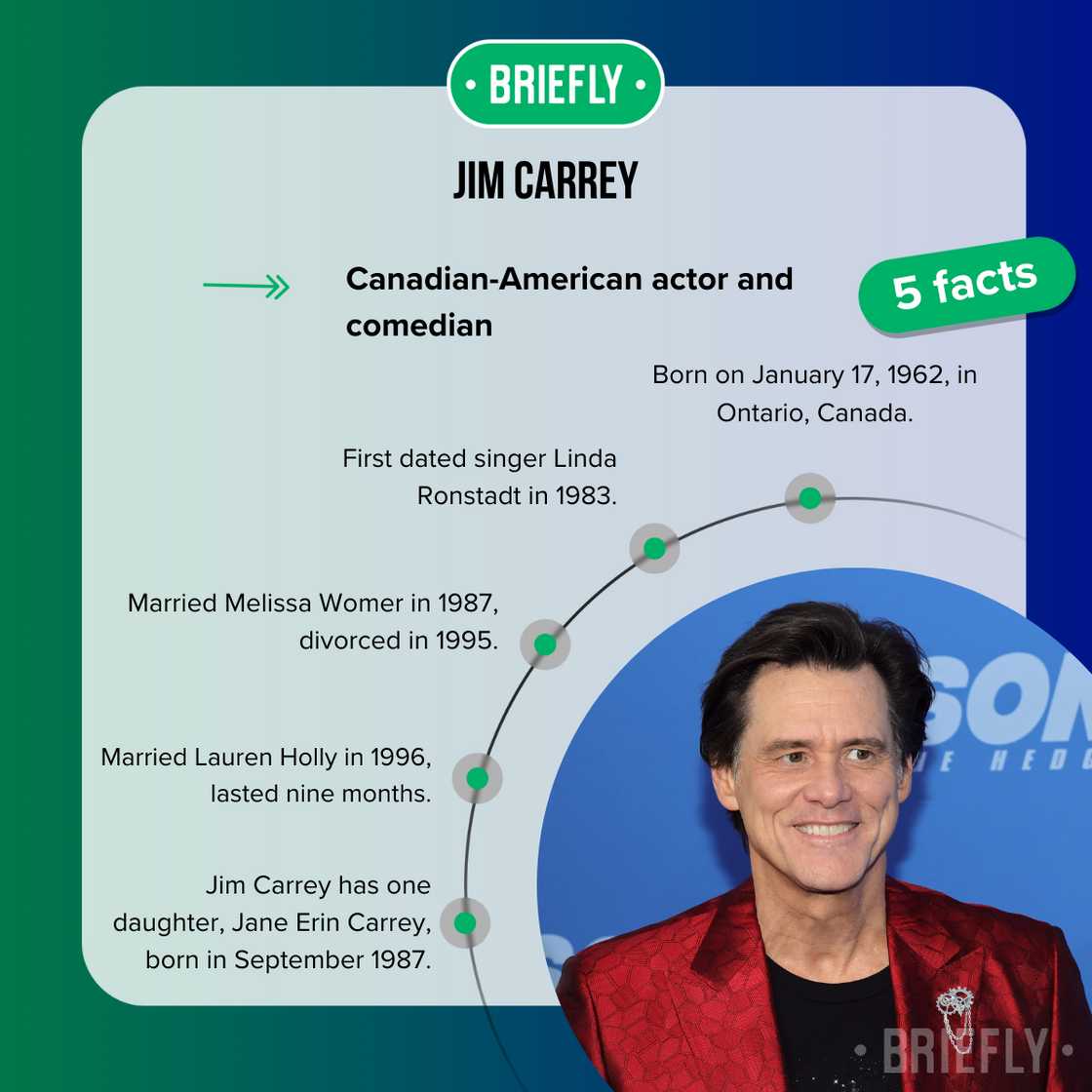
- Birthplace and Family Background: James Eugene Carrey was born on January 17, 1962, in Newmarket, Ontario, Canada. He was the youngest of four children born to Percy Carrey, an accountant and amateur saxophonist, and Kathleen Carrey, a homemaker.
- French-Canadian Heritage: His surname was originally Carré, tracing back to French-Canadian ancestors who settled in Canada generations earlier.
- Childhood Hypochondria: As a child, Carrey developed an intense focus on health due to his mother’s chronic illnesses, often performing exaggerated physical comedy at home to cheer her up and distract her from pain.
- The Financial Crisis: When Carrey was a teenager, his father lost his accounting job, plunging the family into sudden poverty. The family was forced to leave their suburban home and relocate to Scarborough, Ontario.
- Living in a Camper Van: During their hardest financial period, the Carrey family lived out of a Volkswagen camper van parked on relatives' property and occasionally pitched tents in local parks.
- Factory Work at 15: To keep the family afloat, Carrey and his siblings took jobs at Titan Wheels, a tire factory in Scarborough. Carrey worked eight-hour night shifts after school as a janitor and security guard.
- High School Dropout: The physical and mental exhaustion of working night shifts while attending Agincourt Collegiate Institute caused Carrey's grades to plummet. At age 16, he made the difficult decision to drop out of high school permanently.
- First Stand-Up Bomb: Carrey made his stand-up comedy debut at age 15 at Toronto’s famous Yuk Yuk’s comedy club. Dressed in a yellow polyester suit chosen by his mother, his heavily rehearsed impressionist set bombed, and he was booed off the stage.
- Two-Year Retreat: Devastated by his initial failure, Carrey stayed off the comedy stage for nearly two years, using the time to refine his routine, master voice control, and study physical impressionists.
- Return and Triumph: When Carrey returned to Yuk Yuk’s at age 17, his reinvented act was a massive success. Within a year, he became a headline act across Toronto's comedy circuit.
- Rodney Dangerfield's Discovery: Legendary comedian Rodney Dangerfield caught Carrey’s Toronto act in 1980, was instantly impressed by his physical flexibility, and hired the 19-year-old as his opening act for a national tour.
- Move to Los Angeles: Armed with Dangerfield’s endorsement, Carrey permanently relocated to Los Angeles in the early 1980s, becoming a regular performer at Mitzi Shore's famous Comedy Store on the Sunset Strip.
The Breakthrough Era and the Unprecedented 1994 Trifecta
Carrey’s rise in Hollywood was not instantaneous; it was built on years of supporting roles, short-lived television shows, and meticulous practice before achieving an unprecedented box-office explosion in 1994.
THE 1994 BOX-OFFICE explosion
- February 1994
- Ace Ventura: Pet Detective
- Gross: $107 Million
- Budget: $15 Million
- July 1994
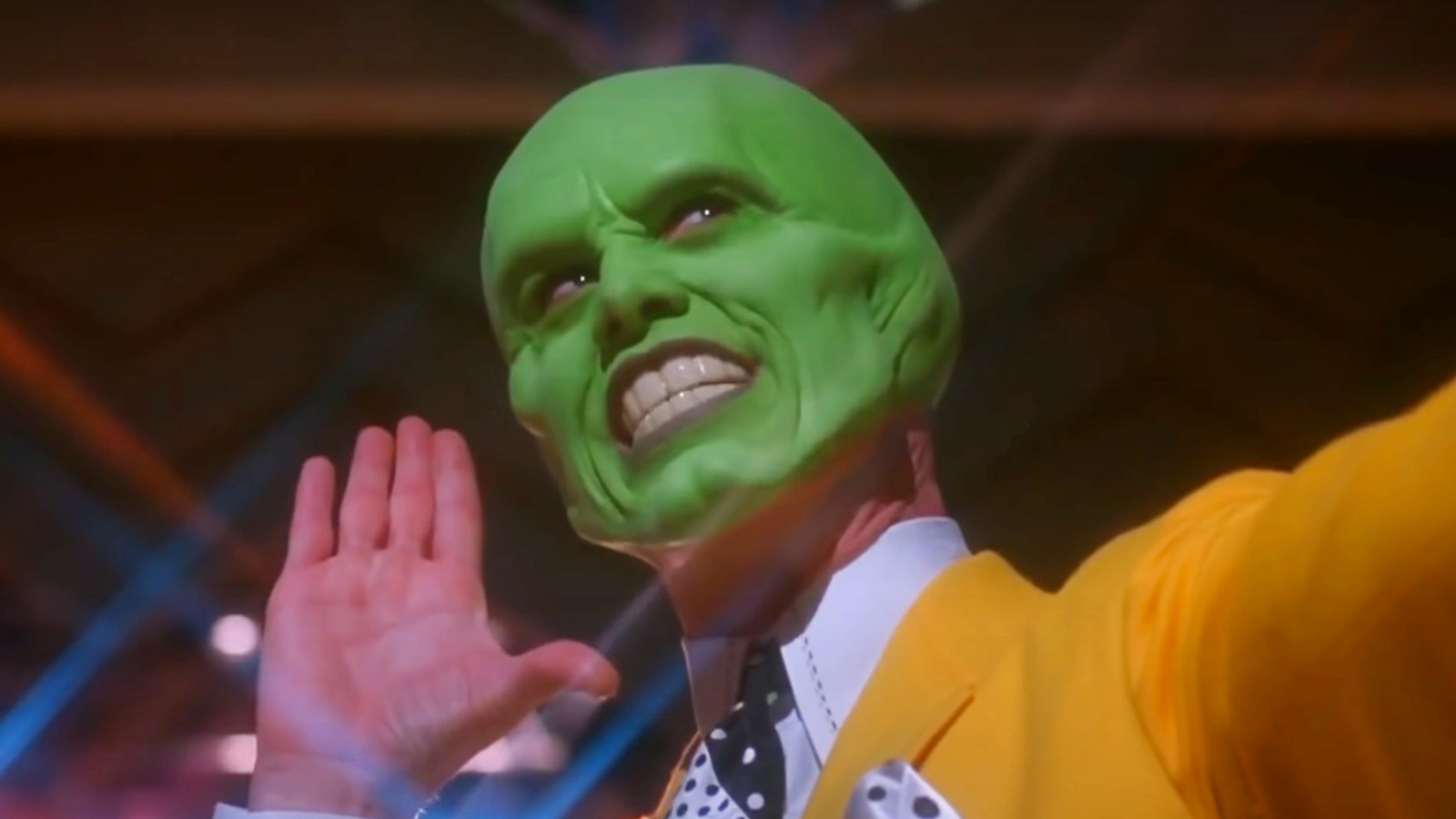
- The Mask
- Gross: $351 Million
- VFX Savings via Physical Flexibility
- December 1994
- Dumb and Dumber
- Gross: $247 Million
- Self-Chipped Tooth
- Est. Star Status
- Early Television Debut: Carrey landed his first major American television starring role in the short-lived 1984 NBC sitcom The Duck Factory, playing a young animator.
- Feature Film Debut: His first leading role in a feature film came in the 1985 teen vampire comedy Once Bitten, co-starring Lauren Hutton.
- Working with Clint Eastwood: Carrey appeared alongside Clint Eastwood in the 1988 Dirty Harry film The Dead Pool, playing an addicted rock musician who lip-syncs to Guns N' Roses' "Welcome to the Jungle."
- Supporting Alien Role: He starred as a red-furred alien alongside Jeff Goldblum and Damon Wayans in the 1988 cult musical comedy Earth Girls Are Easy.
- The In Living Color Breakthrough: In 1990, Carrey joined the ensemble cast of Keenen Ivory Wayans' ground-breaking sketch comedy show In Living Color. He was the only white male cast member during the show’s primary run.
- Fire Marshal Bill: On In Living Color, Carrey created the wildly popular character Fire Marshal Bill, an insanely reckless safety inspector whose extreme self-mutilation gags drew both massive ratings and public criticism.
- Vera De Milo: Another iconic sketch persona was Vera De Milo, a heavily muscled, hyper-aggressive female bodybuilder with a distinct, disturbing laugh.
- Ace Ventura's Development: Carrey rejected the original script for Ace Ventura: Pet Detective, agreeing to do the project only if he could rewrite major portions of the dialogue to suit his rapid-fire, visual style.
- The Voice of Ace Ventura: Carrey based Ace Ventura’s distinct, cadenced voice on a combination of his early stand-up impressions and a character voice he developed for In Living Color.
- The 1994 Box-Office Trifecta: Carrey made Hollywood history in 1994 by starring in three back-to-back #1 box-office hits in a single calendar year: Ace Ventura: Pet Detective (February), The Mask (July), and Dumb and Dumber (December).
- Dark Horse Origins of The Mask: The Mask was originally optioned by New Line Cinema as a violent, gory horror film based on the Dark Horse Comics graphic novel series before being rewritten into a musical slapstick vehicle for Carrey.
- Saving Money on Visual Effects: Directors discovered that Carrey’s natural facial flexibility allowed him to perform extreme expressions practically, significantly reducing the visual effects budget for The Mask.
- Coco Bongo Dancing: Carrey performed all his own dance sequences in The Mask, including the elaborate salsa production at the Coco Bongo club alongside Cameron Diaz in her feature debut.
- Chipping His Tooth for Lloyd Christmas: To play the dim-witted Lloyd Christmas in Dumb and Dumber, Carrey had his dentist remove a dental cap from his front tooth, exposing a genuine chip he had suffered in a childhood playground fight.
- Dumb and Dumber Pay Jump: While co-star Jeff Daniels was paid approximately $50,000 for Dumb and Dumber, Carrey's fee soared to $7 million following the massive success of Ace Ventura earlier that year.
Iconic Roles and Behind-the-Scenes Secrets
As Carrey established himself as Hollywood’s premier comedy star, his dedication to physical performance often led to extreme behind-the-scenes production stories.
- The $20 Million Paycheck: Carrey made history with the 1996 dark comedy The Cable Guy, becoming the first actor in cinema history to receive an upfront salary of $20 million for a single film.
- Directing The Cable Guy: The Cable Guy was directed by Ben Stiller and showcased a much darker, unhinged performance from Carrey that initially polarized audience expectations.
- Turning Down Doctor Evil: Carrey was originally offered the role of Doctor Evil in Austin Powers: International Man of Mystery (1997), but had to turn it down due to scheduling conflicts with Liar Liar.
- Doing His Own Stunts in Liar Liar: In Liar Liar (1997), Carrey executed all the violent physical comedy himself, including slamming his body into toilet stalls, trash cans, and walls without using a stunt double.
- The Grinch's Torturous Makeup: Transforming into the lead character for How the Grinch Stole Christmas (2000) required eight and a half hours of prosthetics and makeup application daily.
- CIA Endurance Training: The makeup process for The Grinch was so suffocating that producer Brian Grazer hired a former CIA specialist who trained intelligence operatives to endure physical torture to teach Carrey mental techniques for surviving the grueling routine.
- Yellow Contact Lens Agony: Carrey was required to wear massive yellow contact lenses for The Grinch, which trapped fake snow and grit, causing severe corneal inflammation throughout the shoot.
- Recording "You're a Mean One, Mr. Grinch": Carrey performed several musical numbers for the soundtrack, demonstrating his vocal range under heavy prosthetic teeth.
- Riddler in Batman Forever: Carrey played Edward Nygma (The Riddler) in Joel Schumacher's 1995 blockbuster Batman Forever, drawing heavy inspiration from Frank Gorshin's 1960s television performance.
- Tension with Tommy Lee Jones: While filming Batman Forever, co-star Tommy Lee Jones (who played Two-Face) openly expressed his dislike for Carrey, famously telling him at a restaurant, "I hate you. I really don't like you... I cannot sanction your buffoonery."
- Bruce Almighty's Box Office Power: The 2003 comedy Bruce Almighty, co-starring Morgan Freeman and Jennifer Aniston, grossed over $484 million worldwide, making it Carrey’s highest-grossing comedy lead of all time.
- Lemony Snicket's Transformations: For his role as Count Olaf in Series of Unfortunate Events (2004), Carrey spent three hours daily in makeup and improvised vast portions of Olaf's theatrical monologues.
- Improvising in Sonic the Hedgehog: As Dr. Robotnik in the 2020 film Sonic the Hedgehog and its sequels, Carrey was granted total freedom by director Jeff Fowler to improvise physical choreography and bizarre dialogue riffs.
Dramatic Reinvention and Method Immersion
Carrey’s career underwent a dramatic evolution in the late 1990s as he moved away from pure slapstick to deliver critically acclaimed, deeply emotional performances.
DRAMATIC REINVENTION TIMELINE
- 1998
- The Truman Show
- Role: Truman Burbank
- Result: Golden Globe Win
- Style: Quiet Vulnerability
- 1999
- Man on the Moon
- Role: Andy Kaufman
- Result: Golden Globe Win
- Style: Complete Method Immersion
- 2004
- Eternal Sunshine
- Role: Joel Barish
- Result: BAFTA & Golden Globe Nominations
- Style: Restrained Grief
- The Truman Show (1998): Director Peter Weir cast Carrey as Truman Burbank, a man unaware his entire life is a live reality television show. Weir specifically wanted Carrey's underlying manic energy to represent Truman's internal breakdown.
- Pay Cut for Truman: Carrey took a significant pay cut from his usual $20 million salary to star in The Truman Show, prioritizing artistic expansion over commercial compensation.
- First Golden Globe Win: Carrey won the Golden Globe Award for Best Actor in a Motion Picture – Drama for The Truman Show in 1999.
- The Oscar Snub: Despite winning the Golden Globe, Carrey was controversially omitted from the Best Actor nominations at the 71st Academy Awards, sparking major industry debates about Hollywood's bias against comedy actors.
- Man on the Moon (1999): Carrey portrayed his personal idol, avant-garde performer Andy Kaufman, in Milos Forman's biographical film Man on the Moon.
- Extreme Method Immersion: Carrey refused to break character during the entire production of Man on the Moon, demanding that crew members address him only as "Andy Kaufman" or Kaufman's abusive lounge singer alter-ego, "Tony Clifton."
- Clash with Jerry Lawler: While filming recreation scenes of Kaufman's famous professional wrestling feud, Carrey engaged in real physical altercations with wrestling legend Jerry "The King" Lawler, resulting in Carrey being hospitalized with neck injuries.
- The Concealed Documentary: Universal Pictures withheld behind-the-scenes footage of Carrey's extreme behavior on the set of Man on the Moon for nearly two decades, fearing it would make Carrey appear unhinged to the public.
- Jim & Andy Release: The suppressed behind-the-scenes footage was finally released in 2017 as the acclaimed Netflix documentary Jim & Andy: The Great Beyond – Featuring a Very Special, Contractually Obligated Mention of Tony Clifton.
- Second Golden Globe Win: Carrey won his second consecutive Golden Globe Award—this time for Best Actor in a Motion Picture – Musical or Comedy—for his performance in Man on the Moon.
- Eternal Sunshine of the Spotless Mind (2004): Directed by Michel Gondry and written by Charlie Kaufman, this romantic sci-fi drama featured Carrey as the introverted, heartbroken Joel Barish opposite Kate Winslet.
- Banning Improvisation: Michel Gondry strictly forbade Carrey from improvising during Eternal Sunshine, instructing him to maintain a quiet, emotionally wounded demeanor while allowing Winslet to act out dynamically.
- Mental Exhaustion on Eternal Sunshine: Gondry deliberately created chaotic, unpredictable shooting environments to keep Carrey off-balance, capturing authentic grief, vulnerability, and confusion.
- The Number 23 (2007): Carrey starred in Joel Schumacher's psychological thriller The Number 23, marking his darkest dramatic role as a man consumed by numerical paranoia. His production company was also named Pit 47.
Financial Milestones, The $10 Million Check, and Artistry
Beyond his filmography, Carrey’s life is defined by extraordinary financial visualization techniques, prolific fine art output, and profound personal philosophy.
Financial and Artistic Milestones
| Year | Milestone / Project | Strategic Significance | Notable Financial / Cultural Fact |
|---|---|---|---|
| 1985 | The Mulberry Check | Visualization technique while broke | Wrote himself a $10M check dated 1995 |
| 1994 | The Box-Office Trifecta | Released Ace Ventura, The Mask, Dumb & Dumber | Only actor to post three #1s in one year |
| 1996 | The Cable Guy | Industry record compensation | First actor to earn $20M upfront |
| 1998 | The Truman Show | Dramatic transition away from pure slapstick | Won Golden Globe for Best Actor (Drama) |
| 1999 | Man on the Moon | Complete method acting transformation | Won Golden Globe for Best Actor (Comedy) |
| 2004 | Eternal Sunshine | Masterclass in subdued dramatic acting | Earned BAFTA nomination for Best Lead Actor |
| 2017 | I Needed Color | Short documentary revealing visual arts career | Art studio featured in NYC |
| 2020 | Memoirs and Misinformation | Published semi-autobiographical novel | Co-written with author Dana Vachon |
- The Infamous $10 Million Check: In 1985, while sitting broke in his Beat-up Toyota on Mulholland Drive, Carrey wrote himself a check for $10,000,000 for "services rendered," dating it Thanksgiving 1995. He kept it in his wallet for a decade.
- Fulfilling the Visualization: Just before Thanksgiving 1995, Carrey’s salary for Dumb and Dumber reached $10 million, realizing his exact financial goal.
- Burying the Check: When Carrey’s father Percy passed away in 1994, Jim placed the original, worn $10 million check into his father's coat pocket inside the casket as a tribute to the man who gave up his own artistic dreams.
- Visual Arts Career: In the 2010s, Carrey largely retreated from traditional acting to focus heavily on fine art, working out of his studio in New York City. He produces massive canvas paintings, clay sculptures, and mixed-media art.
- "I Needed Color" Documentary: In 2017, Carrey released a six-minute documentary short titled I Needed Color, which went viral and introduced the world to his intense, high-energy fine art practice.
- Political Cartooning: Between 2017 and 2021, Carrey created hundreds of abrasive, satiric political cartoons that he posted online, critiquing political power structures and media institutions.
- Published Author: In 2020, Carrey published Memoirs and Misinformation, a satirical, semi-autobiographical novel co-written with Dana Vachon that deconstructs Hollywood culture, celebrity obsession, and the apocalypse.
- Children's Book Author: In 2013, he wrote and self-published a children's book titled How Roland Rolls, which explores existential themes of interconnectedness for young readers.
- Refusing Sequel Tropes: For decades, Carrey held a strict personal policy against starring in movie sequels, believing that repeating characters hindered artistic growth. The only exceptions were Ace Ventura: When Nature Calls (1995), Dumb and Dumber To (2014), and Sonic the Hedgehog 2 and 3.
- Philosophy of Non-Duality: Carrey has spoken extensively at public forums about spiritual awakening and non-duality, frequently asserting that the persona known as "Jim Carrey" was merely a character he played, emphasizing that human identity is ultimately an illusion.
Fascinating Personal Quirks, Cameos, and Trivia
- Impressionist Roots: Carrey claims to have mastered over 100 distinct voice and celebrity impressions by the time he was 20 years old, including Clint Eastwood, Jack Nicholson, James Stewart, and E.T.
- Letter to Carol Burnett: At age 10, Carrey wrote a formal letter to comedy icon Carol Burnett asking for a spot on The Carol Burnett Show, pointing out that he was already a master of funny faces. Burnett sent back a signed form letter encouraging him to stay in school.
- The "Unplugged" Guitarist: Carrey plays acoustic guitar and has occasionally performed live comedy songs, including his famous impression of Alice Cooper and Elvis Presley.
- Heavy Metal Admirer: Carrey is a long-time fan of heavy metal music and specifically requested that the death metal band Cannibal Corpse make a cameo appearance in Ace Ventura: Pet Detective.
- Dual Citizenship: Carrey holds dual citizenship in both Canada and the United States, having officially become a U.S. citizen in October 2004.
- Refusing Guns: Following the tragic Sandy Hook Elementary School shooting, Carrey publicly withdrew his support for his own completed film Kick-Ass 2 (2013), citing its high level of graphic violence and stating he could not conscientiously promote it.
- Jazzy Cameo: Carrey appeared in the 2013 music video for "Cold Dead Hand," a parody song he wrote criticizing American gun culture while imitating cowboy singer Tex Ritter.
- Saturday Night Live Rejections: Carrey auditioned twice for Saturday Night Live (early 1980s and mid-1980s) and was rejected by producer Lorne Michaels both times before eventually hosting the show successfully three times (1996, 2011, and 2014).
- Joe Biden Impersonation: During the fall 2020 season of Saturday Night Live, Carrey returned to play candidate Joe Biden across six consecutive episodes.
- The Weeknd Collaboration: Carrey provided the haunting, radio-host voice narrative for pop star The Weeknd's 2022 concept album Dawn FM, performing spoken-word poetry on several tracks.
- St. Andrews Golf Fan: Carrey is an avid golfer who once possessed a single-digit handicap and frequently participated in celebrity pro-am tournaments worldwide.
- Juice Fasting and Clean Living: Despite playing wild, energetic characters on screen, Carrey has maintained periods of strict dietary discipline, avoiding alcohol, coffee, and refined sugars to stabilize his physical and mental focus.
- Uncredited Screenplay Revisions: Carrey served as an uncredited script doctor on several of his own hit films, including Ace Ventura, The Mask, Liar Liar, and Bruce Almighty, rewriting visual gags during pre-production.
- Retirement Statements: Following the release of Sonic the Hedgehog 2 in 2022, Carrey announced his intention to retire from acting unless presented with an exceptionally important script, preferring a quiet life focused on art and spirituality.
Frequently Asked Questions
What is the story behind Jim Carrey's famous $10 million check?
In 1985, while broke and struggling to land acting jobs in Los Angeles, Jim Carrey drove his beat-up car to the top of Mulholland Drive. He wrote himself a check for $10 million for "services rendered," dating it Thanksgiving 1995, and kept it in his wallet as a daily visualization tool. By 1994, following the success of Ace Ventura and The Mask, Carrey commanded a $10 million fee for Dumb and Dumber, fulfilling his decade-old goal. When his father passed away in 1994, Carrey placed the check inside his father's jacket pocket before burial.
How did Jim Carrey handle the prosthetics process for How the Grinch Stole Christmas?
Applying the Grinch prosthetics took eight and a half hours every day, causing Carrey severe physical discomfort and claustrophobia. Producer Brian Grazer hired a consultant who trained CIA operatives to withstand physical torture to coach Carrey in mental dissociation, intense focus, and deep breathing techniques. Carrey also listened to continuous music and smoked through a long holder to protect the prosthetic mouth during breaks to survive the 92-day shoot.
Has Jim Carrey ever won an Academy Award?
Jim Carrey has never been nominated for or won an Academy Award. Despite winning back-to-back Golden Globes for Best Actor in The Truman Show (1998) and Man on the Moon (1999), he was famously omitted from the Oscar nominations in both years. Industry analysts frequently cite these omissions as notable examples of the Academy’s historical reluctance to recognize performers associated primarily with comedy.
What made 1994 a historic year in Jim Carrey's career?
In 1994, Carrey achieved a box-office feat that remains unique in Hollywood history. He starred in three consecutive films that opened at #1 at the North American box office within the same calendar year: Ace Ventura: Pet Detective (February), The Mask (July), and Dumb and Dumber (December). Together, these three low-to-mid-budget films grossed over $700 million worldwide, transforming Carrey into a premier global superstar almost overnight.
Why did Jim Carrey step back from mainstream Hollywood acting?
Carrey stepped away from high-volume Hollywood acting in the 2010s to focus on visual art, painting, sculpting, writing, and spiritual growth. In numerous interviews, he explained that he no longer felt the desire to build a corporate brand or chase celebrity status. He described his acting persona as a construct he no longer needed to maintain, opting instead to take acting roles selectively—such as Dr. Robotnik in the Sonic the Hedgehog franchise—when the process offers genuine enjoyment.
Key Insights for Navigating Jim Carrey's Legacy
To truly understand Jim Carrey's contribution to modern popular culture, one must look past his iconic visual gags and recognize a performance history built on extreme discipline and continuous artistic risk:
- Study the 1994 Performance Curve: Revisit Ace Ventura, The Mask, and Dumb and Dumber in sequence to understand how Carrey brought physical slapstick back into mainstream American film during an era dominated by action blockbusters.
- Examine the Dramatic Trilogy: Watch The Truman Show (1998), Man on the Moon (1999), and Eternal Sunshine of the Spotless Mind (2004) back-to-back. This progression showcases his rare capability to turn internal panic, melancholia, and vulnerability into critically acclaimed dramatic performances.
- Explore the Visual Arts and Documentary Work: View the short film I Needed Color alongside the Netflix documentary Jim & Andy: The Great Beyond. These works illuminate the ultimate truth behind his mask: an relentless artist who uses painting, sculpture, and performance art to explore human identity and existential philosophy.