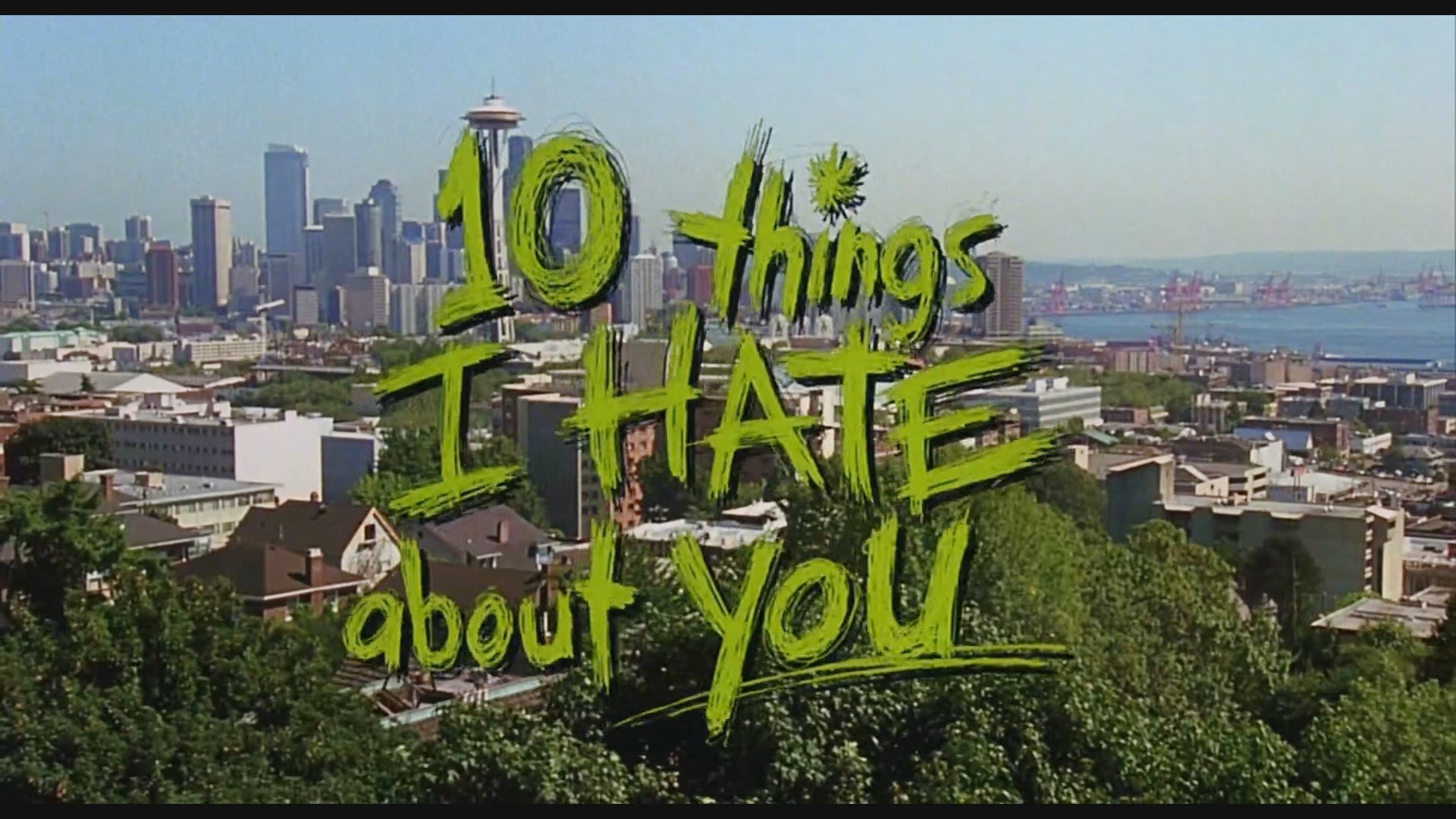
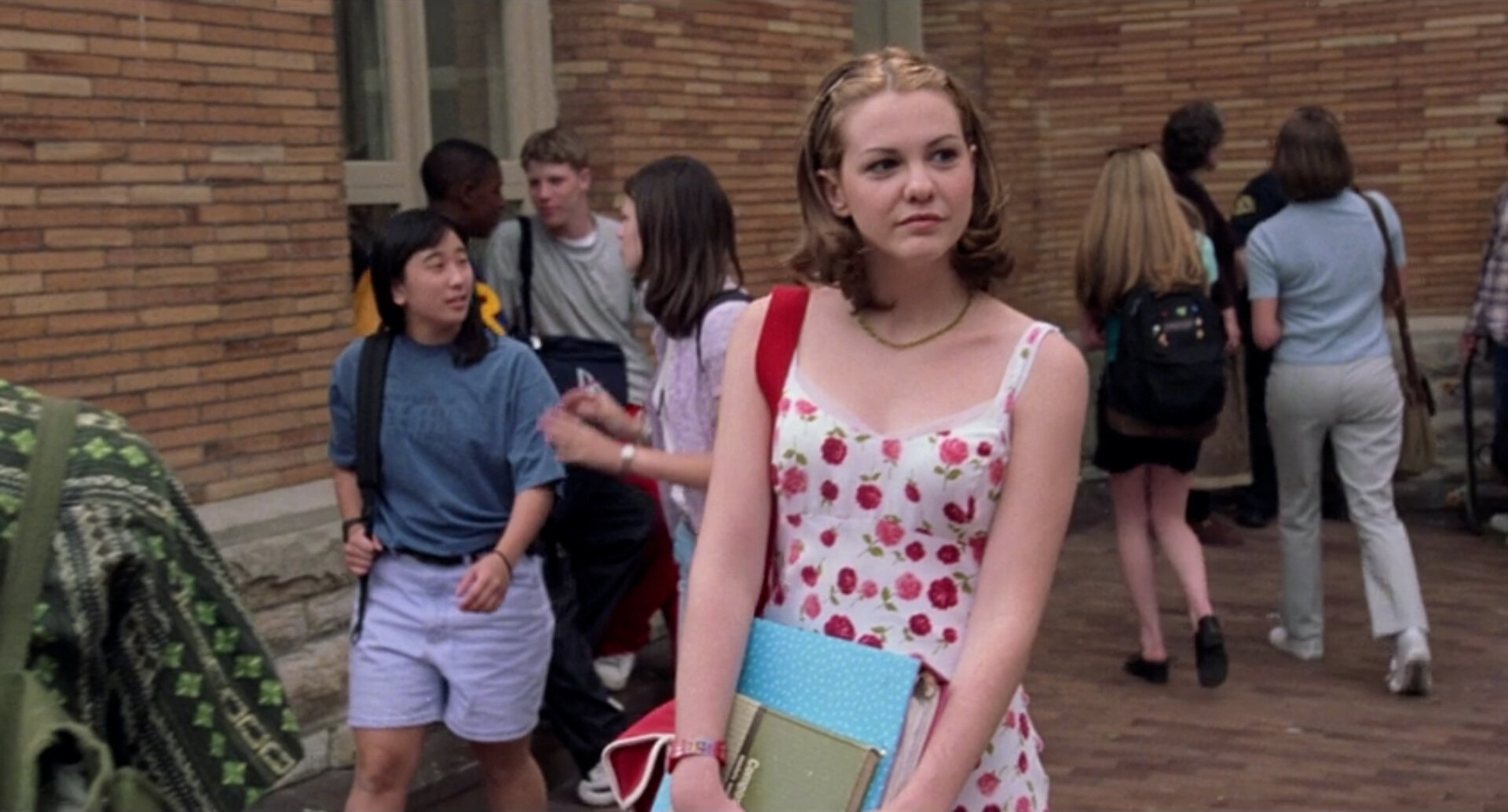
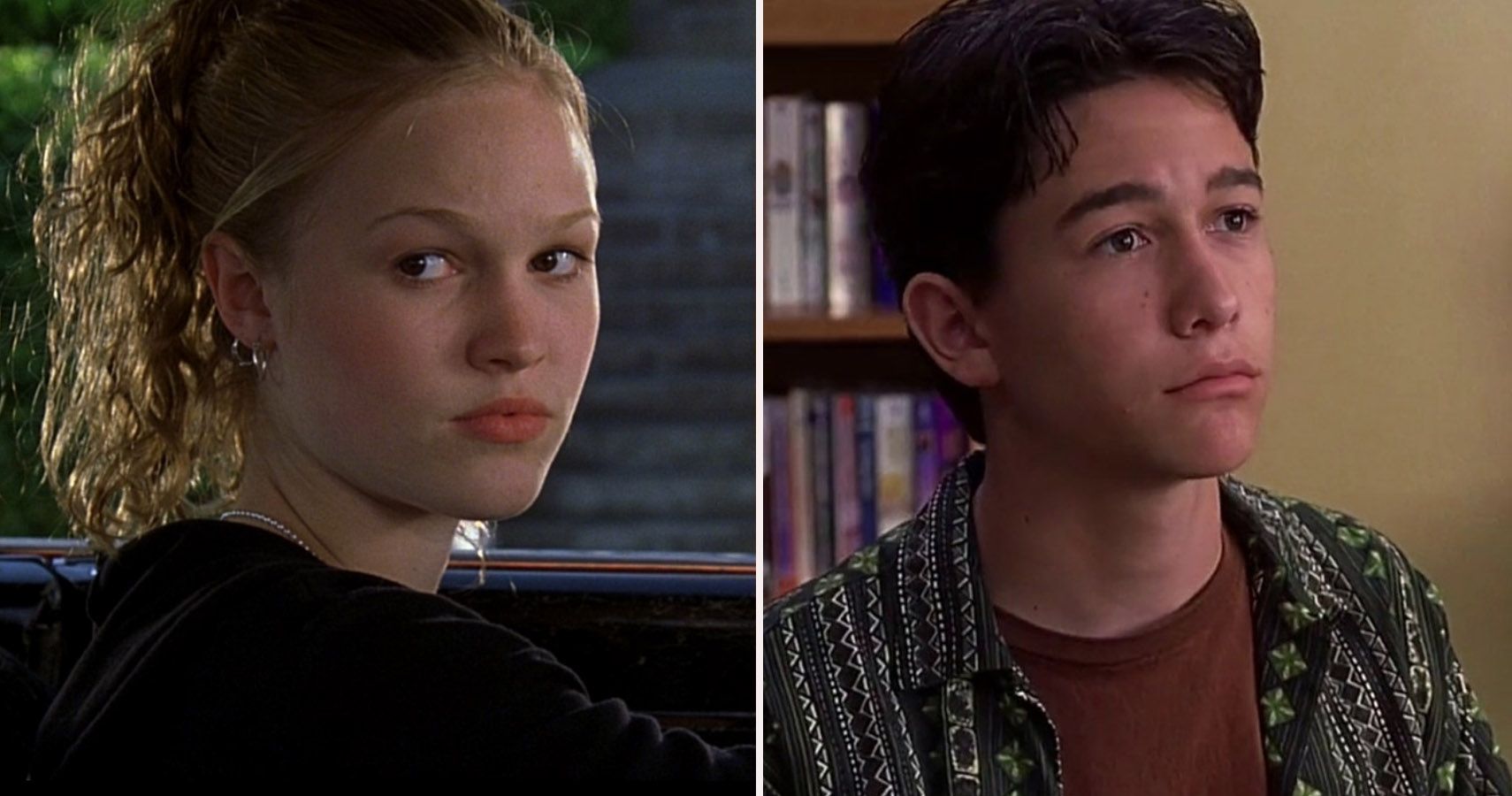
10 Things I Hate About You remains the gold standard of modern Shakespeare screen adaptations. By translating William Shakespeare’s controversial 16th-century comedy The Taming of the Shrew into a late-1990s Seattle high school setting, the film balances witty romantic satire, sharply written characters, and unforgettable musical sequences into an enduring cultural touchstone.
Translating The Taming of the Shrew to Padua High: The Adaptation Strategy
When screenwriters Karen McCullah and Kirsten Smith set out to adapt William Shakespeare’s The Taming of the Shrew in the late 1990s, they faced a distinct structural challenge. The source text, written around 1590–1592, centers on Petruchio’s psychological "taming" of the stubborn Katherina Minola to secure her dowry and assert marital dominance. In a modern teen romantic comedy, a faithful literal translation of that gender dynamic would be unpalatable.
The adaptation solved this by shifting the narrative engine from financial subjugation to personal autonomy and emotional vulnerability. Set within the fictional Padua High School (filmed at the historic Stadium High School in Tacoma, Washington), the film reframes Katherina's refusal to conform not as shrewish madness, but as a deliberate rejection of superficial high school social politics.
- Shakespeare's "The Taming of the Shrew" (c. 1592)
- Reimagined by McCullah & Smith (1999)
- Padua High School Setting (Tacoma, WA)
- Subverting Dowry Dynamics to House Rules on Dating
- Rewriting "Taming" to Mutual Emotional Growth
- Reimagined by McCullah & Smith (1999)
The script replaces the economic transaction of dowries with the overprotective dating rule enforced by Dr. Walter Stratford (Larry Miller): younger sister Bianca (Larisa Oleynik) cannot date until elder sister Kat (Julia Stiles) does. This single plot device cleanly mirrors Shakespeare’s obstacle—where Bianca cannot marry until Katherine finds a husband—while maintaining the grounded stakes of suburban adolescence.
Furthermore, director Gil Junger preserved Shakespearean nomenclature and literary Easter eggs throughout the film. The characters’ surnames reflect their origins (Kat and Bianca Stratford referencing Shakespeare's birthplace, Patrick Verona referencing Petruchio’s hometown of Verona). Dialogue frequently weaves in direct lines, sonnet references, and literary subtext, allowing the film to function both as an accessible teen comedy and a sophisticated textual homage.
Evaluation Criteria for the Ultimate Ranking
To build an objective ranking of the characters, scenes, and adaptation elements in 10 Things I Hate About You, each component is evaluated across four core criteria:
- Shakespearean Fidelity and Subversion: How effectively the element translates or cleverly subverts its original 16th-century source material.
- Performance Impact: The depth, comedic timing, and authenticity delivered by the cast members.
- Narrative Necessity: How essential the character or scene is to advancing the core themes of identity, independence, and emotional honesty.
- Cultural Longevity: The enduring relevance and quotability of the scene or performance decades after its initial 1999 release.
Ultimate Character Ranking: Padua High's Standout Personalities
1. Patrick Verona (Heath Ledger)
Patrick Verona is the narrative anchor of the film's romantic arc. Heath Ledger’s breakout Hollywood performance turns Petruchio—historically one of Shakespeare’s most abrasive suitors—into a charismatic, anti-establishment outsider whose cynicism matches Kat's own. Rather than breaking Kat's spirit, Patrick’s journey forces him to break down his own performance of mercenary indifference. Ledger balances natural charm, physical comedy, and genuine vulnerability, making Patrick the undisputed highlight of the cast.
2. Kat Stratford (Julia Stiles)
Julia Stiles delivers a defining performance as Kat Stratford, modernizing Katherina Minola into a riot-grrrl-listening, feminist intellectual who refuses to perform fake sociability for her peers. Stiles gives Kat a sharp defensive perimeter that never hides her underlying sensitivity. Her delivery of the climax poem transforms what was originally a controversial speech of female submission in Shakespeare's text into an authentic confession of heartbreak and self-awareness.
3. Dr. Walter Stratford (Larry Miller)
As the panic-stricken obstetrician and single father, Larry Miller provides the film’s strongest comedic beats. Dr. Stratford’s fear of teenage pregnancy drives the central plot constraint. Miller delivers rapid-fire neurotic dialogue ("You're 18, you don't have a curfew... and use protection!") with impeccable timing, grounding the over-the-top high school antics in recognizable parental anxiety.
4. Ms. Perky (Allison Janney)
Despite having minimal screen time, Allison Janney’s portrayal of Padua High's guidance counselor—who spends her office hours writing erotic fiction—is a masterclass in comedic efficiency. Janney steals every scene she is in by subverting the traditional administrative mentor trope into an unapologetically self-absorbed side character.
5. Michael Eckman (David Krumholtz)
Serving as the modern counterpart to Shakespeare’s Tranio, Michael Eckman acts as the audience surrogate and high school strategist. David Krumholtz injects manic nervous energy into the plot, driving the scheme to get Cameron paired with Bianca while offering witty commentary on Padua High’s tribal social structure.
6. Cameron James (Joseph Gordon-Levitt)
Joseph Gordon-Levitt plays Cameron (the Lucentio equivalent) with earnest idealism. While his hopeless-romantic ambition borders on naivety, Gordon-Levitt keeps the character sympathetic. His insistence on learning French to tutor Bianca establishes a sweet, traditional counterweight to the darker, more cynical dynamic between Kat and Patrick.
7. Bianca Stratford (Larisa Oleynik)
Larisa Oleynik plays Bianca with a subtle arc that is easy to overlook. Initially presented as the shallow contrast to Kat's intellectual depth, Bianca eventually rejects the superficiality of popularity, punching Joey Donner in the climax and claiming her own agency beyond her father's rules and suitors' expectations.
8. Joey Donner (Andrew Keegan)
Joey Donner combines Shakespeare’s rival suitors Hortensio and Gremio into a self-obsessed male model. Andrew Keegan plays the character’s vacuous arrogance with absolute commitment, functioning as the perfect villain whose superficiality highlights the genuine character development of Patrick and Cameron.
Ultimate Scene Ranking: The Film's Most Unforgettable Moments
| Rank | Scene Title | Key Narrative Driver |
|---|---|---|
| 1 | "Can't Take My Eyes Off You" Serenade | Patrick's public vulnerability & commitment |
| 2 | Kat's Classroom Poem Reading | Climactic emotional truth & Shakespeare link |
| 3 | Paintball Date at Gasworks Park | Breakthrough of mutual authentic trust |
| 4 | Table-Dancing at Bogey Lowenstein's Party | Kat letting down her emotional guard |
| 5 | The Prom Punching & Resolution Sequence | Climax of character agency & accountability |
1. The Grand Stand Serenade ("Can't Take My Eyes Off You")
- Key Characters: Patrick Verona, Kat Stratford, Padua High Marching Band
- Context: Patrick bribes the school marching band to back him up as he sings Frankie Valli’s classic on the stadium bleachers to win back Kat's attention.
- Why It’s Number One: This scene is the cinematic peak of 90s romantic comedy. Led by Heath Ledger’s physical agility—evading campus security while dancing along concrete bleachers—the sequence marks the exact moment Patrick transitions from taking a paid dare to courting Kat publicly, risking his reputation for her.
2. Kat's Classroom Poem Reading
- Key Characters: Kat Stratford, Patrick Verona, Mr. Morgan (Daryl Mitchell)
- Context: Assigned to express Shakespeare’s Sonnet 141 in their own words, Kat reads a personal poem aloud in English class following the revelation of Patrick's financial arrangement with Joey.
- Why It’s Iconic: This sequence serves as the emotional resolution of the film. Julia Stiles delivered the tearful monologue in an unscripted moment of genuine emotion during filming. The poem explicitly mirrors the title of the movie while completely inverting Shakespeare’s original ending, prioritizing Kat's emotional self-awareness over dutiful obedience.
3. The Paintball Date at Seattle's Gasworks Park
- Key Characters: Kat Stratford, Patrick Verona
- Context: After ditching traditional high school activities, Kat and Patrick play a private game of paint-filled balloon toss in an industrial park playground.
- Why It Matters: Visually vibrant and narrative-focused, this date strips away the urban high school backdrop. It allows both guarded characters to engage in uninhibited play, establishing physical and emotional intimacy without the cynical defense mechanisms they deploy around their peers.
4. Table-Dancing at Bogey Lowenstein's Party
- Key Characters: Kat Stratford, Patrick Verona, Michael Eckman
- Context: At a suburban house party, Kat consumes alcohol to match the party atmosphere, eventually dancing atop a coffee table to Notorious B.I.G. before suffering a head injury.
- Why It Matters: The scene breaks Kat’s rigid self-control while showcasing Patrick’s growing protective instinct. Rather than taking advantage of her altered state, Patrick prevents her from injuring herself further and cares for her, proving to Kat—and the audience—that his character possesses genuine integrity.
5. The Prom Confrontation and Punching Sequence
- Key Characters: Bianca Stratford, Joey Donner, Cameron James, Kat Stratford
- Context: After Joey exposes the financial bet at the prom, Bianca confronts Joey outside the venue, delivering a series of punches for his treatment of Kat, Cameron, and herself.
- Why It Matters: This sequence delivers the structural payoff for Bianca's sub-plot. It transitions her character from a passive prize sought after by male suitors into an active defender of her family and her own choices, mirroring Kat's assertiveness while resolving the lingering conflict cleanly.
Shakespearean Parallels and Adaptation Matrix
The structural engineering of 10 Things I Hate About You relies on direct translation of Renaissance theater conventions into late-20th-century suburban reality. The table below outlines how key elements from The Taming of the Shrew were adapted into the 1999 film.
| Shakespeare Original Character / Concept | 1999 Film Counterpart | Character Archetype / Setting Shift | Narrative Function & Adaptation Execution |
|---|---|---|---|
| Katherina Minola | Kat Stratford | Scorned "Shrew" $\rightarrow$ Feminist Riot-Grrrl Intellectual | Shifts refusal of marriage into a refusal to perform superficial high school social norms. |
| Petruchio of Verona | Patrick Verona | Mercenary Suitor $\rightarrow$ Ausie Bad-Boy Outsider | Replaces financial dowry pursuit with initial paid dare, leading to authentic reform. |
| Bianca Minola | Bianca Stratford | Desirable Virgin $\rightarrow$ Popular High School Sophomore | Transforms from passive prize into self-directed adolescent who rejects shallow suitors. |
| Lucentio | Cameron James | Romantic Nobleman $\rightarrow$ Earnest New Transfer Student | Retains classic romantic pursuit via covert tutoring schemes (French language lessons). |
| Tranio | Michael Eckman | Clever Servant $\rightarrow$ Neurotic High School AV Club Strategist | Serves as high school guide, exposition provider, and mastermind behind party plans. |
| Baptista Minola | Dr. Walter Stratford | Wealthy Father $\rightarrow$ Overprotective Obstetrician Father | Replaces monetary dowry control with strict house rules driven by fear of teen pregnancy. |
| Hortensio / Gremio | Joey Donner | Wealthy Suitors $\rightarrow$ Vain Teen Male Model / Aspiring Actor | Merges multiple rival suitors into a single narcissistic antagonist. |
| Sonnet 141 | "10 Things I Hate About You" Poem | Renaissance Love Poetry $\rightarrow$ High School English Assignment | Subverts Katherina's submission speech into an authentic declaration of love despite vulnerability. |
Why the Film Outlasts Other 1999 Teen Comedies
The year 1999 was a landmark period for teen cinema, yielding hits like Cruel Intentions, Drive Me Crazy, Varsity Blues, and She's All That. However, 10 Things I Hate About You has maintained distinct critical and audience longevity for several key reasons:
- Factors Driving Enduring Legacy
- Authentic Musical Scoring (Letters to Cleo, Semisonic, Save Ferris)
- Textual Depth (Shakespearean structure prevents dated pop-culture reliance)
- Star-Making Performances (Heath Ledger & Julia Stiles on-screen chemistry)
- Subversion of Tropes (Agency granted to female leads over traditional makeover clichés)
- Rejection of the Traditional "Makeover" Trope: Unlike She's All That, where the female lead must shed her glasses and style to become desirable, Kat Stratford never alters her aesthetic, music preferences, or political beliefs to win Patrick's affection. Patrick adapts to her intellectual world rather than demanding she conform to his.
- Integrated Alternative Soundtrack: The soundtrack—featuring prominent ska, alternative rock, and indie tracks from bands like Letters to Cleo, Save Ferris, Semisonic, and Spiderbait—anchors the film in an authentic late-90s Pacific Northwest subculture that feels timeless rather than corporate.
- Screenplay Wit and Literary Foundations: Because the structural plot mechanics are built on Shakespearean playwriting, the script avoids relying heavily on temporary 1999 pop-culture slang that ages poorly. The dialogue remains sharp, layered, and fast-paced.
- Breakout Lead Performances: The raw talent of Heath Ledger and Julia Stiles elevates the material. Their screen chemistry feels grounded in real intellectual friction rather than standard teen romance formulas.
Frequently Asked Questions
Is 10 Things I Hate About You a direct adaptation of The Taming of the Shrew?
Yes, the film is an explicit modern adaptation of William Shakespeare’s The Taming of the Shrew. While the setting is shifted to a 1990s Seattle high school and character motivations are altered to emphasize mutual agency, the core narrative structure, character relationships, character names, and central conflicts directly parallel Shakespeare’s late 16th-century play.
What is the origin of the poem Kat reads at the end of the movie?
Kat's poem is an original piece written for the screenplay by Karen McCullah and Kirsten Smith, inspired by the themes of Shakespeare’s Sonnet 141 ("In faith, I do not love thee with mine eyes"). The poem serves as the thematic inverse of Katherina’s final monologue in The Taming of the Shrew, replacing female obedience with emotional honesty.
Where was 10 Things I Hate About You filmed?
The film was shot primarily on location in the Seattle metropolitan area and Tacoma, Washington. Padua High School was portrayed by the historic Stadium High School in Tacoma, famous for its castle-like Victorian architecture and bowl-shaped stadium overlooking Commencement Bay. Other notable locations include Seattle's Gasworks Park and the Fremont Troll.
How does Patrick Verona differ from Shakespeare's Petruchio?
Shakespeare's Petruchio pursues Katherina explicitly for money and actively subjects her to psychological deprivation (sleep and food deprivation) to "tame" her. In contrast, Heath Ledger’s Patrick Verona accepts money from Joey initially, but quickly abandons his mercenary motivation as he develops genuine respect for Kat. Patrick’s growth involves dismantling his own defensive exterior rather than subjugating Kat.
Which band plays on the high school roof during the ending credits?
The Boston-based alternative rock band Letters to Cleo performs a cover of Cheap Trick’s "I Want You to Want Me" on the roof of Stadium High School during the closing credits sequence. The band also appears earlier in the film performing at the club scene where Kat hangs out.
How to Appreciate the Film on a Rewatch
To fully appreciate the narrative construction of 10 Things I Hate About You, viewers should approach a rewatch with an eye toward its literary framing and visual staging:
- Track the Background Details: Look closely at classroom whiteboards, textbook covers, and character bedroom posters. Kat’s room features posters for female-led indie bands like Bikini Kill and books by Sylvia Plath, setting up her intellectual world long before she speaks.
- Compare Shakespearean Parallel Scenes: Read Act II, Scene I of The Taming of the Shrew alongside Kat and Patrick’s early dialogue exchanges. Notice how the writers converted Shakespeare’s quick-fire puns and stichomythia into modern conversational banter.
- Observe Lighting and Color Palette Shifts: Note how the visual tone changes from cool, distant blues in Kat's early scenes to warmer tones as she allows Patrick, Bianca, and her father into her inner world.
For viewers studying film adaptation techniques, pairing a viewing of 10 Things I Hate About You with original texts of The Taming of the Shrew provides a masterclass in how classic literature can be revitalized without sacrificing narrative integrity.