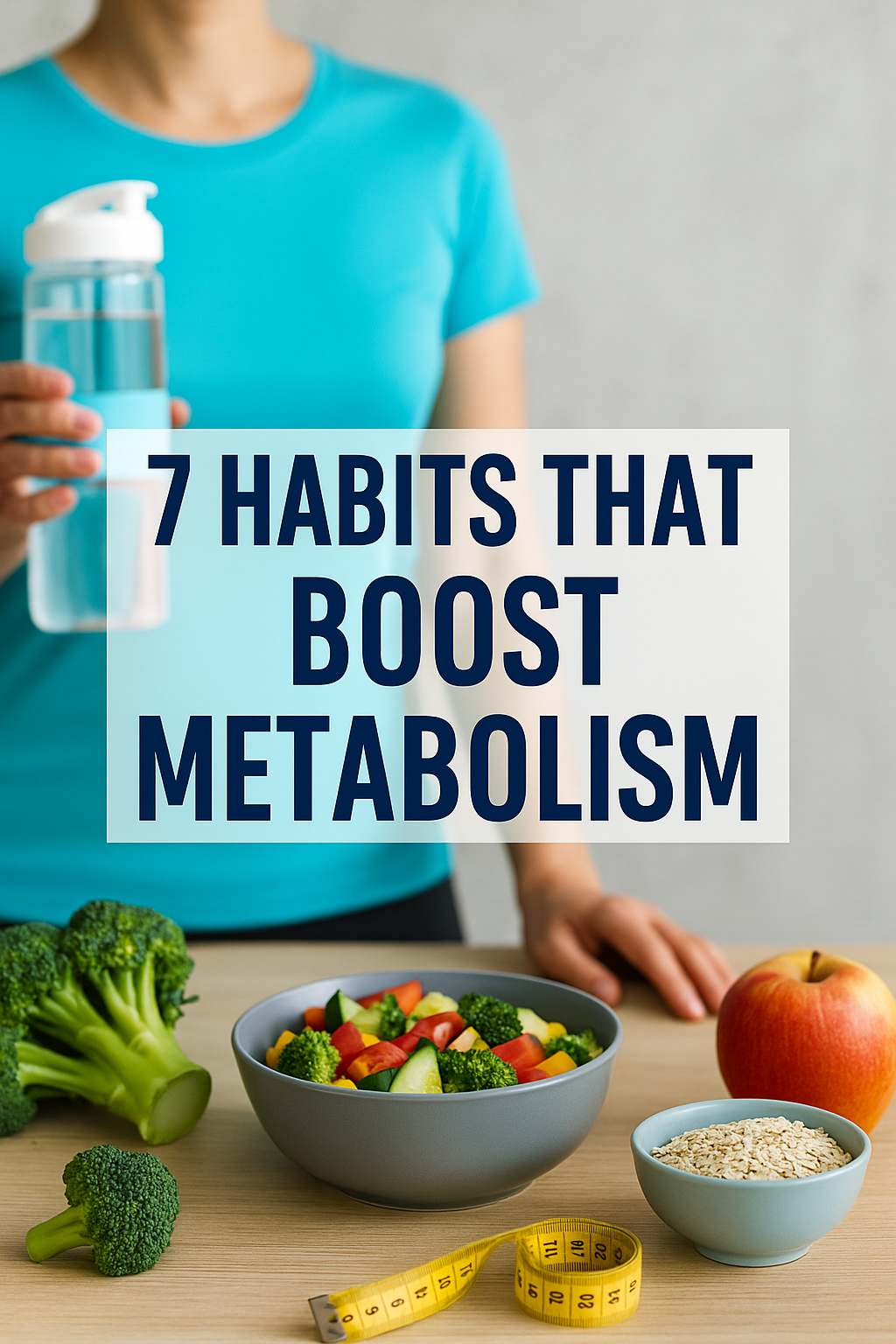
Boosting your metabolism naturally involves a combination of increasing your muscle mass, optimizing your nutrient intake to enhance the thermic effect of food, and regulating your hormonal environment through sleep and stress management. By prioritizing high-protein meals, incorporating high-intensity interval training, and maintaining consistent hydration, you can significantly elevate your daily caloric expenditure and achieve measurable results within weeks.
Understanding the Components of Human Metabolism
To effectively boost your metabolism, it is essential to understand that what we commonly call "metabolism" is actually the Basal Metabolic Rate (BMR), which represents the energy your body requires to maintain basic physiological functions at rest. In 2026, clinical guidelines continue to emphasize that while genetics play a role, approximately 60–75% of total daily energy expenditure (TDEE) is comprised of BMR, with the remainder coming from the thermic effect of food (TEF), physical activity, and non-exercise activity thermogenesis (NEAT).
Optimizing these components requires a multi-pronged approach. You cannot simply "fix" a slow metabolism with a single supplement; rather, you must influence the metabolic pathways through consistent lifestyle interventions. These interventions work by either increasing the energy cost of processing nutrients or by increasing the amount of metabolically active tissue in the body.
1. Prioritize High-Protein Nutrition (The Thermic Effect)
Eating more protein is perhaps the most effective nutritional strategy for a fast metabolic boost. Every time you consume food, your body spends energy to digest, absorb, and process the nutrients. This is known as the Thermic Effect of Food (TEF).
Protein has a significantly higher TEF compared to carbohydrates or fats. While fats increase the metabolic rate by 0–3% and carbohydrates by 5–10%, protein increases it by 20–30%. This means if you consume 100 calories of protein, your body utilizes roughly 25 to 30 of those calories just to process the meal. Furthermore, high-protein diets help prevent the muscle loss that often accompanies calorie restriction, ensuring that your BMR remains elevated even during weight loss phases.
2. Incorporate High-Intensity Interval Training (HIIT)
While steady-state cardio (like jogging) is beneficial for cardiovascular health, High-Intensity Interval Training (HIIT) provides a superior metabolic advantage through a phenomenon known as Excess Post-exercise Oxygen Consumption (EPOC).
EPOC, often called the "afterburn effect," refers to the increased rate of oxygen intake following strenuous activity. Your body requires this extra oxygen to restore ATP levels, clear lactic acid, and repair muscle fibers. Research consistently shows that HIIT can keep the metabolic rate elevated for up to 24 hours after the workout has ended. In 2026, sports science protocols recommend short bursts of maximum effort (such as 30 seconds of sprinting) followed by brief recovery periods to maximize this metabolic spike.
3. Build Muscle Through Resistance Training
Muscle tissue is more metabolically active than fat tissue. Even at rest, a pound of muscle burns approximately six calories per day, whereas a pound of fat burns only about two. While this difference may seem small in isolation, the cumulative effect of increasing lean muscle mass is substantial over time.
Strength training or resistance training creates micro-tears in muscle fibers. The repair process is energy-intensive, requiring your metabolism to work harder during the recovery phase. Additionally, maintaining muscle mass is the primary defense against the age-related metabolic slowdown. By engaging in compound movements—such as squats, deadlifts, and presses—you stimulate the largest muscle groups, leading to a greater total metabolic demand.
4. Optimize Hydration with Cold Water
Water is necessary for nearly every chemical reaction in the body, including the breakdown of fat (lipolysis). Even mild dehydration can slow down these processes. However, the temperature of the water you drink can provide an additional metabolic edge.
Drinking cold water induces water-induced thermogenesis. Your body must expend energy to heat the water to internal body temperature (98.6°F or 37°C). A landmark study published in the Journal of Clinical Endocrinology and Metabolism found that drinking 500ml of water increased metabolic rate by 30% for about an hour. Consistently reaching for cold water throughout the day can provide a sustained, albeit small, increase in daily caloric burn.
5. Prioritize Sleep Quality and Hormonal Balance
Sleep is often the "missing link" in metabolic health. Chronic sleep deprivation leads to a decrease in leptin (the hormone that signals fullness) and an increase in ghrelin (the hormone that signals hunger). This hormonal imbalance not only leads to overeating but also slows down the resting metabolic rate.
Furthermore, lack of sleep negatively impacts glucose metabolism and increases insulin resistance. When the body is sleep-deprived, it enters a state of perceived stress, raising cortisol levels. High cortisol encourages the body to store energy as visceral fat rather than burning it for fuel. Achieving 7–9 hours of quality sleep in 2026 remains a foundational pillar for anyone seeking "fast results" in metabolic optimization.
6. Maximize Non-Exercise Activity Thermogenesis (NEAT)
Non-Exercise Activity Thermogenesis (NEAT) encompasses all the energy we expend through movements that are not intentional exercise. This includes walking to your car, cleaning the house, fidgeting, and even standing.
For many individuals, NEAT accounts for a larger portion of daily caloric expenditure than a one-hour gym session. Modern sedentary lifestyles have drastically reduced NEAT levels. To boost your metabolism naturally, you should aim to minimize long periods of sitting. Using a standing desk, taking the stairs, or performing "movement snacks" (two-minute walks every hour) keeps metabolic enzymes active throughout the day, preventing the body from entering a "power-saving" sedentary mode.
7. Leverage Natural Stimulants: Coffee and Green Tea
Both coffee and green tea contain natural compounds that have been shown to enhance metabolic rate and fat oxidation. The caffeine in coffee can increase BMR by 3–11%, primarily by stimulating the central nervous system and promoting the breakdown of fatty acids from adipose tissue.
Green tea contains both caffeine and a powerful antioxidant known as Epigallocatechin gallate (EGCG). These compounds work synergistically to inhibit the enzyme that breaks down norepinephrine, a hormone that signals fat cells to break down fat. While the effect of a single cup is modest, regular consumption of high-quality green tea or oolong tea has been linked to improved metabolic flexibility and weight maintenance.
8. Utilize Spices and Capsaicin
Spicy foods, particularly those containing chili peppers, contain a compound called capsaicin. Capsaicin is a thermogenic chemical that can slightly increase your body temperature and oxygen consumption.
The effect of capsaicin is two-fold: it increases energy expenditure and may also suppress appetite. While the metabolic boost from a single spicy meal is temporary, the cumulative effect of incorporating spices like cayenne pepper, ginger, and black pepper into a balanced diet can support overall metabolic goals. This is often referred to as "diet-induced thermogenesis" from non-macronutrient sources.
9. Manage Stress and Cortisol Levels
Chronic stress is a metabolic killer. When you are under constant stress, your body remains in a "fight or flight" state, which involves the sustained release of cortisol. In a survival context, cortisol helps the body store fat for future energy needs, specifically in the abdominal region.
High cortisol levels also interfere with thyroid function. The thyroid gland is the master regulator of your metabolism; if its signals are dampened by stress hormones, your BMR will inevitably drop. Implementing stress-reduction techniques such as deep breathing, meditation, or regular outdoor walks is not just a mental health strategy—it is a physiological requirement for a high-functioning metabolism.
10. Align Eating Patterns with Circadian Rhythms
In 2026, research into chrononutrition has highlighted the importance of when you eat, not just what you eat. The body’s metabolic processes are closely tied to the circadian rhythm (the internal 24-hour clock).
Eating in alignment with daylight hours—when your insulin sensitivity is typically higher—can improve metabolic efficiency. Consuming large, heavy meals late at night when the body is preparing for sleep can lead to poor glucose clearance and a sluggish morning metabolism. Establishing a consistent eating window and avoiding late-night snacking helps the body transition more effectively between the "fed" state (storing/using energy) and the "fasted" state (burning stored energy).
Metabolic Strategy Comparison Table
The following table compares the different methods discussed based on their primary mechanism and the relative effort required for implementation.
| Method | Primary Mechanism | Estimated Impact | Effort Level |
|---|---|---|---|
| High-Protein Diet | Thermic Effect of Food (TEF) | High | Moderate |
| Strength Training | Increased Basal Metabolic Rate (BMR) | Very High | High |
| HIIT Workouts | Afterburn Effect (EPOC) | Moderate-High | High |
| Cold Water | Water-induced Thermogenesis | Low-Moderate | Very Low |
| Quality Sleep | Hormonal Regulation | Essential | Moderate |
| NEAT (Moving More) | Daily Energy Expenditure | Moderate | Low |
| Green Tea/Coffee | Fat Oxidation / Stimulant | Low | Very Low |
| Stress Management | Cortisol Reduction | Moderate | Moderate |
Common Mistakes That Slow Metabolism
Despite their best efforts, many people inadvertently sabotage their metabolic rate. The most common mistake is extreme calorie restriction. When you consume too few calories (below your BMR), your body enters "starvation mode" (adaptive thermogenesis), where it drastically slows down metabolic processes to preserve life. This makes future weight loss significantly harder.
Another mistake is over-relying on cardio while neglecting resistance training. While running burns calories in the moment, it does little to increase your resting metabolic rate. Without the "metabolic engine" provided by muscle tissue, your results will likely plateau quickly. Finally, neglecting protein intake while focusing solely on total calories can lead to muscle wasting, further depressing the BMR.
Frequently Asked Questions
How fast can I see results from boosting my metabolism?
While some effects, like the thermic effect of a high-protein meal or the afterburn from a HIIT session, are immediate, physiological changes like muscle gain take longer. Most individuals notice improved energy levels and changes in body composition within 4 to 6 weeks of consistent implementation.
Do "metabolism booster" supplements actually work?
Most over-the-counter supplements provide only marginal benefits, often relying on high doses of caffeine. Natural methods like protein consumption and strength training are significantly more effective and sustainable for long-term metabolic health than proprietary pill blends.
Can I boost my metabolism if I have a thyroid condition?
Metabolism can still be optimized with a thyroid condition, but it must be managed in conjunction with medical advice. Ensuring adequate iodine, selenium, and zinc—alongside prescribed medication—can help support thyroid function, while the lifestyle factors mentioned here remain beneficial.
Does age permanently slow down my metabolism?
While metabolism naturally declines by about 1–2% per decade after age 20, much of this is due to the loss of muscle mass (sarcopenia) rather than an inevitable biological shutdown. Resistance training and high protein intake can largely offset this age-related decline.
How much water do I need to drink for a metabolic boost?
Current 2026 guidelines suggest aiming for approximately 30–35ml of water per kilogram of body weight. To maximize the thermogenic effect, consuming 500ml of cold water before meals is a commonly recommended protocol.
Establishing a Sustainable Metabolic Routine
To achieve lasting results, do not attempt to implement all ten strategies simultaneously. Begin by addressing the "big rocks": protein intake and resistance training. These two factors provide the highest return on investment for metabolic health. Once these become habits, layer in secondary strategies like optimizing sleep and increasing NEAT.
The goal is to create a "metabolic furnace" that works for you 24 hours a day, not just during your workout. Consistency is the most critical variable. By treating metabolism as a complex system that requires the right fuel, the right stimulus, and adequate recovery, you can achieve a naturally higher metabolic rate that supports your long-term health and body composition goals.