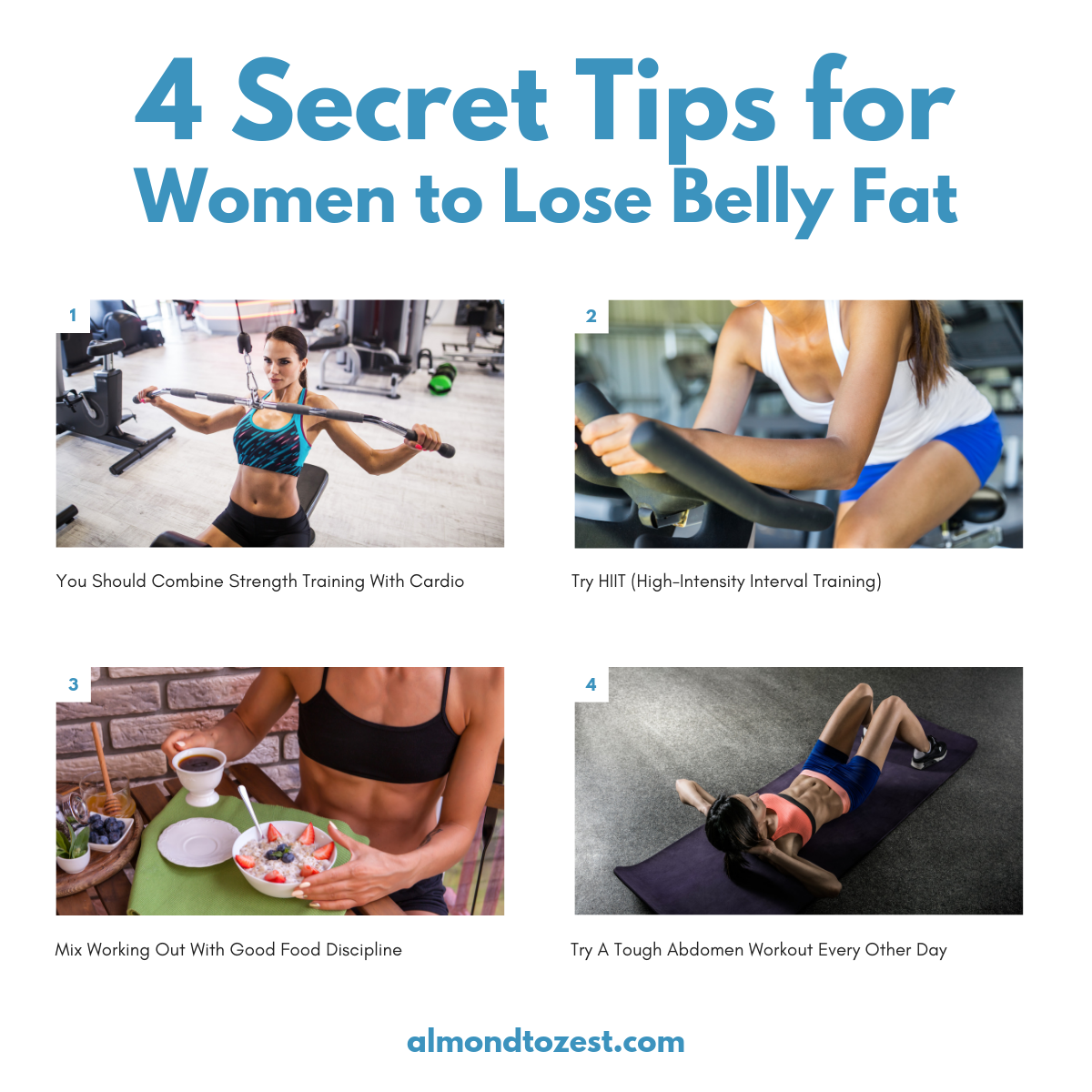
Achieving rapid and safe fat loss requires a science-based approach that prioritizes a sustainable caloric deficit while protecting lean muscle mass. By optimizing protein intake, utilizing resistance training, and managing metabolic recovery through sleep and stress control, individuals can achieve significant body composition changes in 2026 without compromising long-term health.
To lose fat effectively, one must distinguish between "weight loss" (which can include muscle and water) and "fat loss" (the reduction of adipose tissue). While the fitness landscape in 2026 has been influenced by various pharmacological advancements, the fundamental pillars of physiology remain the primary drivers for most people seeking a natural, sustainable transformation. Rapid fat loss is generally defined as losing 0.5% to 1.0% of total body weight per week. Exceeding this rate often leads to metabolic adaptation, where the body slows its energy expenditure to compensate for perceived starvation.
Before embarking on a fat loss journey, it is essential to establish a baseline. This includes understanding your Total Daily Energy Expenditure (TDEE) and ensuring you have no underlying hormonal imbalances. Always consult with a healthcare professional before making radical changes to your diet or exercise intensity, particularly if you have pre-existing cardiovascular or metabolic conditions.
1. Prioritize High Protein Intake to Protect Lean Mass
Protein is the most critical macronutrient for fat loss for two primary reasons: the thermic effect of food (TEF) and muscle preservation. In 2026, nutritional science continues to emphasize that high-protein diets (ranging from 1.6 to 2.2 grams per kilogram of body weight) are superior for body recomposition. When you are in a caloric deficit, your body looks for energy sources; a high protein intake signals the body to spare muscle tissue and oxidize stored fat instead.
The thermic effect of protein is significantly higher than that of carbohydrates or fats. Approximately 20-30% of the calories consumed from protein are burned simply during the digestion and processing phase. Furthermore, protein increases satiety by influencing the hunger hormones ghrelin and GLP-1, making it easier to adhere to a lower-calorie diet without feeling constant hunger. For the best results, distribute protein intake evenly across 3–5 meals to maintain muscle protein synthesis throughout the day.
2. Implement Progressive Resistance Training
While cardio burns calories during the activity, resistance training is the key to "quick and safe" fat loss because it prevents the metabolic slowdown typically associated with dieting. Lifting weights or performing bodyweight calisthenics creates a stimulus for muscle retention. The more muscle mass you maintain, the higher your Resting Metabolic Rate (RMR) remains, as muscle is more metabolically active than fat tissue.
Focus on compound movements such as squats, deadlifts, presses, and rows. These exercises engage multiple muscle groups, leading to a higher caloric expenditure during the session and a more significant "afterburn" effect, known as Excess Post-exercise Oxygen Consumption (EPOC). In 2026, the standard recommendation is at least three sessions of resistance training per week, focusing on progressive overload—gradually increasing the weight, reps, or intensity to ensure the body continues to adapt.
3. Focus on High-Fiber Whole Foods for Satiety
One of the greatest challenges in rapid fat loss is managing hunger. High-fiber foods, particularly soluble fiber found in beans, oats, and certain vegetables, slow down gastric emptying. This results in a slower release of glucose into the bloodstream and a prolonged feeling of fullness. Fiber also feeds beneficial gut bacteria, which have been increasingly linked to improved metabolic health and weight management in recent longitudinal studies.
Replacing refined grains (white bread, sugary cereals) with fibrous alternatives (quinoa, leafy greens, cruciferous vegetables) allows you to eat a larger volume of food for fewer calories. This "volume eating" strategy is psychologically beneficial, as it prevents the feeling of deprivation. Aim for a minimum of 25–35 grams of fiber per day to optimize digestive health and appetite control during a fat-loss phase.
4. Utilize Strategic Cardiovascular Exercise (NEAT vs. HIIT)
Cardiovascular health is essential, but not all cardio is created equal for fat loss. There are two primary tools to use: Non-Exercise Activity Thermogenesis (NEAT) and High-Intensity Interval Training (HIIT). NEAT refers to the energy expended for everything we do that is not sleeping, eating, or sports-like exercise—such as walking, gardening, or fidgeting. In 2026, maintaining a high step count (8,000–10,000 steps) is recognized as the most sustainable way to keep caloric expenditure high without increasing systemic fatigue.
HIIT, on the other hand, involves short bursts of intense effort followed by brief recovery periods. HIIT is time-efficient and highly effective at improving insulin sensitivity and boosting fat oxidation. However, because it is taxing on the central nervous system, it should be limited to 1–2 sessions per week to avoid burnout and interference with resistance training recovery. Balancing low-intensity movement (walking) with occasional high-intensity sessions provides the best of both worlds.
5. Optimize Sleep Quality for Hormonal Regulation
Sleep is often the missing link in fat loss programs. Chronic sleep deprivation (less than 7 hours per night) disrupts the balance of two key hormones: ghrelin (which signals hunger) and leptin (which signals fullness). When you are sleep-deprived, ghrelin rises and leptin falls, leading to increased cravings for high-calorie, sugary foods.
Moreover, poor sleep increases cortisol levels and reduces insulin sensitivity, making the body more likely to store fat, particularly in the abdominal region. Research indicates that individuals who sleep 7–9 hours a night lose a higher percentage of weight from fat compared to those who are sleep-restricted, even when caloric intake is identical. Prioritizing sleep hygiene—such as maintaining a cool room temperature and avoiding blue light before bed—is a non-negotiable requirement for safe, rapid fat loss.
6. Manage Stress to Control Cortisol Levels
High levels of chronic stress lead to elevated cortisol, a hormone that, when chronically high, promotes visceral fat storage and muscle breakdown. In the fast-paced environment of 2026, stress management has become a technical requirement for physical health. When the body is in a "fight or flight" state, it prioritizes immediate energy availability, often leading to blood sugar spikes and subsequent crashes that trigger overeating.
Incorporating stress-reduction techniques like meditation, deep breathing exercises, or even regular nature walks can lower systemic inflammation. From a physiological standpoint, lower stress levels make it easier for the body to access stored fat for energy. If your lifestyle is high-stress, your fat loss will likely be slower and more difficult, regardless of how perfectly you diet or exercise.
7. Maintain Proper Hydration and Electrolyte Balance
Water is essential for lipolysis, the metabolic process of breaking down fats. Dehydration can slow down your metabolism and is often mistaken by the brain for hunger, leading to unnecessary snacking. Drinking 500ml of water before meals has been shown in various clinical trials to reduce calorie intake and improve fat loss outcomes.
Furthermore, in 2026, there is an increased focus on electrolyte balance (sodium, potassium, and magnesium). When you reduce processed foods and carbohydrates, your body tends to excrete more water and salt. Maintaining proper electrolyte levels ensures that your muscles can contract effectively during workouts and prevents the "brain fog" or fatigue often associated with the early stages of a fat loss diet. Aim for clear-to-pale yellow urine as a sign of adequate hydration.
8. Minimize Ultra-Processed Foods and Liquid Calories
Ultra-processed foods are designed to be "hyper-palatable," meaning they bypass the body's natural satiety signals. These foods are usually high in refined seed oils, sugars, and sodium, but low in nutrients. Eliminating or significantly reducing these foods is one of the fastest ways to lower caloric intake without meticulous tracking.
Liquid calories are another common pitfall. Sodas, sweetened coffees, and even excessive fruit juices provide energy without the fiber or chewing mechanism that triggers fullness. Alcohol, in particular, pauses fat oxidation as the liver prioritizes the metabolism of ethanol. By sticking to water, black coffee, or unsweetened tea, you can save hundreds of calories daily, which can be the difference between a stagnant weight and consistent fat loss.
9. Practice Mindful Eating and Portion Control
The speed at which we eat influences how much we eat. It takes approximately 20 minutes for the brain to receive the signal from the gut that it is full. Mindful eating involves paying attention to hunger cues, chewing thoroughly, and removing distractions (like phones or televisions) during meals.
In 2026, while many use apps to track macros, simple portion control methods remain highly effective. For example, using the "plate method"—filling half your plate with non-starchy vegetables, one quarter with lean protein, and one quarter with complex carbohydrates—provides a visual framework that ensures nutrient density while naturally restricting calories. This habit-based approach is often more sustainable than strict calorie counting for many individuals.
10. Consistency and Data-Driven Adjustments
Fat loss is rarely linear. You may lose three pounds one week and none the next. The "proven" way to succeed is through consistency and the ability to adjust based on data. Tracking progress through multiple metrics—such as body weight, waist measurements, photos, and strength levels—provides a clearer picture than the scale alone.
If progress stalls for more than two weeks, it may be time to adjust. This could mean slightly increasing your activity (NEAT) or marginally reducing your caloric intake (by 100–200 calories). Avoid the temptation to "crash diet" or drastically cut calories to near-zero levels, as this inevitably leads to muscle loss and a subsequent rebound in fat.
Fat Loss Intervention Comparison
| Intervention | Ease of Adherence | Impact on Muscle | Metabolic Benefit |
|---|---|---|---|
| High Protein Diet | Medium | High (Protective) | High (Thermic Effect) |
| Resistance Training | Medium/Hard | Very High | High (RMR Boost) |
| Daily Step Count | Very Easy | Neutral | Medium (Caloric Burn) |
| HIIT Cardio | Hard | Low/Moderate | High (Efficiency) |
| Sleep Optimization | Easy (Requires Discipline) | High (Recovery) | High (Hormonal Balance) |
| Eliminating Liquid Calories | Easy | Neutral | Medium (Direct Deficit) |
Frequently Asked Questions
Can you target fat loss in specific areas like the stomach?
No, "spot reduction" is a myth that has been debunked for decades. Your genetics determine where your body stores and loses fat first. To lose fat in a specific area, you must achieve an overall body fat reduction. Over time, the fat in stubborn areas will be mobilized and oxidized as your total body fat percentage drops.
Is a low-carb diet necessary for fast fat loss?
No, a low-carb diet is not strictly necessary, although it can be helpful for some. The primary driver of fat loss is a caloric deficit. Some people find that lower carb intake helps manage insulin and water retention, making the initial weight loss look faster. However, carbohydrates are essential for high-intensity training performance. The best diet is the one that allows you to maintain a deficit while hitting your protein targets.
How many calories should I cut for "quick" fat loss?
A safe and effective deficit is generally 20% to 25% below your maintenance calories. For most people, this equates to a 300–500 calorie daily deficit. Going beyond a 1,000-calorie deficit is generally discouraged as it significantly increases the risk of muscle wasting, nutrient deficiencies, and hormonal disruption.
Are fat-burner supplements effective in 2026?
Most "fat burners" offer very marginal benefits, usually increasing metabolic rate by only 1–3%. Caffeine is the most effective and well-studied legal thermogenic. While some prescription-grade metabolic modulators exist in 2026, they should only be used under strict medical supervision. For most people, the 10 lifestyle factors listed above will provide 99% of the results.
Establishing Your Fat Loss Roadmap
To begin your journey toward a leaner physique, start by mastering the basics rather than trying to implement all ten strategies at once. Begin with a focus on protein intake and daily movement (steps). Once those habits are solidified, introduce resistance training and sleep hygiene. Rapid fat loss is most successful when it is built on a foundation of sustainable habits.
Track your progress weekly but evaluate your trends monthly. Remember that the goal is not just to lose weight, but to improve your body composition and metabolic health. By staying consistent with these proven methods, you can achieve a significant transformation that is both visually apparent and physically safe for the long term.