Maintaining a happy and healthy pet in 2026 requires a proactive, holistic approach that integrates precision nutrition, consistent mental stimulation, and preventative veterinary care. By focusing on individualized wellness plans rather than generic care routines, pet owners can significantly extend their companions' lifespans and improve their daily quality of life through science-backed habits.
1. Implement Precision Nutrition and Tailored Diet Plans
Nutrition remains the cornerstone of pet health, but the "one size fits all" approach to kibble has been largely superseded by precision nutrition. In 2026, understanding your pet’s specific caloric and micronutrient needs based on their age, breed, activity level, and metabolic rate is essential.
High-quality proteins should be the primary ingredient, avoiding excessive fillers like corn, soy, or unidentified "meat by-products" which can lead to inflammation and obesity. For many pets, a rotation of protein sources can help prevent the development of food sensitivities. Furthermore, integrating fresh, moisture-rich foods—such as steamed vegetables or specialized fresh-food toppers—can provide essential enzymes and phytonutrients that are often lost in high-heat processing.
It is also vital to adjust portions as your pet ages. A dog or cat’s metabolism slows down significantly after the age of seven. Maintaining a "lean" body condition is one of the most effective ways to prevent chronic conditions such as osteoarthritis, diabetes, and cardiovascular disease. Consult with a veterinary nutritionist to determine if your pet requires specific supplements, such as Omega-3 fatty acids for joint health or probiotics for microbiome support.
2. Prioritize Preventative Veterinary Care and Diagnostic Screening
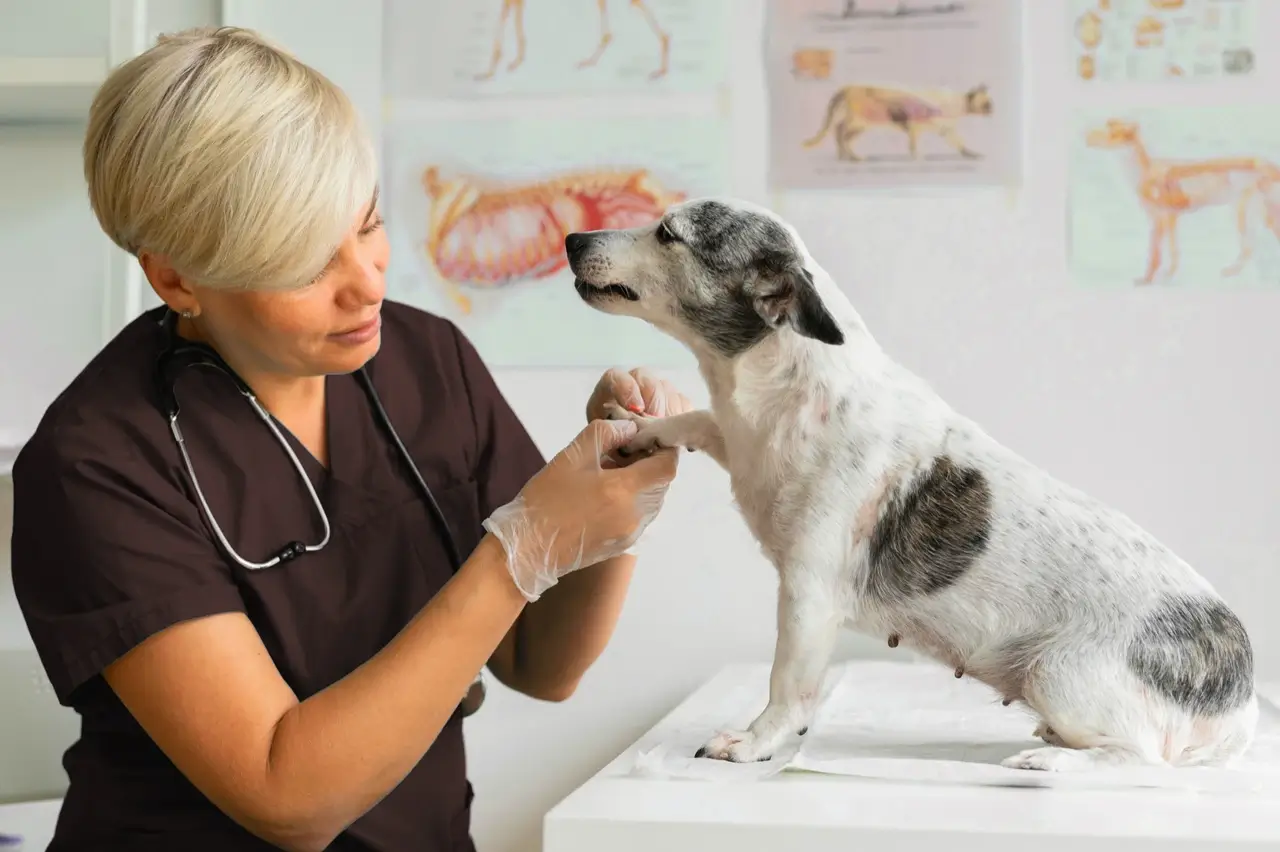
Waiting for symptoms to appear before visiting the veterinarian is a reactive strategy that often leads to higher costs and poorer outcomes. In 2026, the gold standard is bi-annual wellness examinations. These visits allow for baseline blood work, urinalysis, and physical palpation that can catch issues like kidney disease or early-stage tumors before they become symptomatic.
Modern preventative care also includes advanced diagnostic screenings, such as early-detection cancer tests and genetic profiling. These tools help owners understand a pet’s predisposition to certain hereditary conditions, allowing for lifestyle adjustments long before a problem manifests.
Vaccination schedules should be customized based on your local environment and your pet's lifestyle. While core vaccines remain non-negotiable, non-core vaccines (such as those for Lyme disease or Leptospirosis) should be evaluated based on exposure risk. Consistent parasite prevention for fleas, ticks, and heartworm is mandatory year-round, as changing climate patterns have extended the active seasons for many of these pests.
3. Focus on Daily Mental Stimulation and Cognitive Enrichment
Physical health cannot be separated from mental well-being. Boredom in domestic pets is a leading cause of stress-related behaviors, including destructive chewing, excessive barking, and even self-mutilation. To keep your pet truly happy, you must provide daily cognitive challenges that mimic their natural foraging and problem-solving instincts.
Interactive puzzle feeders are an excellent way to turn mealtime into a mental workout. Instead of dumping food into a bowl, use snuffle mats, treat-dispensing toys, or "hide and seek" games. For dogs, "decompression walks"—where the dog is allowed to lead and sniff at their own pace—are crucial for lowering cortisol levels. For cats, vertical space (cat trees and wall perches) and daily "play-and-prey" sessions with wand toys are essential for their psychological health.
Training should be an ongoing process, not just something done in puppyhood. Learning new cues or "tricks" keeps the brain's neural pathways active and strengthens the bond between the owner and the pet.
4. Master Consistent Weight Management and Physical Exercise
Obesity is the most common preventable disease in pets today. Even a few extra pounds can put immense strain on a pet’s skeletal system and internal organs. Keeping your pet healthy involves a strict balance between caloric intake and physical output.
Exercise should be consistent and appropriate for the pet’s life stage. For a young, high-energy breed, this might involve long hikes or fetch; for a senior pet, shorter, more frequent walks are better for maintaining muscle mass without damaging joints. Low-impact exercises, such as swimming or hydrotherapy, are highly recommended for pets with existing joint issues or those recovering from injury.
Monitoring your pet’s Body Condition Score (BCS) is a practical way to track health at home. You should be able to feel your pet’s ribs without a thick layer of fat covering them, and they should have a visible waist when viewed from above. If you notice a sudden weight gain or loss, it is imperative to seek veterinary advice, as this can be a primary indicator of metabolic or hormonal disorders.
5. Maintain Rigorous Dental Hygiene Standards
Dental disease is a "silent" epidemic in pets. By age three, the majority of dogs and cats show some sign of periodontal disease. This is not just a matter of bad breath; oral bacteria can enter the bloodstream and cause serious damage to the heart, liver, and kidneys.
In 2026, daily tooth brushing remains the most effective way to prevent plaque buildup. Use pet-safe enzymatic toothpaste, as human toothpaste contains xylitol or fluoride, which are toxic to animals. If brushing is not possible, supplemental options like dental-specific diets, water additives, and VOHC-approved (Veterinary Oral Health Council) dental chews can help, though they are less effective than mechanical brushing.
Professional dental cleanings under anesthesia are often necessary to address tartar below the gum line. While many owners worry about anesthesia, modern veterinary protocols have made these procedures very safe, and the long-term health benefits of a clean mouth far outweigh the risks for most pets.
6. Create a Safe, Low-Stress Environment
A pet's environment directly impacts their immune system. Chronic stress leads to elevated cortisol, which suppresses the body’s ability to fight off infection. Ensuring your pet feels safe and secure in their home is a vital "pro tip" for longevity.
This includes providing a dedicated "safe zone" or den where the pet can go when they feel overwhelmed by visitors or loud noises. For cats, this means multiple litter boxes in quiet locations and plenty of hiding spots. For dogs, it may be a comfortable crate or a quiet room.
Pay attention to household toxins. Many common plants (like lilies for cats), essential oils (like tea tree or eucalyptus), and human foods (like grapes, onions, and chocolate) are highly dangerous. Additionally, ensure that your cleaning products are "pet-safe," as animals are much closer to the floor and more likely to ingest chemical residues through grooming.
7. Invest in Socialization and Positive Reinforcement
Healthy social interactions are key to a well-adjusted pet. Socialization doesn't just mean meeting other animals; it means exposing your pet to a variety of sounds, textures, people, and environments in a positive way. This builds "resilience," making the pet less likely to develop anxiety or aggression.
Use positive reinforcement techniques—rewarding desired behaviors with treats, praise, or play—rather than punishment. Fear-based training can damage the trust between you and your pet and often leads to hidden behavioral issues that surface later in life. If your pet shows signs of reactivity or severe anxiety, consulting a certified professional animal behaviorist early on is a proactive step in maintaining their mental health.
8. Monitor Vital Signs and Behavioral Shifts Regularly
As a pet owner, you are the first line of defense in health monitoring. Pets are biologically programmed to hide pain and illness, a trait inherited from their wild ancestors. By the time they look "sick," the condition may be advanced.
Get into the habit of performing a weekly "nose-to-tail" check. Look for:
- New lumps, bumps, or skin irritations.
- Changes in eye clarity or discharge.
- Ear redness or odor.
- Changes in water consumption or appetite.
- Shifts in sleeping patterns or energy levels.
Wearable technology in 2026, such as smart collars, can help track resting heart rate, respiratory rate, and sleep quality. These devices provide objective data that can be shared with your veterinarian to identify subtle changes that might otherwise go unnoticed.
9. Ensure Proper Hydration and Kidney Support
Adequate hydration is critical for metabolic function and the prevention of urinary tract issues, especially in cats. Many pets, particularly those on dry kibble diets, live in a state of mild, chronic dehydration.
To encourage drinking, provide multiple water stations with fresh, filtered water. Many pets prefer running water, making pet fountains a worthwhile investment. For cats, adding water or unsalted bone broth to their food can significantly increase their fluid intake. In older pets, proper hydration is one of the most effective ways to support declining kidney function and keep the digestive system moving properly.
10. Prioritize Sleep Quality and Physical Comfort
Just like humans, pets require deep, restorative sleep to maintain their immune systems and cognitive functions. Adult dogs typically need 12–14 hours of sleep, while cats can sleep up to 16 hours a day.
Provide high-quality, orthopedic bedding, especially for senior pets or large breeds prone to hip dysplasia. Ensure their sleeping area is in a temperature-controlled part of the house, away from drafts or direct heat sources. A pet that is constantly interrupted during sleep or is physically uncomfortable will be more prone to irritability and physical stress.
Summary of Pet Care Priorities by Life Stage
| Life Stage | Primary Health Focus | Recommended Vet Frequency | Key Nutrition Goal |
|---|---|---|---|
| Puppy / Kitten | Immune system, Socialization | Every 3-4 weeks (until 16 weeks) | Growth-specific calories & DHA |
| Adult | Weight management, Dental health | Annual / Bi-annual | Maintenance of lean muscle |
| Senior (7+ Years) | Joint health, Organ function | Every 6 months | High-quality protein, lower calories |
| Geriatric | Quality of life, Cognitive function | Every 3-4 months | Easy-to-digest, anti-inflammatory |
Frequently Asked Questions
How often should I actually walk my dog for optimal health?
For most healthy adult dogs, a minimum of 30 to 60 minutes of active exercise daily is required. However, this should be split into at least two sessions. The intensity should match the breed; a Border Collie may need vigorous running, while a Pug may benefit more from brisk walks to avoid respiratory distress. Always monitor the outdoor temperature to prevent heatstroke or frostbite.
Is a grain-free diet better for my pet's health?
Not necessarily. While some pets have specific grain allergies, they are relatively rare. Most "food allergies" are actually reactions to the protein source (like chicken or beef). Research from the American Veterinary Medical Association (AVMA) has also looked into potential links between certain boutique grain-free diets and heart conditions like dilated cardiomyopathy (DCM). Always consult a vet before making a drastic dietary shift.
What are the first signs that my pet might be in pain?
Pets often show pain through subtle behavioral changes rather than whining. Signs include "masking" behavior, hiding more than usual, a sudden reluctance to jump or climb stairs, or a change in grooming habits (over-grooming a specific spot or stopping grooming altogether). Changes in appetite or "grumpiness" when touched are also major red flags.
Can I use human supplements like CBD or Glucosamine for my pet?
You should only use supplements specifically formulated for pets. Human versions often contain higher concentrations or additional ingredients (like certain sweeteners) that can be toxic to animals. Glucosamine and Chondroitin are highly effective for joint health, but the dosage must be precisely calibrated to the animal's weight.
Why is my pet’s mental health considered as important as physical health?
Mental stress has a direct physiological impact. High stress levels lead to a weakened immune system, making pets more susceptible to infections and chronic diseases. Furthermore, a mentally unstimulated pet is more likely to engage in dangerous behaviors, such as eating non-food items, which can lead to emergency surgeries.
Establishing a 2026 Care Calendar
The best way to ensure your pet remains happy and healthy is to move from a "reactive" mindset to a "managed" care schedule. Start by creating a digital calendar for the year. Mark your bi-annual vet appointments, monthly parasite prevention dates, and weekly health checks.
Dedicate 15 minutes each day specifically to "intentional engagement"—this is time spent purely on bonding, training, or play, separate from basic care like feeding or bathroom breaks. By systematizing these "pro tips," you ensure that your pet’s health never becomes an afterthought, but rather a consistent, life-extending habit.