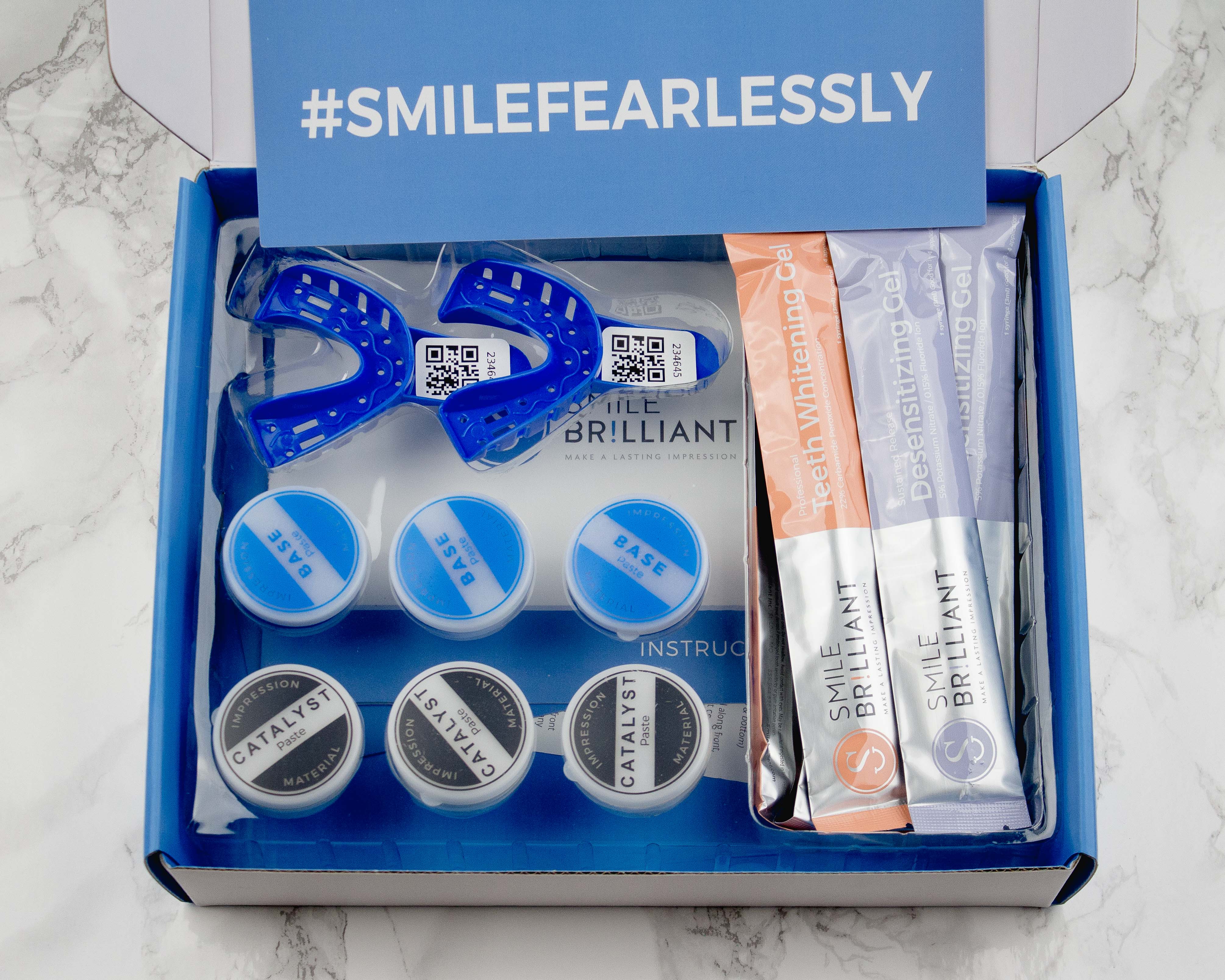
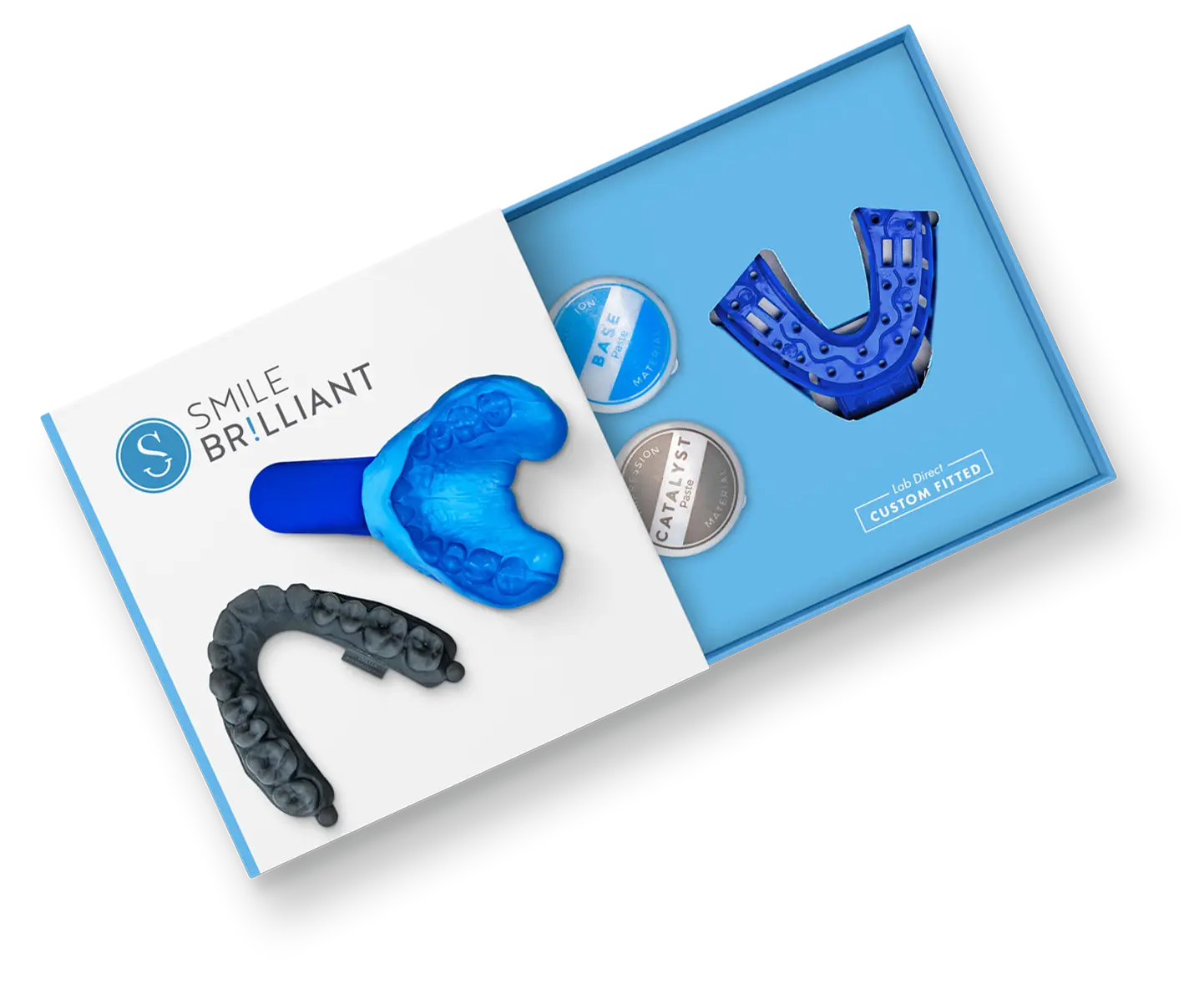
Achieving a flash brilliant smile using 10% peroxide teeth whitening involves applying a controlled concentration of hydrogen or carbamide peroxide to the enamel to oxidize organic stains. In 2026, this 10% concentration remains the gold standard for balancing rapid aesthetic results with dental safety, typically producing visible whitening within three to five days and full results within two weeks.
Teeth whitening technology has evolved significantly, yet the foundational chemistry of peroxide-based bleaching remains the most effective method for removing both extrinsic stains (surface) and intrinsic discolorations (within the tooth structure). When consumers search for "10 peroxide" solutions, they are typically navigating between 10% Hydrogen Peroxide and 10% Carbamide Peroxide. Understanding the nuances of these chemical concentrations is the first step toward a brighter smile that does not compromise long-term oral health.
The Chemistry of 10% Peroxide: Hydrogen vs. Carbamide
The term "10% peroxide" is often used loosely, but in the clinical landscape of 2026, there is a vital distinction between Hydrogen Peroxide (HP) and Carbamide Peroxide (CP). Hydrogen peroxide is a potent oxidizing agent that breaks down rapidly, releasing most of its whitening power within the first 30 to 60 minutes of application. This makes 10% HP ideal for "flash" treatments—short daytime sessions that fit into a busy schedule.
In contrast, Carbamide Peroxide is a more stable complex that breaks down into hydrogen peroxide and urea. A 10% CP solution is roughly equivalent to a 3.5% HP solution in terms of pure bleaching strength. However, because it releases its oxygen molecules more slowly over several hours, it is often preferred for overnight whitening or for individuals with a history of tooth sensitivity. The urea in the formula also raises the pH of the mouth, which can help reduce the risk of enamel demineralization during the whitening process.
For those seeking a "flash" brilliant smile fast, 10% Hydrogen Peroxide is the more aggressive and efficient option. It penetrates the porous enamel more quickly to reach the dentin, where the most stubborn yellowing occurs. By breaking the double carbon bonds of stain molecules, the peroxide effectively turns them into smaller, colorless structures, resulting in a whiter appearance.
Practical Timelines: How Fast Can You Expect Results?
The desire for "fast" results must be balanced with the biological limits of the tooth structure. While high-concentration in-office treatments (often 35% to 40% peroxide) can whiten teeth in a single hour, 10% peroxide is designed for daily use over a short duration.
- Days 1-3: Initial removal of extrinsic stains from coffee, tea, and tobacco. Most users notice a "flash" of brightness as the surface debris is cleared.
- Days 4-7: The peroxide begins to penetrate the dentin. This is where the actual shade change occurs. Most "brilliant smile" transformations are significantly visible by the end of the first week.
- Days 8-14: Final stabilization of the shade. Continuing treatment to day 14 ensures that the whitening is deep-seated and less likely to regress quickly (rebound).
In 2026, many 10% peroxide kits are paired with specialized "flash" accelerators, such as high-intensity blue LED lights. While the light itself does not whiten teeth, it acts as a catalyst to speed up the decomposition of the peroxide, allowing for shorter wear times while maintaining the efficacy of the 10% concentration.
Delivery Systems for 10% Peroxide Whitening
The method of delivery is just as important as the concentration of the peroxide. For a 10% solution to work effectively and "fast," it must remain in constant, uniform contact with the tooth surface while being shielded from saliva, which contains enzymes (catalase and peroxidase) that can neutralize peroxide.
Custom-Fitted Trays
Considered the most effective professional-grade home delivery system, custom trays are fabricated from a mold of the patient’s teeth. This ensures that the 10% peroxide gel is held precisely against the enamel and away from the sensitive gingival (gum) tissue. This precision allows for the highest "brilliant smile" potential because every contour of the tooth receives equal treatment.
Prefilled Moldable Strips
Modern whitening strips in 2026 utilize advanced "no-slip" dry-gel technology. These are convenient for "flash" whitening on the go. While they may not reach every corner of the interdental spaces as well as custom trays, they are highly effective for the visible "smile zone" and are often the fastest way to start a whitening regimen.
Whitening Pens and Brushes
These are generally used for maintenance or "spot" whitening. While a 10% peroxide pen can offer a quick boost before an event, it lacks the barrier protection of a tray or strip, meaning the peroxide is quickly washed away by saliva. These should be viewed as supplementary tools rather than the primary driver of a transformation.
Comparative Analysis: 10% Peroxide vs. Alternatives
To decide if 10% peroxide is the right path for your specific needs, it is helpful to compare it against other common concentrations and methods available in the current 2026 market.
| Feature | 10% Hydrogen Peroxide | 10% Carbamide Peroxide | 35% Professional In-Office | Non-Peroxide (PAP+) |
|---|---|---|---|---|
| Speed of Result | Fast (3-7 days) | Moderate (7-14 days) | Immediate (1 hour) | Moderate (7-10 days) |
| Wear Time | 30–60 mins/day | 2–4 hours or Overnight | 1 hour total | 30 mins/day |
| Sensitivity Risk | Moderate | Low | High | Minimal |
| Best For | Busy schedules | Sensitive teeth | Wedding/Event prep | Peroxide-sensitive users |
| Mechanism | Rapid Oxidation | Slow-release Oxidation | Thermal/Light Catalyst | Phthalimidoperoxycaproic Acid |
Safety Protocols and Sensitivity Management
When pursuing a "flash brilliant" smile fast, the most common side effect is transient dentin hypersensitivity. This occurs when the peroxide opens the microscopic tubules in the enamel, allowing temperature changes and the whitening agent itself to reach the nerve endings.
To mitigate this in 2026, manufacturers often incorporate desensitizing agents directly into the 10% peroxide formula. Look for ingredients such as Potassium Nitrate, which calms the tooth's nerve, and Sodium Fluoride, which helps remineralize the enamel and block the tubules.
Additionally, users should avoid highly acidic foods (like citrus or soda) and extremely cold beverages for at least 30 minutes following a 10% peroxide session. If sensitivity becomes uncomfortable, the "skip-a-day" method is recommended. Because peroxide has a cumulative effect, taking a 24-hour break will not significantly diminish the final whitening result, but it will allow the tooth's internal pressure to stabilize.
Maintaining Your Brilliant Smile Post-Treatment
Once you have achieved your desired shade with a 10% peroxide regimen, the focus shifts to longevity. The "flash" of brilliance can fade if the pores of the teeth are immediately saturated with dark pigments.
- The 48-Hour "White Diet": After the final treatment, the teeth are particularly porous. For the first two days, avoid "staining" substances like red wine, soy sauce, beets, and coffee.
- Maintenance Buffing: Use a whitening toothpaste with low RDA (Relative Dentin Abrasivity) to remove daily surface stains without wearing down the enamel.
- Hydration: Drinking water after consuming staining foods helps rinse pigments away before they can bind to the enamel protein pellicle.
- Touch-Up Cycles: Most brilliant smiles require a "mini-boost" every 4 to 6 months. Using a 10% peroxide kit for just 1 or 2 days can restore the peak brightness.
Frequently Asked Questions
Is 10% peroxide safe for tooth enamel?
Yes, clinical studies have repeatedly shown that 10% peroxide (especially Carbamide Peroxide) is safe for enamel when used as directed. It does not "melt" the enamel; rather, it passes through it to reach the stains within. Overuse, however, can lead to temporary dehydration of the tooth, making it appear chalky.
Can I use 10% peroxide if I have crowns or veneers?
Peroxide will only whiten natural tooth structure. It cannot change the color of porcelain, composite resin, or ceramic. If you have visible dental work, the surrounding natural teeth will whiten, but the crowns or veneers will remain their original shade, which may result in an uneven look.
How many shades whiter can I get with a 10% solution?
Most users see an improvement of 3 to 7 shades on a standard dental shade guide. The final result depends on the starting point; teeth with yellow undertones respond much better to 10% peroxide than those with gray or brownish-purple tones (which may be caused by internal medications like tetracycline).
Should I brush my teeth right before whitening?
It is generally recommended to brush with water or a non-fluoride toothpaste before whitening to ensure the gel has direct contact with the enamel. However, avoid vigorous brushing or flossing immediately before, as this can irritate the gums, making them more susceptible to "chemical burn" or blanching from the peroxide.
What should I do if my gums turn white?
Blanching of the gingiva is a common and temporary side effect of 10% hydrogen peroxide. It usually resolves within 20 to 60 minutes. To prevent this, ensure your delivery system (tray or strip) does not overlap onto the gum tissue, or apply a small amount of vitamin E oil or petroleum jelly to the gums before starting.
Actionable Strategy for a Brilliant Smile
To achieve the best results with "10 peroxide teeth whitening," start by consulting with a dental professional to ensure you have no underlying cavities or gum disease, as peroxide can cause intense pain if it enters a decayed area. Select a high-quality 10% Hydrogen Peroxide kit if you want results in under a week, or a 10% Carbamide Peroxide kit if you prefer a gentler, more gradual approach. Commit to a consistent 14-day cycle, use a desensitizing toothpaste as a prophylactic measure, and strictly adhere to the "white diet" during the active treatment phase to lock in your new, brilliant smile.