The "All Too Well (10 Minute Version) (Taylor’s Version)" is a cinematic lyrical journey that expands on Taylor Swift’s 2012 cult classic, transforming a heartbreak ballad into a complex narrative about power dynamics, memory, and the pain of being "kept like a secret." By re-incorporating lost verses, Swift provides a detailed emotional breakdown of a formative relationship’s collapse and its lasting psychological impact.
The Evolution of "All Too Well": From 2012 to the 10-Minute Legend
In the landscape of modern pop music, few songs carry the mythological weight of "All Too Well." Originally released on the 2012 album Red, the song was never a primary single, yet it became the definitive fan-favorite due to its vivid storytelling and raw vulnerability. For nearly a decade, whispers of an original "10-minute version" circulated among fans, sparked by Swift’s own mentions in interviews that the song began as an ad-libbed studio jam that ran excessively long.
When Swift began her project of re-recording her first six albums to reclaim her masters, the release of Red (Taylor’s Version) in late 2021 finally unveiled the legendary "From The Vault" track. As of 2026, the song has transcended its status as a mere "long version" of a hit; it is studied in songwriting workshops and university courses as a masterclass in narrative structure. The 10-minute version is not just a longer song; it is a more caustic, reflective, and ultimately more devastating look at the same events described in 2012, benefiting from the perspective of a narrator who has had a decade to process the trauma.
Lyrical Analysis: Breaking Down the Emotional Core
To perform a "quick emotional breakdown" of this track, one must look at the three distinct phases of the narrative: the innocence of the beginning, the gaslighting of the middle, and the haunting persistence of the ending.
The New Verses and the "Secret" Oath
One of the most striking additions is the lyric, "You kept me like a secret, but I kept you like an oath." This line serves as the emotional pivot of the entire 10-minute version. It highlights a fundamental imbalance in the relationship: while the older partner (referenced as being 29) viewed the narrator (referenced as being 21) as something to be hidden or downplayed, the narrator viewed the commitment as a sacred, unbreakable vow.
The Age Gap and Power Dynamics
The 10-minute version leans heavily into the discomfort of the age difference. Lines such as "I’ll get older, but your lovers stay my age" serve as a sharp critique of the partner’s patterns. This isn't just about a breakup; it is about the realization that the narrator was a "never-needing-anything" girl who was actually just too young to realize she was being manipulated. The breakdown of the "Brooklyn" birthday party—where the narrator cries in the bathroom while her father asks what happened—adds a layer of familial heartbreak that was absent from the 2012 edit.
The "All Too Well" Metaphor
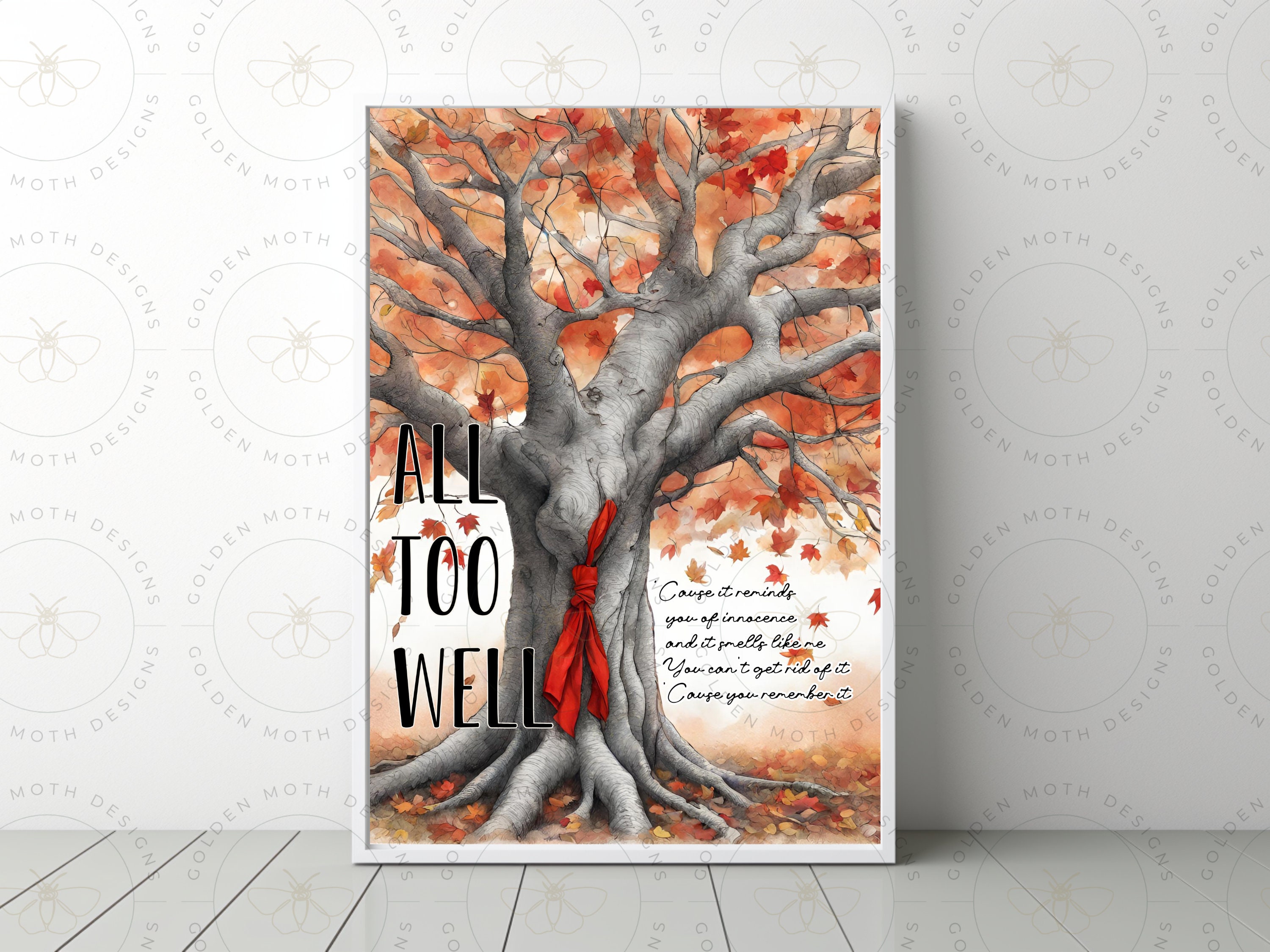
The central metaphor remains the "scarf," left at a sister's house. In the 10-minute version, the scarf takes on a heavier meaning. It is no longer just a forgotten accessory; it represents the pieces of herself the narrator left behind and the parts of the experience the partner refuses to let go of because they "smell like innocence."
Technical Production and the Sonic Shift
The production of the 10-minute version, handled by Swift and Jack Antonoff, differs significantly from the original Nathan Chapman-produced track. While the 2012 version is a slow-burn country-rock ballad that peaks at a soaring bridge, the 10-minute version is built on a driving, insistent beat that feels like a steady heartbeat or the ticking of a clock.
This sonic choice is intentional. It mimics the relentless nature of memory—how thoughts about a past lover can loop and expand until they fill the entire room. The outro of the song is particularly noteworthy. For the final two minutes, the song enters a "fade-out" state with atmospheric backing vocals repeating the phrase "down the stairs, I was there," creating a snowy, ethereal landscape. It suggests that while the anger has subsided, the memory remains a permanent fixture of the narrator’s internal world.
| Feature | Original Version (2012) | Taylor’s Version (10 Minute) |
|---|---|---|
| Duration | 5:29 | 10:13 |
| Production Style | Acoustic-driven country rock | Atmospheric synth-pop and indie folk |
| Key Lyrical Focus | The immediate pain of the loss | Power dynamics, age gaps, and long-term memory |
| Bridge Intensity | High-energy vocal peak | Controlled, narrative-heavy progression |
| Historical Milestone | Fan-favorite deep cut | Longest song to ever reach #1 on Billboard |
The Visual Breakdown: The All Too Well Short Film
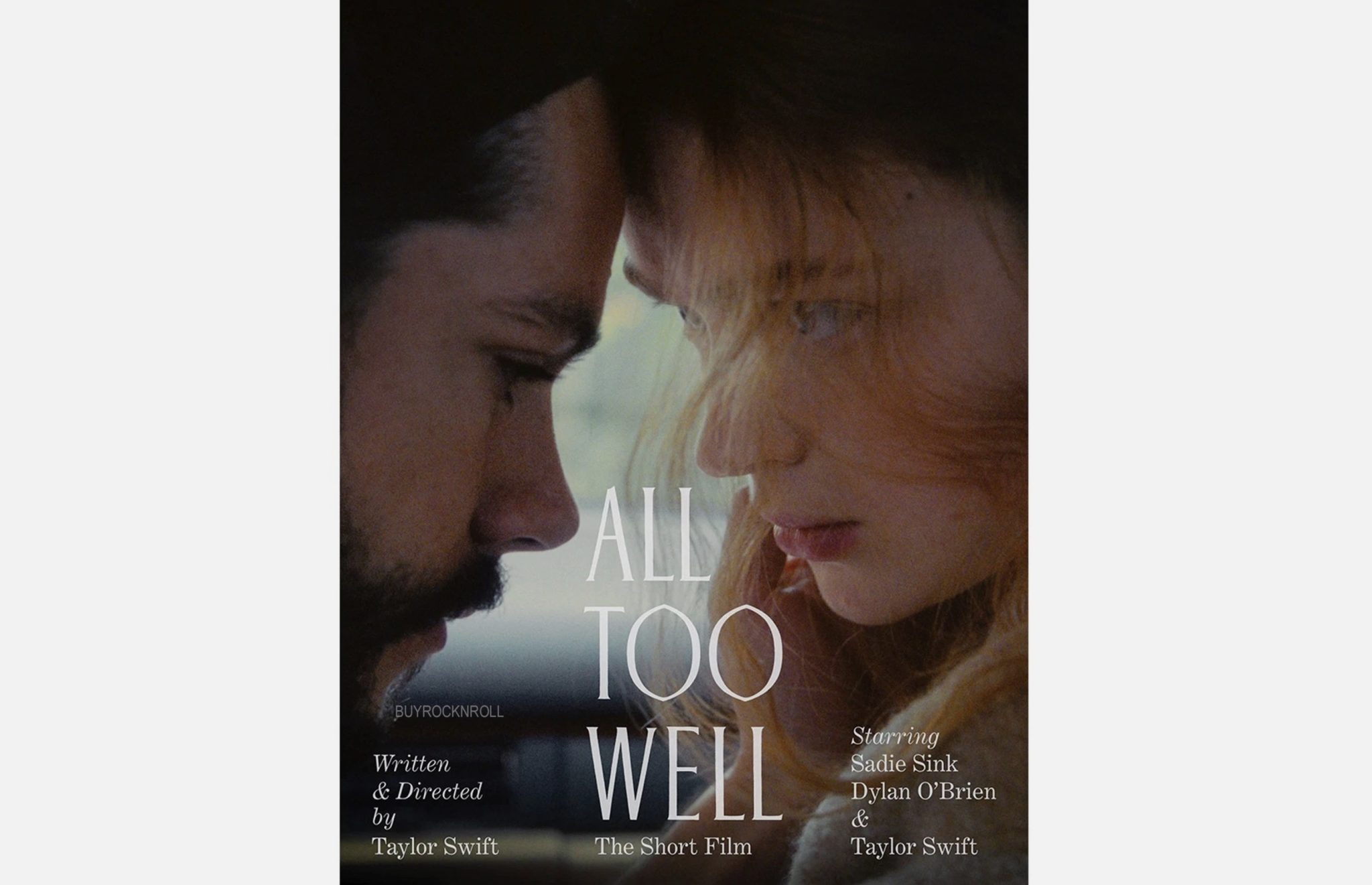
A crucial part of the "emotional breakdown" of this song involves its visual counterpart. Swift directed All Too Well: The Short Film, starring Sadie Sink and Dylan O'Brien. The film visualizes the lyrics with painful precision, particularly the "kitchen table" scene where the two characters argue.
This scene is a masterpiece of showing, not telling. It captures the subtle ways a partner can make the other feel "crazy" through dismissive body language and verbal redirection. By the time the song reaches its climax, the audience has seen the physical representation of the "refrigerator light" and the "dancing 'round the kitchen," making the final heartbreak feel visceral. In 2026, the film is still cited as a pivotal moment in Swift's transition from songwriter to serious filmmaker, eventually leading to her feature directorial projects.
Why the "Emotional Breakdown" Resonates Universally
Despite being a highly specific account of a celebrity relationship, "All Too Well (10 Minute Version)" resonates because it touches on universal psychological truths. It maps the trajectory of a relationship where one person was "paralyzed" by the intensity while the other was "casually cruel."
The song identifies the feeling of being "a crumpled up piece of paper lying here," a metaphor for the discarded feeling that follows a major life disappointment. By extending the song to ten minutes, Swift gives the listener permission to sit in that feeling. It validates the idea that some heartbreaks are too big for a standard four-minute radio edit. It allows for the complexity of missing someone while simultaneously resenting them for how they treated you.
Is the "All Too Well (10 Minute Version)" Factually Accurate to the Original Draft?
While Swift has long claimed the song was originally 10 minutes, some music historians and critics have debated how much of the 2021 release was written in 2011 versus how much was polished or added during the re-recording process. However, Swift has maintained that these lyrics were part of the "vault" of ideas she had at the time, even if they were only roughly sketched out during the original Red sessions.
Who is the Subject of the Song?
While Taylor Swift never officially names the subjects of her songs, it is widely accepted by fans and media outlets—based on lyrical clues such as the "Brooklyn" setting, the "actor" reference, and the specific age gap—that the song describes her relationship with actor Jake Gyllenhaal. The 10-minute version adds more specific details that align with this timeline, though Swift emphasizes that the song now belongs to the fans.
Why is it Considered the Longest Song to Reach #1?
In late 2021, "All Too Well (10 Minute Version)" broke the Guinness World Record for the longest song to ever reach number one on the Billboard Hot 100, surpassing Don McLean’s "American Pie," which held the record for nearly 50 years. This achievement solidified the song's place in music history, proving that audiences have an appetite for long-form storytelling in an era of shortening attention spans.
What Does the Ending Outro Mean?
The repeating lines "Down the stairs, I was there" and "Sacred prayer, I was there" in the final minutes of the song signify the narrator’s insistence on the validity of her memory. It is a way of saying "I didn't imagine this; this happened, and it mattered." The fading out suggests the passage of time and the eventual turning of the memory into a ghost-like presence.
How Does This Version Impact the "Red (Taylor's Version)" Album?
The 10-minute version serves as the emotional anchor of the re-recorded album. It provides the "why" behind the erratic emotional shifts of the rest of the tracklist. Because Red is an album about a "fractured" heartbreak, having a 10-minute centerpiece that explains the depth of that fracture makes the entire listening experience more cohesive.
Practical Listening: How to Approach the Track
For those looking to experience the full emotional breakdown of the 10-minute version, a specific listening environment is often recommended. Because the song is narrative-heavy and detail-oriented, it benefits from "active listening" rather than being background music.
- Use High-Quality Headphones: The production has many layers, including subtle vocal echoes and instrumental builds that are lost on standard phone speakers.
- Watch the Short Film Simultaneously: If it is your first time hearing the 10-minute version, watching the visual narrative directed by Swift helps ground the lyrics in a physical space.
- Read the Lyrics: Pay close attention to the second and fourth verses, which contain the bulk of the "new" material. Understanding the transition from "the scarf" to "the birthday party" is key to following the emotional arc.
- Listen in Context: To truly feel the weight of the 10-minute version, listen to it at the end of the Red (Taylor’s Version) album, where it was designed to be the final word on the story.