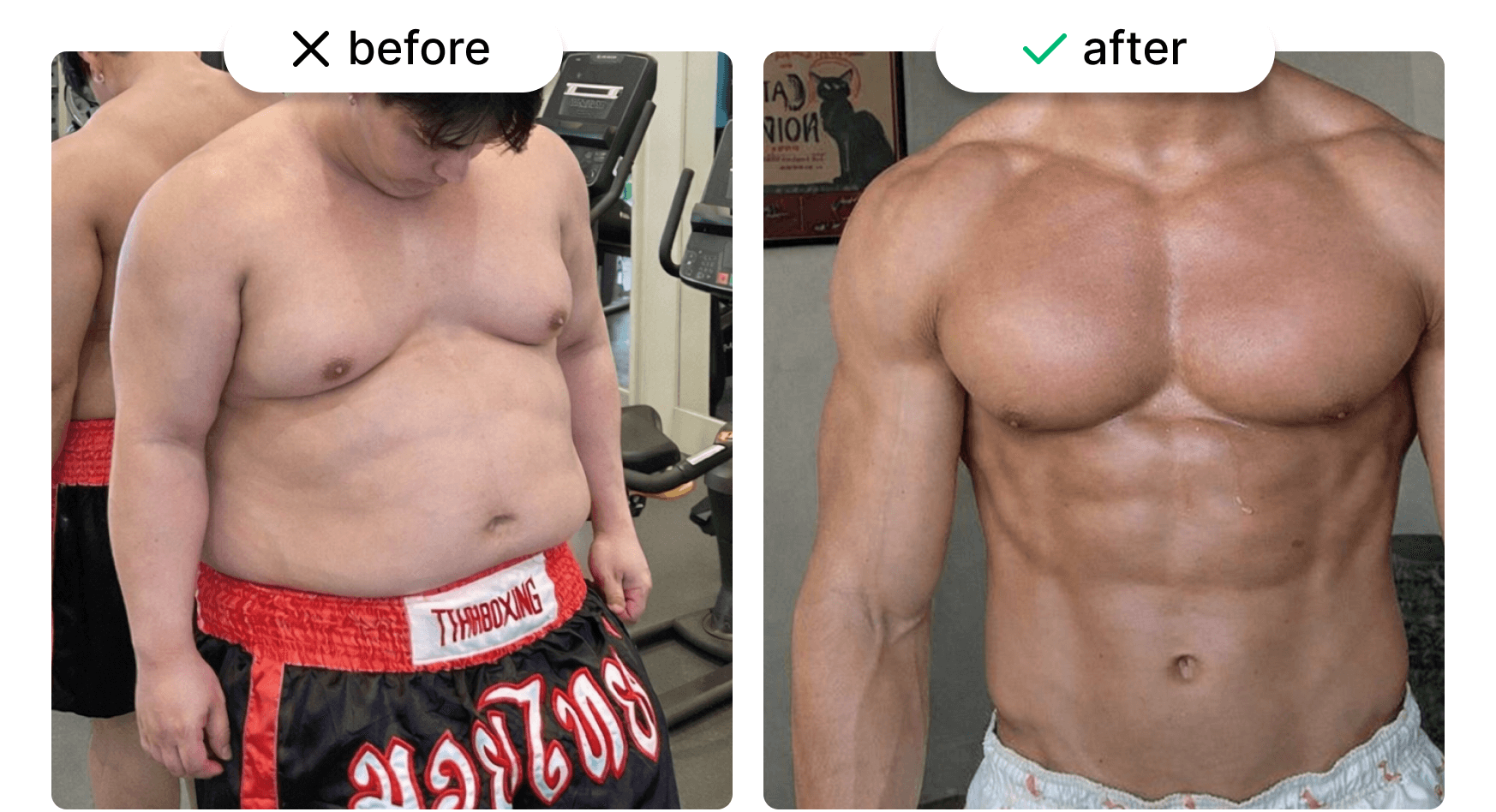
Losing 10 pounds is a significant physiological and visual milestone that produces noticeable changes in facial definition, clothing fit, and energy levels. While the visual impact depends heavily on your height and starting body composition, most individuals experience reduced systemic inflammation and improved metabolic health, making it a foundational step toward long-term wellness.
The journey to a 10-pound weight loss is often the first "real" test of a new fitness or nutrition regimen. In 2026, the focus in the health community has shifted from purely looking at the number on the scale to understanding the quality of that weight loss—specifically the ratio of adipose tissue (fat) lost to lean muscle mass preserved. Because 10 pounds can look vastly different on a 5'2" frame compared to a 6'2" frame, understanding the variables of body composition is essential for setting realistic expectations.
The Variable Impact: Why 10 Pounds Looks Different on Everyone
One of the most frequent questions in fitness communities is why one person looks transformed after a 10-pound loss while another looks almost the same. This phenomenon is largely governed by height, frame size, and the "Paper Towel Effect."
The Paper Towel Effect is a common analogy used by fitness professionals to describe how weight loss becomes more visible the closer you get to your goal weight. Imagine a brand-new roll of paper towels. If you remove 10 sheets, the roll looks virtually unchanged because its circumference is large. However, if the roll is already half-empty and you remove 10 sheets, the diameter of the roll shrinks noticeably. Similarly, for someone starting at 250 pounds, a 10-pound loss may not be immediately visible to others. For someone starting at 150 pounds, those same 10 pounds represent a much higher percentage of their total body mass, often resulting in a drop in clothing size.
Height also plays a critical role. On a shorter individual, fat is distributed over a smaller surface area. Consequently, a 10-pound reduction often translates into a more dramatic change in silhouettes. On a taller individual, that weight loss is spread across a longer torso and longer limbs, making the change more subtle. This is why "before and after" photos of people at different heights can be so deceptive.
The Physiological Timeline: How Long Does it Take?
In 2026, health organizations like the Centers for Disease Control and Prevention (CDC) continue to advocate for a steady, sustainable weight loss of 1 to 2 pounds per week. Following this evidence-based guideline, a 10-pound loss should ideally take between 5 and 10 weeks.
While "crash diets" or extreme caloric deficits can force the scale down 10 pounds in a matter of days, this is rarely true fat loss. Rapid initial weight loss is usually attributed to:
- Glycogen Depletion: Your body stores carbohydrates in the muscles and liver as glycogen. Every gram of glycogen is bound to about three to four grams of water. When you cut calories or carbs, your body burns through glycogen, releasing significant water weight.
- Reduced Inflammation: High-sodium diets and processed foods cause the body to hold onto extracellular fluid. Shifting to whole foods often flushes this excess water quickly.
- Digestive Volume: Simply eating less food means there is less volume in the digestive tract, which can reflect as a few pounds on the scale.
True adipose tissue loss requires a consistent caloric deficit where the body is forced to mobilize stored fat for energy. A 10-pound loss achieved over two months is far more likely to be permanent and visually pleasing than a 10-pound loss achieved in one week of starvation.
Visible Changes: Where You’ll See the Difference First
When you lose 10 pounds of actual fat, the changes often manifest in specific areas of the body first, though "spot reduction" (choosing where you lose fat) is a biological impossibility. Most people notice changes in the following order:
Facial Definition and the "Face Gains" Phenomenon
The face is often the first place weight loss becomes visible. As subcutaneous fat decreases, the jawline becomes more defined, cheekbones appear more prominent, and the neck loses some of its fullness. This is often referred to as "face gains" in online fitness communities. Because the face is the primary way we interact with others, this is usually the first change that friends and colleagues notice.
The Waistline and Midsection
While the belly is often the last place for stubborn fat to leave, a 10-pound loss usually results in a reduction of visceral fat—the dangerous fat stored around internal organs. This causes the waist circumference to shrink. Many people find that their pants feel looser or that they need to move their belt by one notch.
Extremities and Vascularity
As the layer of fat beneath the skin thins, you may notice more definition in your collarbones, wrists, and ankles. In 2026, many health enthusiasts track "vascularity," or the visibility of veins, particularly in the forearms and feet, as a sign of lowering body fat percentages.
Comparing Weight Loss vs. Body Recomposition
It is vital to distinguish between losing "weight" and losing "fat." If you lose 10 pounds through cardio and a severe caloric deficit, you may lose muscle mass, which can lead to a "skinny-fat" appearance. Conversely, if you engage in resistance training, you might only lose 5 pounds on the scale but look significantly leaner because you’ve replaced fat with dense muscle.
| Metric | Pure Weight Loss (Caloric Deficit Only) | Body Recomposition (Deficit + Strength Training) |
|---|---|---|
| Visual Result | Smaller version of current shape | More "toned" and defined silhouette |
| Metabolic Impact | Can slightly lower Resting Metabolic Rate (RMR) | Increases RMR due to higher muscle mass |
| Clothing Fit | Clothes fit looser but shape remains same | Significant change in how clothes drape |
| Skin Elasticity | Higher risk of "sagging" if loss is rapid | Muscle "fills out" the frame, improving appearance |
| Energy Levels | Often fluctuates or drops | Generally higher and more stable |
The Health Benefits of a 10-Pound Loss
Beyond the mirror, 10 pounds can trigger a cascade of internal health improvements. For an individual weighing 200 pounds, a 10-pound loss represents 5% of their total body weight. Clinical studies consistently show that losing just 5% of body weight can significantly improve:
- Blood Pressure: Reducing weight eases the workload on the heart, often leading to a measurable drop in systolic and diastolic pressure.
- Insulin Sensitivity: Fat cells, particularly visceral fat, interfere with insulin's ability to regulate blood sugar. Losing 10 pounds can lower the risk of Type 2 diabetes or help manage existing pre-diabetic conditions.
- Joint Health: Every pound of weight lost removes approximately four pounds of pressure from the knee joints. A 10-pound loss equates to a 40-pound reduction in pressure with every step you take.
- Sleep Quality: Weight loss is one of the most effective ways to reduce the severity of obstructive sleep apnea and improve overall sleep architecture.
Strategies for a Successful 10-Pound Transformation
To achieve real, visible results that stay off, your approach should be multi-dimensional. In 2026, the consensus among nutritionists emphasizes sustainability over restriction.
Prioritize Protein Intake
To ensure the 10 pounds you lose are primarily fat, you must consume adequate protein. Protein has a high thermic effect (it takes more energy to digest) and provides the building blocks necessary to maintain muscle tissue during a caloric deficit. Aim for roughly 0.7 to 1.0 grams of protein per pound of your goal body weight.
Incorporate Resistance Training
Cardio is excellent for heart health, but resistance training is the key to changing your body’s shape. Lifting weights or performing bodyweight exercises ensures that your body prioritizes burning fat rather than breaking down muscle for energy.
Monitor Non-Scale Victories (NSVs)
The scale is a fickle tool. It can be influenced by salt intake, hydration, and hormonal cycles. To see "real results," use secondary tracking methods:
- Progress Photos: Take photos in the same lighting and clothing every two weeks.
- Body Measurements: Use a tape measure for your chest, waist, hips, and thighs.
- Strength Gains: Are you able to lift more or do more pushups? This indicates you are building muscle while losing fat.
Common Pitfalls to Avoid
Many people get discouraged because they expect 10 pounds to solve all their aesthetic concerns. It is important to avoid these common psychological and physical traps:
- The Plateau Illusion: You may lose 5 pounds quickly and then stall for two weeks. This is often just water retention masking fat loss. Stay the course.
- Overestimating Exercise Calories: Modern fitness trackers in 2026 are better than previous versions, but they still often overestimate calories burned. You cannot out-train a poor diet.
- Ignoring Sleep and Stress: High cortisol levels from lack of sleep or chronic stress can cause the body to retain water and increase cravings for high-calorie "comfort" foods, making it harder to maintain a deficit.
Where do you notice a 10 lb weight loss first?
Most people notice a 10-pound weight loss first in their face and neck area, followed by a loosening of clothing around the waist. Because facial fat is subcutaneous and highly visible, "face gains" are typically the first indicator of progress.
Is 10 pounds enough to change a dress or pant size?
In many cases, yes. On average, it takes losing about 8 to 12 pounds to drop one clothing size. However, this depends on where you store fat; if you lose most of the 10 pounds from your upper body but carry your weight in your hips, your pant size might remain the same while your shirts fit better.
Why do I look the same after losing 10 pounds?
If you don't see a difference, you may be experiencing the "Paper Towel Effect," where the loss isn't yet visible relative to your starting size. Additionally, if the loss was mostly water weight or muscle (due to a lack of protein and exercise), your body's shape may not have changed significantly even though the scale moved.
How many calories do I need to cut to lose 10 pounds?
To lose 10 pounds of fat, you theoretically need a cumulative deficit of approximately 35,000 calories. Over 10 weeks, this equals a 500-calorie daily deficit. This is best achieved through a combination of eating slightly less and moving slightly more.
Can I lose 10 pounds in a month?
While losing 10 pounds in a month is possible, it is on the aggressive side (2.5 lbs per week). This pace is generally more appropriate for individuals with a higher starting weight. For those closer to their goal weight, a slower pace is recommended to avoid muscle loss and metabolic slowdown.
Next Actions for Your Weight Loss Journey
If you are aiming for a 10-pound transformation, your first step should be to establish a baseline. Document your starting weight, take clear photos from the front, side, and back, and record your waist measurement. Focus on a modest caloric deficit—approximately 250 to 500 calories below your maintenance level—and prioritize protein and strength training.
Remember that the "real results you can see" are often a delayed reaction. Your body may be changing internally for weeks before the mirror reflects your hard work. Stay consistent with your habits for at least six weeks before making major adjustments to your plan. By focusing on body composition rather than just the number on the scale, you ensure that the 10-pound difference is one that truly transforms your health and appearance for the long term.