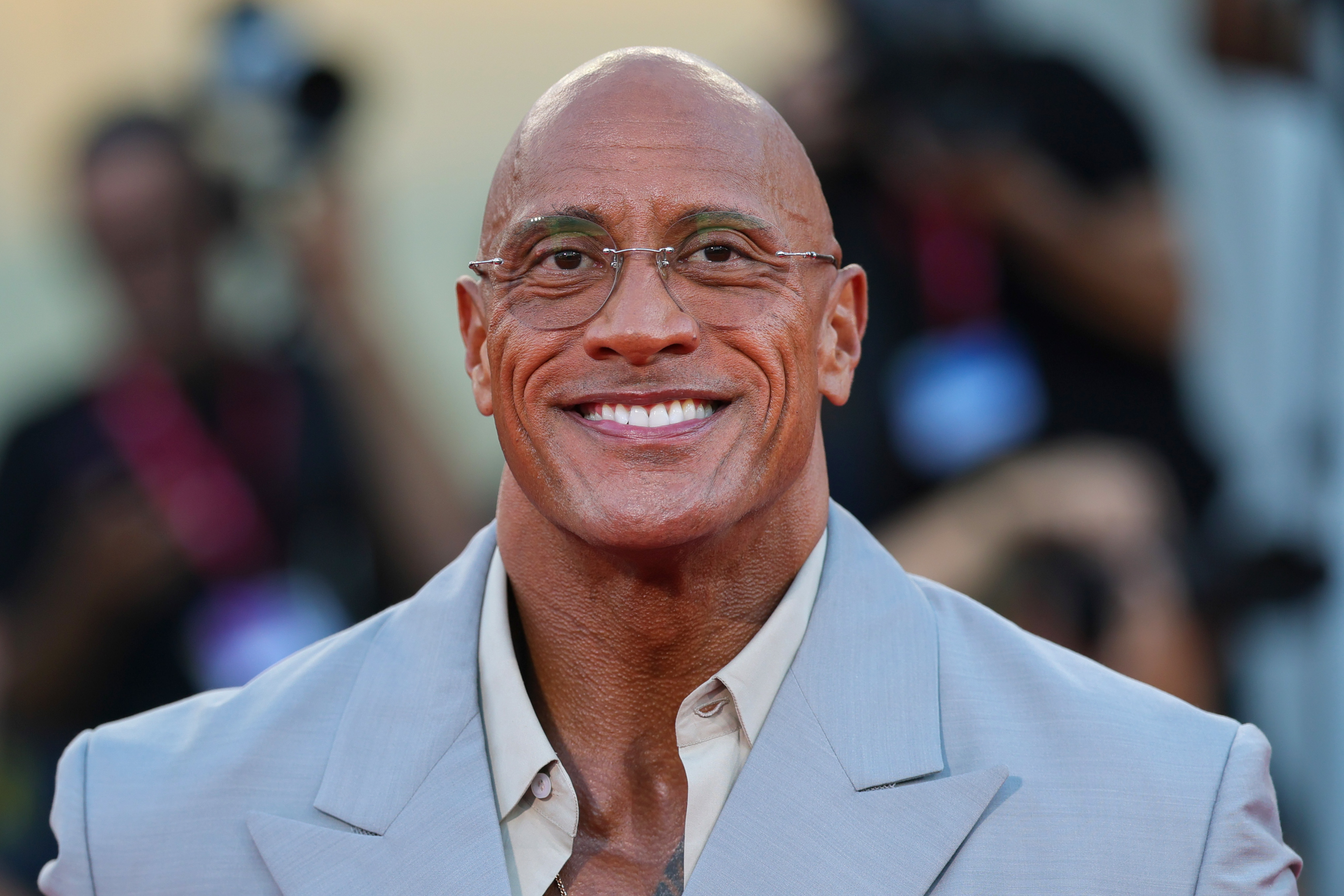
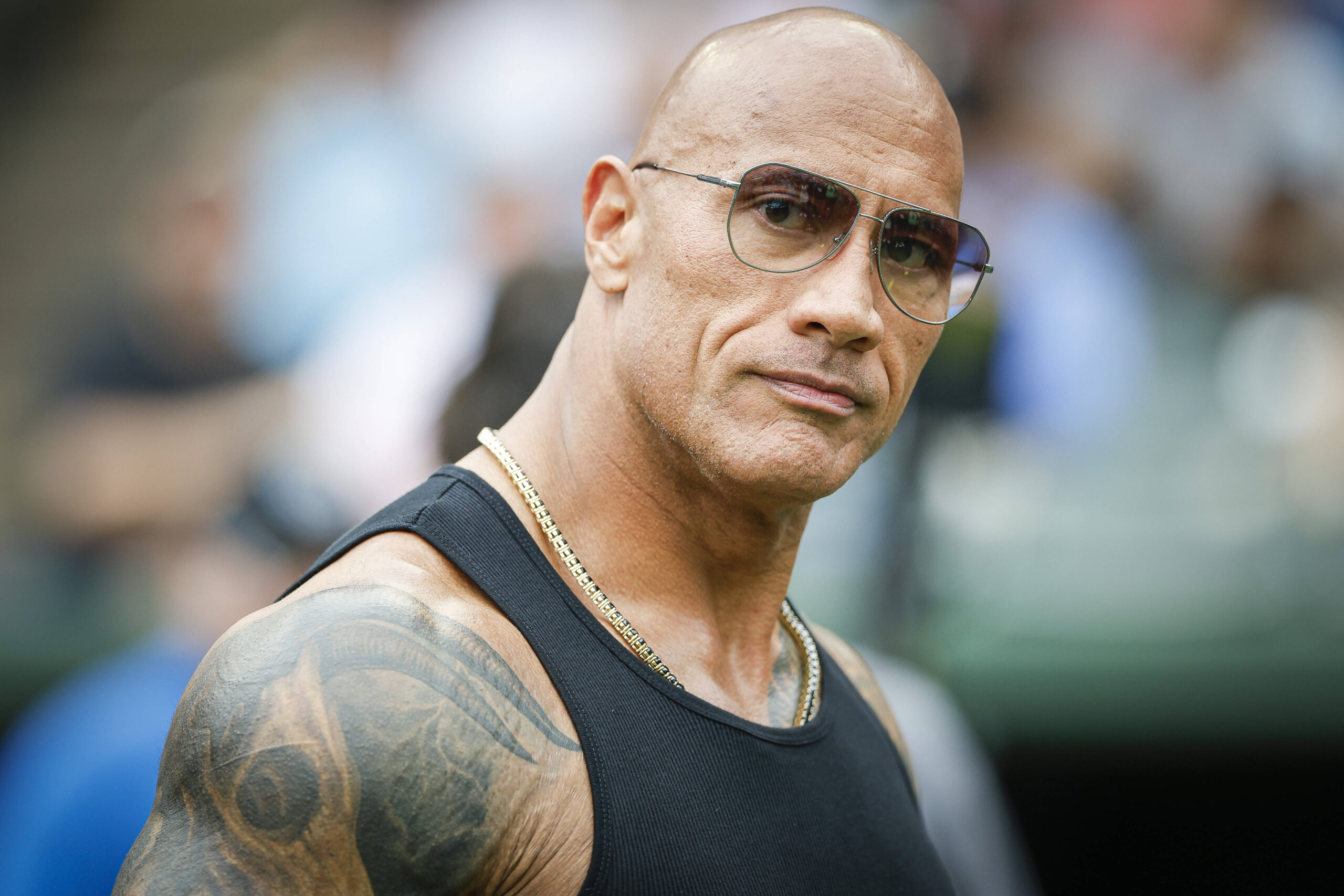
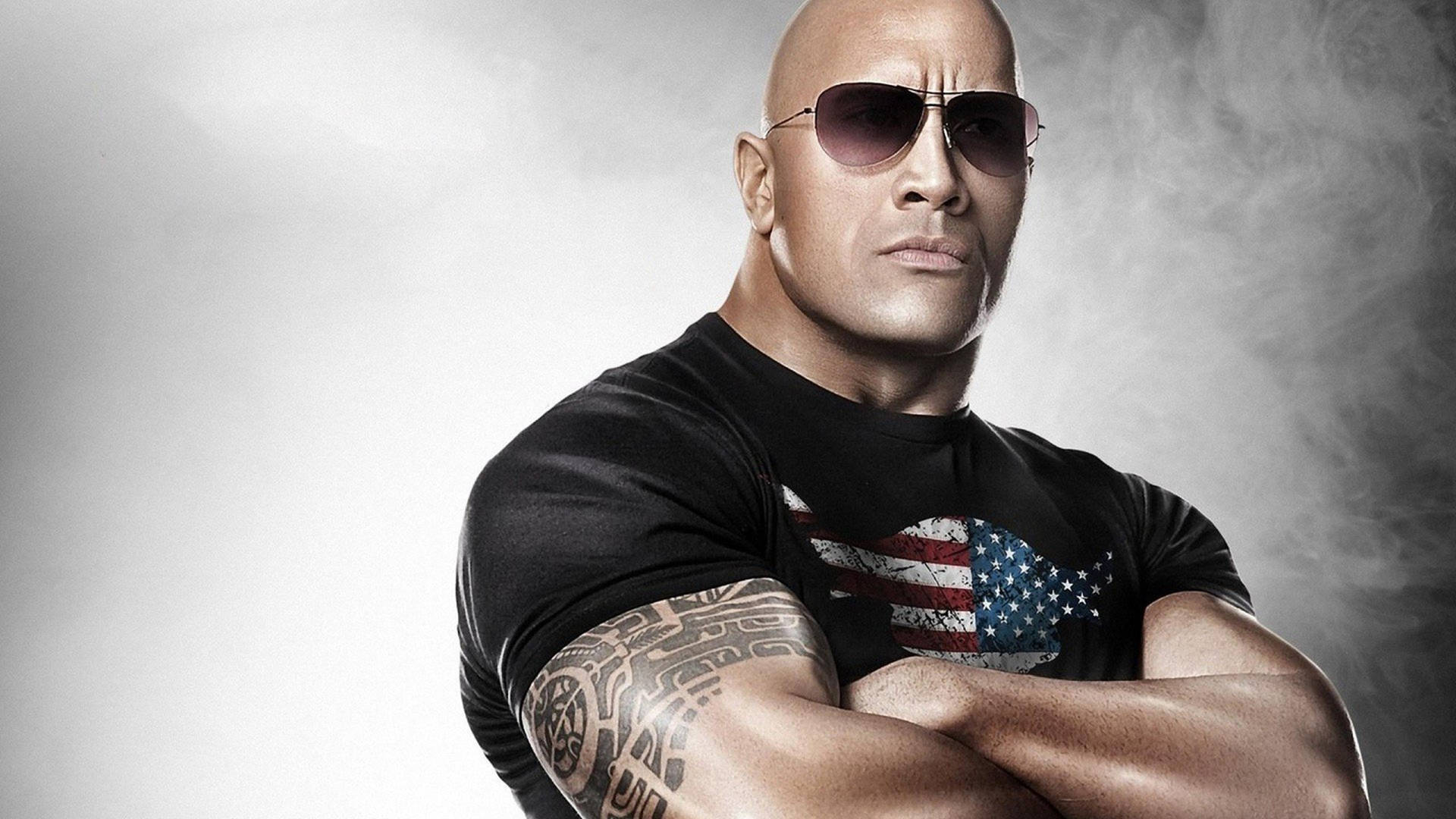
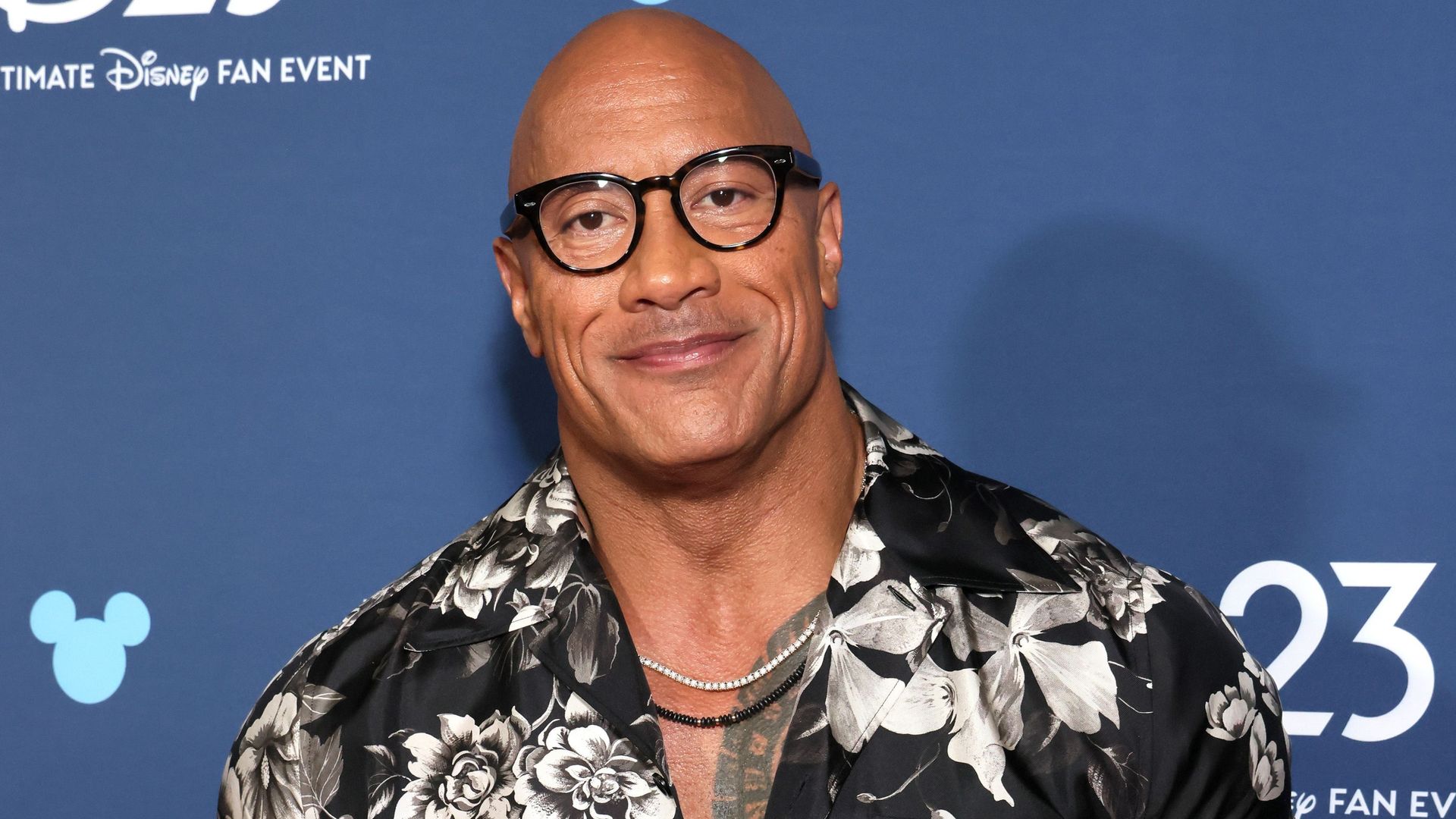
Dwayne "The Rock" Johnson is a global icon whose journey from a struggling athlete with seven dollars in his pocket to a Hollywood mogul and TKO Board member is a masterclass in resilience. His untold story reveals a complex history of legal troubles, professional failures, and a relentless pursuit of psychological and physical discipline.
1. From a Criminal Record to a Cultural Icon
Before he was a symbol of work ethic and positivity, Dwayne Johnson’s youth was defined by volatility. By the age of 17, he had been arrested multiple times—some sources cite as many as 13 arrests—for activities ranging from fighting to involvement in a sophisticated theft ring. Living in Hawaii, his family struggled significantly with poverty, culminating in a pivotal moment where they were evicted from their efficiency apartment.
This period of "theft and struggle," as he often describes it, was not merely a rebellious phase but a byproduct of financial desperation. The young Johnson targeted high-end clothing and jewelry stores to provide a sense of stability that his family lacked. The turning point came when a high school football coach, Jody Cwik, saw past his aggressive exterior and challenged him to join the team. This redirection of his physical energy toward the gridiron saved him from a likely path toward long-term incarceration and provided the first structured environment where he could excel.
2. The Calgary Stampeders and the "Seven Bucks" Epiphany
The moniker of his production company, Seven Bucks Productions, is not an arbitrary figure; it represents the exact amount of cash Johnson had in his pocket after being cut from the Canadian Football League (CFL) in 1995. After a successful collegiate career at the University of Miami—where he was a member of the 1991 National Championship team—Johnson’s dreams of the NFL were thwarted by injuries and the presence of future Hall of Famer Warren Sapp, who occupied the starting position.
When he was passed over by the NFL, he signed with the Calgary Stampeders in the CFL for a meager $250 a week. Within two months, he was cut from the practice roster. This failure was the catalyst for his transformation. Returning home to Tampa, Florida, he realized that hitting rock bottom was not a permanent state but a foundation for rebuilding. That "seven bucks" became the symbolic motivation for every business venture he would later undertake with his long-time business partner, Dany Garcia.
3. The Rejection of the "Rocky Maivia" Persona
When Johnson entered the World Wrestling Federation (now WWE) in 1996, he was introduced as Rocky Maivia, a "blue-chipper" babyface whose name combined those of his father, Rocky Johnson, and his grandfather, Peter Maivia. Clad in neon-colored tassels and sporting a permanent, forced smile, the character was a catastrophic failure with the increasingly cynical audiences of the late 90s.
The fans famously rejected him with chants of "Die, Rocky, Die," a moment that could have ended his career. Instead of retreating, Johnson negotiated a "heel turn" (becoming a villain). He dropped the forced persona, joined the Nation of Domination, and began referring to himself in the third person as "The Rock." This shift allowed his natural charisma and improvisational skills to shine, eventually leading him to become one of the most significant box-office draws in the history of sports entertainment.
4. A Legacy Rooted in the Anoa’i Bloodline
While often referred to as a third-generation wrestler, Johnson’s connection to the legendary Anoa’i family is one of the most fascinating "untold" aspects of his heritage. While not related by blood, his grandfather, High Chief Peter Maivia, was a "blood brother" to Reverend Amituana’i Anoa’i. In Samoan culture, this bond is as sacred and binding as biological kinship.
This connection places The Rock within a prestigious lineage that includes icons like Roman Reigns, The Usos, Yokozuna, and Rikishi. Johnson has spent much of his career honoring this heritage, often incorporating Samoan traditions into his branding and public persona. In 2024, his return to the WWE as "The Final Boss" leaned heavily into this tribal legacy, reinforcing his status as a patriarch within the industry’s most dominant family tree.
5. The Record-Breaking Hollywood Debut
Most actors spend years working toward a leading role, but Johnson’s transition to Hollywood was meteoric. For his first starring role in The Scorpion King (2002), he received a salary of $5.5 million. According to the Guinness World Records, this was the highest salary ever paid to an actor for their first leading role at the time.
This record was a gamble by Universal Pictures, but it paid off. Johnson’s appeal crossed international borders, proving that the charisma he honed in the wrestling ring translated effectively to the silver screen. This debut set the stage for his eventual evolution into a "franchise savior," where he would be credited with revitalizing existing properties like Fast & Furious, G.I. Joe, and Jumanji.
6. Battles with Clinical Depression
Behind the "hardest worker in the room" mantra lies a history of mental health struggles. Johnson has been remarkably candid about his multiple bouts with clinical depression. The first occurred when he was sidelined by injury at the University of Miami, the second after his divorce from Dany Garcia, and several other instances during periods of professional uncertainty.
He often speaks about the "gray" feeling of depression to destigmatize the condition for men. By sharing his "untold" vulnerability, he has leveraged his platform to encourage mental health awareness, emphasizing that "asking for help isn't a weakness; it’s a superpower." This transparency has made him a relatable figure even as his net worth has soared into the hundreds of millions.
7. Comparison of Career Evolution Phases
To understand the scale of his transition, it is helpful to look at how his professional focus and financial standing have shifted over the decades.
| Phase | Time Period | Primary Identity | Key Achievement | Estimated Influence Level |
|---|---|---|---|---|
| Gridiron Dreams | 1990–1995 | Defensive Tackle | NCAA National Champion (1991) | Low (Regional) |
| The Attitude Era | 1996–2003 | Pro Wrestler | 10-time World Champion | High (National) |
| The Movie Star | 2004–2015 | Leading Man | $10B+ Global Box Office Total | Global Superstar |
| The Mogul Era | 2016–2026 | Entrepreneur | Owner of XFL/UFL, Teremana | Business Titan |
8. The Strategic Ownership of the XFL
In 2020, Johnson, along with Dany Garcia and RedBird Capital, purchased the XFL out of bankruptcy for approximately $15 million. This was more than a vanity project; it was a strategic move to control a sports media property. Johnson’s history as a failed football player coming back to own a professional football league is a poetic full-circle moment.
By 2024, the XFL merged with the USFL to form the UFL (United Football League). As of 2026, the league has established itself as a viable "spring league" for developmental talent, providing a platform for players who—much like the young Dwayne Johnson—were overlooked by the NFL. His involvement is hands-on, often seen on the sidelines and in the locker rooms, providing the kind of mentorship he lacked during his own short-lived football career.
9. Teremana Tequila: The Record-Breaking Spirit
While many celebrities launch alcohol brands, Johnson’s Teremana Tequila has seen unprecedented growth. Launched in March 2020, the brand sold over 600,000 nine-liter cases in its first full year. By 2023, it surpassed the 1-million-case mark annually, a feat that took other celebrity brands years, if not decades, to achieve.
The success of Teremana is attributed to Johnson’s "mana" philosophy—a Polynesian concept of spirit and power—and his direct-to-consumer marketing strategy. Instead of traditional commercials, he used his social media presence (which exceeds 390 million followers on Instagram alone) to document the production process in Jalisco, Mexico, creating an authentic connection with his audience that translated into massive retail success.
10. The CIA Ambition and Academic Foundation
One of the lesser-known facts about Johnson is his academic background. He graduated from the University of Miami with a Bachelor of General Studies in Criminology and Physiology. Before he followed the family business of wrestling, his primary career goal was to work for the FBI or the CIA.
He was told by a professor that to be a serious candidate, he would likely need a law degree as well. Realizing that law school wasn't his calling, he pivoted toward professional wrestling. However, the discipline and understanding of human behavior he gained during his criminology studies have clearly influenced his "Sherlock Holmes-like" attention to detail in business negotiations and his meticulous approach to character development in his films.
What are Dwayne Johnson’s 2026 business priorities?
In 2026, Dwayne Johnson is heavily focused on the expansion of the UFL (United Football League) and the global scaling of Teremana Tequila. Additionally, as a member of the TKO Group Holdings Board of Directors—the parent company of WWE and UFC—he is instrumental in the ongoing integration of sports and entertainment, ensuring the long-term health of the wrestling industry.
Does The Rock actually own the name "The Rock"?
Yes, as of early 2024, Dwayne Johnson officially gained full ownership of the trademarked name "The Rock" as part of his agreement to join the TKO Board. Previously, the trademark was owned by WWE. This ownership allows him to use the name across all business ventures, merchandise, and entertainment properties without licensing fees.
How many hours does Dwayne Johnson work out?
Johnson typically trains for 90 minutes to two hours, six days a week. His routine, often referred to as the "Iron Paradise," usually begins around 4:00 or 5:00 AM. This regimen is not just for physical aesthetics; he views it as his "anchor" for mental clarity and discipline, allowing him to manage his sprawling business empire.
Is Dwayne Johnson still involved in philanthropy?
Yes, he continues to be one of the most active celebrity supporters of the Make-A-Wish Foundation, having granted hundreds of wishes over two decades. He also operates the Dwayne Johnson Rock Foundation, which focuses on enriching the lives of terminally ill and at-risk children through physical fitness and education programs.
Strategic Takeaway for Aspiring Entrepreneurs
The "untold" story of Dwayne Johnson teaches us that professional failure is often a prerequisite for monumental success. Whether it was being cut from the CFL or being booed out of a wrestling ring, Johnson utilized negative feedback as data to refine his "product."
If you are looking to emulate his success, focus on brand authenticity and ownership. Johnson transitioned from being a "hired hand" in Hollywood and wrestling to owning the leagues, the spirits, and the production companies he works with. The move from worker to owner is the defining characteristic of his 2026 legacy.