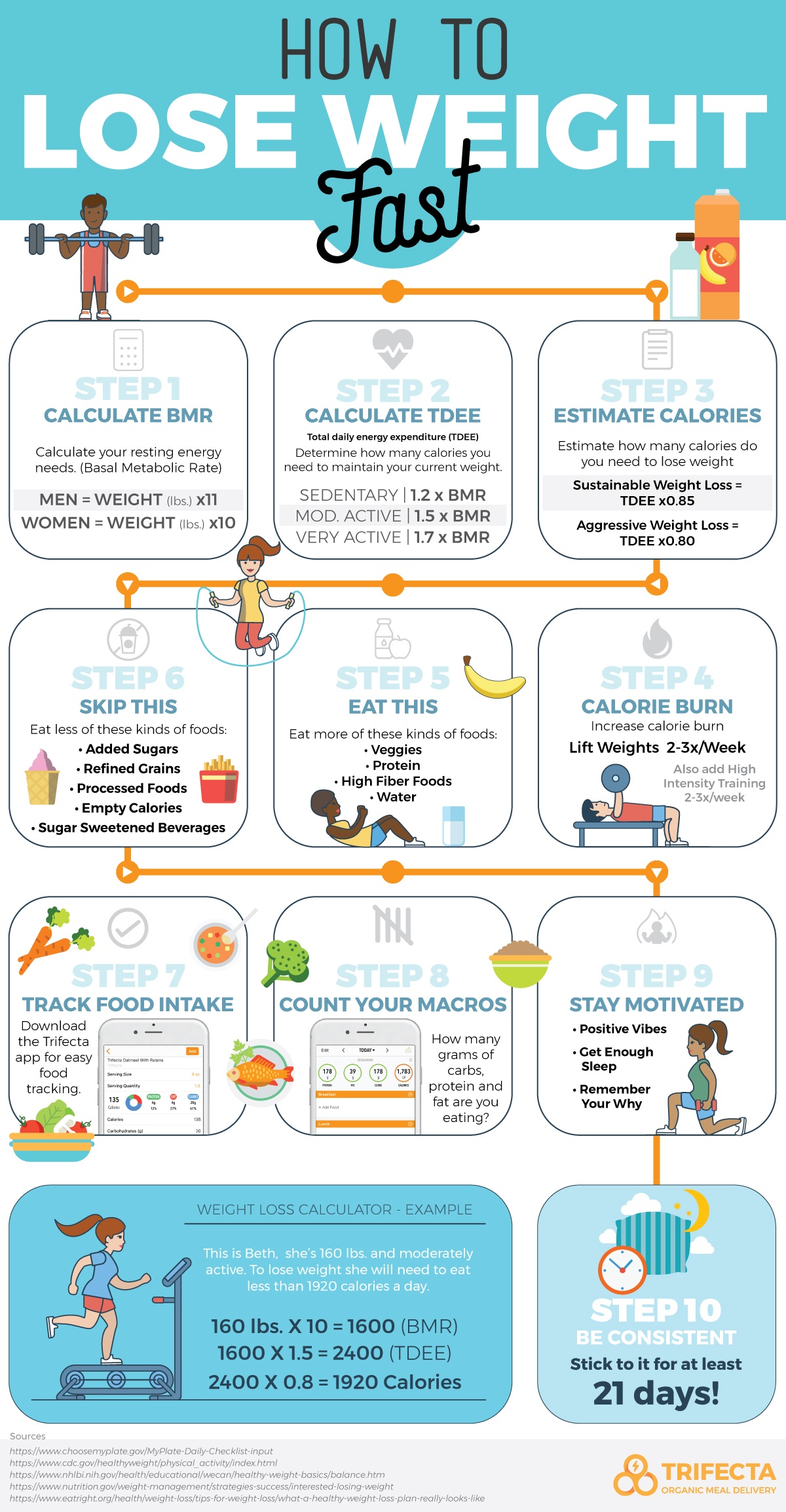
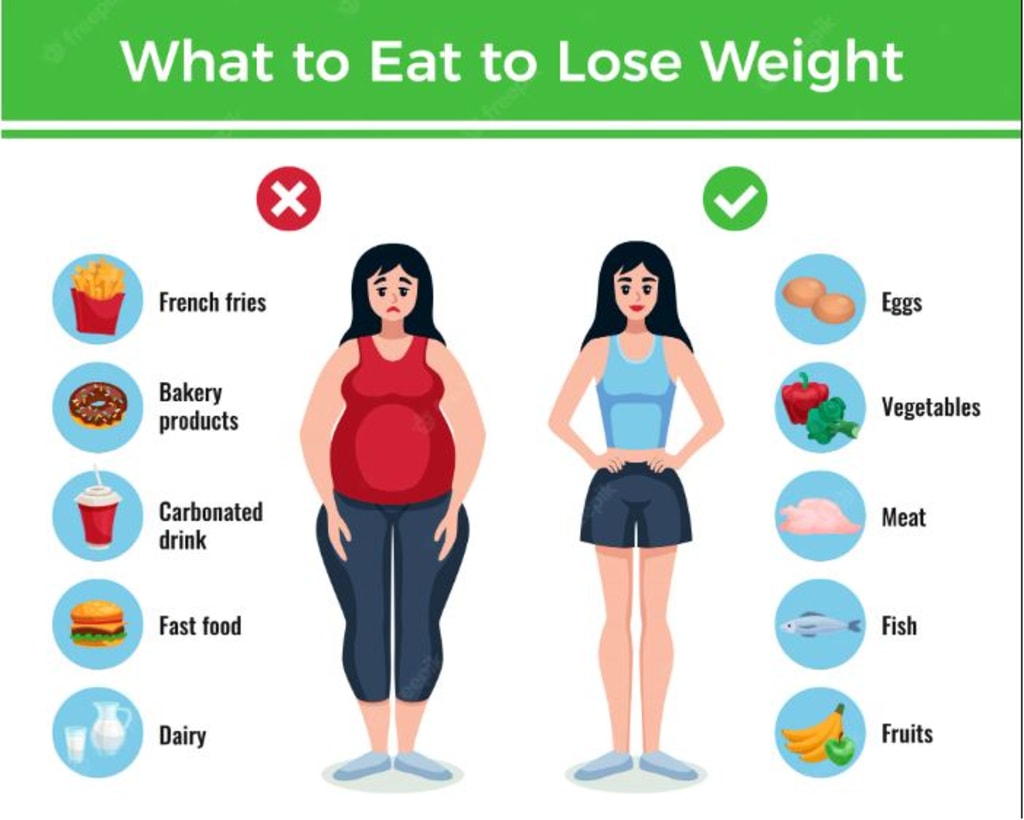
Achieving weight loss safely in 2026 requires a shift from restrictive dieting to metabolic optimization. By prioritizing high-protein intake, consistent resistance training, and hormonal regulation through sleep and stress management, you can trigger rapid fat loss while preserving vital muscle mass and ensuring long-term health sustainability.
Weight loss is a complex physiological process that extends far beyond the simplistic "calories in vs. calories out" narrative. As we navigate the health landscape of 2026, the emphasis has moved toward body recomposition—the art of losing adipose tissue (fat) while maintaining or increasing lean muscle mass. This distinction is crucial because muscle tissue is more metabolically active than fat, meaning the more muscle you retain, the higher your resting metabolic rate remains. Rapid weight loss often carries the risk of muscle wasting and nutrient deficiencies; however, by following evidence-based protocols, you can accelerate results without compromising your biological integrity.
Before beginning any rigorous weight loss program, it is essential to establish a baseline. Consult with a healthcare provider to ensure your cardiovascular health and blood markers are within safe ranges for increased physical activity and dietary shifts. This article outlines ten scientifically backed strategies to help you reach your goals effectively.
Disclaimer: This information is for educational purposes and does not constitute medical advice. Always consult with a physician before starting a new diet or exercise regimen.
1. Prioritize High-Protein Nutrition for Metabolic Health
Increasing your protein intake is arguably the most effective nutritional lever for fast and safe weight loss. Protein has a high Thermic Effect of Food (TEF), meaning your body expends significantly more energy digesting protein than it does fats or carbohydrates. Research consistently shows that a high-protein diet (ranging from 1.6 to 2.2 grams of protein per kilogram of body weight) helps protect lean muscle during a caloric deficit.
Beyond metabolism, protein is the most satiating macronutrient. It works by suppressing the hunger hormone ghrelin while stimulating the production of satiety hormones like peptide YY and GLP-1. When you feel full, you are less likely to engage in impulsive snacking or overeating during meals. To implement this, ensure every meal contains a high-quality protein source such as lean poultry, wild-caught fish, Greek yogurt, or plant-based alternatives like tempeh and lentils.
2. Optimize Fiber Intake to Enhance Satiety and Gut Health
Fiber is a non-digestible carbohydrate that plays a pivotal role in weight management. Soluble fiber, in particular, absorbs water and forms a gel-like substance in the gut, which slows down the digestion process. This results in a slower release of glucose into the bloodstream, preventing the insulin spikes that can lead to increased fat storage.
In 2026, we also recognize the profound impact of the gut microbiome on weight regulation. High-fiber foods serve as prebiotics, feeding the beneficial bacteria in your digestive system. A healthy microbiome is linked to lower levels of systemic inflammation and improved metabolic efficiency. Aim for at least 25 to 38 grams of fiber daily through diverse sources such as cruciferous vegetables, berries, chia seeds, and legumes. This approach ensures you remain full on fewer calories while supporting your internal health.
3. Implement Strategic Resistance Training and Muscle Maintenance
While cardiovascular exercise burns calories during the activity, resistance training provides a unique metabolic advantage known as Excess Post-exercise Oxygen Consumption (EPOC). Lifting weights or performing bodyweight exercises creates micro-tears in the muscle fibers that require significant energy to repair, keeping your metabolism elevated for hours after your workout.
Maintaining muscle mass is the "insurance policy" of weight loss. When people lose weight too quickly through cardio alone, they often become "skinny fat"—a state where weight is lower, but body fat percentage remains high because muscle was lost alongside fat. Aim for at least three to four sessions of resistance training per week, focusing on compound movements like squats, deadlifts, and presses that engage multiple muscle groups simultaneously.
4. Regulate Sleep Hygiene to Balance Hunger Hormones
Sleep is an underrated pillar of weight loss. Chronic sleep deprivation disrupts the delicate balance of leptin (the hormone that tells you you’re full) and ghrelin (the hormone that tells you you’re hungry). When you are underslept, ghrelin levels rise and leptin levels drop, leading to intense cravings for high-calorie, sugary foods.
Furthermore, inadequate sleep increases insulin resistance, making it harder for your body to move glucose into cells for energy and more likely to store it as fat. In 2026, experts recommend 7–9 hours of quality sleep as a non-negotiable component of any weight loss plan. To optimize this, maintain a consistent sleep schedule, limit blue light exposure from screens 60 minutes before bed, and keep your sleeping environment cool and dark.
5. Manage Chronic Stress to Reduce Cortisol-Induced Fat Storage
Stress management is directly linked to abdominal fat. When you are under chronic stress, your adrenal glands release cortisol. While cortisol is necessary for the "fight or flight" response, chronically elevated levels signal the body to store fat, particularly in the visceral (abdominal) region, to protect vital organs.
High cortisol levels also interfere with your ability to make rational food choices, often leading to emotional eating. Incorporating daily stress-reduction techniques such as deep breathing exercises, meditation, or even a 20-minute walk in nature can lower cortisol levels. By calming the nervous system, you create a physiological environment that is conducive to fat oxidation rather than fat storage.
6. Strategic Hydration and the Role of Water in Lipolysis
Water is essential for lipolysis, the metabolic process by which the body breaks down fats. Even mild dehydration can slow down your metabolism and interfere with your body's ability to access stored fat for fuel. Drinking water before meals has also been shown to reduce caloric intake by increasing the sensation of fullness.
Many people mistake thirst for hunger, leading to unnecessary snacking. A practical strategy for 2026 is to drink 500ml of water 30 minutes before every meal. Additionally, replacing calorie-dense beverages like sodas, sweetened coffees, and "health" smoothies with water or herbal teas can create a significant caloric deficit without requiring changes to your solid food intake.
7. Eliminate Ultra-Processed Foods and Liquid Sugars
The fastest way to stall weight loss is the regular consumption of ultra-processed foods. these products are engineered to be "hyper-palatable," overriding the body's natural fullness signals. They are typically high in refined carbohydrates, unhealthy fats, and added sugars, all of which contribute to systemic inflammation and insulin resistance.
Liquid calories are particularly deceptive because the brain does not register them as "food" in the same way it does solid calories. Fruit juices, energy drinks, and flavored lattes can add hundreds of calories to your daily total without providing any satiety. Focus on whole, single-ingredient foods that look like their original form in nature to ensure you are receiving maximum nutrients with minimum chemical interference.
8. Utilize Comparison Frameworks for Effective Fat Loss
To choose the right path, it is helpful to compare how different strategies affect your body. The following table highlights the primary roles of different macronutrients and their impact on weight loss goals.
| Component | Primary Function | Weight Loss Impact | Recommended Sources |
|---|---|---|---|
| Protein | Tissue repair & muscle maintenance | High (Boosts metabolism & satiety) | Chicken breast, eggs, tofu, fish |
| Fiber | Digestion & microbiome health | Medium (Increases fullness, lowers insulin) | Broccoli, chia seeds, raspberries |
| Healthy Fats | Hormone production & cell health | Moderate (High satiety, but calorie-dense) | Avocado, walnuts, olive oil |
| Complex Carbs | Sustained energy & glycogen | Moderate (Fuels high-intensity workouts) | Sweet potatoes, oats, quinoa |
| Refined Sugars | Quick energy spikes | Negative (Causes fat storage & cravings) | Candy, white bread, soda |
9. Implementing Time-Restricted Feeding and Mindful Eating
Time-Restricted Feeding (TRF), often called Intermittent Fasting, involves limiting your food intake to a specific window of time, such as 16 hours of fasting and 8 hours of eating. This approach is not magic, but it naturally limits the opportunities for snacking and can improve insulin sensitivity. During the fasting window, the body is more likely to tap into stored glycogen and eventually fat stores for energy.
Mindful eating complements this by encouraging you to pay attention to hunger and fullness cues. In our fast-paced 2026 lifestyle, many people eat while distracted by phones or work. This leads to "mindless" overeating. By slowing down, chewing thoroughly, and removing distractions, you allow your brain the 20 minutes it needs to receive the "full" signal from your stomach, naturally reducing your total caloric intake.
10. Enhance NEAT and Daily Movement
Non-Exercise Activity Thermogenesis (NEAT) refers to the energy expended for everything we do that is not sleeping, eating, or sports-like exercise. This includes walking to your car, typing, fidgeting, and cleaning the house. For many, NEAT accounts for a larger portion of daily calorie burn than a structured 45-minute gym session.
In 2026, sedentary lifestyles are a major barrier to weight loss. Increasing your daily step count from 3,000 to 10,000 can significantly increase your total daily energy expenditure (TDEE). Simple changes like taking the stairs, using a standing desk, or taking a short walk after each meal can add up to a substantial caloric deficit over a week, accelerating weight loss without the strain of high-intensity workouts.
FAQ
Is it safe to lose 10 pounds in a single week?
Generally, losing 10 pounds of fat in a week is not physiologically possible or safe for most people. Rapid weight loss in the first week is often a combination of water weight, glycogen depletion, and some fat loss. Sustainable fat loss is typically categorized as 1 to 2 pounds per week, which ensures that the weight lost is fat rather than muscle or organ tissue.
Do I need to count calories to lose weight fast?
While you don't strictly have to count every calorie, weight loss requires a caloric deficit. Tracking for a short period can provide valuable awareness of portion sizes and hidden calories. However, focusing on food quality—high protein and high fiber—often leads to a natural caloric deficit without the need for meticulous tracking.
Can I lose weight without exercise?
Yes, weight loss is primarily driven by nutrition and a caloric deficit. However, exercise (especially resistance training) is crucial for ensuring that the weight you lose comes from fat and not muscle. Exercise also improves metabolic health, mental clarity, and the long-term maintenance of your new weight.
Are weight loss supplements necessary?
Supplements are not necessary for weight loss and cannot replace a poor diet or lack of movement. While some supplements like caffeine or green tea extract may slightly increase metabolic rate, their effects are marginal compared to the impact of protein intake, sleep, and exercise. Always prioritize whole foods over pills.
How much water should I drink for weight loss?
A general guideline is to drink half your body weight in ounces of water daily, but this varies based on activity level and climate. In the context of weight loss, drinking 16 ounces (500ml) before meals is a proven strategy to help control appetite and ensure your metabolic processes are functioning optimally.
Developing Your Personalized 2026 Weight Management Roadmap
To begin your journey, do not attempt to implement all ten strategies at once. Start by focusing on the "Big Three": increasing protein, improving sleep, and starting a basic resistance training routine. Once these habits are solidified, layer in secondary strategies like time-restricted feeding and increasing your daily NEAT.
The most effective weight loss plan is the one you can follow consistently for months, not just days. Track your progress not just by the number on the scale, but by how your clothes fit, your energy levels, and your strength in the gym. By focusing on health and metabolic function rather than just a lower number on the scale, you will achieve a body transformation that is both fast and permanent.