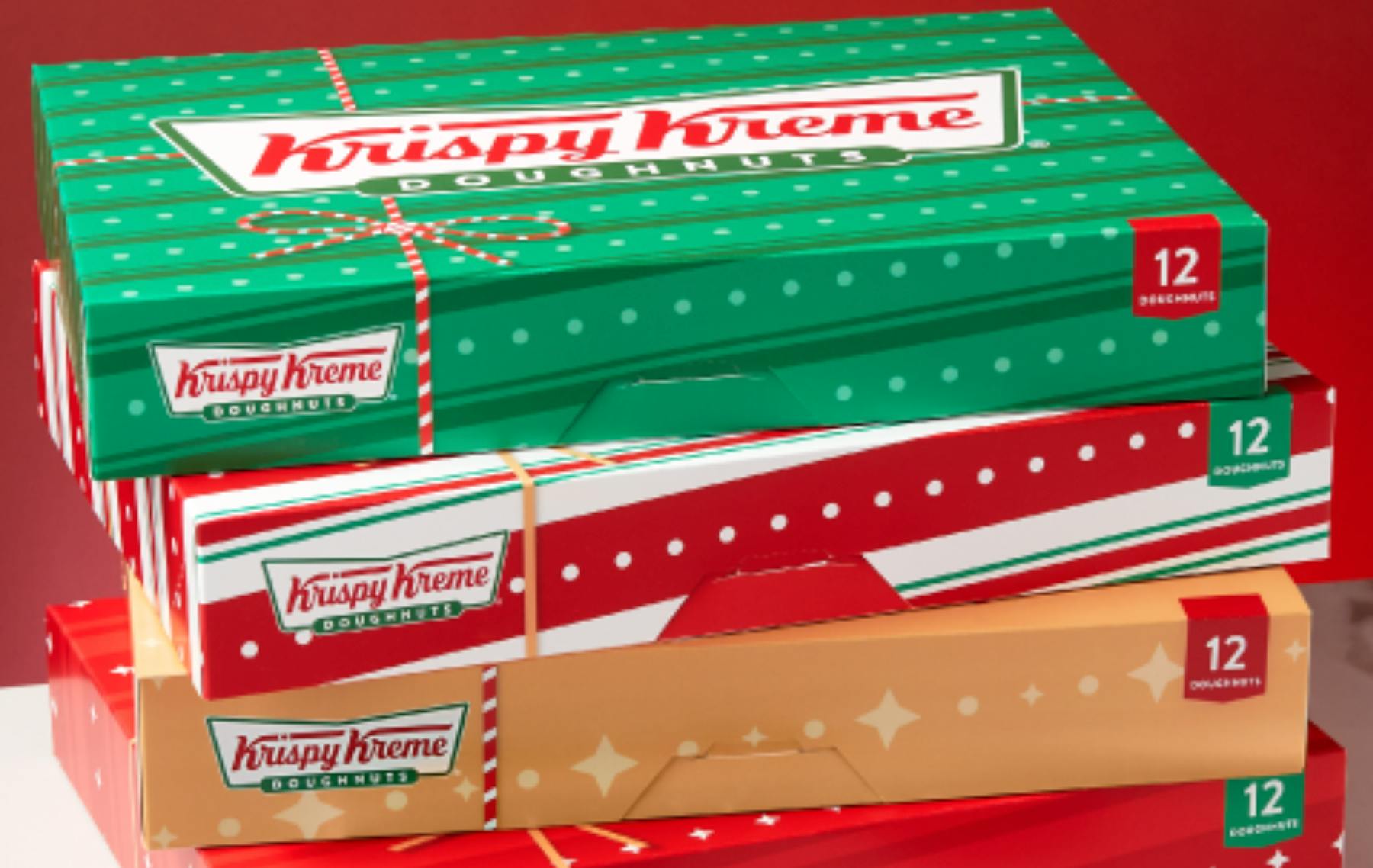
Krispy Kreme doughnuts have captivated dessert lovers for generations, evolving from a regional North Carolina bakery into a globally recognized cultural phenomenon famous for its melt-in-your-mouth texture and iconic neon hot light.
Understanding the history, manufacturing process, and cultural footprint of Krispy Kreme reveals a fascinating look at how a simple sweet treat achieved worldwide success. From its secret 1930s recipe purchased from a French chef to the complex automated conveyor belts that fry thousands of pastries an hour, this brand represents a masterclass in food science, branding, and retail theater. Whether you are a casual fan of the Original Glazed or a curious culinary enthusiast, examining these ten distinct facts provides a comprehensive appreciation of the company's operations, traditions, and unique place in the quick-service restaurant landscape.
1. The Original Recipe Came From a French Chef
The foundation of Krispy Kreme's global success rests on a single, highly guarded culinary secret. In 1937, company founder Vernon Rudolph purchased a yeast-raised doughnut recipe from a French chef based in New Orleans named Joseph LeBeau.
Unlike cake doughnuts, which rely on chemical leavening agents like baking powder, yeast doughnuts require a precise fermentation process. The dough must rise to a specific volume before frying to develop the characteristic airy interior and tender crumb structure. Rudolph brought this recipe to Winston-Salem, North Carolina, where he began selling the pastries to local grocery stores before opening his own walk-up window. While the ingredients have been standardized for large-scale commercial production, the core formula of flour, sugar, shortening, and yeast remains the spiritual blueprint for every Original Glazed doughnut produced today.
2. The Iconic Hot Light is a Live Marketing Marvel
Few retail signals evoke the same immediate Pavlovian response as the glowing red or white "Hot Now" sign displayed at Krispy Kreme locations. Introduced in 1992, this simple piece of signage functions as both a quality indicator and a brilliant piece of experiential marketing.
When the light is illuminated, it signals to customers that a fresh batch of Original Glazed doughnuts has just completed the glazing process and is ready to be served warm off the line. This transparency transforms a standard retail transaction into an interactive experience. Consumers are not merely buying a product; they are timing their visit to consume the food at the exact peak of its freshness, when the dough is softest and the sugar coating is still warm and molten.
3. The Doughnut Theater is Engineered for Automation
Walking into a factory store reveals a mesmerizing, continuous mechanical ballet often referred to as "doughnut theater." The entire production line is an integrated piece of industrial food machinery designed by Krispy Kreme's own equipment manufacturing division, Krispy Kreme Machinery Corporation based in Winston-Salem.
The journey of a single doughnut involves several distinct mechanical stages:
- Extrusion: Dough is mixed, proofed, and extruded through a precision depositor onto a moving conveyor belt in uniform rings.
- Proofer: The cut dough travels through a temperature- and humidity-controlled chamber to rise to the optimal density.
- Fryer: The rings are gently flipped into a trough of heated shortening, cooking for roughly 60 seconds per side.
- Glazing: The fried pastries pass underneath a cascading waterfall of warm sugar glaze, ensuring complete 360-degree coverage.
- Cooling Tunnel: The glazed rings travel along a cooling belt to allow the sugar to set into a delicate, crackly shell before boxing.
4. The Original Glazed Dominates Global Sales
While Krispy Kreme offers a rotating calendar of filled, iced, and decorated seasonal varieties—ranging from chocolate iced with sprinkles to fruit-filled creations—the flagship Original Glazed remains the undisputed anchor of the company's menu.
Industry analysts estimate that the Original Glazed accounts for the vast majority of total sales across the brand's international footprint. This dominance stems from the unique appeal of its texture. The hot glazing process creates a thin, crystalline sugar shell that seals in moisture, yielding a product that contrasts sharply with heavier, cake-style alternatives or denser bakery pastries.
5. Secretive Expansion and Franchise Growth
Krispy Kreme has experienced several distinct waves of corporate expansion and contraction throughout its history. Founded in 1937, the company remained a beloved regional staple in the American Southeast for decades. In 1976, Beatrice Foods Co. acquired the brand, leading to a period of corporate standardization before management bought back the company in 1982.
The brand went public in 2000, triggering an aggressive franchise expansion phase that saw hundreds of new locations open rapidly across North America and international markets. However, over-expansion, shifting dietary trends toward low-carb diets in the mid-2000s, and accounting restatements led to financial turbulence. The company was taken private again in 2016 by JAB Holding Company, which restructured operations, modernized supply chains, and prepared the brand for its second initial public offering in 2021, shifting the growth model toward "hub-and-spoke" delivery models that distribute fresh product to grocery and convenience stores without requiring a full manufacturing plant at every retail site.
6. Nutritional Profile and Caloric Realities
Enjoying a Krispy Kreme doughnut involves understanding its nutritional composition. Like most commercially fried pastries, the Original Glazed is calorie-dense and high in carbohydrates, saturated fats, and added sugars.
| Doughnut Variety | Approximate Calories | Total Fat (g) | Sugars (g) |
|---|---|---|---|
| Original Glazed | 200 | 11 | 10 |
| Chocolate Iced Glazed | 240 | 12 | 19 |
| Glazed Raspberry Filled | 300 | 14 | 15 |
| Chocolate Iced with Sprinkles | 260 | 12 | 14 |
Note: Nutritional values can vary slightly by region and preparation batch. Consumers managing dietary restrictions or health conditions should consult official Krispy Kreme nutritional disclosures for precise allergen and ingredient data.
7. Global Adaptations and Cultural Localization
As Krispy Kreme expanded to over 30 countries—including the United Kingdom, Australia, Japan, Mexico, and the United Arab Emirates—the brand adapted its menu to suit regional palates and cultural preferences.
While the Original Glazed remains universally available, international stores frequently feature localized flavor profiles. In Asian markets, consumers often find green tea (matcha) infused icings, red bean fillings, or taro-flavored varieties. In the Middle East, festive seasonal collections incorporate regional flavor notes such as dates, cardamom, and locally inspired nuts. This strategy allows the company to maintain its core American identity while remaining relevant and appealing to international consumer preferences.
8. Fundraising Traditions Are a Foundational Pillar
Beyond retail sales, Krispy Kreme has maintained a long-standing commitment to community fundraising. Since the mid-20th century, local schools, sports teams, and non-profit organizations have utilized the brand's specialized fundraising programs to generate revenue.
Participants purchase dozen-box certificates or physical boxes of doughnuts at a wholesale price and resell them to the community at retail value, retaining a substantial percentage of the proceeds. This grassroots marketing strategy not only drives significant corporate volume but also embeds the brand into the civic fabric of local communities, creating multi-generational brand loyalty that traditional advertising struggle to replicate.
9. Environmental and Sourcing Commitments
In response to growing consumer and regulatory demand for corporate sustainability, Krispy Kreme has implemented supply chain policies targeting environmental stewardship.
The company has made public commitments regarding its agricultural sourcing, particularly concerning palm oil and cocoa. Sustainable sourcing guidelines require suppliers to certify that palm oil used in frying and baking operations is produced without deforestation, peatland destruction, or exploitation of local workers and indigenous communities. Similarly, the corporation works to ensure that cocoa used in its chocolate varieties meets established labor and environmental standards, reflecting the broader industry shift toward transparent, ethically sourced ingredients.
10. Pop Culture and Guinness World Records
Krispy Kreme has frequently intersected with pop culture, media, and record-breaking stunts. The brand has been featured in numerous television shows, films, and celebrity-led challenges.
Most notably, the brand has been associated with various competitive eating and endurance feats, though corporate leadership typically emphasizes responsible enjoyment. Furthermore, Krispy Kreme locations have occasionally partnered with film studios for major cinematic releases, creating custom-themed doughnut boxes that generate viral social media engagement. These marketing campaigns leverage the inherently shareable, photogenic nature of brightly decorated pastries to maintain high visibility in digital spaces.
Frequently Asked Questions
How long do Krispy Kreme doughnuts stay fresh?
Krispy Kreme doughnuts are engineered to be consumed fresh, ideally within hours of production when purchased off the hot line. If stored at room temperature in an airtight container or their original box, they remain palatable for up to two days, though the glaze will begin to absorb moisture and soften. You can restore a day-old Original Glazed doughnut's texture by microwaving it for 8 to 10 seconds.
Are Krispy Kreme doughnuts suitable for vegetarians?
Yes, traditional Krispy Kreme doughnuts do not contain meat products and are suitable for lacto-ovo vegetarians. However, they do contain dairy (milk solids) and eggs in the dough base and glazes, meaning they are not suitable for strict vegans or individuals with severe dairy or egg allergies.
Why do Krispy Kreme doughnuts melt in your mouth?
The melt-in-your-mouth texture is a direct result of the dough's high moisture content, light yeast aeration, and the specific frying temperature used in the manufacturing process. The dough contains less flour and more liquid and fat than standard cake styles, creating a delicate structure that dissolves quickly on the palate, a sensation amplified by the warm sugar glaze.
Can you freeze Krispy Kreme doughnuts?
You can freeze Krispy Kreme doughnuts, though the process alters the texture of the glaze. To freeze them successfully, place individual doughnuts in a single layer on a baking sheet until firm, then transfer them to a freezer-safe bag or container for up to one month. Thaw them at room temperature before consuming, keeping in mind that the sugar glaze may become slightly sticky or crystallized upon thawing.
Where can I buy Krispy Kreme doughnuts outside of dedicated stores?
In addition to traditional hot-light retail stores and factory locations, Krispy Kreme distributes packaged assortments to thousands of grocery stores, supermarkets, and convenience stores daily through its hub-and-spoke distribution model. These locations receive fresh deliveries early each morning, though they do not feature the active hot-light theater found in flagship storefronts.
Maximizing Your Krispy Kreme Experience
To experience Krispy Kreme at its absolute best, timing your visit to coincide with the illumination of the Hot Now sign remains the definitive recommendation. Consuming an Original Glazed doughnut within minutes of it exiting the cooling tunnel provides the optimal balance of a warm, tender interior and a crisp, melting sugar glaze. Check your local store's schedule or mobile application for live hot light notifications to plan your visit efficiently.