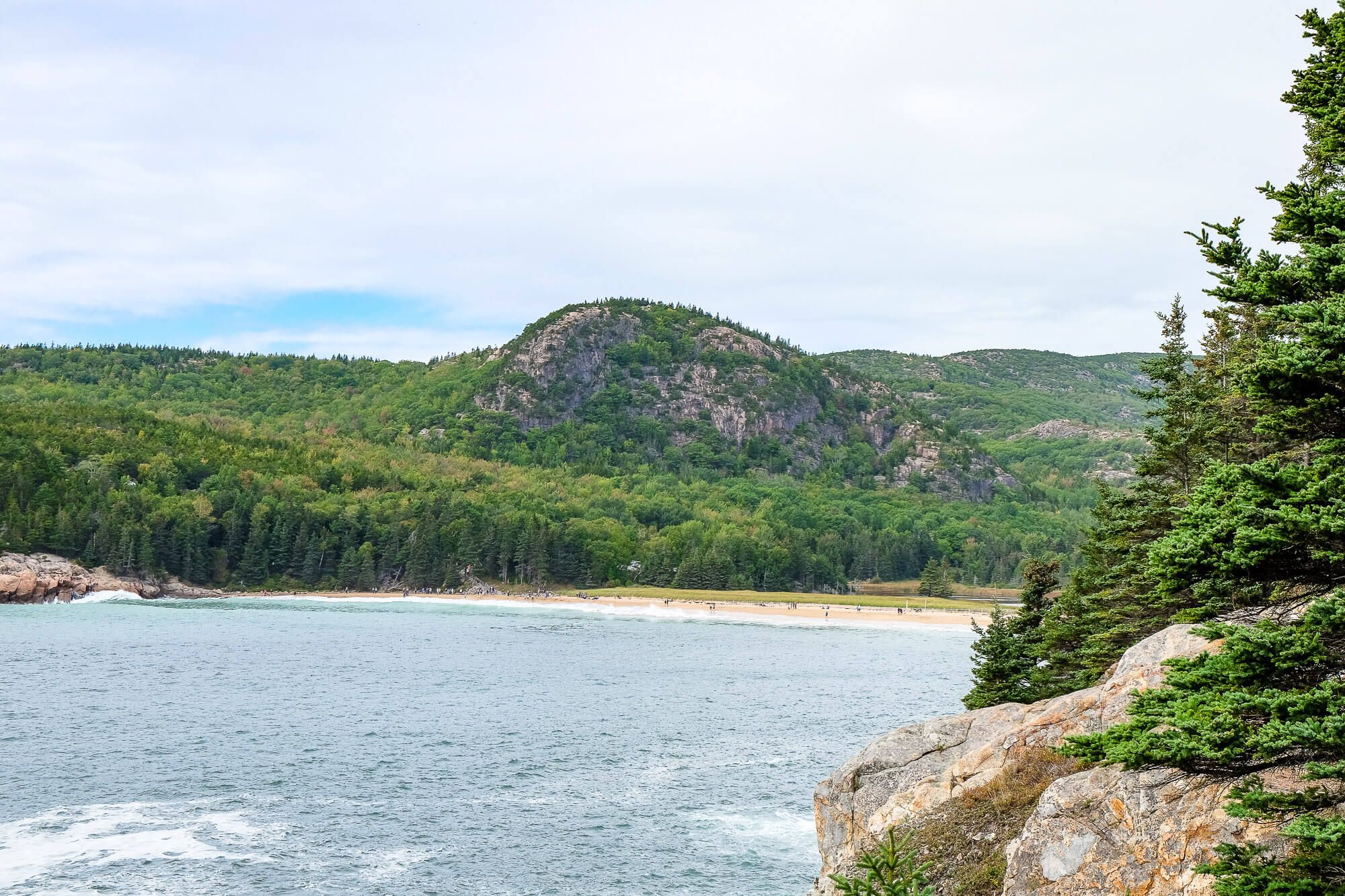
Planning a visit to Mount Desert Island requires more than a casual glance at a smartphone app. As we move through the 2026 travel season, the maritime microclimates of Downeast Maine continue to present unique challenges for hikers, sailors, and sightseers alike. Understanding the nuances of the 10-day forecast for Bar Harbor is essential for maximizing your experience in Acadia National Park while ensuring safety in a region known for its rapid atmospheric shifts.
The following analysis provides a deep-dive into the meteorological drivers of Bar Harbor’s weather, tactical planning strategies for the 2026 season, and technical gear recommendations based on the latest climate data.
The Maritime Influence: Understanding Bar Harbor’s Microclimates
Bar Harbor's weather is dictated by its proximity to the Gulf of Maine. In 2026, we are observing a continuation of increased sea surface temperature variability, which directly impacts local fog patterns and precipitation frequency. Unlike inland Maine, Bar Harbor experiences "advection fog"—locally known as the "Sea Smoke's summer cousin"—where warm, moist air moves over the colder Atlantic waters, cooling to its dew point and blanketing the coast.
When reviewing your 10-day forecast, you must distinguish between the conditions in downtown Bar Harbor and the summits within Acadia National Park. Cadillac Mountain, standing at 1,530 feet, often experiences temperatures 5 to 10 degrees Fahrenheit lower than the village, paired with significantly higher wind gusts.
Expert Insight: The 2026 Thermal Inversion Phenomenon
During the late spring and early autumn months of 2026, travelers should be aware of thermal inversions. This occurs when a layer of warm air traps cooler air near the ocean surface. While the town may be shrouded in "socked-in" fog with limited visibility, the higher elevations of the Bubbles or Cadillac Mountain may be bathed in crystal-clear sunshine above the cloud deck. Always cross-reference the 10-day forecast with live summit webcams before canceling your morning hike.
Strategic 10-Day Weather Planning Framework
To effectively utilize a long-range forecast in Bar Harbor, visitors should categorize the 10-day window into three tactical phases. This approach allows for flexibility as the 2026 weather patterns evolve.
Phase 1: Days 1-3 (Tactical Execution)
In this window, the forecast confidence is high (approximately 85-90%). This is when you should finalize your bookings for the Acadia vehicle reservation system, specifically for Cadillac Summit Road, which remains a requirement in 2026. If the forecast shows a "Clear" or "Mostly Sunny" designation, prioritize sunrise photography or high-altitude trekking.
Phase 2: Days 4-7 (Operational Flexibility)
Forecast confidence drops to roughly 60-70%. During these days, look for trends rather than specific hourly timings. If a low-pressure system is approaching from the southwest, prepare for "Downeast Dampness"—a mixture of drizzle and high humidity. This is the ideal time to plan indoor activities, such as visiting the Abbe Museum or exploring the culinary scene in Bar Harbor.
Phase 3: Days 8-10 (Strategic Monitoring)
At this range, the forecast serves as a general indicator of the jet stream's position. Use this information to pack your luggage. In 2026, Bar Harbor has seen an increase in "blocking patterns," where weather systems stall over the coast, leading to multi-day stretches of either perfect weather or persistent rain.
2026 Activity Suitability Matrix
The following table correlates specific weather conditions found in a standard 10-day forecast with the safety and enjoyment levels of popular Bar Harbor activities.
| Forecasted Condition | Hiking Acadia Trails | Sailing & Boat Tours | Downtown Shopping | Photography |
|---|---|---|---|---|
| Clear / Sunny | Optimal; High visibility on precipices. | Excellent; Light breezes expected. | High crowds; Plan for midday heat. | Golden hour is peak; High UV index. |
| Partly Cloudy | Recommended; Cooler for strenuous climbs. | Good; Dramatic sky for photos. | Manageable temperatures. | Best for landscape depth and shadows. |
| Dense Fog (FOG) | Risk of disorientation; Avoid Beehive/Precipice. | High risk; Check with captain for cancellations. | Best time for "Moody Maine" vibes. | Macro photography; Eerie forest shots. |
| Showers (SCT) | Slippery granite; Use caution on iron rungs. | Light spray; Wear technical shells. | Perfect for cafe hopping. | Capture reflections on wet cobblestones. |
| Heavy Rain / Wind | NOT RECOMMENDED; Flash runoff risks. | Likely cancelled; High sea states. | Ideal for indoor museum visits. | Equipment protection is mandatory. |
Technical Gear Specifications for the Bar Harbor Climate
In 2026, the standard for coastal Maine exploration has shifted toward high-performance, moisture-wicking layers that can handle a 20-degree temperature swing within a single hour.
- The Base Layer: Even in the height of July 2026, a lightweight Merino wool or synthetic base is superior to cotton. Cotton retains moisture and can lead to localized hypothermia if the wind picks up on the coast.
- The Mid-Layer: A breathable "active insulation" piece is critical for the 10-day forecast periods showing "Partly Cloudy" or "Breezy" conditions.
- The Outer Shell: Do not rely on water-resistant jackets. You require a 3-layer GORE-TEX or equivalent hardshell with a minimum 20,000mm waterproof rating to withstand the driving rain associated with Atlantic Nor'easters.
- Footwear: Bar Harbor's trails consist primarily of rough-hewn granite. Footwear with Vibram Megagrip or similar high-friction outsoles is essential, especially when the forecast indicates humidity levels above 80%, which makes the rock surfaces slick even without direct rain.
Safety Protocols and Emergency Preparedness
The 10-day forecast often underestimates the speed at which "weather fronts" can move across Frenchman Bay. In 2026, the National Park Service and local authorities have increased emphasis on "Weather Literacy" for visitors.
Marine Safety Protocol
If you are planning to rent a kayak or take a private vessel into the bay, the 10-day forecast must be supplemented by the NOAA Small Craft Advisory data. Wind speeds exceeding 20 knots or significant wave heights over 4 feet should result in an immediate postponement of water-based activities, regardless of sun levels.
Trail Safety and Lightning
While rare, summer thunderstorms in 2026 have shown increased electrical activity. If the 10-day forecast indicates a "Chance of Thunderstorms," ensure you are off the exposed ridgelines of mountains like Champlain or Penobscot by noon. Granite is a poor insulator; being on a summit during a lightning event is a critical survival risk.
Analyzing the 2026 Seasonal Variations
Spring (April - June 2026)
This is "Mud Season" followed by "Black Fly Season." The 10-day forecast will frequently fluctuate between late-season snow and warm spring days. Trails are often closed to prevent erosion during heavy thaw periods indicated in the forecast.
Summer (July - August 2026)
The most stable weather, but also the most prone to fog. Highs usually hover in the mid-70s to low-80s Fahrenheit. Pay close attention to the "RealFeel" or Heat Index, as humidity can make the trails feel significantly more taxing.
Autumn (September - October 2026)
Peak foliage is highly dependent on the 10-day forecasts in September. Moderate drought conditions combined with cool nights lead to the most vibrant colors. If the forecast shows an early frost in the first week of October 2026, expect the foliage peak to accelerate.
Frequently Asked Questions
How accurate is the 10-day forecast for Bar Harbor?
Modern meteorological modeling in 2026 has improved significantly, but coastal volatility remains. A 10-day forecast is highly accurate for general temperature trends, but specific timing for precipitation and fog is most reliable within a 48-hour window. Travelers should use the long-range forecast for general planning and the short-range for specific trail choices.
Why does the forecast say it’s sunny when it’s actually foggy in Bar Harbor?
This is due to the "marine layer." Large-scale weather models may predict sunshine based on the absence of storm systems, but they often fail to account for localized advection fog caused by the cold Atlantic water. Always check local Bar Harbor weather stations rather than regional Maine reports.
What should I do if my 10-day vacation shows rain every day?
Do not panic. In Downeast Maine, "showers" often mean short, intermittent bursts followed by dramatic clearing. Very rarely does it rain continuously for 10 days. Use the rainy periods to explore the Park Loop Road by car or visit the Jordan Pond House for popovers.
Is the weather different in Acadia National Park compared to Bar Harbor?
Yes, significantly. The park's varied topography creates several micro-climates. The ocean-facing side (near Thunder Hole) is often cooler and windier, while the interior forests near Eagle Lake can be warmer and more humid.
Are there specific weather apps recommended for Bar Harbor in 2026?
Standard apps are useful, but for professional-grade accuracy, utilize the National Weather Service (NWS) Caribou office's localized marine and land forecasts. Apps that utilize the High-Resolution Rapid Refresh (HRRR) model provide the best short-term precipitation timing for the Maine coast.
Does Bar Harbor experience hurricanes in the 10-day forecast?
While rare, late summer and autumn can see the remnants of tropical systems. These are usually tracked 7 to 10 days in advance. In 2026, increased monitoring of Atlantic tropical tracks is recommended for anyone visiting between August and October.
Maximizing Your 2026 Bar Harbor Experience
Whether you are seeking the first sunrise in the United States atop Cadillac Mountain or a quiet afternoon exploring the tide pools of Ship Harbor, the weather will be your primary collaborator. By monitoring the 10-day forecast through a technical lens—prioritizing dew points, wind speeds, and elevation differences—you can navigate the complexities of Bar Harbor with confidence.
Remember that in 2026, the most successful travelers are those who embrace the "Maine Mist" and remain flexible. The beauty of Mount Desert Island is often found in the transitions: the moment the sun breaks through the fog or the stillness that follows a coastal rain. Pack your technical shells, respect the maritime power of the Atlantic, and prepare for an unforgettable journey into the heart of Acadia.