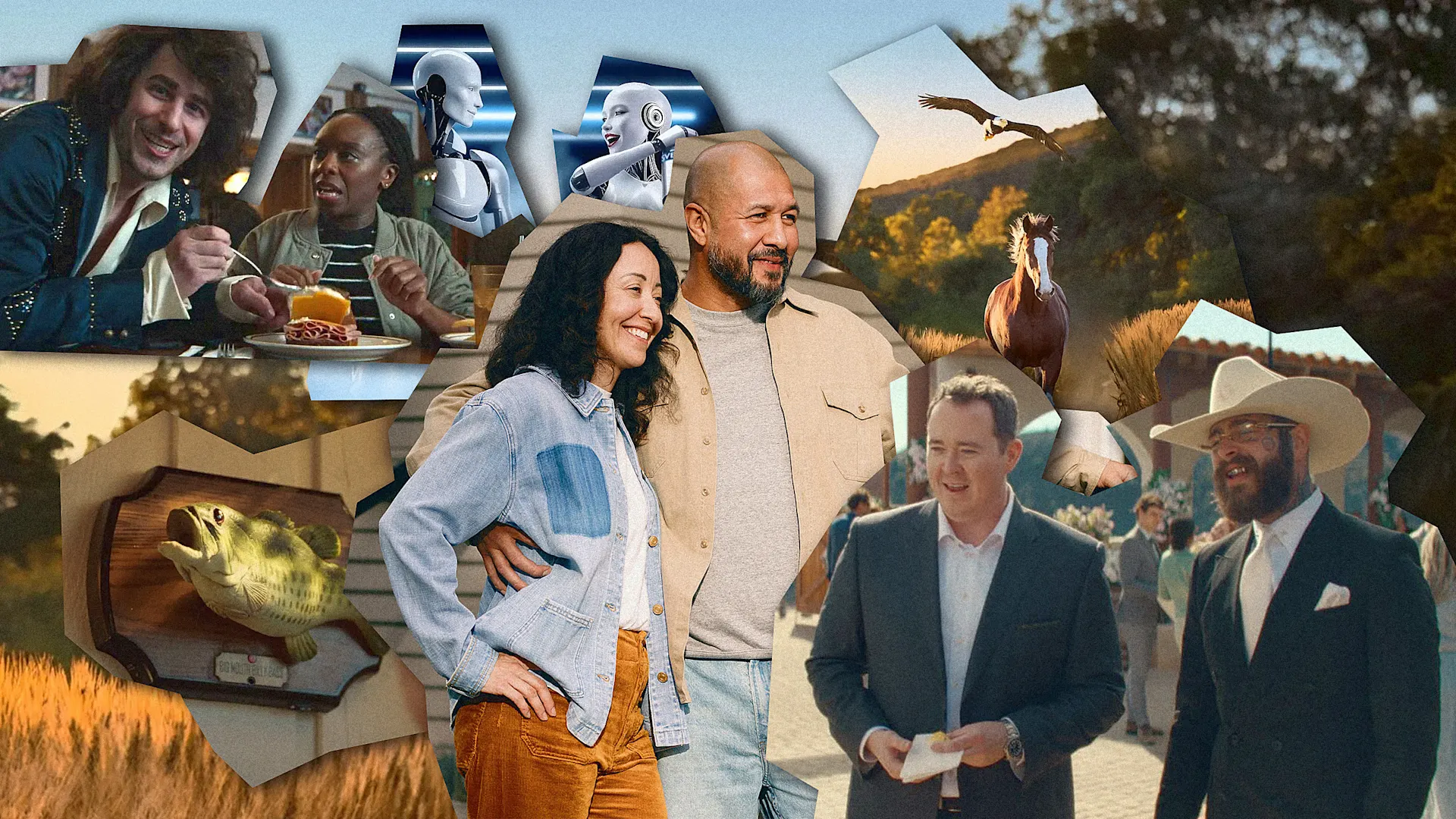
The 10 best Super Bowl commercials of 2026 represent a masterclass in high-stakes storytelling, leveraging cutting-edge generative AI, nostalgic celebrity reunions, and emotional resonance. These ads, costing upwards of $7.5 million per 30-second slot, dominated the Super Bowl LX broadcast, successfully capturing global attention through innovative humor and technical brilliance.
The Cultural and Economic Impact of Super Bowl LX Advertising
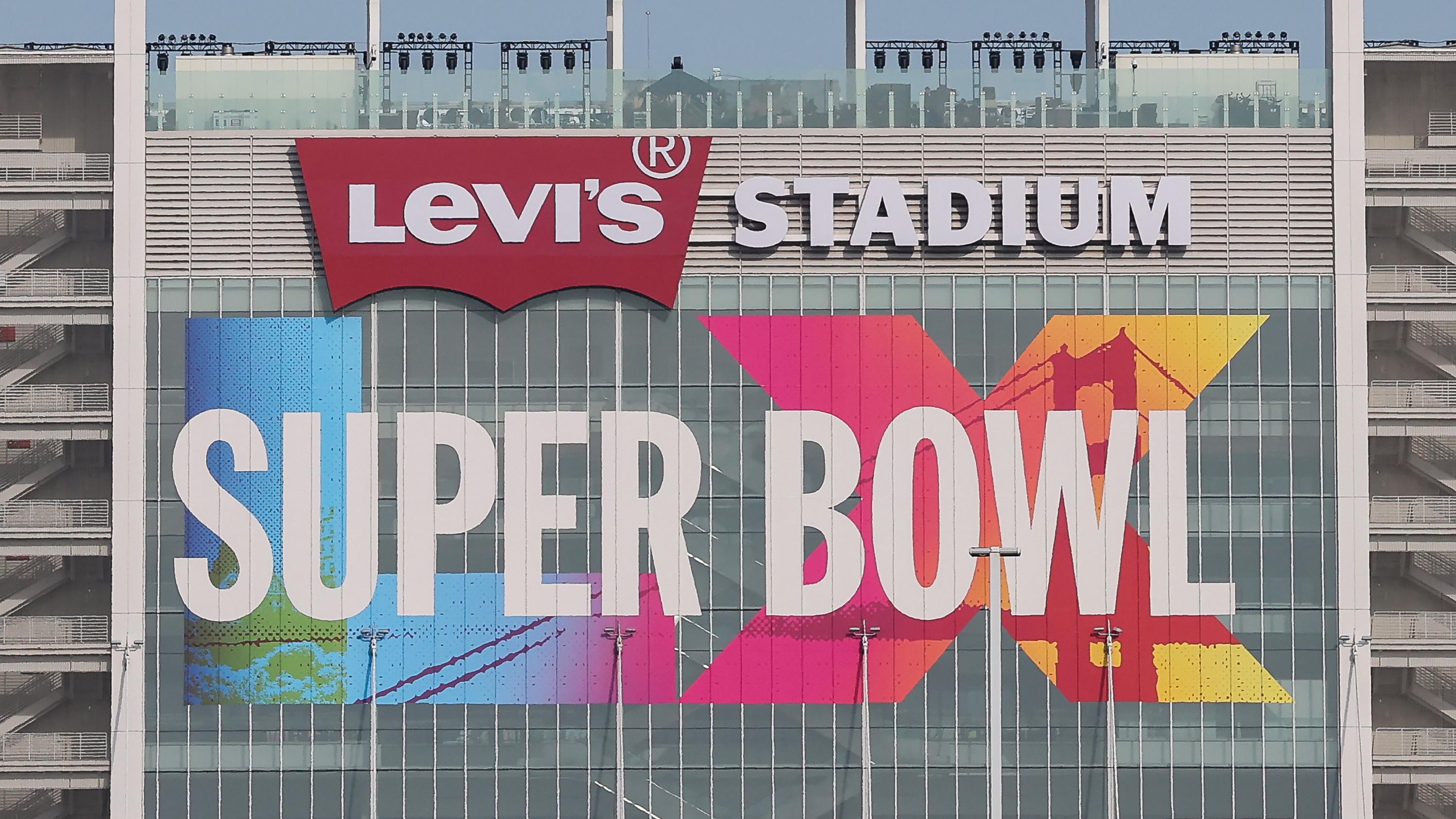
The landscape of advertising in 2026 has shifted significantly from previous years. With Super Bowl LX taking place at Levi’s Stadium in Santa Clara, the influence of Silicon Valley was palpable in every commercial break. Advertisers are no longer just selling products; they are selling ecosystems and experiences. In 2026, the average cost for a 30-second spot reached a record-breaking $7.8 million, forcing brands to maximize their return on investment (ROI) through multi-platform integration and "pre-game" viral releases.
The 2026 commercials also highlighted a major shift in technical execution. We saw the first mainstream integration of "Dynamic Viewing," where certain ads featured QR codes that allowed viewers to interact with the commercial in augmented reality (AR) via their mobile devices or smart glasses. This level of engagement has transformed the Super Bowl from a passive viewing experience into an interactive marketing event.
Furthermore, the "social currency" of these ads has become the primary metric for success. Brands are no longer looking just at Nielsen ratings; they are monitoring real-time sentiment analysis across decentralized social platforms and traditional networks. The commercials that made our top 10 list didn't just air during the game—they owned the digital conversation for weeks leading up to and following the event.
1. Budweiser: "The Clydesdales’ Return to the Wild"
Budweiser returned to its roots in 2026 with a cinematic masterpiece that eschewed flashy graphics for raw emotional storytelling. The ad follows a retired Clydesdale finding its way back to the herd, set to a hauntingly beautiful cover of "Landslide."
Why it worked: In an era dominated by digital noise, Budweiser’s commitment to "The Great American Story" resonated deeply. The production quality was reminiscent of a feature film, utilizing anamorphic lenses to give the vast landscapes an epic feel. It reminded the audience that even in a high-tech world, tradition and connection still hold the most weight.
2. Apple: "The World is Your Canvas"
Promoting the latest iteration of their spatial computing lineup, Apple’s 60-second spot was a technical marvel. It depicted a series of users transforming mundane city environments into vibrant, interactive art installations using the Vision Pro 3.
Why it worked: Apple successfully demystified spatial computing for the average consumer. Instead of focusing on technical specifications, they focused on the "magic" of the user experience. The ad was perfectly timed to coincide with the mass-market adoption of wearable AR technology in early 2026.
3. Doritos Dinamita: "The Heat Map"
Doritos maintained its streak of high-energy comedy with a commercial featuring a global "heat map" of people reacting to the new Dinamita flavors. The ad featured a fast-paced montage of celebrities and influencers, including a surprise cameo by a legendary retired quarterback.
Why it worked: It utilized a "multi-sensory" approach. The bright visuals and rapid-fire editing kept viewers engaged, while the humor was accessible and shared across all age demographics. Doritos continues to master the art of the "short-form" aesthetic within a traditional broadcast window.
4. Google: "Search Your Memories"
Google’s 2026 entry focused on the integration of AI within Google Photos. The commercial told the story of an elderly woman using AI-assisted search to reconstruct lost memories of her youth, cleaning up grainy footage and identifying long-lost locations.
Why it worked: It was the most "human" tech ad of the year. By showing AI as a tool for preservation and emotional connection rather than just a productivity utility, Google addressed common anxieties about the technology. It was a poignant reminder of how technology can bridge the gap between the past and the present.
5. Tesla: "The Cyber-Farm"
In a rare Super Bowl appearance, Tesla showcased the versatility of the Cybertruck and the Optimus Gen-3 robots. The ad featured a fully automated farm in the Midwest, operating seamlessly in harsh winter conditions.
Why it worked: Tesla moved away from the "luxury" narrative and focused on "utility and resilience." By showing their technology solving real-world labor and logistical challenges, they appealed to a broader, more practical demographic beyond the early tech adopters.
6. Amazon: "Alexa’s New Persona"
Amazon’s 2026 ad centered on a "bug" in the Alexa system that caused the AI to take on the personality of a sarcastic, world-weary comedian. The resulting interactions with users were hilarious and showcased Amazon’s ability to poke fun at its own ubiquity.
Why it worked: Self-deprecating humor is a powerful tool for massive corporations. By acknowledging the "omnipresence" of Alexa in a humorous way, Amazon made the brand feel more approachable and less intimidating.
7. Pepsi: "The New Generation of Zero"
Pepsi went all-in on a music-heavy, neon-drenched tribute to the 1990s, featuring a "digital reunion" of iconic pop stars from that era. The ad promoted their reformulated Pepsi Zero Sugar, positioning it as the drink of choice for both Gen Z and Millennials.
Why it worked: Nostalgia remains one of the most effective marketing levers. By blending 90s aesthetics with 2026 production technology, Pepsi created a "cross-generational" moment that was highly shareable on social media.
8. State Farm: "Jake Meets the Multiverse"
State Farm leaned into the popular culture trend of "multiverses." The ad featured various versions of "Jake from State Farm" across different dimensions—including an animated version and a high-fantasy version—all providing the same reliable service.
Why it worked: It was clever, funny, and reinforced the brand’s core message of reliability. The high production value of the different "worlds" made it visually stimulating, ensuring that viewers didn't look away during the commercial break.
9. BMW: "The Ultimate Electric Machine"
BMW’s 2026 spot focused on the joy of driving, even in an autonomous age. The ad featured a driver taking manual control of a sleek i7 on a winding mountain road, emphasizing the visceral connection between human and machine.
Why it worked: As autonomous driving becomes more common in 2026, BMW successfully positioned itself as the brand for people who still love to drive. It appealed to the "enthusiast" market while showcasing state-of-the-art EV technology.
10. OpenAI: "The First Scripted Ad"
OpenAI aired a commercial that was entirely conceptualized, scripted, and visually generated by their latest Sora model. The ad was a surreal, dreamlike sequence of impossible landscapes that transitioned into a simple call to action: "What will you create?"
Why it worked: It was a bold statement of capability. By letting the AI "speak for itself," OpenAI demonstrated the creative potential of their tools in a way that a traditional ad never could. It was arguably the most talked-about ad in terms of industry impact.
Comparison of Top 2026 Super Bowl Commercials
The following table summarizes the key attributes of the top-performing ads, highlighting the diversity in strategy and execution during Super Bowl LX.
| Brand | Primary Theme | Key Technology/Trend | Sentiment |
|---|---|---|---|
| Budweiser | Tradition/Nostalgia | Cinematic Storytelling | Emotional |
| Apple | Innovation | Spatial Computing (AR) | Futuristic |
| Doritos | Humor | Influencer Integration | High-Energy |
| Connection | AI Photo Reconstruction | Heartwarming | |
| Tesla | Utility | Robotics/Automation | Industrial |
| Amazon | Comedy | AI Personality | Sarcastic |
| Pepsi | Music/Pop Culture | 90s Nostalgia | Energetic |
| State Farm | Reliability | Multiverse/CGI | Whimsical |
| BMW | Performance | EV/Manual Control | Thrilling |
| OpenAI | Creativity | Generative Video (Sora) | Awe-Inspiring |
Emerging Marketing Trends from Super Bowl LX
Analyzing the 2026 ads reveals several critical shifts in the advertising industry. These trends are likely to define the marketing landscape for the remainder of the decade.
The Integration of Generative AI
2026 was the year generative AI moved from a "gimmick" to a foundational tool. Brands like OpenAI and Google used AI not just as a talking point, but as the engine behind the ad itself. This has led to shorter production cycles and the ability to create hyper-personalized versions of ads for different streaming platforms.
The Rise of "Phygital" Advertising
The term "phygital"—the blending of physical and digital—was fully realized in 2026. The use of QR codes and AR overlays allowed viewers to "step into" the commercial. For instance, the Apple and Nike ads allowed users to virtually "try on" products appearing on the screen in real-time, blurring the line between entertainment and e-commerce.
Sustainability as a Standard, Not a Feature
In 2026, brands no longer felt the need to shout about their sustainability efforts; it was treated as a given. Whether it was BMW’s EVs or the eco-friendly farming depicted by Tesla, green technology was integrated seamlessly into the lifestyle narratives of the ads, reflecting a shift in consumer expectations.
Frequently Asked Questions
What was the most expensive Super Bowl ad in 2026?
The Apple Vision Pro 3 commercial is estimated to be the most expensive, not just in terms of airtime ($15.6 million for a 60-second spot), but also in production costs. The integration of high-end CGI and spatial mapping technology pushed the total budget for the single ad to over $25 million.
Which ad had the most social media engagement?
Doritos Dinamita took the top spot for social media engagement. Their "Heat Map" campaign included a pre-game challenge on several major social platforms, which generated over 2 billion views before the kickoff. The live commercial acted as the "finale" to a month-long interactive campaign.
Were there any controversial ads in 2026?
The OpenAI ad sparked significant debate among creative professionals. While many praised its technical achievement, others raised concerns about the displacement of human artists and directors. This "AI vs. Human" discourse dominated industry journals like Ad Age and Adweek for weeks after the game.
How did the 2026 ads handle viewer privacy?
With the rise of interactive ads, privacy was a major concern. Most brands utilized "Zero-Party Data" strategies, where viewers explicitly opted-in to interact with AR features. This approach complies with the updated 2026 Digital Privacy Acts, ensuring that interactive engagement did not lead to unauthorized data harvesting.
Why was there a focus on 90s nostalgia?
In 2026, the "prime" spending demographic consists of older Millennials and younger Gen Xers, both of whom have a strong affinity for 1990s culture. Brands like Pepsi and Sony leveraged this by using music and celebrities from that era to create an immediate emotional connection with high-income viewers.
How to Access and Re-watch the 2026 Ads
For those who missed the live broadcast or want to dive deeper into the production details, several platforms offer comprehensive archives.
- YouTube AdBlitz: The official repository for Super Bowl commercials, featuring behind-the-scenes content and director's cuts.
- Brand Websites: Most major advertisers (e.g., Apple, Budweiser) host their Super Bowl spots in high-definition on their homepages.
- Marketing Journals: Publications like The Drum provide detailed breakdowns of the strategy and ROI for each major commercial.
To get the most out of these ads, it is recommended to watch the "Extended Cuts," which often include narrative beats that were trimmed for the television broadcast. Furthermore, checking the official social media accounts of the brands can provide access to the interactive AR components that accompanied the live airings.