Achieving brighter, bolder eyes in 2026 requires a dual-action approach: immediate optical brightening and long-term structural repair. The best under-eye creams utilize potent antioxidants like Vitamin C to neutralize pigment, caffeine to constrict blood vessels, and retinoids or peptides to thicken the delicate dermis. By addressing both surface-level discoloration and underlying skin density, these top-tier formulations deliver a more rested, vibrant, and defined appearance.
The Science of the Periorbital Region
The skin surrounding the eyes is significantly different from the rest of the face. It is approximately 0.5mm thick, which is roughly one-third the thickness of the skin on the cheeks or forehead. Because this area lacks a robust layer of subcutaneous fat and has fewer sebaceous (oil) glands, it is the first to show signs of aging, dehydration, and fatigue.
When we talk about "brighter" eyes, we are usually addressing two distinct issues: hyperpigmentation (melanin) and vascular congestion. Hyperpigmentation is often caused by sun damage or genetics, while vascular congestion results from blood pooling in the capillaries beneath the thin skin, creating a blue or purple tint. "Bolder" eyes, on the other hand, refer to the firmness and "snap" of the skin. As collagen and elastin degrade, the skin sags, leading to a hollowed or tired look. A high-quality eye cream must address these physiological realities with precision-targeted ingredients.
Key Ingredients for Brighter, Bolder Eyes
Before selecting a product, it is essential to understand the "Big Five" ingredients that dominate the 2026 skincare landscape. These compounds have been rigorously tested and proven to alter the appearance of the periorbital area.
- Vitamin C (L-Ascorbic Acid and Derivatives): This is the gold standard for brightening. It inhibits the enzyme tyrosinase, which is responsible for melanin production. In 2026, stable derivatives like Tetrahexyldecyl Ascorbate are preferred for the eye area because they are less irritating than pure L-Ascorbic acid while remaining highly lipid-soluble.
- Caffeine: Acting as a vasoconstrictor, caffeine shrinks the blood vessels under the eyes. This reduces the "shadow" effect caused by fluid retention and vascular pooling. It also provides a temporary tightening effect, making the eyes look more "bold" and awake.
- Retinoids (Retinol and Retinaldehyde): These Vitamin A derivatives are the only ingredients proven to significantly stimulate collagen production. By thickening the skin over time, retinoids make the underlying blood vessels less visible and smooth out fine lines (crow's feet).
- Peptides: These short chains of amino acids act as chemical messengers. In eye creams, specific peptides like Palmitoyl Pentapeptide-4 signal the skin to repair its basement membrane, improving elasticity and "bounce."
- Hyaluronic Acid and Ceramides: These are the "plumpers." Hyaluronic acid draws moisture into the skin to fill out fine lines, while ceramides repair the skin barrier to prevent transepidermal water loss (TEWL).
10 Best Under Eye Creams for Brighter, Bolder Eyes
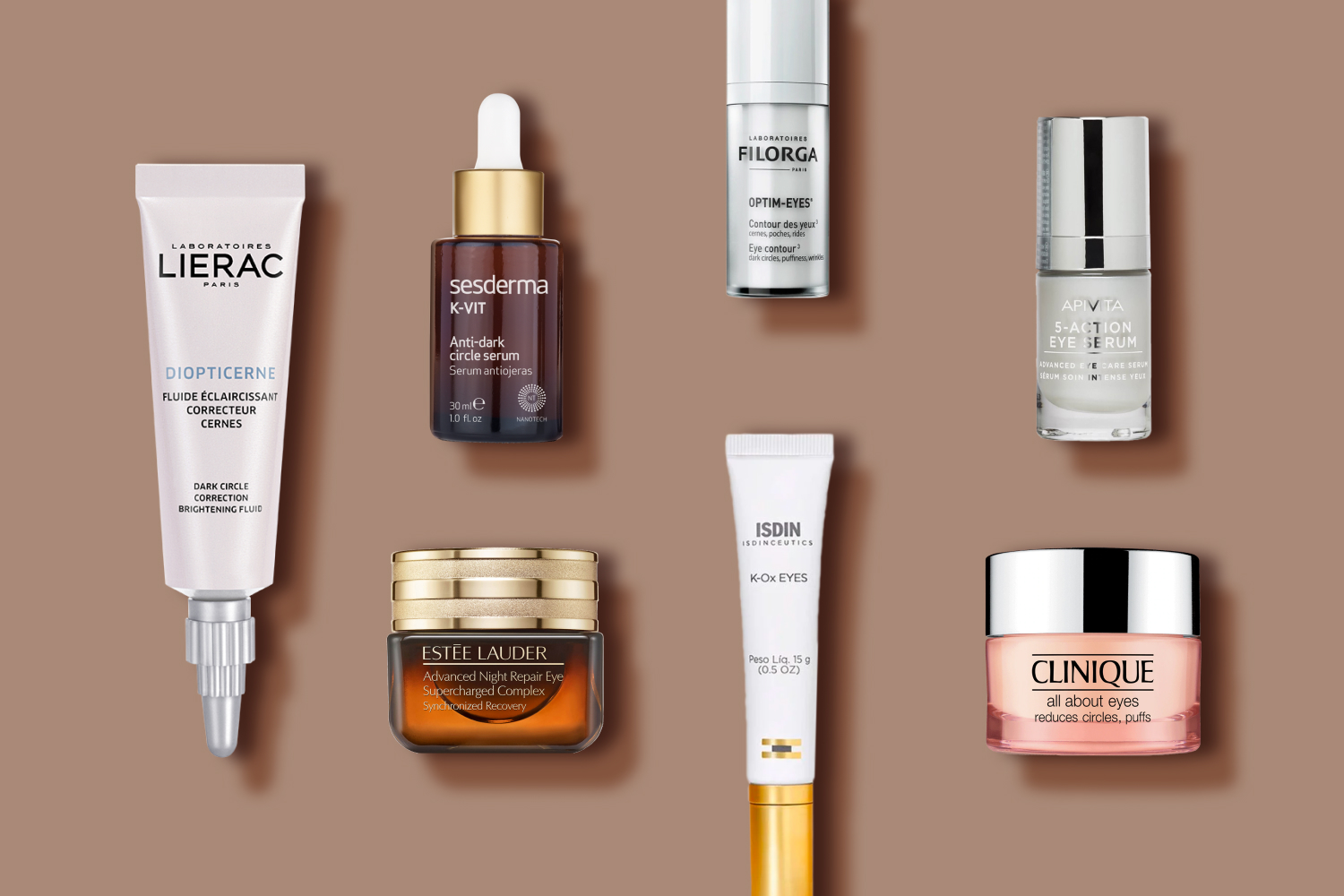
Based on clinical efficacy, formulation stability, and user feedback in 2026, the following ten products represent the pinnacle of eye care.
1. SkinCeuticals A.G.E. Advanced Eye
This product remains a titan in the industry due to its focus on "glycation"—a process where sugar molecules bond to collagen fibers, causing them to become brittle. The Advanced Eye formula uses a high concentration of Proxylane and blueberry extract to protect the skin’s support structure. It is particularly effective for those whose dark circles are caused by thinning, aging skin rather than just pigment.
2. La Roche-Posay Toleriane Dermallergo Eye Cream
For those with sensitive skin or ocular rosacea, this cream is a lifesaver. It uses Neurosensine to soothe inflammation and sphingobioma to support the skin's microbiome. While it is gentler than a retinol-based cream, its ability to reduce redness and puffiness provides an immediate brightening effect by calming the skin.
3. Drunk Elephant C-Tango Multivitamin Eye Cream
This is a powerhouse for pure brightening. It contains five different forms of Vitamin C and a blend of eight peptides. The inclusion of cucumber extract helps to refresh the skin, while the heavy-hitting antioxidant profile protects against the blue light damage often associated with modern screen use—a major concern in 2026.
4. Kiehl’s Since 1851 Creamy Eye Treatment with Avocado
A perennial favorite for a reason, this cream focuses on intense hydration. Its unique "water-in-oil" molecule provides a burst of moisture that doesn't migrate into the eyes. By deeply hydrating the area, it eliminates "crepiness," making the eyes look smoother and bolder.
5. The Ordinary Caffeine Solution 5% + EGCG
This is the most cost-effective solution for rapid de-puffing. The high concentration of caffeine is paired with EGCG (Epigallocatechin Gallatyl Glucoside) from green tea leaves. It works almost instantly to reduce swelling and vascular darkness, though it should be paired with a more emollient moisturizer if you have dry skin.
6. Ole Henriksen Banana Bright+ Eye Crème
Inspired by "banana powder" used by makeup artists, this cream contains light-reflecting yellow pigments that instantly color-correct purple tones. In 2026, the "+" version features a triple vitamin C complex with real gold to enhance delivery and stability, making it a top choice for immediate cosmetic brightening.
7. RoC Retinol Correxion Line Smoothing Eye Cream
This is the best entry-level retinol for the eyes. RoC’s stabilized retinol is designed to release slowly, minimizing the risk of the "retinol burn" that often occurs in the sensitive eye area. It is specifically formulated to target the structural "boldness" of the eye by firming the skin and reducing deep-set wrinkles.
8. Estée Lauder Advanced Night Repair Eye Supercharged Gel-Cure
This formula is engineered to combat the effects of lack of sleep. It uses "ChronoluxCB" technology to support the skin's natural nighttime repair process. Its gel-crème texture is excellent for those who find traditional creams too heavy or prone to causing milia (small white bumps).
9. Tatcha The Silk Peony Melting Eye Cream
This cream uses Japanese White Peony and Silk protein to create a protective seal over the skin. It is exceptionally good at "blurring" imperfections. When applied, it melts into a liquid silk texture that reflects light, giving the eyes a hydrated, luminous glow that lasts all day.
10. Shiseido Vital Perfection Uplifting and Firming Express Eye Mask/Cream
Using Shiseido’s proprietary ReNeura Technology++, this product focuses on "uplifting." It is designed to tighten the skin around the orbital bone, providing that "bold" look associated with a surgical lift. It is highly effective for those dealing with "hooded" eyes or sagging lids.
Comprehensive Comparison Table
The following table summarizes the primary strengths and key ingredients of the top 10 eye creams to help you choose the one that fits your specific needs.
| Product Name | Primary Goal | Key Ingredient | Best For | Price Range |
|---|---|---|---|---|
| SkinCeuticals A.G.E. | Anti-Glycation/Firming | Proxylane | Mature Skin | Premium |
| La Roche-Posay | Soothing/Redness | Neurosensine | Sensitive Skin | Mid-Range |
| Drunk Elephant | Brightening/Defense | 5-Vitamin C Blend | Dullness | Mid-to-High |
| Kiehl's Avocado | Deep Hydration | Avocado Oil | Dry/Crepy Skin | Mid-Range |
| The Ordinary | De-puffing | 5% Caffeine | Morning Puffiness | Budget |
| Ole Henriksen | Color Correcting | Vitamin C + Gold | Instant Brightening | Mid-Range |
| RoC Retinol | Line Smoothing | Pure Retinol | Crow's Feet | Budget/Pharmacy |
| Estée Lauder | Night Repair | Hyaluronic Acid | Tired Eyes | Premium |
| Tatcha Silk Peony | Blurring/Hydration | Silk Protein | Prep for Makeup | Premium |
| Shiseido Vital | Lifting/Firming | ReNeura Tech++ | Sagging Lids | Premium |
How to Apply Eye Cream for Maximum Results
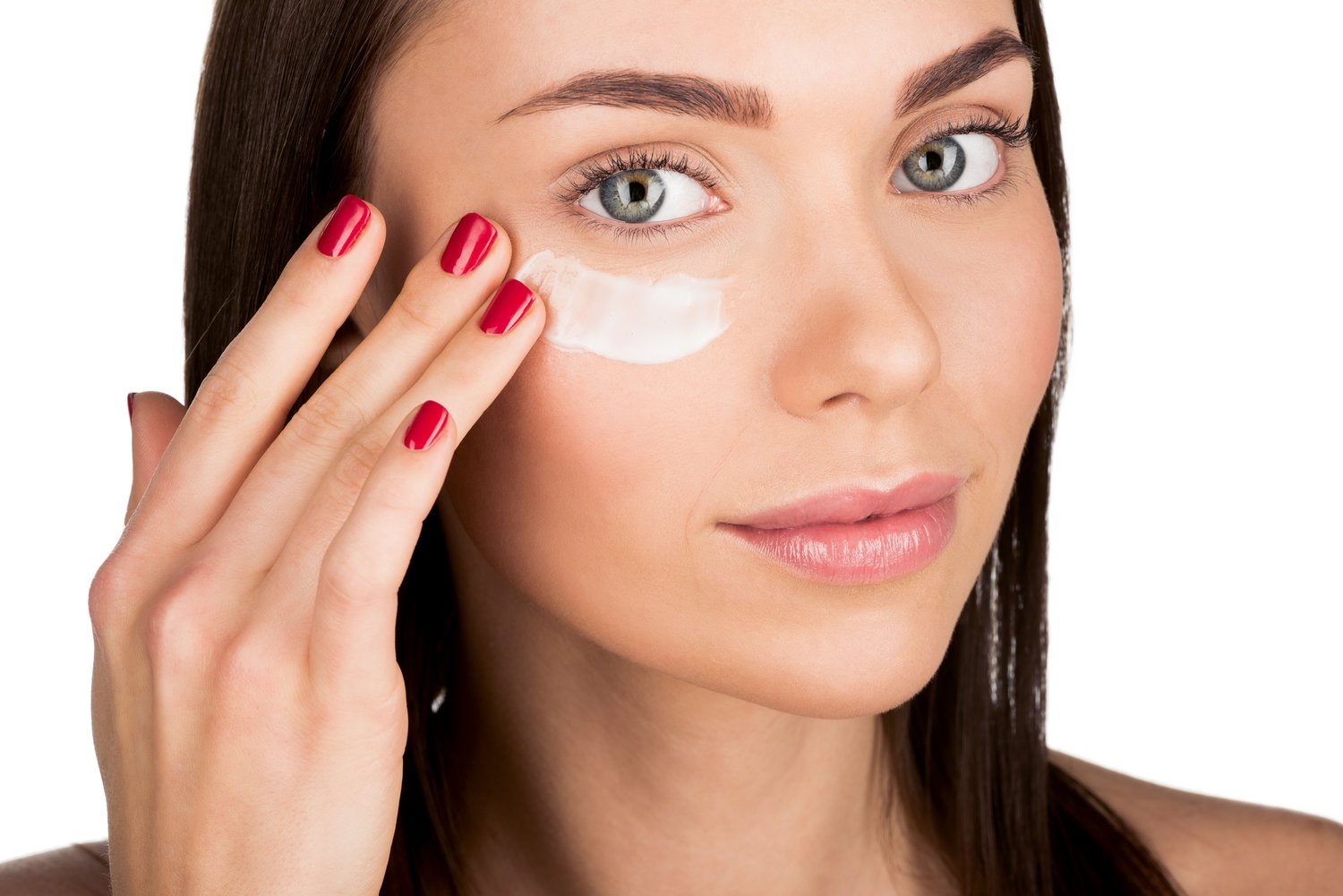
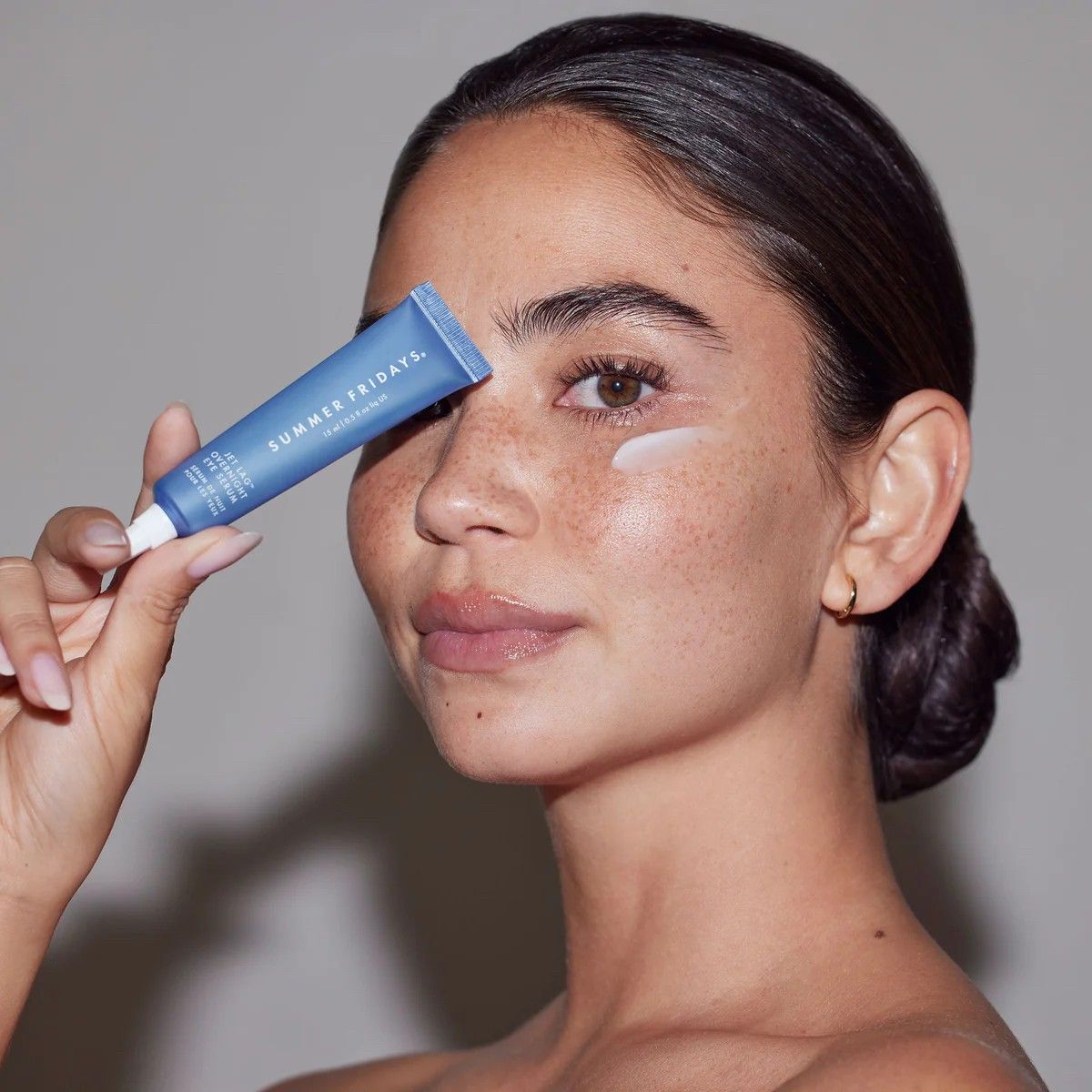
Applying eye cream is just as important as the formula itself. Because the skin is so thin, aggressive rubbing can actually damage the capillaries and worsen dark circles.
- The Ring Finger Method: Use your ring finger to apply the product. This finger naturally has the lightest touch, ensuring you don't put too much pressure on the orbital bone.
- Dot and Dab: Place small dots of cream starting from the inner corner under the eye, moving outward toward the temple. Do not forget the area just under the eyebrow, but avoid the actual eyelids unless the product specifically states it is "ophthalmologist tested" for lid use.
- The "C" Motion: Gently pat the cream in a "C" shape around the eye. This stimulates lymphatic drainage, which helps to move fluid away from the area and reduce puffiness.
- Wait for Absorption: Allow the eye cream to fully set for 60 to 90 seconds before applying concealer or sunscreen. This prevents "pilling," where the product rolls off the skin in small flakes.
Common Pitfalls and Troubleshooting
Many users do not see results because of simple procedural errors. If you find your eye cream isn't working, consider these factors:
- Using Too Much Product: The eye area is small; you only need a pea-sized amount for both eyes combined. Excess product can migrate into the eye, causing irritation, or sit on the surface and cause milia.
- Inconsistent Application: Retinol and peptides require consistent use to show structural changes. It can take 8 to 12 weeks to see a "bolder" look from collagen stimulation.
- Ignoring Sunscreen: UV rays are the primary cause of skin thinning and hyperpigmentation. Even the most expensive eye cream will fail if you do not protect the area with an SPF 30 or higher during the day.
- Ignoring Allergic Shiners: Sometimes dark circles are caused by seasonal allergies. If your eyes are itchy and watery, a cosmetic cream won't help as much as an antihistamine will.
Frequently Asked Questions
Can I use my regular face moisturizer as an eye cream?
While you can use a basic moisturizer, eye creams are specifically formulated to be non-migratory and have lower concentrations of potentially irritating actives like acids. Regular moisturizers may be too heavy, leading to puffiness or clogged pores (milia) in the delicate periorbital area.
At what age should I start using an eye cream?
Preventative care should begin in your early 20s with a focus on hydration and antioxidants. By your 30s, incorporating ingredients like peptides or gentle retinoids is recommended to combat the early signs of collagen loss and maintain a bold eye contour.
Why do some eye creams make my eyes look puffier in the morning?
This often happens if the cream is applied too close to the lash line or if it contains heavy occlusives like petrolatum that can trap fluid. Try applying your cream at least an inch away from the eye and ensuring you use a gel-based formula if you are prone to morning edema.
How long does it take to see results for dark circles?
Vascular dark circles (blue/purple) may show improvement in minutes with caffeine-based products. Pigmented dark circles (brown) require Vitamin C or niacinamide and usually take 4 to 6 weeks of consistent use to visibly brighten.
Next Steps for Your Eye Care Routine
To achieve the best results for brighter, bolder eyes, identify your primary concern—whether it is darkness, sagging, or dryness—and choose a product from the list above that targets that specific issue. Start by introducing the product once every other night to test for sensitivity, then move to twice-daily application. For an extra boost, keep your eye cream in a skincare fridge; the cold temperature provides an additional vasoconstrictive effect, significantly enhancing the de-puffing power of the formula. Always pair your daytime eye care with a dedicated mineral sunscreen to prevent further damage to this vulnerable area.