10,000 Maniacs is an influential American alternative rock band formed in 1981 in Jamestown, New York. They are widely recognized for their literate, socially conscious lyrics and a melodic folk-rock sound that bridged the gap between post-punk and the 1990s alternative boom. While originally fronted by Natalie Merchant, the band has successfully navigated several lineup changes, including the long-term tenure of Mary Ramsey and the more recent addition of Leigh Nash.
The Origins and Early Evolution of the "Maniacs"
The story of 10,000 Maniacs begins in the small industrial city of Jamestown, New York, in the early 1980s. The band’s founding members—Dennis Drew (keyboards), Steven Gustafson (bass), Robert Buck (guitar), Terry Newhouse, and Chet Cardinale—initially performed under the name "Still Life." However, the group’s trajectory changed significantly when 17-year-old Natalie Merchant joined as the lead singer. The band eventually settled on the name 10,000 Maniacs, inspired by the low-budget horror film Two Thousand Maniacs!.
During their formative years, the group experimented with a variety of sounds, ranging from reggae and ska to traditional folk and post-punk. Their early independent releases, such as the EP Human Conflict Number Five (1982) and the full-length Secrets of the I Ching (1983), garnered attention from the influential British DJ John Peel. This exposure helped the band secure a major-label contract with Elektra Records in 1985. Their major-label debut, The Wishing Chair, produced by Joe Boyd, showcased a band finding its footing with a blend of jangle-pop and poetic storytelling, setting the stage for their commercial breakthrough.
The Breakthrough Era: In My Tribe and Blind Man’s Zoo
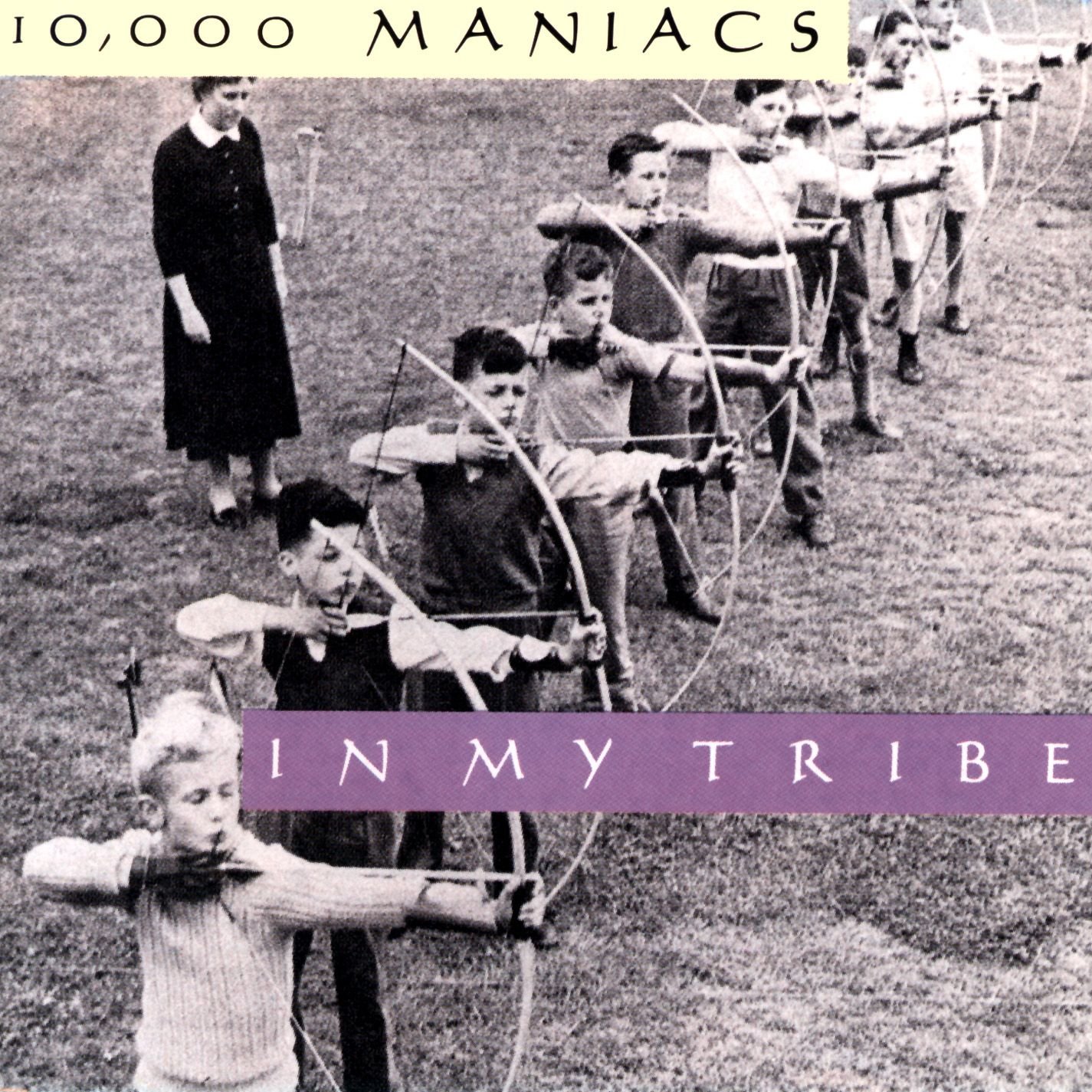
The late 1980s marked the peak of the band's commercial and critical influence. Working with producer Peter Asher, 10,000 Maniacs released In My Tribe in 1987. This album was a masterclass in "college rock," featuring bright, Rickenbacker-heavy guitar work paired with Merchant’s sophisticated lyrics addressing complex social issues. Songs like "What’s the Matter Here?" tackled child abuse, while "Don’t Talk" addressed alcoholism. The album remained on the Billboard charts for 77 weeks and established the band as a staple of the burgeoning alternative radio format.
Following the success of In My Tribe, the band released Blind Man’s Zoo in 1989. This record leaned even more heavily into political and social commentary. The lead single, "Trouble Me," became a major hit, though the album as a whole was darker, discussing themes of environmental degradation and the impacts of colonialism. Despite the heavier subject matter, the album was certified Platinum, solidifying 10,000 Maniacs as one of the most successful "alternative" acts of the decade. This era was characterized by a specific sonic identity: Robert Buck's intricate guitar melodies providing a lush backdrop for Merchant’s distinctive, emotive vocals.
The Height of Fame and the 1993 Transition
As the 1990s began, 10,000 Maniacs were at the zenith of their popularity. Their 1992 album, Our Time in Eden, featured a more expansive sound, incorporating brass sections and a more mature, polished production style. Hits like "These Are Days" and "Candy Everybody Wants" became defining anthems of the early 90s. However, behind the scenes, Natalie Merchant had already informed the band of her intention to pursue a solo career.
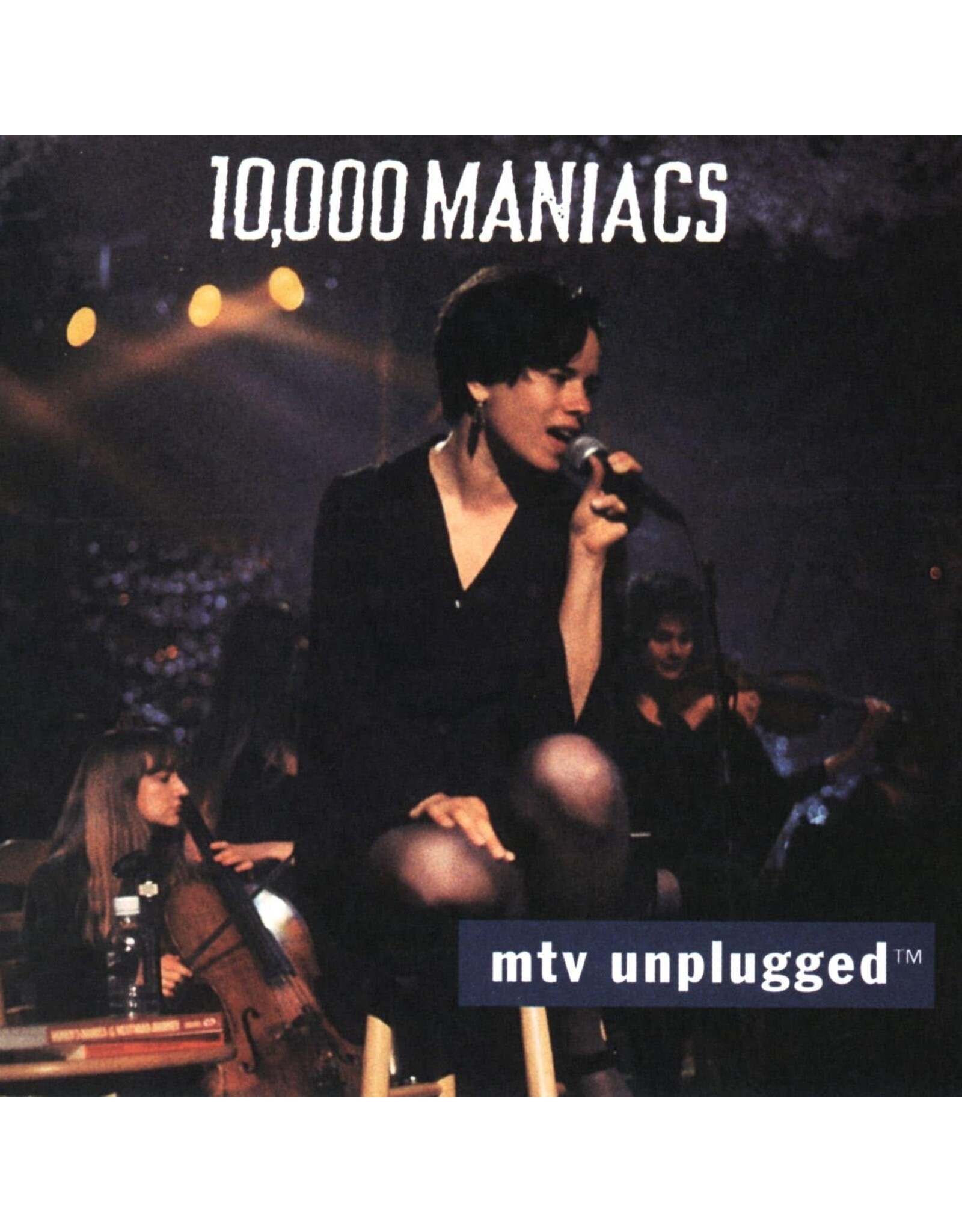
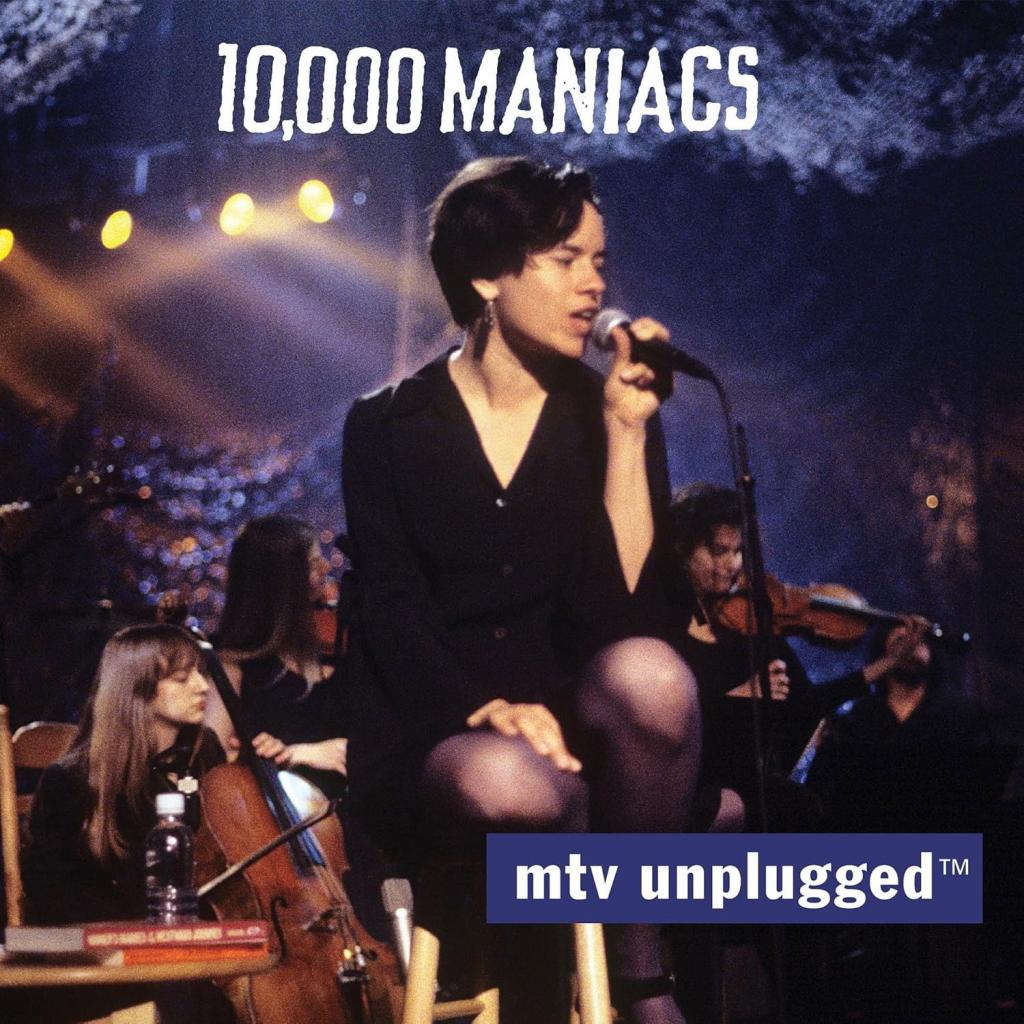
The band’s final major project with Merchant was their appearance on MTV Unplugged in 1993. This performance is often cited as one of the best in the series’ history. The acoustic format perfectly complemented the band's folk roots, and their cover of Patti Smith and Bruce Springsteen’s "Because the Night" became their highest-charting single. Merchant’s departure shortly after the MTV Unplugged release left the remaining members at a crossroads. Many critics predicted the end of the band, but the core instrumentalists—Drew, Gustafson, Augustyniak, and Buck—decided to continue the legacy of the name they had built over a decade.
The Mary Ramsey Era and Artistic Resilience
In 1993, the band recruited Mary Ramsey, who had previously contributed viola and backing vocals to the group as part of the duo John & Mary. Ramsey’s transition to lead vocalist was a bold move; she shared Merchant’s penchant for literate lyrics but brought a different musical dimension with her proficiency on the viola. In 1997, the "new" 10,000 Maniacs released Love Among the Ruins, which featured a hit cover of Roxy Music’s "More Than This."
The late 90s were a period of both creative output and profound loss. The band released The Earth Pressed Flat in 1999, an album that returned to their more eclectic, folk-influenced roots. However, tragedy struck in December 2000 when founding guitarist Robert Buck passed away at the age of 42. Buck was the architect of the band's signature guitar sound, and his death was a significant blow to the group’s identity. After a brief hiatus, the band decided to move forward with their longtime guitar technician, Jeff Erickson, taking over lead guitar duties.
Modern Lineup Changes and Current Status in 2026
As of 2026, 10,000 Maniacs continue to tour and record, maintaining a loyal fanbase that spans generations. The band has undergone further evolution in the 2020s. In 2023, it was announced that Mary Ramsey would be stepping away from her role as lead vocalist. To fill this vacancy, the band turned to another veteran of the alternative scene: Leigh Nash, the former lead singer of Sixpence None the Richer.
Nash’s ethereal vocals and experience in the folk-pop genre have revitalized the band’s live performances. Alongside Nash, Matt Slocum (also of Sixpence None the Richer) joined the touring lineup, adding new layers to the band's classic arrangements. While the lineup has shifted, the core rhythm section of Steven Gustafson, Dennis Drew, and Jerry Augustyniak remains the heartbeat of the group. This continuity has allowed the band to preserve the "Jamestown sound"—a specific blend of Americana, pop, and social awareness—while embracing new creative influences.
Key Discography and Era Comparison
The following table outlines the major eras of the band, highlighting the shifts in personnel and commercial output.
| Era | Primary Vocalist | Key Albums | Notable Singles | Musical Characteristics |
|---|---|---|---|---|
| Founding (1981-1984) | Natalie Merchant | Secrets of the I Ching | "My Mother the War" | Post-punk, Reggae, Ska influences |
| Major Label Peak (1985-1993) | Natalie Merchant | In My Tribe, Blind Man's Zoo, Our Time in Eden | "These Are Days," "Trouble Me," "Because the Night" | Jangle-pop, Literate Folk-Rock |
| Resurgence (1994-2001) | Mary Ramsey | Love Among the Ruins, The Earth Pressed Flat | "More Than This," "Rainy Day" | Viola-driven Rock, Atmospheric Pop |
| Modern/Legacy (2002-2023) | Mary Ramsey | Music from the Motion Picture, Twice Told Tales | "It's a Forgery" | Independent Folk, Traditional covers |
| Current (2023-2026) | Leigh Nash | Touring / New Material | N/A | Revitalized Pop-Folk, Legacy preservation |
The Impact and Musical Influence of 10,000 Maniacs
The legacy of 10,000 Maniacs extends far beyond their chart positions. They were pioneers in the "College Rock" movement of the 1980s, alongside bands like R.E.M. and The Replacements. Their success proved that a band could be commercially viable while maintaining a staunchly intellectual and socially conscious lyrical focus.
Musically, the band helped define the "Jangle Pop" aesthetic. Robert Buck’s use of clean, chorused guitar tones influenced a generation of indie-rock guitarists. Furthermore, the band's ability to seamlessly integrate the viola and other folk instruments into a rock context predated the indie-folk explosion of the 2000s. Their influence can be heard in the works of artists like The Decemberists, Sarah McLachlan, and even contemporary folk-pop acts who prioritize storytelling over spectacle.
Social Activism and Lyrical Depth
One of the band's most enduring contributions is their commitment to advocacy. Throughout their career, 10,000 Maniacs have used their platform to address:
- Environmentalism: Songs like "Campfire Song" and "Poison in the Well" were early calls to action regarding ecological preservation.
- Social Justice: Their lyrics frequently touched on the plight of the working class and the consequences of political apathy.
- Literary References: The band often drew inspiration from literature and history, referencing figures like Jack Kerouac and events like the Spanish Civil War.
By refusing to shy away from difficult topics, 10,000 Maniacs created a body of work that invites deep listening and critical thought, a rarity in the landscape of mainstream pop-rock.
FAQ
Why is the band named 10,000 Maniacs?
The name was inspired by the 1964 low-budget splatter film Two Thousand Maniacs!, directed by Herschell Gordon Lewis. The band members found the name memorable and quirky, deciding to "increase" the number to 10,000 for their own moniker.
Did Natalie Merchant ever return to the band?
Since her departure in 1993, Natalie Merchant has focused exclusively on her solo career and has not officially rejoined the band. However, she has remained on friendly terms with the members, and they occasionally appear in the same circles of the New York music scene.
What happened to the original guitarist Robert Buck?
Robert Buck passed away on December 19, 2000, due to liver failure. He was a founding member and the primary architect of the band's signature melodic guitar style. His death was a pivotal moment in the band's history, leading to the eventual recruitment of Jeff Erickson.
Who is the lead singer of 10,000 Maniacs in 2026?
As of 2026, the lead vocal duties are handled by Leigh Nash, formerly of Sixpence None the Richer. She joined the band in 2023 following the departure of Mary Ramsey, who had fronted the group for nearly three decades.
Is the band still touring?
Yes, 10,000 Maniacs remain an active touring entity. They frequently perform at festivals, performing arts centers, and intimate venues across North America and Europe, performing a mix of their classic hits from the Merchant era and fan favorites from the Ramsey era.
What is their most successful song?
Commercially, their cover of "Because the Night" from the MTV Unplugged album was their most successful single, reaching the Top 20 on the Billboard Hot 100. Other major hits include "These Are Days," "Trouble Me," and "Like the Weather."
Exploring the 10,000 Maniacs Catalog
For those looking to explore the band's extensive history, the best starting point remains the "Big Three" albums from the late 80s and early 90s: In My Tribe, Blind Man's Zoo, and Our Time in Eden. These records represent the band at their creative peak with Natalie Merchant. To understand the band's resilience and evolution, listening to Love Among the Ruins provides essential context for the Mary Ramsey years.
Whether you are a longtime fan or a newcomer to the "Jamestown sound," the music of 10,000 Maniacs offers a rare combination of intellectual stimulation and melodic beauty. For the most current information on tour dates and official releases in 2026, fans should visit the band's official website or follow their verified social media channels. The band's archives are also well-documented via Rolling Stone and Billboard's chart history.