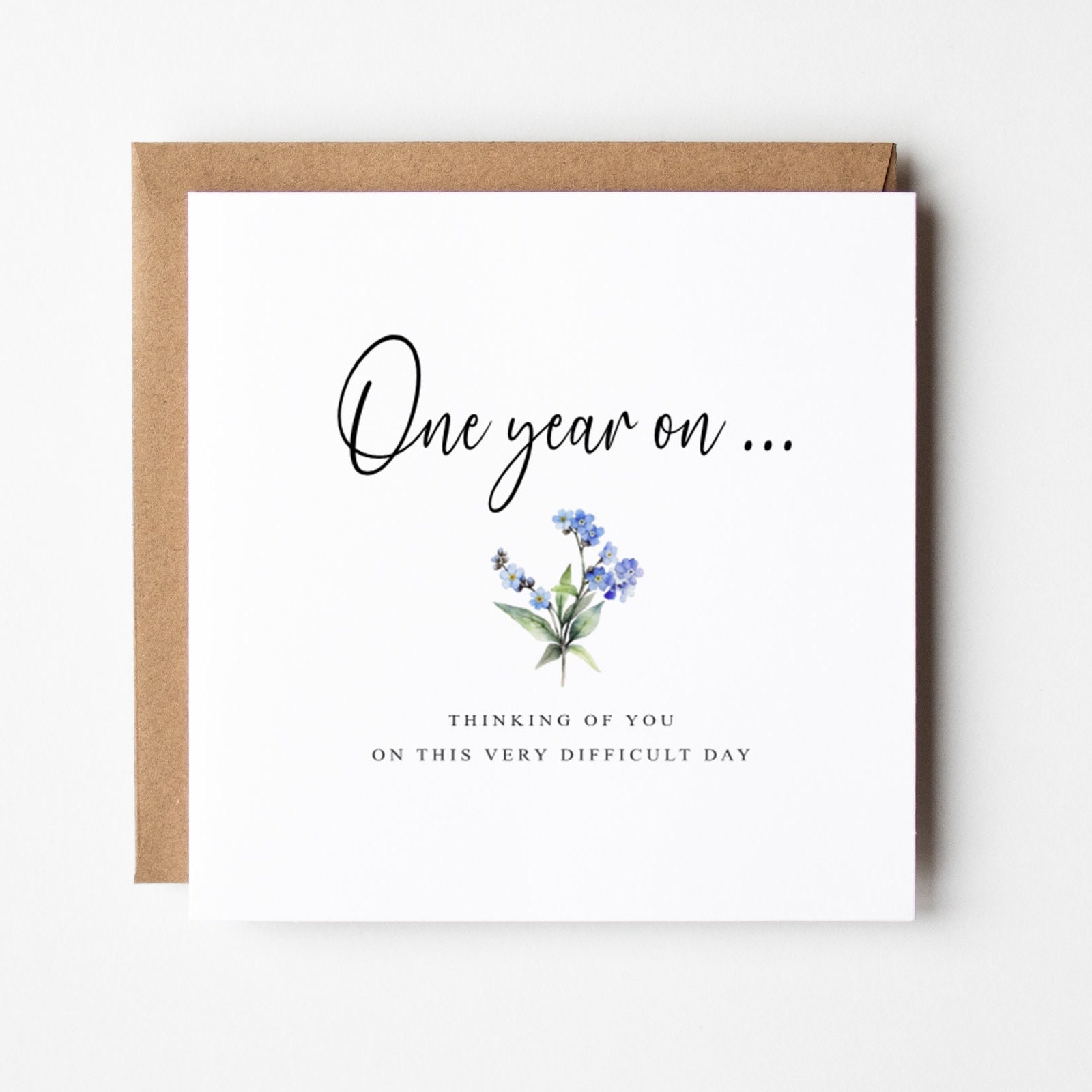
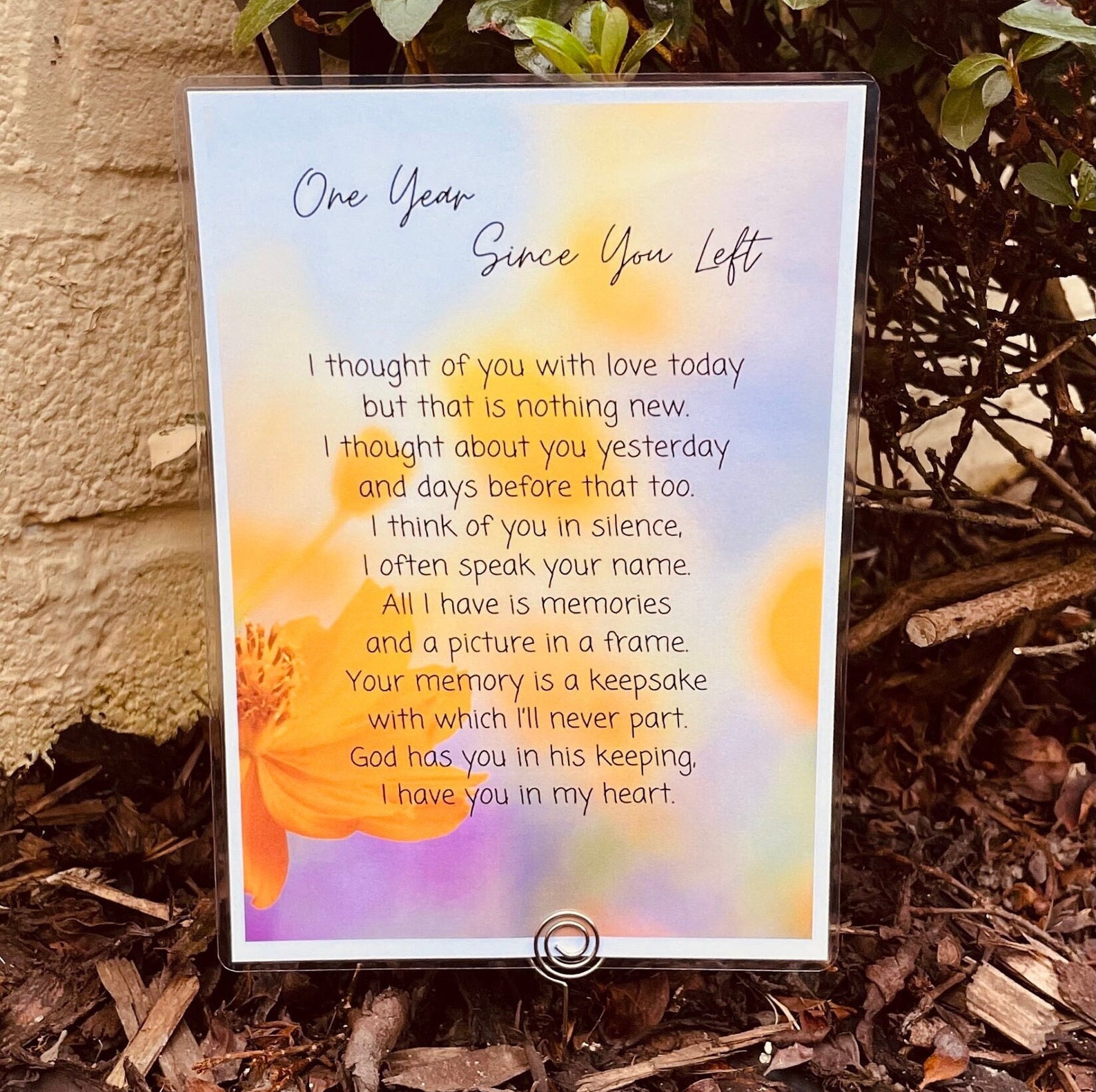
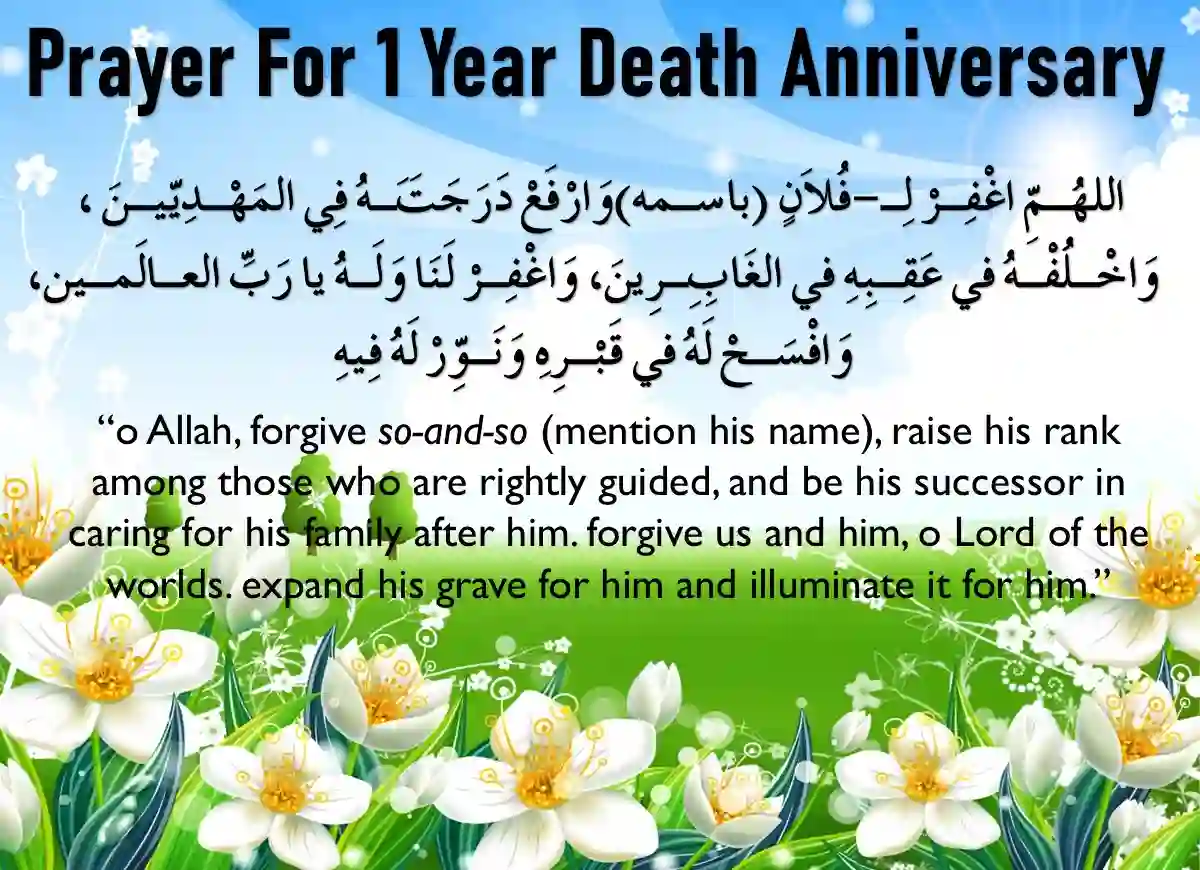
Finding the right words for a one-year death anniversary requires a balance of honoring the deceased’s memory and acknowledging the survivor's ongoing journey. Focus on shared memories, the person's lasting impact, or a simple "thinking of you" to let the bereaved know they are not alone during this significant and often difficult milestone.
The first anniversary of a loss is a profound marker in the grieving process. In clinical psychology, this is often referred to as the "anniversary effect," a period where feelings of sadness, anxiety, and nostalgia intensify as the calendar returns to the date of a traumatic event or loss. In 2026, as we continue to navigate a world that values both digital connection and deep personal reflection, sending a message of remembrance is one of the most impactful ways to show empathy.
The Psychological Significance of the One-Year Mark
The first year following a death is a gauntlet of "firsts"—the first holiday, the first birthday, and the first change of seasons without a loved one. By the time the one-year anniversary arrives, many mourners feel a complex mix of emotions. There is the pain of the anniversary itself, but often a secondary pain: the fear that the rest of the world has "moved on" or forgotten their loved one.
According to the American Psychological Association, grief does not follow a linear path. While the initial shock may have subsided by the twelve-month mark, the reality of the permanent absence often sets in more deeply. Reaching out during this time validates the mourner’s experience. It tells them that their loved one’s life still carries weight and that their own ongoing grief is seen and respected.
A meaningful message serves as a bridge. It connects the past (the life of the person who died) with the present (the resilience of the person left behind). Whether you choose a handwritten note, a thoughtful text, or a social media tribute, the goal is to provide "witness" to their experience.
Meaningful Messages for Close Friends and Family
When you are close to the person grieving, your message can be more intimate and detailed. These messages should focus on the enduring nature of the bond and specific qualities of the deceased.
For a Friend Grieving a Parent or Sibling
"I’ve been thinking about you so much as the one-year anniversary of your [Mother/Father/Brother/Sister]'s passing approaches. I still remember how they could light up a room with just one joke. Their influence is so clearly visible in the person you are today. I’m here if you want to share stories or just sit in silence today."
For a Spouse Who Has Lost a Partner
"A year has passed, but I know that in many ways, it feels like only yesterday. Your relationship was a beautiful example of love and partnership. Today, I am holding you in my heart and remembering [Name]’s incredible kindness. You have shown such strength this year, but please remember you don't have to be strong alone."
Incorporating Specific Memories
The most meaningful messages often include a "micro-memory." Instead of saying "They were a great person," try: "I was just thinking about the time [Name] helped me fix my car and wouldn't take a dime for it. That was just who they were." This specificity proves that the deceased is still a living part of your thoughts.
Professional and Formal Remembrance Messages
In professional settings or when you are not intimately close with the bereaved, the tone should shift toward respect and steady support. You want to acknowledge the day without overstepping personal boundaries.
For a Colleague or Employee
"Thinking of you today on the anniversary of your loss. Please know that your colleagues are keeping you in our thoughts. We hope you can find some peace and reflection during this time."
For a Distant Acquaintance
"I wanted to reach out and let you know I’m thinking of you and your family today. I know today marks one year since [Name] passed away. They are remembered fondly by many."
Formal messages are particularly important in 2026’s hybrid work environments. A quick, thoughtful email or a direct message on a professional platform can prevent a grieving colleague from feeling isolated, especially if they are working remotely and don't have the "water cooler" support system.
Faith-Based and Spiritual Messages
If the recipient finds comfort in faith, incorporating spiritual themes can be deeply healing. However, it is essential to ensure the message aligns with their beliefs, rather than your own.
- Christian Context: "May the peace of God, which transcends all understanding, guard your heart and mind today. We are praying for you as you honor [Name]’s beautiful life and their journey home."
- General Spiritual Context: "Sending you light and love today. May [Name]’s spirit surround you, and may you find comfort in the signs and memories they left behind."
- Secular but Hopeful: "May you find a sense of peace today as you reflect on a year of healing and remembrance. [Name]’s legacy lives on in everyone they touched."
Comparing Message Tones and Delivery Methods
The medium you choose is almost as important as the message itself. Use the following table to determine the best approach based on your relationship with the recipient.
| Relationship Type | Suggested Medium | Message Focus | Best Time to Send |
|---|---|---|---|
| Best Friend | Phone call or long text | Shared memories and emotional check-in | Morning of the anniversary |
| Close Family | Handwritten card or floral delivery | Legacy, love, and long-term support | 1-2 days before the date |
| Co-worker | Short email or Slack DM | Respect, space, and acknowledgement | During business hours |
| Acquaintance | Social media comment or short text | Simple "thinking of you" | Any time on the anniversary |
| Community Member | Card or memorial donation | Impact on the community | Within the anniversary week |
What to Avoid: Common Etiquette Pitfalls
While the intent is usually good, certain phrases can inadvertently cause pain. Avoid "toxic positivity" or phrases that minimize the timeline of grief.
- "Everything happens for a reason." This can feel dismissive of the profound unfairness of death.
- "It’s been a year, so you must be feeling better now." Never assume the state of someone’s grief. For many, the one-year mark is the start of a new, equally difficult phase.
- "I know exactly how you feel." Unless you have lost the exact same person (e.g., a twin losing a twin), it is better to say, "I can only imagine how difficult this year has been."
- Comparing Losses. Avoid talking about your own losses unless it is to briefly empathize. Keep the focus on the recipient and their loved one.
Practical Actions to Accompany Your Message
Sometimes, the most meaningful "message" is an action. If you are unsure what to write, or if you want to do more, consider these gestures:
- The "No-Response" Offer: "I’m dropping a meal off on your porch at 5 PM. No need to come to the door or reply to this, just wanted you to have one less thing to worry about today."
- Memorial Donations: Donate to a charity the deceased cared about and send the notification to the family. This shows that the deceased's values are still making an impact in the world in 2026.
- Photo Sharing: If you have a photo of the deceased that the family might not have seen, sending it on the anniversary is a priceless gift. "I found this photo of [Name] from three years ago and wanted you to have it. Look at that smile!"
Frequently Asked Questions
When is the best time to send a 1-year anniversary message?
It is generally best to send the message on the morning of the anniversary or a day prior. Reaching out early ensures the bereaved person knows they are supported before the weight of the day fully sets in. If you realize you’ve missed the exact date, send the message anyway; an "I've been thinking of you lately" is always better than silence.
Is it appropriate to post a message on social media?
Public tributes depend on the family's preferences. If the family has been open about their grief on social platforms, a thoughtful post or comment is appropriate. However, if they are private, a direct message or a physical card is a more respectful choice. Avoid tagging the grieving person in photos that might be emotionally triggering without checking with them first.
Should I mention the cause of death in the anniversary message?
Generally, no. The anniversary is about the person's life and the love they left behind, not the circumstances of their death. Focus on their character, their achievements, and the void their absence has left.
What if I didn't know the deceased person well?
You can still support the survivor. Focus your message on the survivor’s strength and your care for them. "I didn't have the pleasure of knowing your [Relation] well, but I know how much they meant to you. Thinking of you today."
How long should the message be?
Length matters less than sincerity. A two-sentence text that is heartfelt can be just as impactful as a three-page letter. The key is the act of reaching out, which proves that the bereaved is not alone in their remembrance.
Honoring the Journey of Continued Connection
The goal of a one-year death anniversary message is to facilitate what sociologists call "continuing bonds." This is the healthy process of maintaining a symbolic relationship with the deceased rather than trying to "get over" the loss. By sending a message, you are helping the bereaved transition from the acute pain of the first year into a long-term way of carrying their loved one’s memory forward.
As you write, remember that your presence—even in the form of a few words—is a testament to the value of human connection. In a world that often moves too fast, taking the time to acknowledge a year of loss is an act of profound kindness. Simply stating that you remember and that you care is the most meaningful message you can provide.